Summer Care Guide for Succulents | Heat Management Tips
Most succulents enter dormancy in summer, requiring careful attention to watering and direct sunlight. This guide explains management methods by growth type (summer-growing, winter-growing, and spring-autumn-growing), shading guidelines, and measures against moisture damage.
Key Takeaways
Most succulents enter dormancy in summer, requiring careful attention to watering and direct sunlight. This guide explains management methods by growth type (summer-growing, winter-growing, and spring-autumn-growing), shading guidelines, and measures against moisture damage.
Related Species
Understanding Summer Care Basics by Growth Type
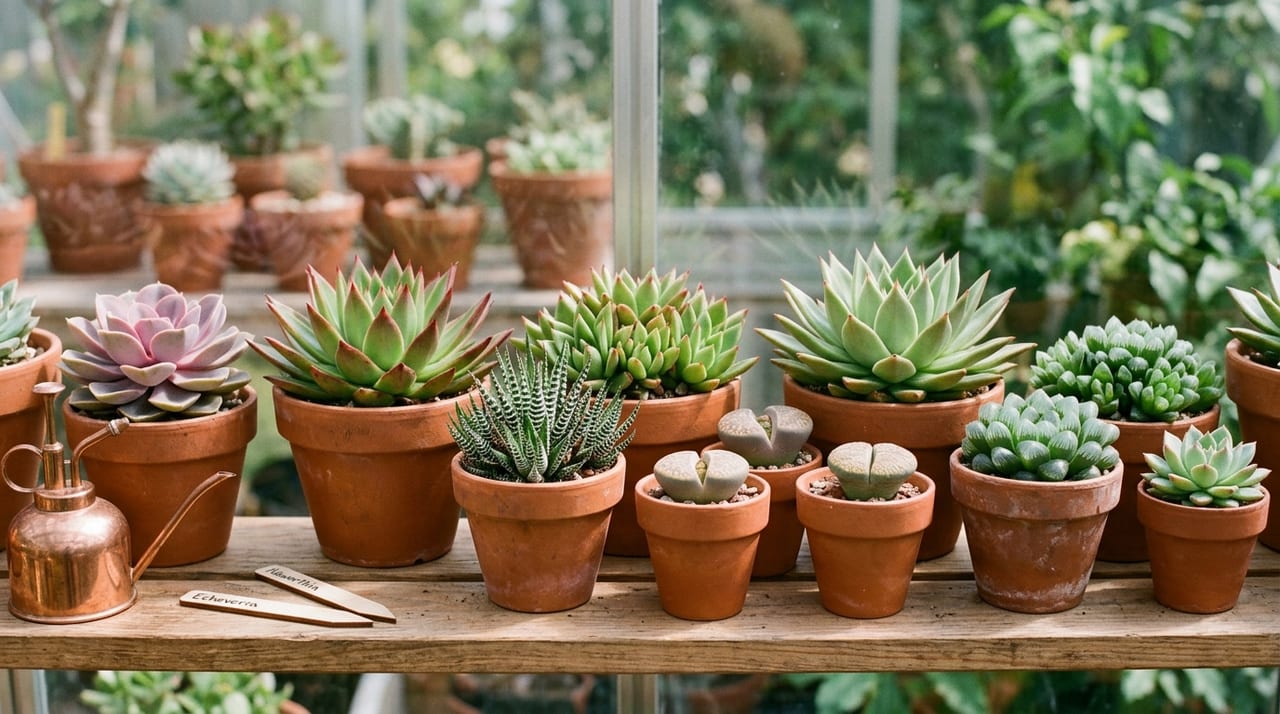
To successfully grow succulents in summer, it is essential to first understand the growth type of the varieties you are cultivating. Succulents are broadly classified into three types—"summer-growing," "winter-growing," and "spring-autumn-growing"—each with different growth timing. Even though they are all called "succulents," summer care methods vary greatly, so uniform management ignoring growth type is a recipe for failure.
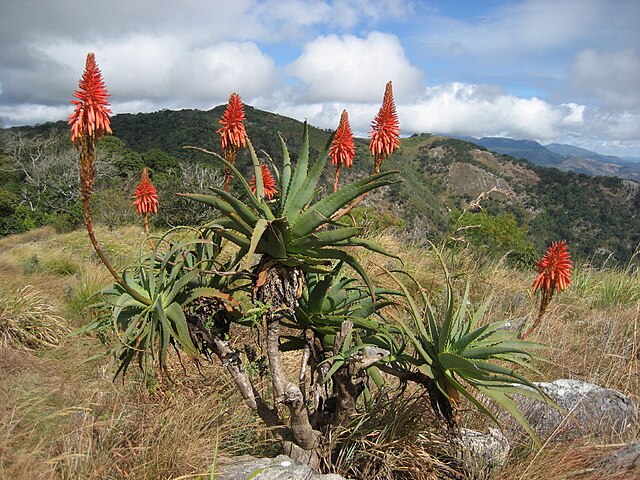
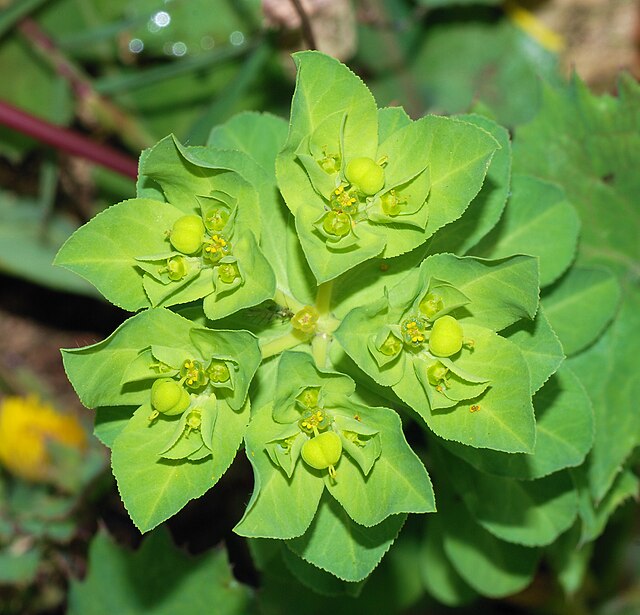
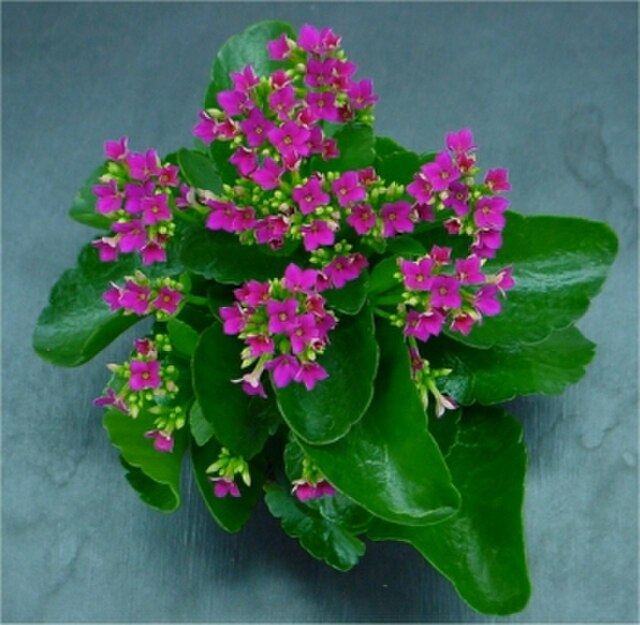
Summer-growing varieties such as Agave, Pachypodium, Euphorbia, and Kalanchoe have summer as their peak growing season. As temperatures rise, they actively absorb moisture, so watering thoroughly as you would in spring is fine. However, if extremely high temperatures (over 40°C) persist, it may be necessary to temporarily reduce watering.
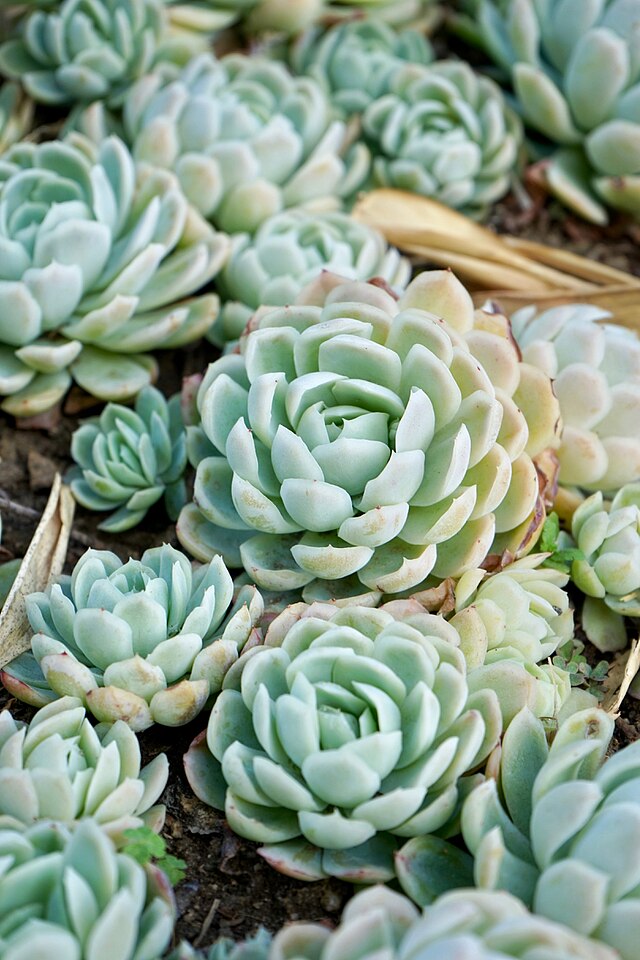
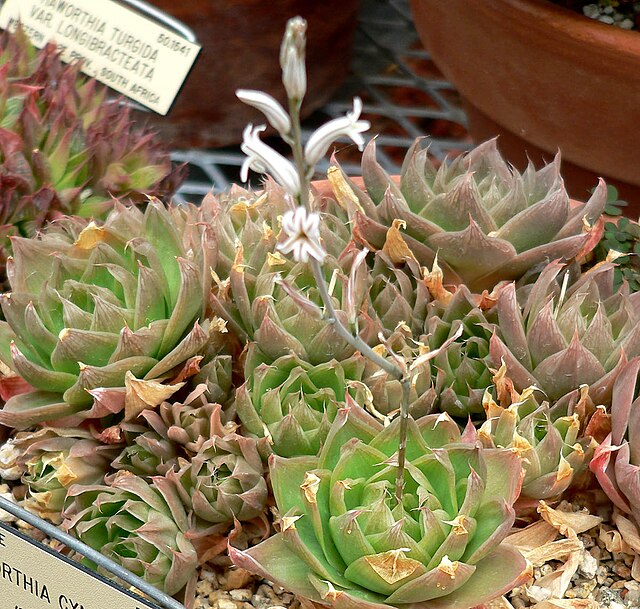
Spring-autumn-growing varieties such as Echeveria, Sedum, Graptopetalum, and Cotyledon grow vigorously in spring and autumn, entering semi-dormancy in summer and winter. In summer, reduce watering significantly and keep the soil slightly dry as a rule. Overwatering easily leads to root rot or stem rot, so wait a few days after the soil is completely dry before giving a small amount of water.
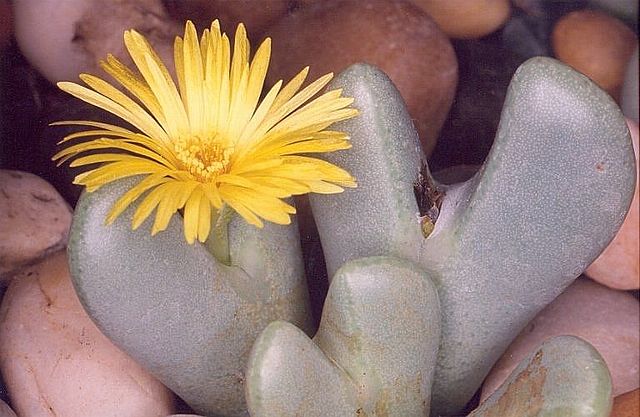
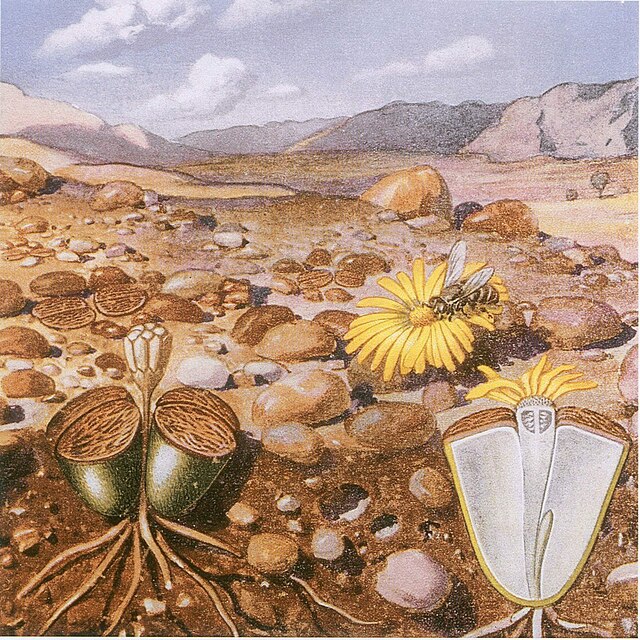
Winter-growing varieties such as Lithops and Conophytum (note: Haworthia is spring-autumn-growing) enter nearly complete dormancy in summer. During this period, virtually stop watering, limiting it to just a tiny amount once or twice per month. Overwatering can cause roots to rot during dormancy, potentially causing you to lose the entire plant. It's good to manage them with the mindset of creating a "drought-like state" in summer.
If you are unsure about the growth type, it is best to look it up by variety name or confirm with the grower where you purchased it. Since varieties within the same genus can have different growth types, I recommend investigating each variety carefully.
Summer Watering Quick Reference by Growth Type and Heat-Tolerant vs. Heat-Sensitive Species
| Growth Type | Representative Genera | Summer Watering | Shading Guide | Summer State |
|---|---|---|---|---|
| Summer-growing | Agave, Pachypodium, Euphorbia, Kalanchoe, Aloe | Water thoroughly when soil is dry. Reduce watering if temperatures exceed 40°C persistently. | 20–30% | Active growth period |
| Spring-autumn-growing | Echeveria, Sedum, Graptopetalum, Cotyledon, Haworthia | Wait a few days after drying before giving a small amount. Aim for 2–3 times per month. | 40–50% | Semi-dormancy |
| Winter-growing | Lithops, Conophytum, Tylecodon, Othonna | Once or twice per month, just moisten the pot surface or water only minimally | 50–70% | Dormancy |
Species Sensitive to Heat (prone to dying in mid-summer)
- Lithops and Conophytum: Overwatering while dormant causes them to rot away. Nearly dry management is safest.
- Echeveria (especially large rosette varieties): Water pooling in the center causes rot from moisture damage. Sunburn is also common. See Popular Echeveria Varieties and Care Guide for variety-specific details.
- Sempervivum: Alpine species that struggle with Japan's tropical nights. Good air circulation and nighttime temperature drops are essential.
- Small Sedum species (e.g., Rainbow Jade, Maiden Heart): Leaves drop easily in summer. Keep soil slightly dry to help them endure.
- Haworthia: Direct sun causes leaves to turn reddish-brown and shrivel. Place in bright shade.
Heat-Tolerant Species
- Agave, Aloe, and Euphorbia: Prime examples of summer-growing types. The more sunlight and water you give, the tighter and more compact they grow.
- Pachypodium and Adenium: Summer is their peak season. Drought stress is actually more of a problem than overwatering.
- Kalanchoe and some Crassula species (e.g., Jade Plant): Hardy and active even in summer. However, avoid moisture damage.
It's only half true that "succulents = heat-tolerant"—mainly summer-growing types are heat-tolerant. For spring-autumn-growing and winter-growing types, Japan's summer is a period to "survive," so the key to keeping them alive is reducing water and letting them stay cool.
Preventing Sunburn and Sun Injury with Shade Cloth
Japan's summer is far more hot and humid than the native habitat of succulents. The particular problem is intense direct sunlight, which is the main cause of "sunburn." Once sunburn occurs, it cannot be reversed, so prevention is paramount. The approach to identifying and caring for sunburned plants described in Causes of Agave Sunburn and Recovery Methods can be applied to succulents in general.
In summer, using shade cloth is effective. The key is choosing the appropriate shading percentage based on growth type and variety.
- Summer-growing types (Agave, Euphorbia, etc.): 20–30% shade. Most prefer strong light, so excessive shading inhibits growth.
- Spring-autumn-growing types (Echeveria, Sedum, etc.): 40–50% shade. They are sensitive to intense direct sunlight, so shade them well.
- Winter-growing types (Lithops, Conophytum, etc.): 50–70% shade. They especially dislike strong light during dormancy, so set shading to the higher end.
Shade cloth is easy to obtain from garden centers and online retailers, and can be installed simply by securing it to veranda railings or shelves. When managing multiple species together, installation is easier if you set it up according to the species requiring the most shade and place summer-growing types separately elsewhere.
During periods of extreme heat, consider doubling the shade cloth or adding white frost cloth to temporarily increase the shading percentage. Afternoon western sun, in particular, brings high temperatures and high sunburn risk, so caution is especially needed on west-facing balconies.
Placement and Ventilation Strategies to Prevent Moisture Damage
The greatest threat to succulents in summer is "moisture damage." When high heat and high humidity combine, problems like root rot, stem rot, and gray mold disease increase rapidly. Particular care is needed during the muggy nights from the rainy season through midsummer.
The foundation of moisture damage prevention is ensuring good air circulation. Keep the following points in mind as you arrange your growing area.
- Don't crowd pots together: Leave adequate space between pots to allow air to circulate freely.
- Use mesh shelves or slatted shelves: This improves airflow from the pot bottom and reduces humidity buildup.
- Use a small fan or circulator: For indoor or sheltered locations, running a small circulator constantly to move air is effective.
- Move to a rain-free location: To prevent the soil from becoming overly wet from rainy season showers or summer downpours, place pots under eaves or under a roof.
Watering timing is also directly connected to preventing moisture damage. Watering in the late afternoon through evening avoids having the pot become like a sauna during the day's high heat. Early morning watering is also possible, but since moisture damage becomes likely as temperatures rise, evening watering is especially recommended.
Correct Watering Methods and the Principle of "Don't Water the Leaves"
Watering succulents has its own unique tricks. A principle beginners should especially heed is "don't water the leaves." Water droplets remaining on leaves can cause a lens effect on sunny days, triggering sunburn. Additionally, water pooling at the base of leaves or in the center can cause rot to begin at that point. Particular attention is needed for rosette-forming species like Echeveria and Sempervivum, which have shapes prone to water pooling in the center.
Water using a fine-tipped watering can or dropper, applying it directly to the soil at the base of the plant. It is safest to moisten only the soil, avoiding the spaces between leaves. If using a watering can, either switch to a fine-spray nozzle or slowly pour water at the base while moving leaves out of the way.
It is also important to place plants in a well-ventilated location so water droplets dry as quickly as possible after watering. Since nighttime temperatures drop and drying is slow, confirm that the soil has dried somewhat by the next morning, even with evening watering.
Causes of Summer Die-Off and Early Detection and Rescue Methods
Most causes of succulent die-off in summer come down to two things: root rot from overwatering and stem rot from moisture damage. For both, early detection and prompt treatment are the key to recovery.
Signs of Root Rot and Treatment
Root rot is sometimes hard to detect visually, but watch for these signs.
- Leaves are wilted even though the soil is wet
- The entire plant becomes soft and mushy
- A smell of decay comes from the pot
If root rot is suspected, immediately remove the plant from the pot and inspect the roots. Cut away all blackened roots and air-dry in shade for several days until the cut surfaces dry. Repot in fresh, clean soil and hold off on watering for a while. Specific watering frequency examples are explained in Overwatering Problems with Succulents.
Signs of Stem Rot and Treatment
Stem rot is characterized by the base of the plant becoming black and mushy. It progresses quickly, so prompt treatment is necessary upon discovery.
Cut the stem while preserving the healthy portions and let the cut surface dry. Once fall arrives and temperatures cool, attempt to propagate it as a cutting. With early treatment, the upper part of the stem often survives and can recover.
GrowerDirect's Safe and Secure System
GrowerDirect is a platform where you can purchase plants directly from growers who specialize in succulents. By connecting growers and buyers directly, it creates an environment where you can consult directly with growers about variety details and care methods.
Communication with growers is particularly helpful for post-purchase care when choosing healthy plants strong enough to survive summer, searching for specific growth types, or seeking advice when uncertain about management.
Additionally, GrowerDirect has grower ratings and review features to ensure you can confidently purchase from trustworthy sellers. Whether you are purchasing succulents for the first time or searching for rare varieties as a collector, please take advantage of it for safe transactions.