Succulent Overwatering Problems: Real-World Watering Frequency Examples and Solutions
Comprehensive explanation of the #1 cause of succulent death—"overwatering." Learn how to identify root rot, stretching, and leaf discoloration; real-world watering frequency examples by season and species; and detailed solutions to overwatering problems.
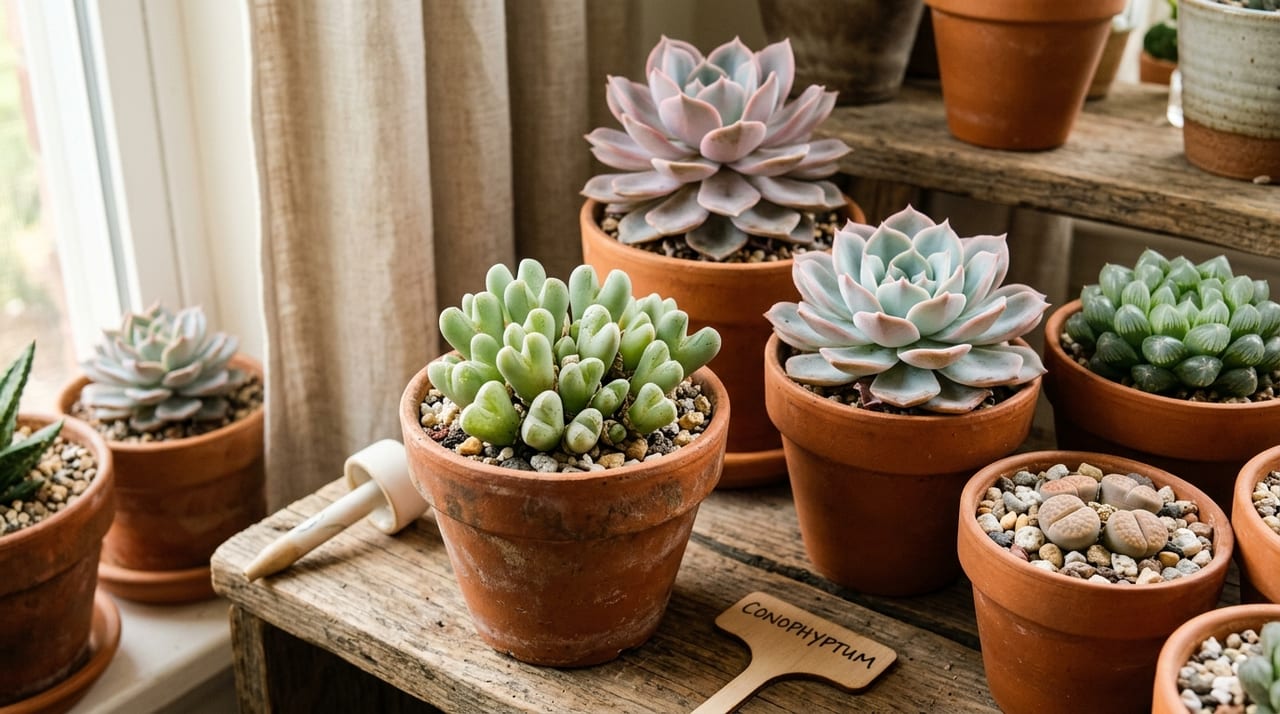
Key Takeaways
Comprehensive explanation of the #1 cause of succulent death—"overwatering." Learn how to identify root rot, stretching, and leaf discoloration; real-world watering frequency examples by season and species; and detailed solutions to overwatering problems.
Related Species
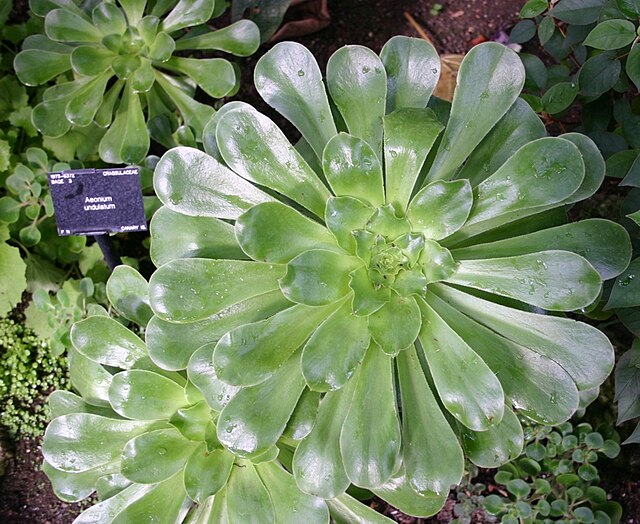
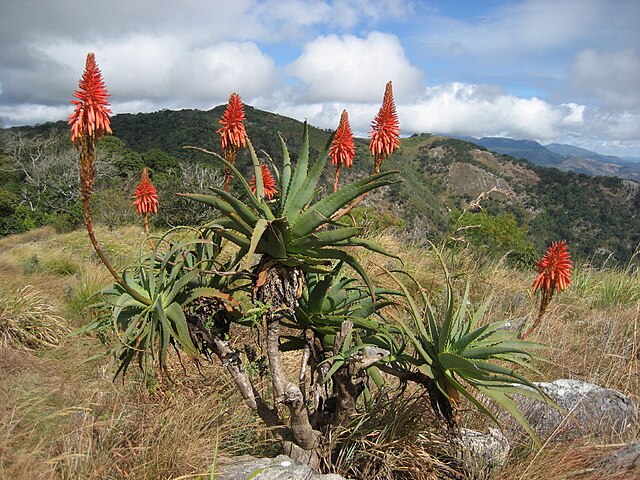
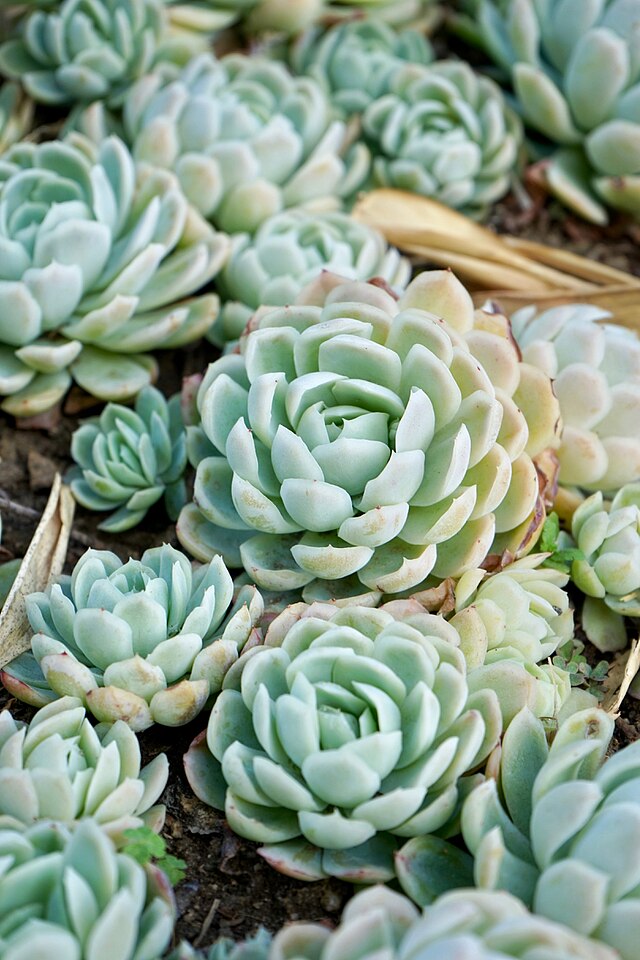
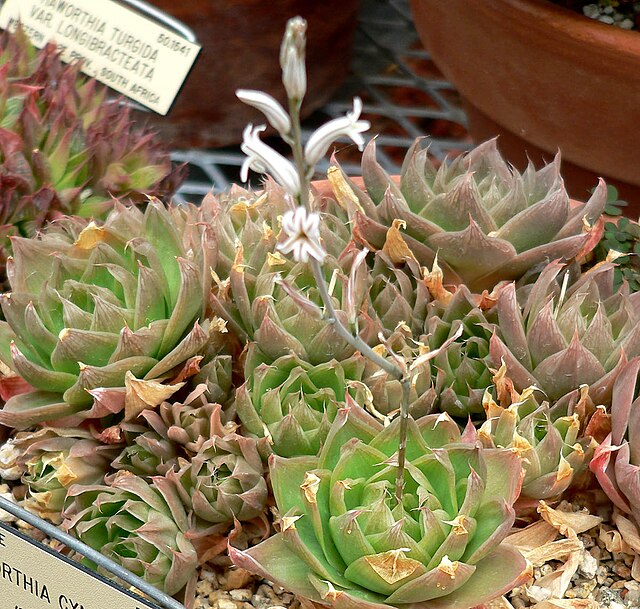
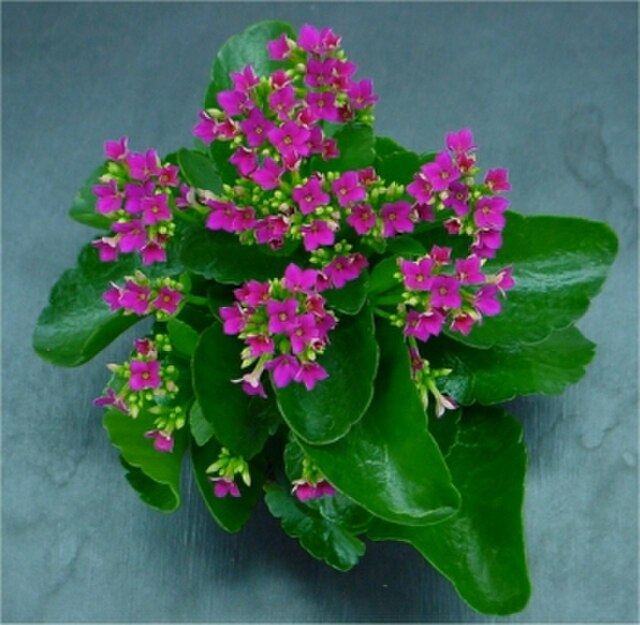
Introduction: The Reality That Succulents "Die from Too Much Water"
The #1 cause of succulent death is actually "overwatering." Succulents originate in arid regions where rainfall occurs only once every few weeks or even months. Applying daily watering—as is common in Japan—becomes the biggest mistake you can make with these plants.
This article provides professional explanations of typical overwatering problems and correct watering frequencies by season and species. If you've noticed your succulents looking unhealthy lately, start by reviewing your watering schedule.
Three Typical Symptoms Caused by Overwatering
Symptom 1: Root Rot
The most serious overwatering problem is root rot. When roots remain constantly moist, anaerobic bacteria and filamentous fungi (molds) proliferate and dissolve the root cells.
How to identify:
- Leaves become soft and mushy, developing a translucent appearance
- Lower leaves gradually turn yellow and drop
- The entire plant tilts (roots lose function)
- When removed from soil, roots turn brown to black and emit a foul odor
Real example: An Echeveria (rose-shaped succulent) watered twice weekly developed root rot after 3 months. The first sign was soft, mushy lower leaves. At this point, watering was stopped and the plant was uprooted. Upon inspection, 80% of the roots had rotted.
Symptom 2: Stretching (Etiolation)
Stretching occurs when stems become thin and spindly. While this typically results from both excessive water and insufficient light, overwatering environments promote rapid cell elongation and loose growth.
How to identify:
- Leaf spacing widens as stems extend
- Leaves become thin and pale green
- Overall appearance becomes lanky and loose
Compared to a healthy, compact succulent, a stretching plant's form is noticeably different.
Symptom 3: Leaf Discoloration and Drop
Excessive watering causes leaf surface yellowing or browning and increases lower leaf drop. This often appears as an early warning sign before root rot develops.
Seasonal Watering Frequency Guide
Succulent watering varies significantly by season and species. Below are general guidelines based on Japan's climate.
Spring (March–May): Beginning of Growing Season
Frequency: Approximately every 2 weeks (3–5 days after soil is completely dry)
Spring is when succulents grow most vigorously. New leaves emerge continuously and colors are vibrant. Wait 3–5 days after the soil dries completely, then water thoroughly until it drains from the pot bottom.
Note: April–May experiences large temperature swings; keep plants indoors on rainy days or skip watering.
Summer (June–August): Dormancy for Most Species
Frequency: 2–3 times per month (increase only for summer-growing types)
Spring/Autumn types (Echeveria, etc.): 2–3 times monthly (summer dormancy requires significant reduction; summer-growing types like Kalanchoe require separate care) Spring/Autumn types (Haworthia, Cotyledon, etc.): 2–3 times monthly Winter-growing types (Aeonium, etc.): 1–2 times monthly (near complete dry period)
Summer is when succulents face the highest risk of problems. The rainy season (June–July) combines overwatering and poor air circulation into a double threat. Place plants where they won't receive rain, and water only during cool evening hours.
Real example (overwatering problem): An Echeveria 'Lola' was watered every 4 days throughout July. Softening of lower leaves began after 2 weeks; root rot claimed the entire plant within a month. The correct frequency was 2–3 weeks.
Autumn (September–November): Peak Growing Season
Frequency: Every 10–14 days
Autumn rivals spring as the best growing season for succulents. As temperatures cool in the evening, Echeveria and others display beautiful autumn colors. Following a cycle of watering when soil dries completely poses no problems.
From late November, gradually reduce watering as temperatures drop.
Winter (December–February): Dormancy and Dry Period
Frequency: 1–2 times monthly (winter-growing types: 2–3 times monthly)
Summer-growing types: 1–2 times monthly Spring/Autumn types: 1–2 times monthly (withhold water when minimum temperature falls below 5°C) Winter-growing types: 2–3 times monthly
Drastically reduce watering volume and frequency in winter. Cold temperatures slow root water absorption, prolonging wet conditions and increasing root rot risk.
"Danger Temperature Zone": Avoid watering when minimum temperatures fall below 5°C. Water remains cold around roots for extended periods, damaging them.
Watering Difficulty by Cultivar Type
| Species Group | Water Sensitivity | Overwatering Risk | Difficulty Rating |
|---|---|---|---|
| Echeveria | High | High | ★★★ |
| Haworthia (soft-leaf) | Very high | Very high | ★★★ |
| Sedum | Low | Low | ★☆☆ |
| Aloe | Moderate | Moderate | ★★☆ |
| Kalanchoe | Low | Low | ★☆☆ |
| Aeonium (winter-growing) | Summer risk | High in summer | ★★☆ |
Solutions for Overwatering Problems
For early-stage root rot:
- Stop watering immediately
- Dry for 3–5 days in a breezy, shaded location
- After drying, remove from soil and trim rotted roots with clean scissors
- Let cut ends dry for 1–2 days before repotting in fresh, clean soil
For advanced root rot: Propagate the upper (healthy) portion as a "cutting" to regenerate it. If rot has reached the stem, discard; however, if healthy leaves remain, leaf propagation is possible.
A Convenient Method to Judge Dryness vs. Overwatering
Insert a toothpick or bamboo skewer gently from the pot edge. If moist soil adheres when you pull it out, the interior retains moisture. Commercial moisture meters (such as Sustee) display soil moisture at a glance by color change and are useful for watering beginners.
Summary: "Dry First, Then Water" Is the Foundation
The fundamental principle of succulent watering is "wait several days after soil dries completely before watering." Signs it's time to water are: "soil feels bone-dry to the touch" and "the pot feels light when lifted."
I understand the urge to water daily out of affection, but for succulents, true care means "restraint and reduced watering." Overwatering damage worsens with delayed detection, making early prevention through daily observation your best defense.