Selecting Pots for Succulents: The Relationship Between Root Development and Pot Choice | A Complete Guide to Pot Size, Material, and Drainage
Essential guide to pot selection for succulent growth. From choosing the right size to comparing terracotta vs. plastic, and optimizing drainage—practical tips for developing healthy root systems.
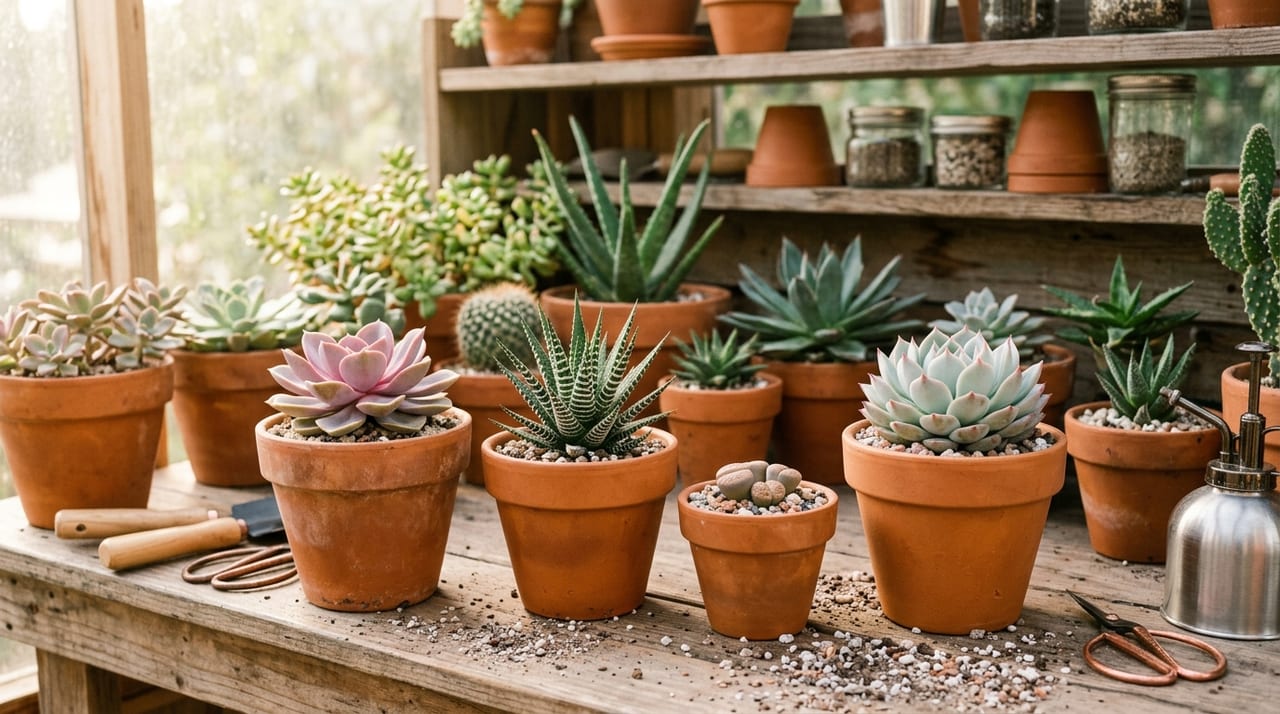
Key Takeaways
Essential guide to pot selection for succulent growth. From choosing the right size to comparing terracotta vs. plastic, and optimizing drainage—practical tips for developing healthy root systems.
Related Species
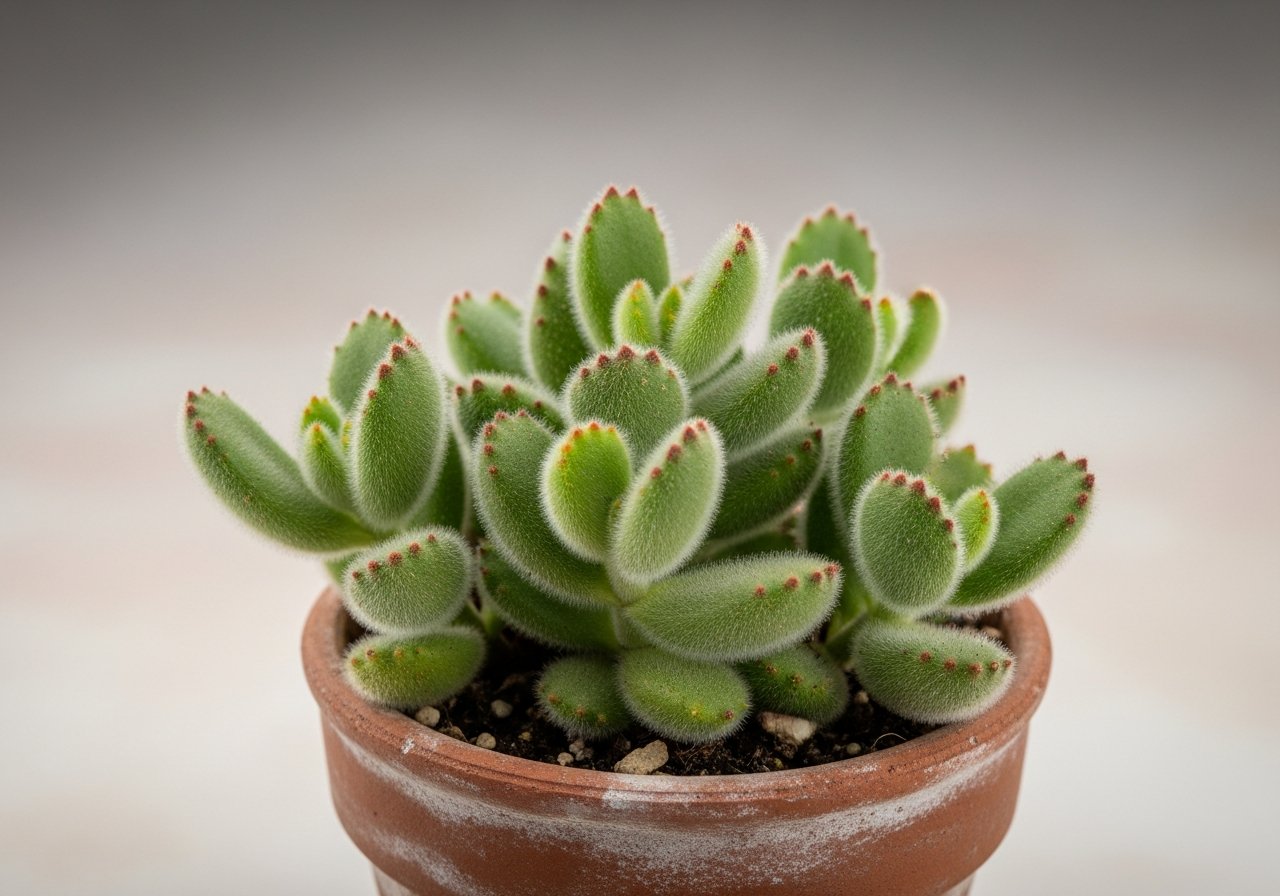
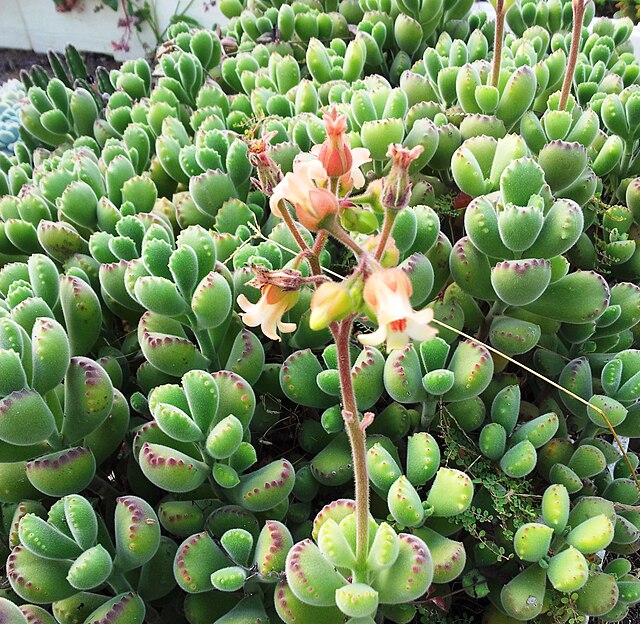
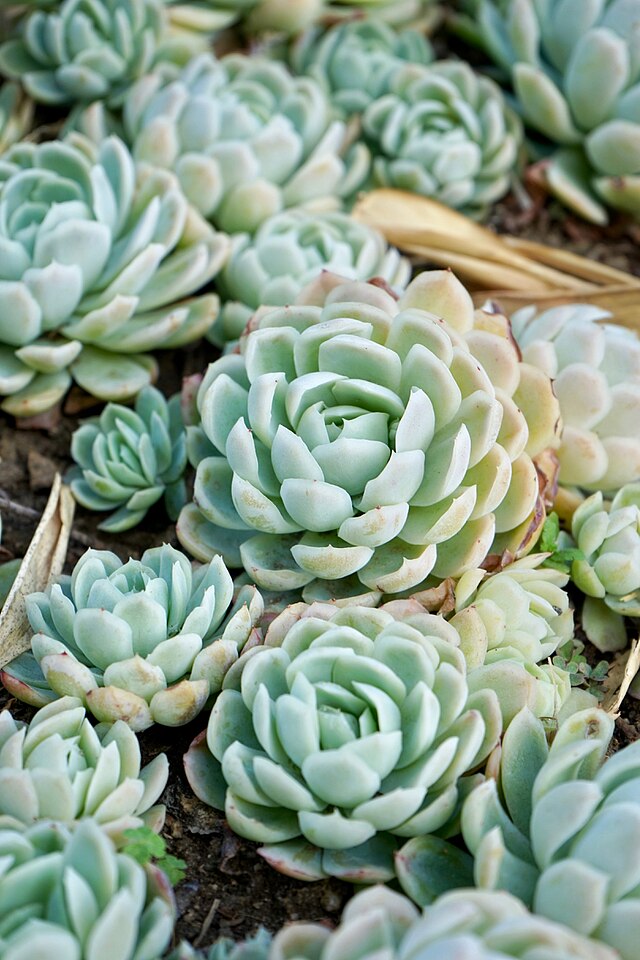
Selecting the right pot for your succulents is far more than just an aesthetic decision. Pot size, material, and drainage properties directly affect both the quality of root development and the rate of growth. This article outlines pot selection criteria that both beginners and experienced growers can apply.
How Succulents Grow: The Basics of Root Development
Succulent root systems have characteristics distinct from other plants. Roots absorb water rapidly, then store it in both the root tissue and leaves. This storage capacity is precisely why succulents can survive extended periods of drought.
Healthy root development doesn't simply mean "long roots." Rather, it means "roots distributed throughout the entire soil mass in the pot, efficiently absorbing water and nutrients." Poor root development allows parts of the soil to remain consistently moist, leading to root rot.
Pot Size: A Practical Guide to Choosing the Right Pot Number
Choosing the right pot size (pot number) for succulents requires thinking in two layers: the plant's size plus adequate spacing.
Pot Size Guidelines:
- Young plants 3–5 cm wide: 2–3 pot size (6–9 cm diameter)
- Small plants 5–10 cm wide: 3–4 pot size (9–12 cm diameter)
- Medium plants 10–15 cm wide: 4–5 pot size (12–15 cm diameter)
- Large plants 15 cm or wider: 6 pot size or larger (18 cm diameter or more)
The crucial concept is "adequate spacing." Choosing a pot that's 2–3 sizes larger than the plant creates excessive humidity inside the pot, significantly increasing root rot risk. The ideal approach is to maintain about 1.5–2 cm of space between the plant's outer edge and the pot rim.
Even popular varieties like Echeveria elegans, Buddha Temple, and Crassula ovata can fail due to improper pot sizing.
Comparing Materials: When to Use Terracotta vs. Plastic
Terracotta Pots
Terracotta pots possess the ideal drainage and water permeability for succulent cultivation.
Advantages:
- High air permeability; low root rot risk
- Soil dries quickly, making water management simple
- Roots can absorb oxygen through the pot walls (root respiration)
- Natural appearance; the pot itself has decorative value
Disadvantages:
- More expensive (2–3 times the cost of plastic)
- Fragile and easily damaged if dropped
- Soil can dry too quickly; requires careful watering during summer
- Mineral salts can accumulate on the surface
Plastic Pots
Plastic pots differ from terracotta in that their drainage can be controlled.
Advantages:
- Affordable
- Lightweight and easy to move
- No risk of breakage
- Higher moisture retention; easier winter watering
Disadvantages:
- Poor air permeability; difficult humidity control
- Higher root rot risk
- Roots adhere to pot walls, making repotting difficult
- Degradation over time with prolonged use
Practical Guidelines:
- Beginners: Plastic pots (high moisture retention; fewer failures)
- Intermediate to advanced: Terracotta pots (complete drainage control)
- During rainy seasons: Terracotta pots (excess moisture escapes more readily)
Enhancing Drainage: The Interplay Between Pot and Soil
Soil preparation is equally important as pot selection. Even highly draining soil is ineffective if the pot's drainage holes are insufficient.
Recommended Drainage Hole Standards:
- Three or more holes at least 3 mm in diameter on the pot bottom
- Line holes with pot screening to prevent clogging
- Place lightweight volcanic rock or red clay balls around the drainage area to promote air flow
Standard soil composition for succulents typically follows this ratio:
- Red clay balls: 40–50%
- Akadama soil: 20–30%
- Perlite: 10–20%
- Volcanic rock: 10–15%
- Leaf mold: 5–10% (minimal)
This composition achieves optimal balance between moisture and aeration, dramatically improving root development.
Seasonal and Growth Stage-Based Pot Selection Strategy
Growing Season (Spring and Autumn)
During active growth in spring and autumn, you can safely use a pot one size larger. In fact, providing space for root expansion accelerates overall plant growth. Terracotta pots are ideal during this period.
Dormancy (Summer and Winter)
In summer and winter, growth stops or becomes extremely sluggish. Using a larger pot during dormancy keeps soil consistently moist, directly leading to root rot. Consider repotting into a one-size-smaller pot before dormancy begins.
Leaf Cuttings and Offsets
When newly rooted offsets have just developed roots, select the smallest possible pot (1–2 pot size). Practice "stepwise repotting," upsizing every 2–3 months until roots fully colonize the soil.
Diagnosing Root Development: When to Repot
Signs that roots have filled the pot:
- Plant growth has stopped or become extremely slow
- Soil dries much faster after watering
- Roots are emerging from drainage holes
- The plant shifts inside the pot (indicating insufficient roots)
When you observe these signs, repotting into a pot 1–2 sizes larger is necessary. Spring and autumn are ideal repotting seasons.
Summary
Choosing the right pot for succulents means prioritizing "root quality" over appearance. By selecting an appropriately sized pot for your plant, then combining the right material and drainage, even beginners can reliably develop a healthy root system.
Don't fear experimentation; practice flexible repotting strategies adjusted for the season and growth stage. This approach is the foundation of succulent cultivation success.