Popular Echeveria Varieties and Care Guide | Complete Guide for Beginners
Explains the characteristics of popular Echeveria varieties, basic care methods, and tips for watering, lighting, and repotting for beginners.
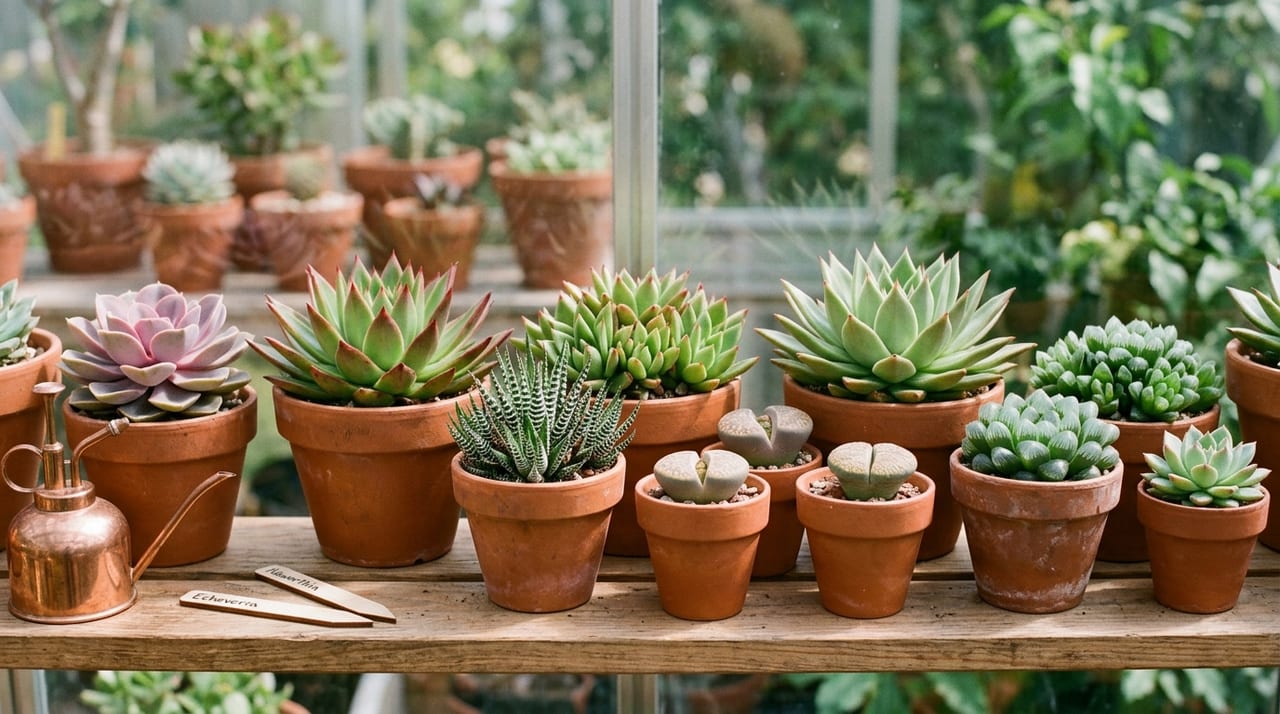
Key Takeaways
Explains the characteristics of popular Echeveria varieties, basic care methods, and tips for watering, lighting, and repotting for beginners.
Related Species
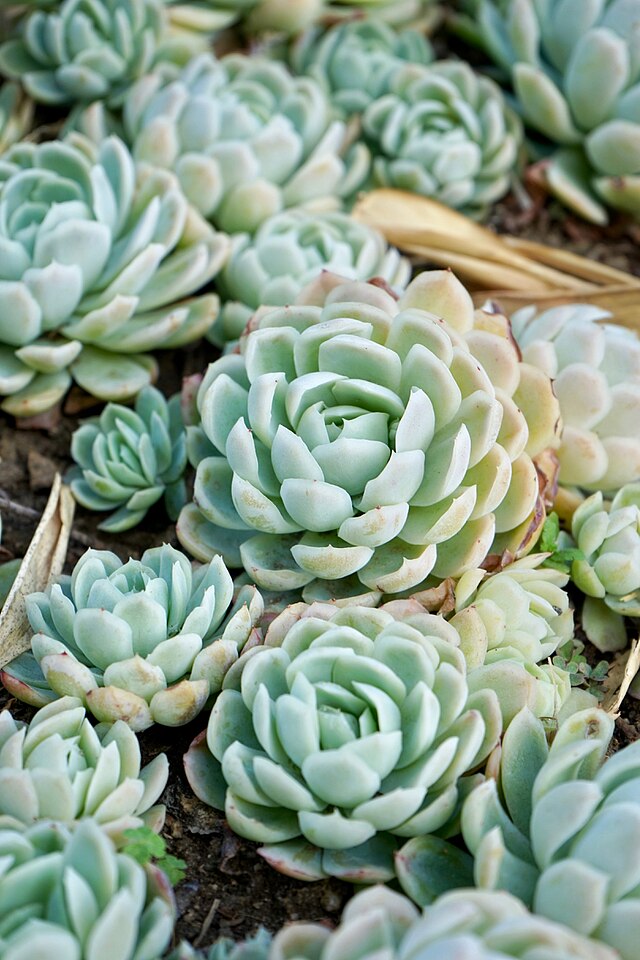
Echeveria
View species details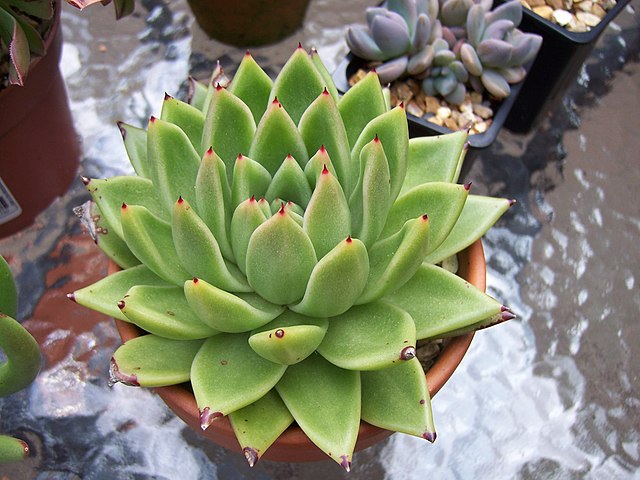
Echeveria Agavoides
View species detailsEcheveria chihuahuaensis
View species detailsEcheveria ‘Laurinze’
View species detailsEcheveria lilacina
View species detailsEcheveria Lola
View species detailsEcheveria is among the most beloved succulent plants, with beautiful leaves arranged in a rosette form that resembles a flower. With an extremely diverse range of varieties and high collectibility, they are cherished by people from beginners to experienced enthusiasts.
The Appeal of Echeveria
Echeveria is a succulent plant native to Central and South America, particularly Mexico, with approximately 150 species and several thousand hybrid varieties in existence.
- Beautiful rose-like rosette-shaped growth habit
- Color, shape, and size vary widely depending on the variety
- Seasonal appearance changes with fall coloring
- Easy to propagate via leaf cuttings, allowing collections to grow
- With proper care, you can also enjoy flowers
Recommended Varieties for Beginners
Echeveria Laulinze A hybrid of Laui and Linseana, with an elegant appearance covered in white powder. Hardy and easy to grow, it turns pink in fall. This is the most recommended variety for beginners.
Echeveria Momotaro (Chihuahuensis × Linseana) A popular variety with pointed leaves that take on pink coloring at the tips. Relatively hardy with fast growth, making it easy for beginners to cultivate an attractive form.
Echeveria Lola Characterized by a compact rosette with pastel-colored leaves. Small and space-saving, with beautiful fall colors.
Echeveria Lilacina Distinguished by grayish-purple leaves draped in white powder, giving it a fantastical appearance. Somewhat heat-tolerant and easy to manage.
Echeveria Agavoides Characterized by thick, triangular leaves. Hardy with fast growth, it is a fundamental species that has been the parent of many horticultural varieties. Also known as Shinonome.
Basic Care
Lighting Echeveria thrives in bright light. Insufficient light is the primary cause of leggy growth (stretching thin). Ensure at least 4 hours of direct sunlight daily. However, intense summer sun can cause leaf scorch, so it is safer to use shade cloth (30-50%) or provide morning sun only.
Watering During the spring and fall growing seasons, water thoroughly 2-3 days after the soil dries completely. The basic approach is to water until it drains from the pot's drainage holes. As they enter semi-dormancy in summer and winter, reduce watering to about once or twice per month. As water pooling in the center of the rosette can cause rot, water at the base of the plant.
Temperature The ideal growing temperature is 10-25°C (50-77°F). They dislike summer heat and humidity as well as freezing winter temperatures. Bring them indoors if temperatures drop below 5°C (41°F). During summer, manage them in partial shade with good air circulation.
Soil Well-draining soil is essential. Commercial succulent soil is convenient, but if mixing your own, a ratio of red lava soil (small grain) 4 : volcanic pumice (small grain) 3 : perlite 2 : charcoal 1 is recommended.
Fertilizer Once monthly during the growing season (spring and fall), apply diluted liquid fertilizer for succulents. High-nitrogen fertilizers cause leggy growth, so choose fertilizers high in phosphorus and potassium. Stop fertilizing in summer and winter.
Repotting
Repot once yearly in spring or fall.
- Prepare a pot of the same size or one size larger
- Remove from the pot, shake off old soil, and remove damaged roots
- Dry the roots for 3-5 days before planting in fresh soil
- Withhold watering for one week after planting
As Echeveria roots are relatively delicate, handle them carefully to avoid breaking thick roots.
Common Problems
Leggy Growth Caused by insufficient light, with the stem stretching and the rosette opening up. Once leggy growth occurs, that part cannot be corrected, so cut and propagate by cuttings, then reshape.
Leaf Scorch Leaves turn white and scorch in intense summer sun. Can be prevented by using shade cloth or relocating the plant.
Lower Leaf Die-back Natural die-back of lower leaves is normal senescence. If aesthetics are a concern, remove them cleanly.
Fungal Issues and Rot Caused by poor air circulation or overwatering. Remove affected areas and improve air circulation.
Frequently Asked Questions and Practical Advice
Q. The lower leaves are dying off. A. Some lower leaves naturally dying is normal generational change. The issue is when the rate of leaf drop accelerates, in which case suspect root damage from excess moisture or insufficient light. Remove dead leaves as they can cause rot if left at the base.
Q. It has stretched from the center and the leaves have scattered. A. That is leggy growth. Without sufficient light, Echeveria stems elongate and the rosette opens up. As the stretched part cannot be restored, renew it by cutting the head and propagating via cuttings, a process called reshaping. Let the cutting dry for a few days before placing it on dry soil.
Q. There is white powder on the leaves. Is it okay to remove it? A. It is called bloom (fruit powder), a natural protective layer that protects the leaves from sunburn and desiccation. Once removed, it does not regenerate, so the principle is do not touch and do not wet it. Water at the base of the plant.
Find Your Favorite Echeveria on GrowerDirect
On GrowerDirect, you can directly purchase Echeveria from popular to rare varieties, cultivated with care by specialist growers. Another appeal is the ability to ask growers directly about plant condition and variety characteristics that photos alone cannot convey.