Complete Guide to Growing Lithops | Mastering Shedding and Dormancy Management
A detailed explanation of how to grow Lithops, known as living jewels. We cover the mechanism and management of shedding, watering during dormancy, and common pitfalls and their solutions.
Key Takeaways
A detailed explanation of how to grow Lithops, known as living jewels. We cover the mechanism and management of shedding, watering during dormancy, and common pitfalls and their solutions.
Related Species
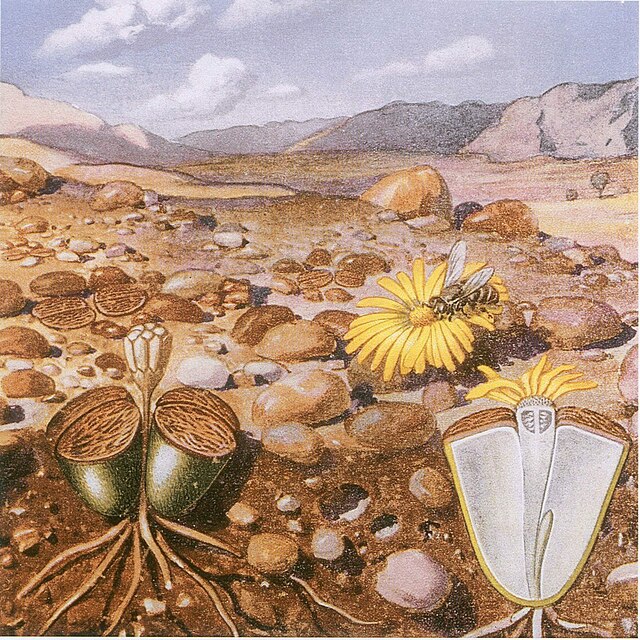
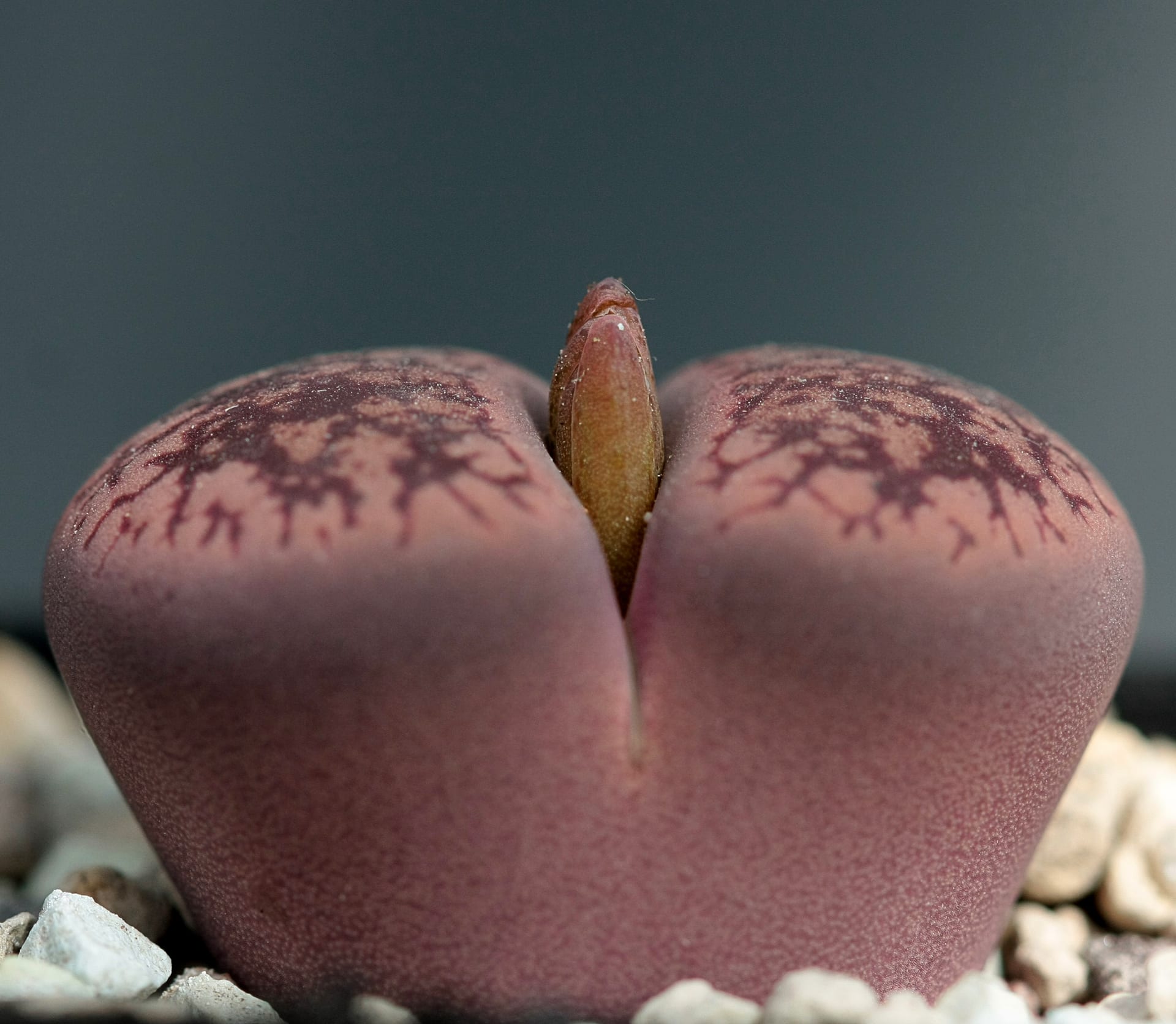
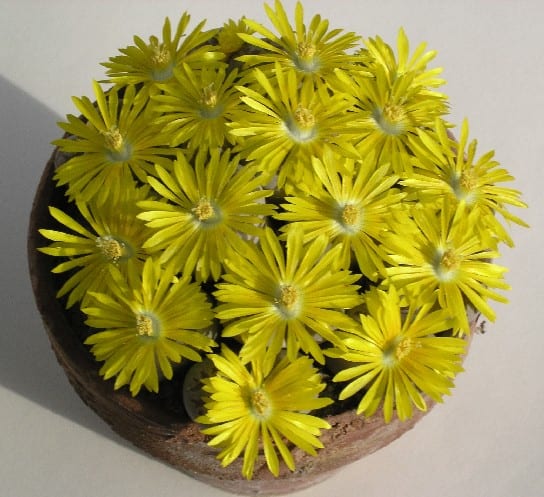
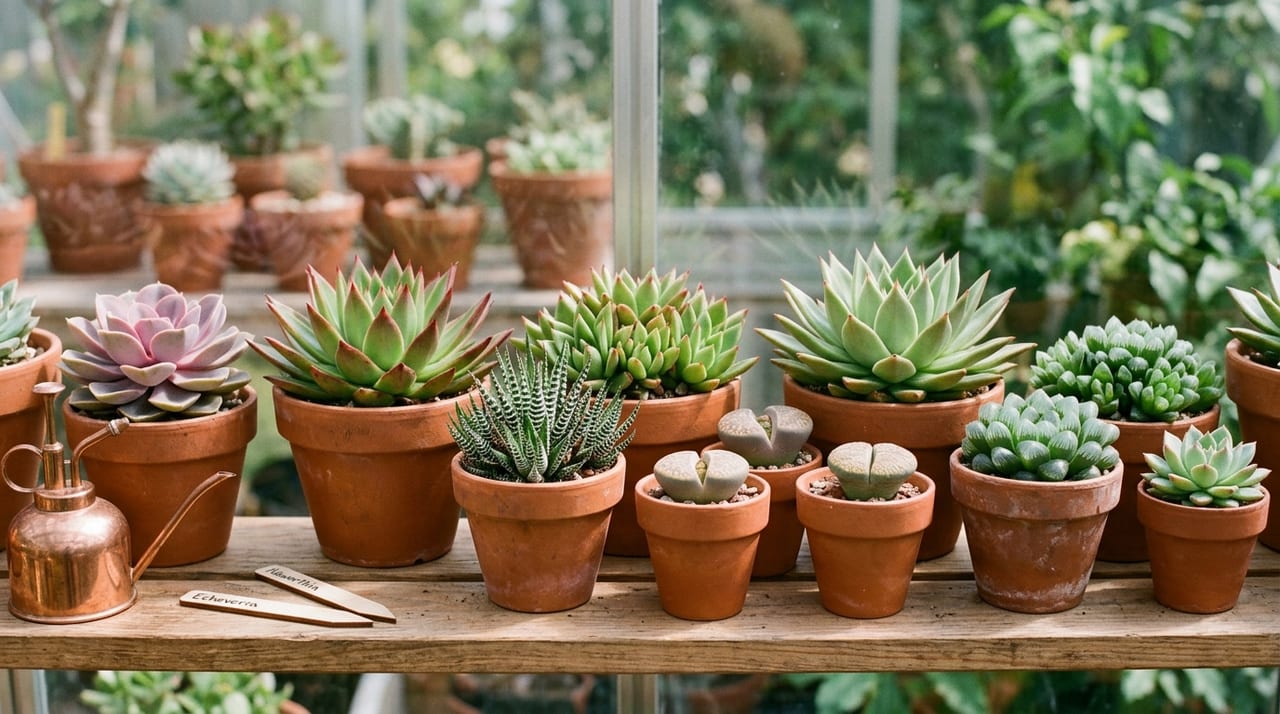
Lithops are succulent plants native to South Africa, also known as "living jewels" or "Mesembs." They are prized for their unique rock-mimicking form and distinctive window patterns that vary by species. However, their watering cycle differs significantly from typical succulents, so they often fail without proper knowledge. Here we explain Lithops' annual management cycle and strategies to avoid common failures.
Understanding Lithops' Annual Growth Cycle
To grow Lithops successfully, it is essential first to understand their unique growth cycle.
Autumn to Winter (October to February): Growing Season This is Lithops' most active period. They flower in autumn, and new leaves form internally through winter. This period requires moderate watering and sunlight.
Spring (March to May): Shedding Period Shedding, the most distinctive characteristic of Lithops, occurs. New leaves push out from between the old leaves, and the old leaves gradually shrivel and die. Watering management during this period is most critical.
Summer (June to September): Dormancy Period Japan's hot, humid summers are the harshest season for Lithops. Growth nearly ceases and they enter a mode of conserving energy. Excessive moisture during this period is the leading cause of death.
Lithops Annual Management Quick Reference
| Period | Status | Watering | Key Points |
|---|---|---|---|
| Autumn–Winter (Oct–Feb) | Growing season | 5–7 days after drying, 2–3 times monthly | Direct sunlight, flowering |
| Spring (Mar–May) | Shedding period | No water during shedding | New leaves draw from old leaves' moisture |
| Summer (Jun–Sep) | Dormancy | Minimal to no watering (tiny amount at dusk if shriveled) | 50% shade cloth, no rain exposure, prevent humidity |
Managing the Shedding Period Is Key to Success
Shedding is the most critical event in Lithops cultivation. Improper management causes double shedding (shedding during shedding), weakening the plant.
Stop Watering Once Shedding Begins Once new leaves begin to appear in the cracks of the old leaves, stop watering completely. New leaves absorb moisture from the old leaves to grow, so no external watering is needed. In fact, watering prevents the old leaves from shriveling, causing double shedding.
Let Old Leaves Be Never forcibly remove old leaves. Unless mold appears, leave them until they shrivel completely and become papery. Once old leaves are completely dry, gently remove them.
Signs of Shedding Completion Shedding is complete when old leaves are entirely dead, leaving only thin skin, and new leaves have fully emerged. Resume watering only after this stage. This typically occurs around late April to May, but varies by cultivar and environment.
Correct Watering Timing and Method
Lithops watering differs fundamentally from other succulents.
Watering During the Growing Season (Autumn–Winter) Water 5–7 days after the soil is completely dry. Aim for 2–3 times monthly, adjusting for weather and temperature. Water thoroughly until it drains from the pot's base, and always empty the saucer.
Watering During Dormancy (Summer) Withhold water as a rule. However, if the plant becomes very shriveled, give a tiny amount of water on a cool evening. Just barely moisten the soil surface. Watering during the hot daytime causes rot from humidity.
What Not to Do When Watering Avoid showering water from above. Water pooling in leaf crevices causes rot. Pour gently at the base or use bottom watering instead.
Location and Light Management
Lithops love light, but Japan's summer requires caution.
Direct Sunlight Is OK as Default Provide direct sunlight during the growing season. Insufficient light causes etiolation, deforming the plant and reducing flowering. Even in winter, give direct sunlight through glass on clear days.
Shade Cloth in Summer Is Essential Use approximately 50% shade cloth from June to September. Sudden intense light after the rainy season poses high risk of sunscald, so shade early. Manage in a well-ventilated location, and bringing plants indoors on days exceeding 35°C is also an option.
Never Expose to Rain If kept outdoors, rain exposure is forbidden. Manage under a roof or eave where rain cannot reach. Prolonged rainy periods during the wet season are fatal.
Frequently Asked Questions and Practical Advice
Q. Old skin remains during shedding. Should I remove it? A. Do not forcibly peel it off. Old leaves transfer moisture to new leaves as they die. Remove only what comes off easily with a light touch once completely dry and papery.
Q. Can I water during shedding? A. No; withhold water. Watering during shedding causes old and new leaves to swell simultaneously, causing double shedding or stem damage. Wait until old leaves are completely dry before resuming watering.
Q. The plant has become elongated and deformed. A. This is etiolation. Lithops require very strong light, and a windowsill indoors is almost always insufficient. Move to an outdoor rain-free location or under LED with sufficient PPFD. Once elongated, it cannot revert, so wait for renewal during the next shedding.
Selecting Cultivars and Tips for Acquisition
Lithops come in over 100 cultivars, prized for their distinctive window patterns.
Cultivars for Beginners C. calculus, L. karasmontana, and L. bella are relatively hardy and easy to grow. We recommend starting with these to become accustomed to the annual cycle.
Cultivars for Collectors L. lesliei has rich color variation and high collectibility. L. dorotheae has delicate, beautiful patterns and is popular with advanced growers.
Points to Check When Purchasing Lithops often look different in person than in photos, so purchasing from a trusted seller is important. GrowerDirect offers high-quality plants cultivated by specialist growers and sold directly, ensuring accuracy of cultivar names and plant health. You can also ask questions about care methods freely, making it reassuring for first-time Lithops growers.
Why Complete Summer Drought Is a Matter of Life and Death
Almost all Lithops failures stem from "overwatering in summer." In their native South Africa and Namibia, summer is the dry season with no rain for months. Lithops evolved assuming this harsh desiccation; providing water in summer fundamentally disrupts their physiological mechanisms.
Watering in summer causes a cascade of problems. First, root rot rapidly progresses in the hot, humid environment. Furthermore, if old leaves retain moisture, the shedding process fails—the transfer of moisture and nutrients from old to new leaves does not occur properly—and the entire plant rots and dissolves into death.
A common misconception: when Lithops leaves shrivel in summer, people assume they are drying out and water them. However, this shriveling is a normal dormancy response—the plant is restricting moisture to survive summer heat. Never water. Firmness will naturally return in autumn.
Basics of Soil, Pots, and Repotting
Lithops roots are taproots that grow long and narrow, so choosing a deep pot is important. Shallow pots typical for succulents easily cause root-bound plants and poor growth. Pots taller than wide (slip pots or deep terracotta) are ideal.
Recommended Soil Mix
Using commercial succulent soil as a base, follow this mix:
- Succulent potting soil: 3
- Fine Kanuma soil: 3
- Perlite: 2
- River sand or Fuji sand: 2
An ideal soil is sandy with high drainage and airflow. Avoid leaf mold and organic-rich soils.
Repotting Timing
Repot after shedding is complete and before autumn growth begins (September–October). Carefully remove old soil without injuring roots; if fine roots are damaged, dry for 2–3 days before repotting. Withhold water for one week after repotting, then resume in small amounts. See also "Complete Guide to Repotting Succulents | Timing, Procedure, Root Handling, and Post-Repotting Care" for detailed steps.