Complete Guide to Growing Mammillaria | Enjoying the Charm of Small Cacti Through Multi-headed Plants
This guide explains how to grow Mammillaria, a small cactus that readily clusters. It covers soil, watering, spring blooming in flower-ring formations, and propagation using offsets—introducing in detail how to enjoy growing multi-headed plants.
Key Takeaways
This guide explains how to grow Mammillaria, a small cactus that readily clusters. It covers soil, watering, spring blooming in flower-ring formations, and propagation using offsets—introducing in detail how to enjoy growing multi-headed plants.
Related Species
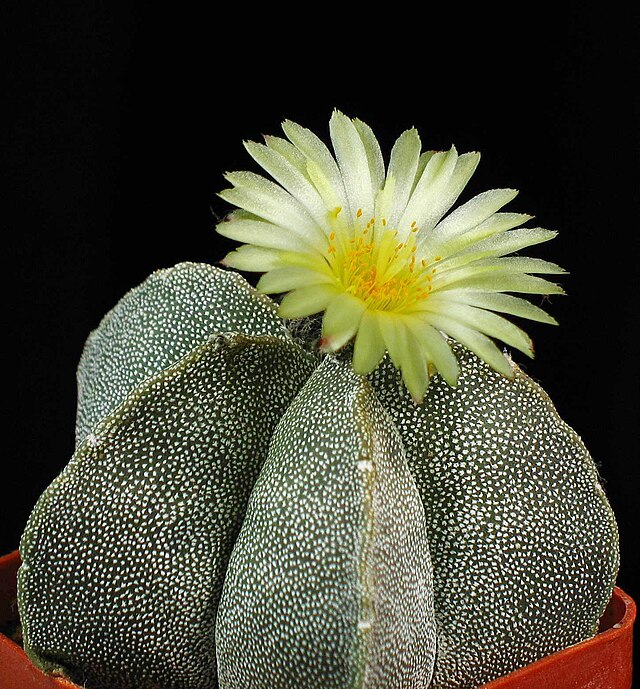
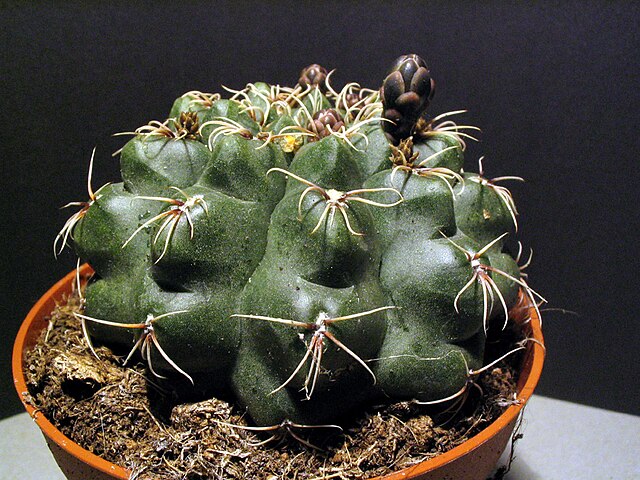
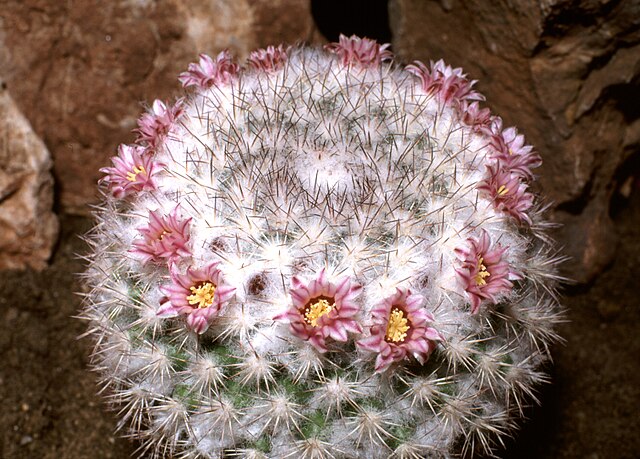
Mammillaria is one of the most popular groups among cacti. It is distinguished by spines that grow from the areoles at the tips of protrusions called tubercles (warty bumps), and as the plant matures, it continuously produces offsets from the base, creating dense clustering plants (multi-headed plants). Due to their small size and compact growth habit, and because they produce delicate flowers in spring that encircle the plant like a flower wreath, they have long been cherished by succulent and cactus enthusiasts alike.
Characteristics and Appeal of Mammillaria
Mammillaria's defining feature is that it lacks the ribs (vertical ridges) found in other cacti, instead having a surface completely covered with fine tubercles. Many species have white cottony hairs or hooked spines extending from the tips of the tubercles, and both spine color and density vary greatly depending on the species. Because they have a strong clustering tendency, even a single-headed plant purchased as a young specimen will produce offsets over several years and grow into a multi-headed specimen that fills the pot. This process of gradual transformation is one reason for their popularity. Their slow growth means changes in form can be observed carefully over an extended period, which is another source of appeal.
Soil and Pot Selection
Like all cacti, Mammillaria requires well-draining soil. You can use commercially available cactus potting soil or make your own by mixing red soil and kanuma soil with about 30% pumice or perlite. Terracotta pots or slit pots with good air circulation are suitable, and if you want to enjoy clustering, it's wise to choose a pot that is somewhat larger to allow room for growth. Pots that are too small can lead to root-bound conditions and affect how readily the plant produces offsets, so it's important to select based on the balance between pot size and plant size.
Watering Tips: Variation with Seasons is Key
The fundamental principle of watering is to adjust the frequency based on the plant's growth cycle. Here are the guidelines for each season:
| Season | Watering Guidelines |
|---|---|
| Spring & autumn (growth season) | Water generously—after the soil has dried thoroughly, water until it flows out from the bottom of the pot |
| Summer (high temperature season) | As the plant becomes semi-dormant, extend the interval between waterings and apply water sparingly during the cool morning and evening hours |
| Winter (dormant season) | Withhold water mostly and limit watering to just once a month, keeping the soil barely moist |
Summer is a period of high temperatures when growth slows, so frequent watering of semi-dormant plants can cause moisture buildup and rot. Withholding water in winter increases cold tolerance and helps prevent damage from freezing temperatures. It's important to understand that the plant's growth rhythm changes significantly with the seasons, and to avoid watering on the same schedule year-round.
Spring Flowering Like a Flower Wreath
One of the delights of Mammillaria is the small flowers that bloom in spring, encircling the sides of the plant. Flower color varies by species—pink, white, yellow, and others—but as the plant becomes multi-headed, the number of flowers increases, creating a spectacular display as if the plant is wearing a flower crown. Successful flowering requires sufficient light and a proper dormant period in winter to allow flower buds to accumulate. Without adequate light, flowering becomes sparse, so it's best to grow the plant outdoors or in a bright window location. After flowering, the small seed pods that develop may color up, offering the enjoyment of attempting to grow plants from seed.
Propagation Using Offsets
Clustered offsets that have sprouted can be propagated by carefully removing them from the base of the plant. The propagation process is as follows:
- Carefully remove the offset from the base of the plant
- Allow the removed offset to dry in a shaded area with good air circulation for several days to a week
- Insert the dried offset into dry soil and wait for roots to develop
- Do not water during root development; instead, manage with light misting to keep the soil barely moist
Managing the offset this way reduces the risk of rot. Plants with many offsets offer frequent opportunities for division and the enjoyment of expanding your collection. Once rooting is successful, you can grow the offset into a different pot form than the parent plant and recreate different clustering shapes.
Pest and Disease Management
When air circulation is poor, scale insects and spider mites tend to attach in the gaps between tubercles. Regularly inspect the entire plant, and if you find white cottony deposits or small insects, brush them off with a toothbrush or treat them with an appropriate pesticide. Root rot from excess moisture is the greatest threat, and attention to watering intervals and soil moisture levels is the most important key to keeping Mammillaria healthy long-term. Placing the plant in a location with good air circulation and avoiding crowding plants too closely together also contributes to pest and disease prevention.
Combining with Other Cacti
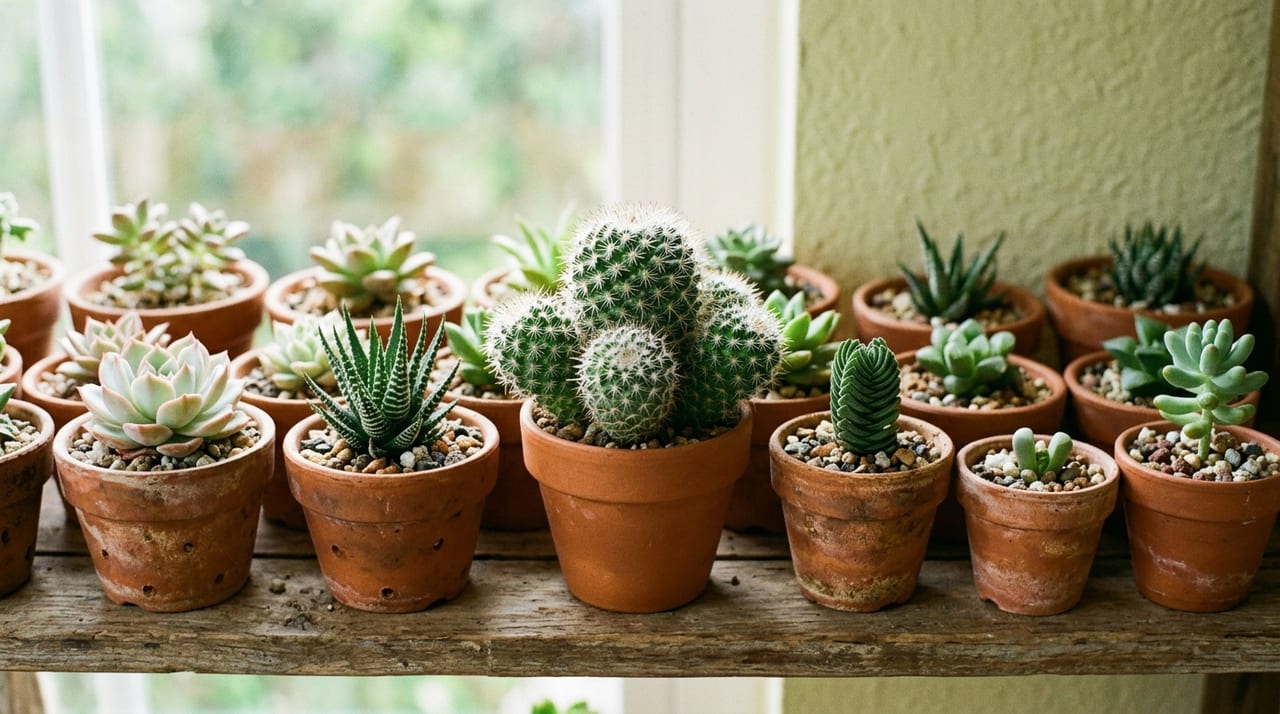
Because most Mammillaria species are small and compact, they can be enjoyed in mixed plantings with other small cacti such as Astrophytum and Gymnocalycium. However, different species have subtly different preferences for watering frequency and dormancy timing, so it's wise to avoid grouping cacti with drastically different characteristics in the same pot. Instead, combine species with somewhat similar growth rhythms—this is the key to success. When doing a mixed planting, ensure particularly thorough drainage at the pot bottom and review the soil mixture to prevent roots from becoming overly moist. Enjoying Mammillaria both as individually grown specimens that cluster and as part of a landscape created by combining multiple species are two approaches made possible by their versatility. Arranging them on a shelf and comparing the tubercle shapes and spine colors between different types reveals how much diversity exists within a single genus, fueling the motivation to continue collecting. While growth is never rapid, the gradual transformation of the plant's form each year can be appreciated over a long timeframe—a way of enjoying that is unique to small cacti.