Complete Guide to Growing Aloe | Sunlight, Watering, and Propagation from Offsets
From the basic characteristics of drought-tolerant succulent aloe to detailed guidance on sunlight, watering, repotting, propagation by offsetting, and root rot prevention.
Key Takeaways
From the basic characteristics of drought-tolerant succulent aloe to detailed guidance on sunlight, watering, repotting, propagation by offsetting, and root rot prevention.
Related Species
Aloe is a representative group of succulents originating from arid regions, beloved worldwide for its robust leaf form and hardiness. In addition to ornamental use, some varieties like Aloe vera have long been incorporated into daily life, making it a popular starter plant among succulents. This article provides detailed explanations of aloe's basic characteristics, daily care, propagation methods, and troubleshooting.
Basic Characteristics of Aloe
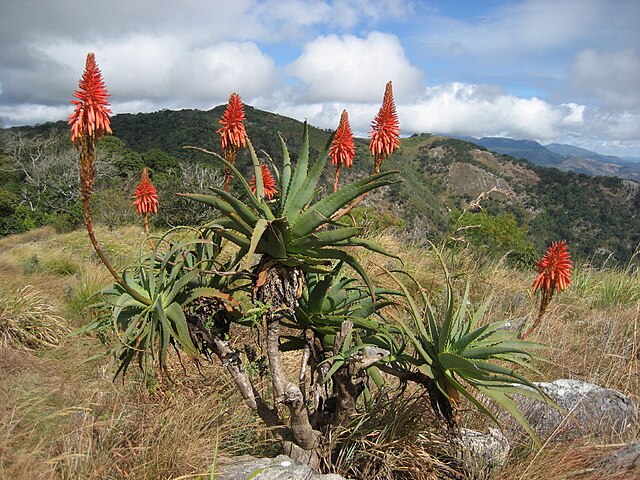
Aloe is a succulent classified in the Asphodelaceae family (formerly Liliaceae), with numerous wild species distributed primarily across the arid regions of Africa and the Arabian Peninsula. Its main characteristics are as follows:
- Thick, fleshy leaves store moisture, making exceptional drought tolerance its greatest feature
- Available aloe varieties range widely from large-growing cultivars to compact small species that form neat rosettes
- Many species have spiny, saw-toothed leaf margins, and their robust appearance is part of their appeal
Location and Sunlight
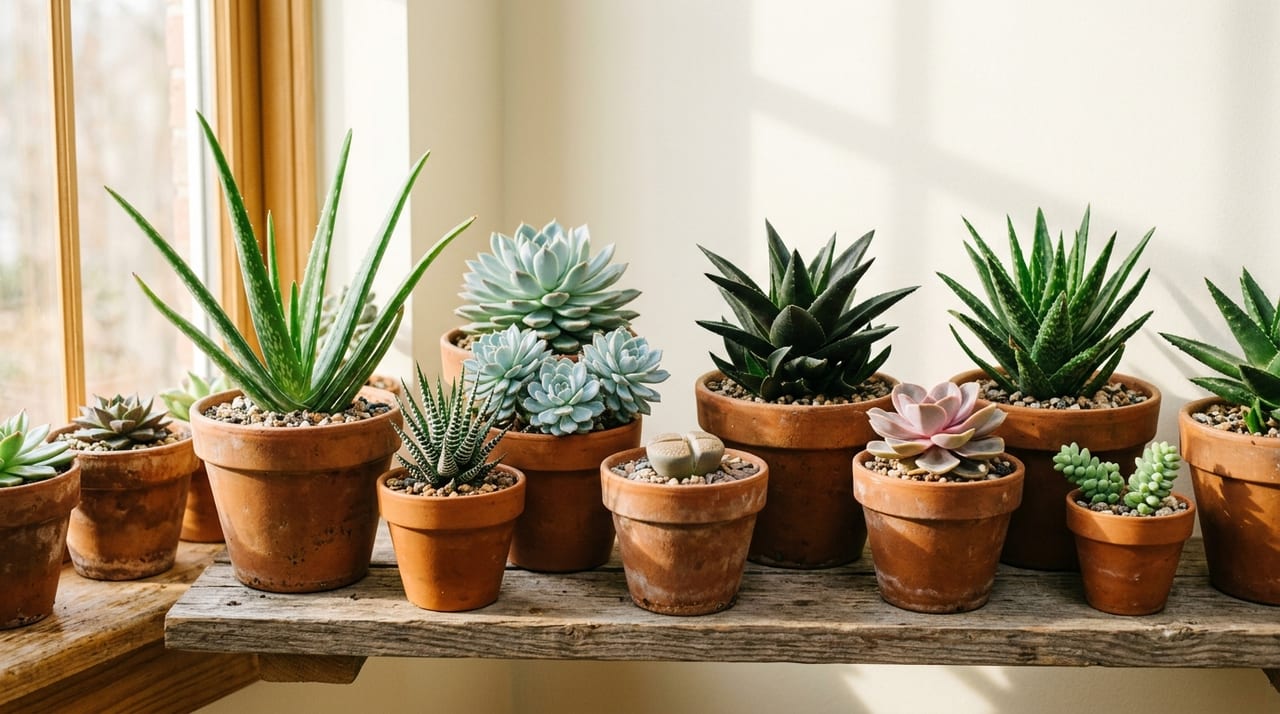
Aloe prefers sunlight and is best managed in bright outdoor locations or well-lit windowsills. Insufficient light can cause leaves to become elongated or lose their color and luster, so it's important to ensure the brightest possible environment.
Under intense direct summer sunlight, sudden exposure to outdoor conditions can cause leaf scorch. When moving from indoor to outdoor management, it is safe to acclimate gradually over several days—a process called "hardening off."
Watering Basics and Seasonal Care
Watering During the Growing Season (Spring to Autumn)
- The basic cycle is to water thoroughly several days after the soil surface dries out
- Since fleshy leaves store sufficient moisture, overwatering and resulting root rot is a greater risk than drought stress
Winter Watering
- Growth slows during winter when temperatures drop, so reduce watering frequency significantly
- Keeping the soil drier improves cold tolerance
- Especially for cold-sensitive varieties, it is safer to manage them indoors in bright, dry conditions during winter
Potting Soil and Repotting
Aloe requires well-draining soil. Commercial succulent and cactus potting mix, or custom mixes of red pumice, Kanuma soil, and perlite prioritizing drainage are suitable.
As the plant grows, roots expand to fill the pot, so repot approximately every 1–2 years. The best time for repotting is early spring when growth is most active. Gently loosen the root ball, remove damaged roots, and then plant in fresh soil.
Propagation: Offset Division
Most aloe varieties naturally produce "offsets (pups)" at the base of the parent plant. Here's how to grow new plants from offsets:
- Wait for the offset to reach a suitable size
- Separate the offset from the parent when it has developed some roots (this improves establishment)
- Let the cut dry for several days, then plant in a separate pot (this reduces the risk of rot)
Common Problems and Solutions
Root Rot
- Prolonged wet conditions cause root decay, leading to symptoms such as soft base and wilting leaves
- If detected, remove the plant, trim damaged roots, and repot in fresh, clean, dry soil
Scale Insects
- Scale insects may appear on leaf bases and undersides
- For minor infestations, remove them physically with a soft brush; for widespread infestations, use an appropriate insecticide
- Good air circulation helps prevent infestations
Flowering
Well-matured plants may produce tall flower stems with tubular flowers arranged in clusters at the tips when conditions are right. Plants managed outdoors or in bright sunlight tend to flower more readily, and flowering is a sign of a healthy plant. After flowering, cut the flower stem near the base to avoid stress on the plant.
Variety Selection and Growing Enjoyment
Aloe offers a wide range of varieties that can be chosen based on available space and personal preference.
- Large-growing varieties
- Compact varieties with small rosettes
- Varieties with white spotted leaf patterns
- Small species suitable for container gardens
For first-time aloe growers, starting with hardy, widely available common varieties makes care easier as you develop experience, then expanding to more unusual forms and patterns as your skills grow. For container gardens, combining varieties with similar watering preferences among other succulents simplifies management and makes them easier to grow.
Indoor and Outdoor Management
When managed outdoors in a bright, sunny location year-round, aloe tends to develop into a compact, sturdy plant. For balcony or other outdoor management, avoid locations with intense reflected heat in summer or where frost directly touches in winter; arrange pots so they can be moved as needed for easier management.
For indoor management, choose the brightest windowsill possible and ensure light reaches the plant through sheer curtains. Indoor spaces tend to have weaker air circulation than outdoors, so occasional window airing helps prevent excessive elongation and pest and disease issues.
Since aloe is drought-tolerant and requires minimal maintenance, it's recommended even for those growing succulents for the first time. With consistent attention to sunlight and drainage, you can enjoy strong, beautiful plants for years to come.