Succulent Plants Buying Guide | Tips for Purchasing Beautiful Specimens Online
Tips for purchasing succulents online. We explain how to assess condition through photos, the best seasons for purchasing, important notes on packaging and shipping, and care after arrival.
Key Takeaways
Tips for purchasing succulents online. We explain how to assess condition through photos, the best seasons for purchasing, important notes on packaging and shipping, and care after arrival.
Related Species
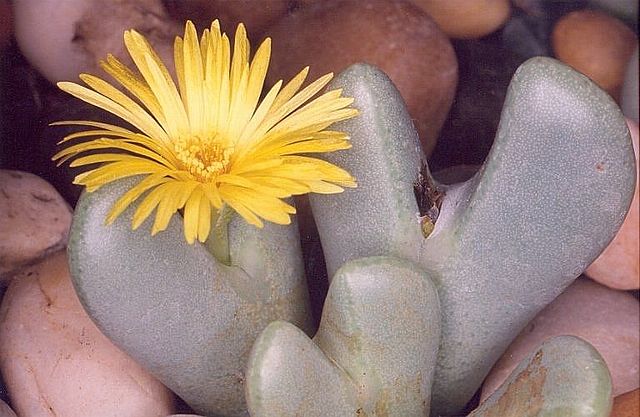
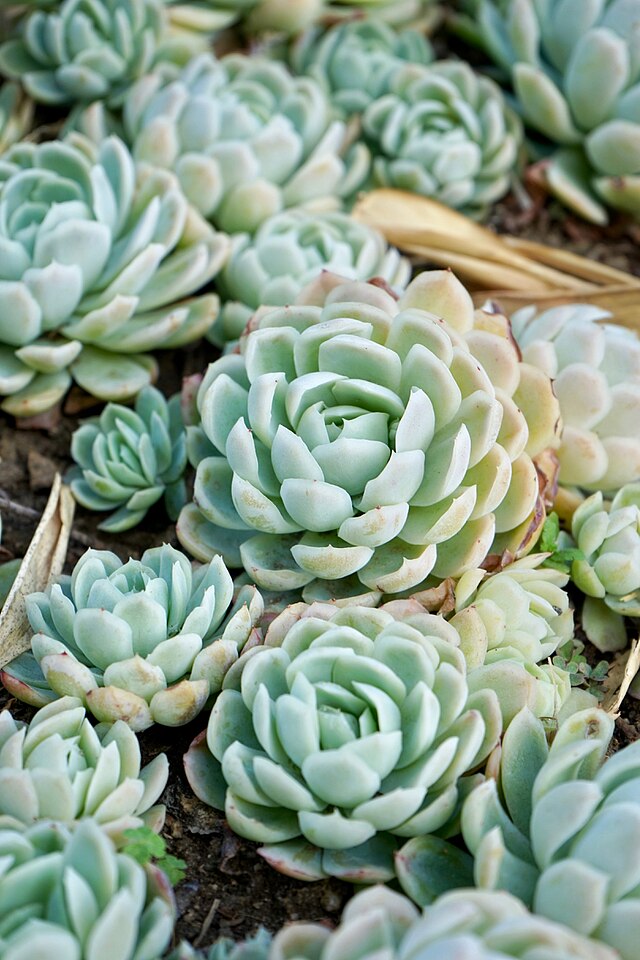
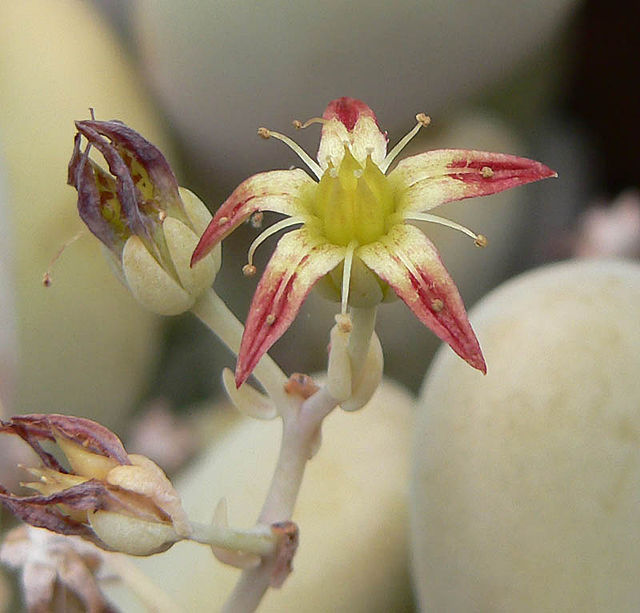
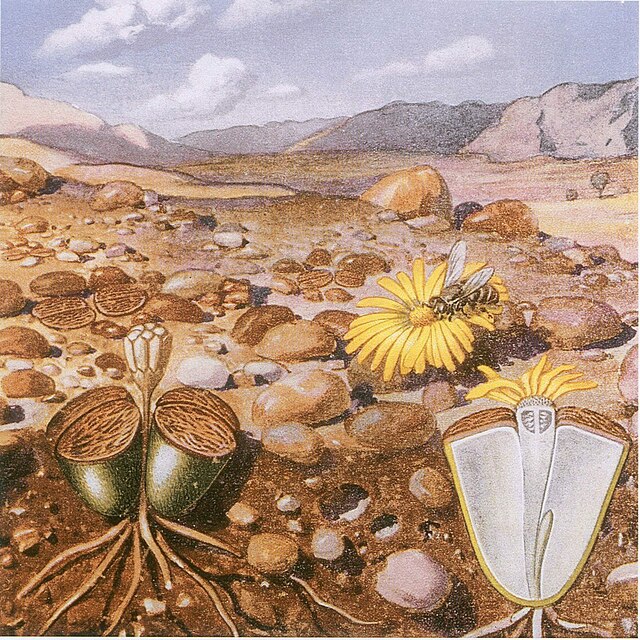
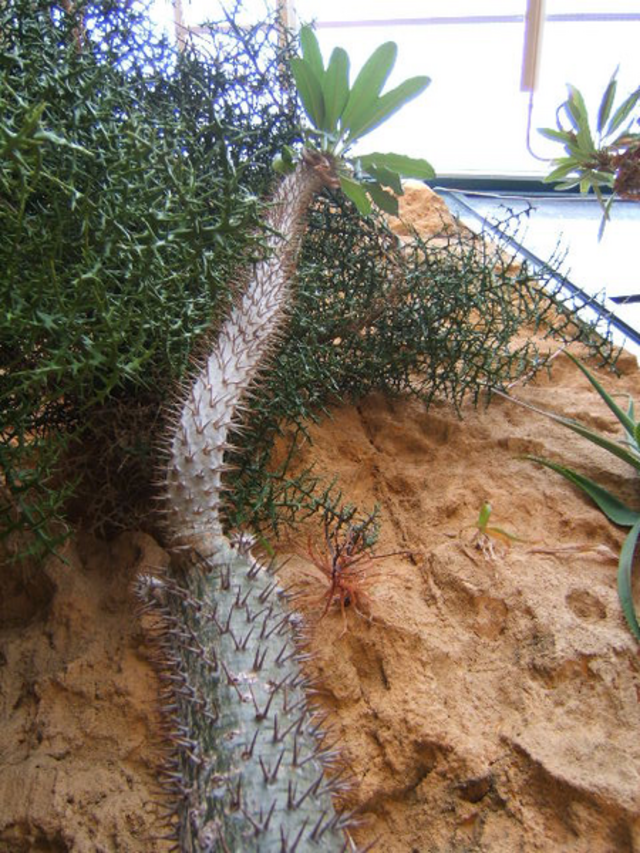
Succulents are beloved for their beautiful forms and diverse varieties, and online purchases are increasingly common. However, with online shopping where you can't hold the plants in your hands, knowing how to assess photos and choosing the right season are crucial. This guide provides detailed tips for obtaining beautiful succulents through online purchases.
Points to Check in Photos
In online shopping, photos are your primary tool for evaluation. Pay careful attention to the following points.
- Leaf Firmness: Plump, turgid leaves indicate adequate moisture content. Wrinkled or shriveled leaves may suggest underwatering or root problems.
- Natural Coloring: Photos may be edited or lit to appear more vibrant than reality. Check if natural light photos are available.
- Rosette Form: Check if the center is dense and compact. Verify that the plant is not etiolated (stretched from insufficient light).
- Lower Leaf Condition: Excessive lower leaf death may indicate root rot. Some leaf loss is natural.
- Soil Condition: Check for white mold and ensure the soil is not overly wet.
- Size Notation: Distinguish between pot size and plant size. Verify that measurements are given in centimeters (diameter).
If you have any questions, request additional photos or videos from the grower. Growers who respond willingly are trustworthy.
Best Seasons for Purchase
The ideal season for online purchase varies depending on the succulent's growth type.
Spring and Autumn Growers (Echeveria, Graptopetalum, etc.)
- Best: March–May, September–November: These are their growing seasons; they recover quickly from shipping stress.
- Avoid: Peak summer and winter.
Summer Growers (Agave, Pachypodium, etc.)
- Best: May–September: Their active growing season ensures vigor.
- Avoid: Winter. Plants are dormant, roots don't actively establish, and recovery from damage is slow.
Winter Growers (Lithops, Conophytum, etc.)
- Best: October–February: Their active growing season.
- Avoid: Summer. Complete dormancy makes shipping risky.
Overall, spring and autumn are the safest seasons to buy. Temperatures between 15–25°C (59–77°F) minimize temperature-related shipping risks.
Packaging and Shipping Considerations
If properly packaged, succulents are safe to ship online. Here are key points to verify:
- Bare Root or Potted: Bare root plants (roots dried) are lighter and less prone to shipping damage. Potted plants require protection against soil spillage.
- Individual Wrapping: Ideally, each plant is wrapped in tissue or newspaper so leaves don't touch each other.
- Summer Protection: Confirm that ice packs and breathable packaging are included to prevent moisture and heat buildup.
- Winter Protection: Hand warmers should be included to prevent freezing. Shipping should be avoided when minimum temperatures drop below 0°C (32°F).
- Shipping Time: Verify if the item will arrive the next day. If it takes 2+ days, risks from moisture and temperature increase.
Open the package immediately upon arrival. Leaving it sealed for long periods causes moisture buildup and damage.
Care After Arrival
Once your succulents arrive, follow these care steps:
- Unpack and Assess: Check for leaf damage and root condition. Take photos for reference.
- Dry Bare Root Plants: If roots are cut, dry them for 2–3 days in a bright, indirect location.
- Pot and Soil: Plant in well-draining succulent soil. Avoid burying too deeply.
- Initial Watering: Water lightly after 3–5 days once roots have settled. If new roots haven't appeared, wait 1+ week.
- Avoid Direct Sun Initially: Keep in bright, indirect light for the first week, then gradually acclimate to sunlight.
- Monitor Progress: Gradually transition to normal care over 2 weeks.
Note: Exposing plants to direct sun immediately after arrival can cause sunscald. Always allow an acclimation period.
Korean vs. Domestic Seedlings
The succulent market often discusses differences between Korean and domestic seedlings.
Korean Seedlings
- Extensive breeding programs produce new and hybrid varieties.
- Greenhouse cultivation produces vibrant colors and beautiful forms.
- Roots are trimmed during import, requiring careful root development management after arrival.
- Safe after quarantine clearance, but may take time to acclimate to Japan's climate.
Domestic Seedlings
- Grown in Japan's climate, so environmental adaptation is smooth.
- Often shipped with roots intact, making establishment easier.
- You can ask growers directly about growing conditions, making care more straightforward.
- Some varieties have less availability than Korean seedlings.
Domestic seedlings are recommended for beginners. They arrive rooted and pre-acclimated to Japan's climate, reducing failure risk. Try Korean seedlings after gaining experience with root establishment.
Advantages of Buying Succulents on GrowerDirect
GrowerDirect connects you directly with domestic succulent growers who meticulously cultivate their plants. Explore their growing practices and philosophy through profiles, and use messaging to easily ask about variety characteristics and care methods. Payment is arranged directly with the grower, so you can agree to pay after inspection, and there are responsive solutions if the condition is not as expected. If you're seeking beautiful succulents, find your ideal specimen on GrowerDirect.