Complete Care Guide for Cotyledon (Kumadoroji) | Protecting Fine Hairs, Summer Care, and Leaf Propagation Methods
A detailed guide to caring for Cotyledon tomentosa (Kumadoroji). This practical guide for beginners covers how to maintain the fleshy, claw-like leaves covered in silvery fine hairs, summer care strategies for winter-type succulents and proper watering timing, gentle watering methods that protect delicate hairs, and propagation through stem and leaf cuttings.
Key Takeaways
A detailed guide to caring for Cotyledon tomentosa (Kumadoroji). This practical guide for beginners covers how to maintain the fleshy, claw-like leaves covered in silvery fine hairs, summer care strategies for winter-type succulents and proper watering timing, gentle watering methods that protect delicate hairs, and propagation through stem and leaf cuttings.
Related Species
Cotyledon (Kumadoroji)
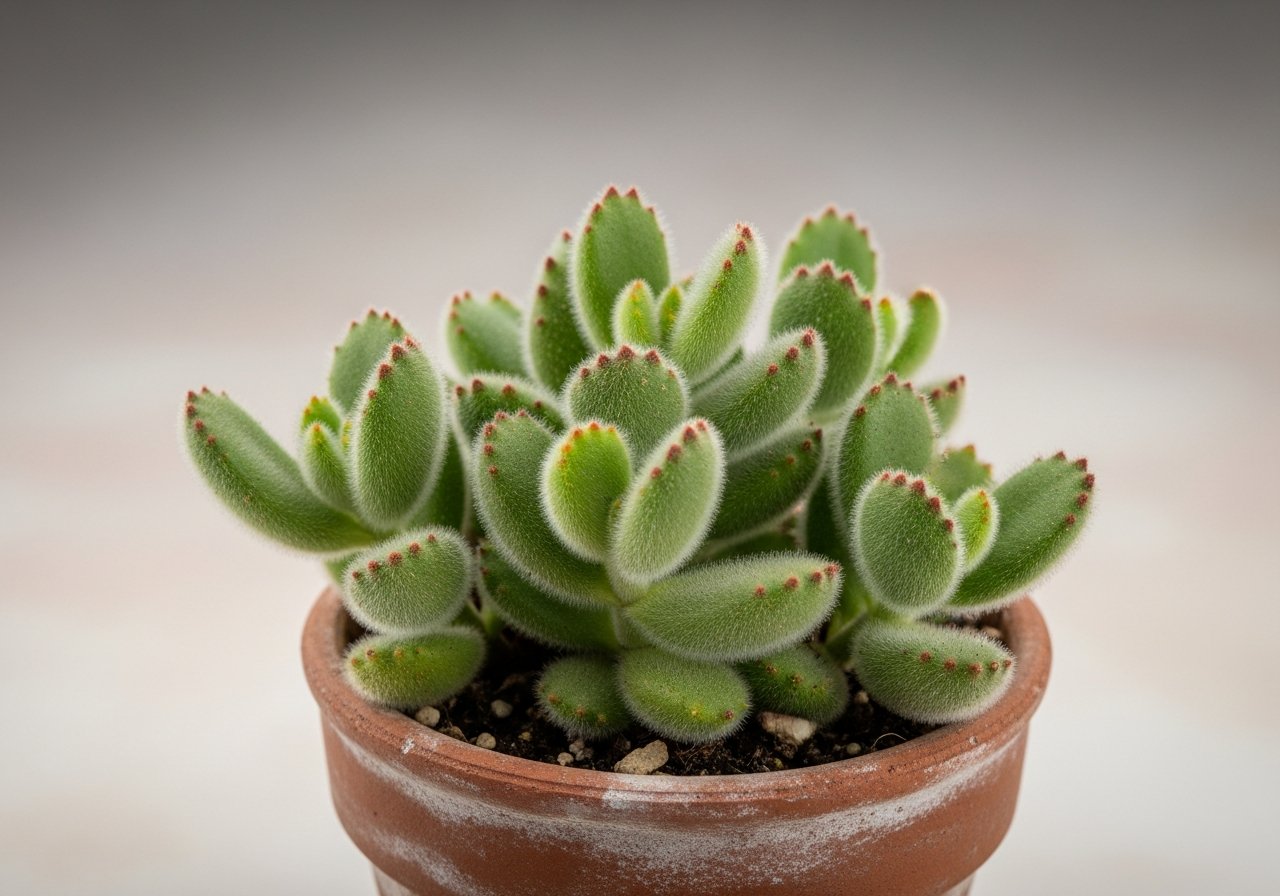
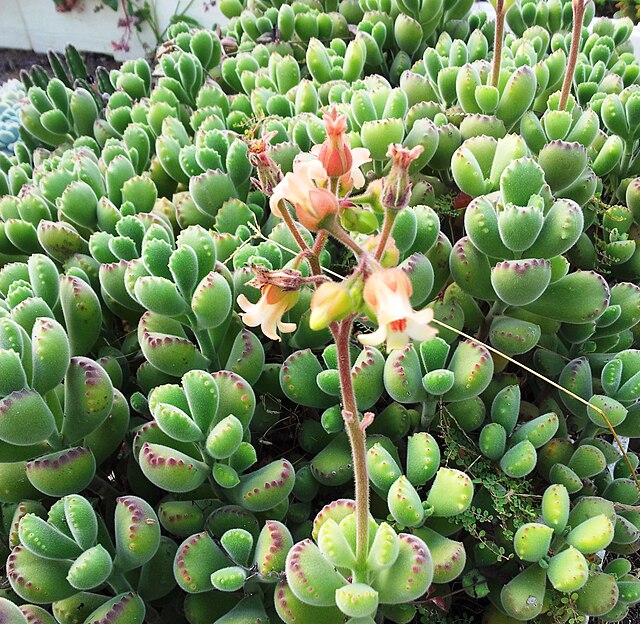
Cotyledon tomentosa, commonly known as Kumadoroji, is a succulent in the Crassulaceae family, genus Cotyledon, native to South Africa. The name comes from the resemblance of its fleshy, rounded leaves with reddish claw-like projections at the tips to the paws of a bear. Its charming appearance and relatively easy care make it a popular beginner succulent.
The leaves are covered with fine white hairs, giving them a velvety texture. In autumn, it produces bell-shaped orange-red flowers, enhancing its ornamental value. Growth is slow, and mature plants reach approximately 30–40 cm in height.
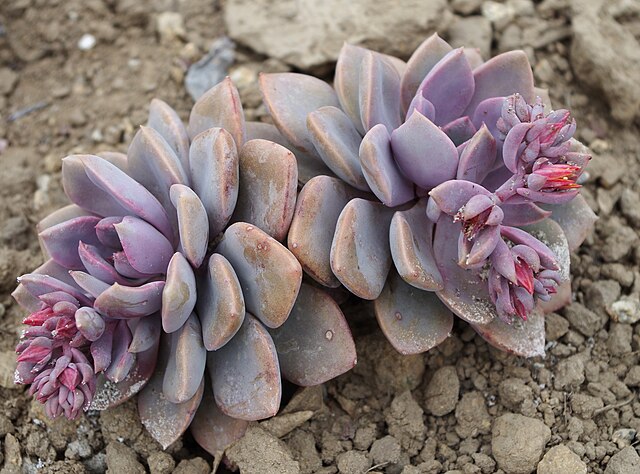
Related species in the same genus include 'Hakumei,' 'Fukumusume,' and 'Ginnami-nishiki,' as well as the closely related variety 'Kumadoroji (Shirouma)' with more pronounced white hairs. However, Kumadoroji (C. tomentosa) is the most widely available and easiest to obtain.
Basic Care and Placement
Kumadoroji prefers bright light and good air circulation. Cotyledon species are "winter-type" (autumn-to-spring type) succulents that grow vigorously from autumn to spring and enter semi-dormancy in summer.
Growing Season (Autumn–Spring)
- Outdoor direct sunlight is ideal
- During the pleasant seasons of spring and autumn, it grows vigorously when cultivated outdoors
- During the rainy season and prolonged rainfall, move it under shelter away from rain
Dormancy Period (Summer) During midsummer, it enters semi-dormancy, requiring shade (30–50% shade cloth) and adjusted care. Intense direct sunlight can scorch the leaves, so move it to a bright, shaded location.
| Season | Care |
|---|---|
| Spring (Mar–May) | Outdoors, direct sunlight, active growth |
| Summer (Jun–Aug) | Partial shade, minimal watering, good air circulation |
| Autumn (Sep–Nov) | Outdoors, direct sunlight, peak season |
| Winter (Dec–Feb) | Indoors above 5°C, ensure light |
Watering and Fine Hair Protection
Watering varies significantly by season.
Autumn–Spring (Growing Season) Water thoroughly when the soil is completely dry, until it drains from the pot's drainage hole. Follow a cycle of watering when dry. As a general guideline, water approximately once every 1–2 weeks during periods of clear weather.
Summer (Dormancy Period) Water sparingly, approximately once every 2–3 weeks, and only in the cool evening hours. Overwatering during the hot season when roots are weakened can easily lead to root rot.
Tips for Watering Without Damaging the Fine Hairs Water accumulating on the fine hairs can cause rot and leaf discoloration. Always water at the base of the plant (the soil). Avoid showering the leaves from above or misting them directly.
Soil and Pot Selection
Well-draining soil is essential. Excessive organic matter increases the risk of root rot.
Recommended Mix
- Akadama (small grade) 40%
- Kanuma soil 30%
- Pumice or perlite 20%
- Leaf mold (small amount) 10%
Commercial succulent or cactus soil is acceptable, but adding 20–30% pumice or volcanic soil will further improve drainage. Terracotta pots are recommended as they resist root rot better. Terracotta allows excess moisture to evaporate through the pot walls.
Important Note: Pet Safety
Cotyledon species are reported to contain compounds (similar to cardiac glycosides) that may be harmful to dogs and cats. Keep the plant out of reach to prevent accidental ingestion. If accidental ingestion is suspected, consult a veterinarian immediately.
Fertilizing and Reshaping Through Stem Cuttings
Fertilizer During the growing season (autumn–spring), apply slow-release fertilizer once every 2–3 months or diluted liquid fertilizer approximately once per month. Do not fertilize in summer. Excessive fertilizer can lead to etiolation (stretched growth), so use sparingly.
Stem Cuttings (Reshaping) Over time, Kumadoroji can lose lower leaves, becoming sparse, or become etiolated. It can be reshaped using stem cuttings.
- Cut the stem at a healthy point with clean scissors
- Allow the cut end to dry in shade for 3–5 days
- Insert into dry succulent soil
- Begin light watering after 1–2 weeks
- Resume normal care once roots develop
New growth often emerges from the lower portion after cutting, allowing you to propagate one plant into two.
Pest & Disease Management and Common Questions
Scale Insects They commonly appear at leaf bases and stem crevices. Remove them with a cotton swab dipped in alcohol. If you use a pesticide, check the label for one registered for scale insects.
Root Rot Overwatering in summer is the primary risk. Prevention is key. If symptoms appear (loose plant, blackened base), early repotting is essential for recovery.
Claw Tips Dropping This can be caused by intense light, drought, or insufficient watering. Proper watering and shade usually promote recovery.
Seasonal Care Calendar
Here is a seasonal care summary for year-round healthy growth of Kumadoroji.
| Month | Main Tasks | Watering Frequency |
|---|---|---|
| Jan–Feb | Indoor overwintering, ensure light | 1–2 times per month |
| Mar–Apr | Move outdoors, repot as needed | Once per week |
| May–Jun | Active growth, begin fertilizing | 1–2 times per week |
| Jul–Aug | Provide shade, minimal watering | Once every 2–3 weeks |
| Sep–Oct | Resume growth, flowering period | 1–2 times per week |
| Nov–Dec | Prepare for indoors, stop fertilizing | Twice per month |
Summer is the most critical period for Kumadoroji care. During the rainy season and summer heat, pay careful attention to watering and pot placement. Once autumn arrives and temperatures drop, the plant resumes vigorous growth. Providing adequate nutrition during the autumn growing season results in a more robust plant the following year.
Appeal and Where to Source Kumadoroji
Cotyledon (Kumadoroji) is beloved by growers from beginners to collectors, both for its charming appearance and ease of care, as well as for rare variegated and monstrosa forms. In mixed plantings, pairing it with rosette-type succulents like Graptopetalum creates beautiful textural and color contrasts between the fine hairs and the rosette forms.
What to Look for When Purchasing
- Is the plant evenly covered with fine hairs? (Sparse coverage suggests poor care history)
- Are the claw tips intact?
- Is the stem thick with compact internodes? (Not etiolated?)
- Are there no signs of rot or discoloration on the base or leaves?
Purchasing from growers or succulent specialists allows you to inspect the plant's condition and receive care advice. For rare variegated or monstrosa varieties, consulting a specialist grower is recommended. Starting with a well-grown, healthy specimen from a grower allows you to develop a plant you can enjoy for years to come.
When you source a vigorous specimen from a grower in autumn, you may enjoy delicate orange flowers that same season. Among succulent enthusiasts, autumn flowering is the most anticipated time of year. The combination of soft, hairy foliage and vibrant orange blooms is truly a sight to behold. The contrast between its quiet green foliage during most of the year and the brilliant display in autumn is one of Kumadoroji's greatest charms, and cultivating it allows you to experience this seasonal delight year after year.