Complete Dyckia Care Guide | Thorough Explanation of Watering, Light, Soil, Fertilizer, and Propagation
Complete guide to caring for Dyckia (*Dyckia*). We've compiled detailed information on Dyckia's characteristics as a Bromeliaceae succulent, including light management, watering frequency, optimal soil mixes, fertilizing, division, and propagation—useful for beginners and advanced growers alike.
Key Takeaways
Complete guide to caring for Dyckia (*Dyckia*). We've compiled detailed information on Dyckia's characteristics as a Bromeliaceae succulent, including light management, watering frequency, optimal soil mixes, fertilizing, division, and propagation—useful for beginners and advanced growers alike.
Related Species
What is Dyckia
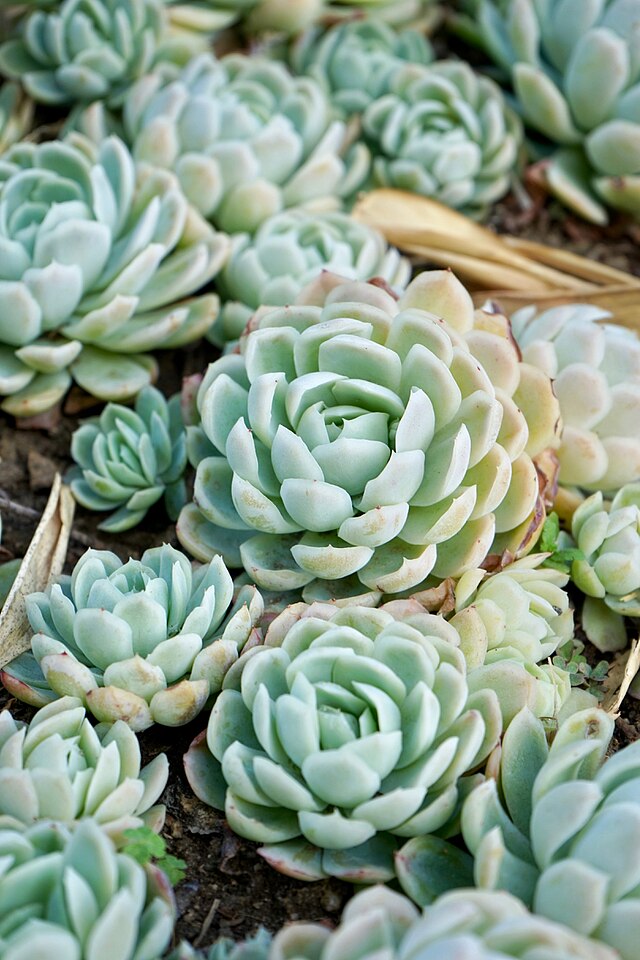
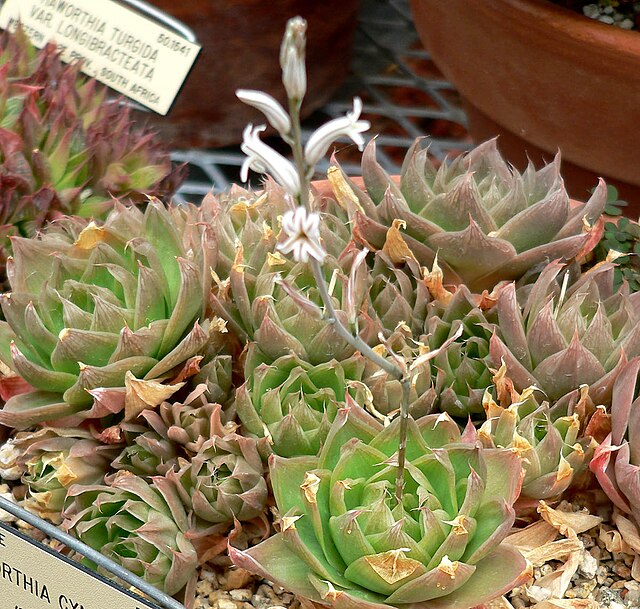
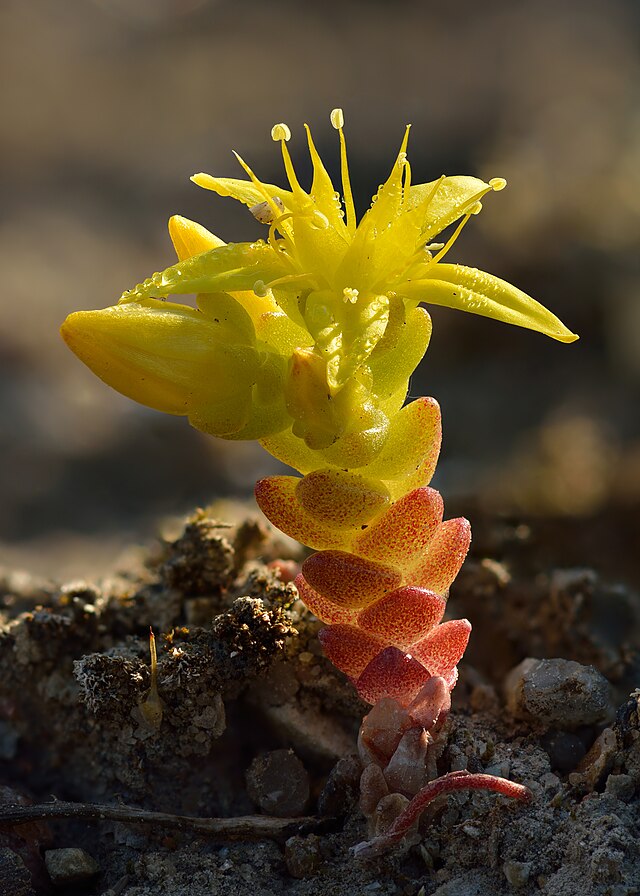
Dyckia (Dyckia) is a succulent plant in the Bromeliaceae family (pineapple family) native to South America, primarily central and southern Brazil. Though belonging to a different lineage than cacti and caudex plants, its strong spines, fleshy leaves, and high drought tolerance have made it widely appreciated among succulent enthusiasts. While Dyckia belongs to a different family from Echeveria and Haworthia, the management principles—prioritizing sunlight and drainage—are similar, and many collectors add one to their succulent collection.
Key Characteristics
- Leaf Form: Rigid leaves arranged in a rosette pattern with sharp spines along the leaf margins
- Size: Wide range from small varieties (10 cm diameter) to large varieties (60+ cm diameter)
- Flowers: Red, orange, or yellow spike-like inflorescences appear in spring through summer
- Reproduction: Numerous offsets (runners) emerge after flowering
- Resilience: Tolerant of drought, strong light, and wind. Watch for excessive moisture and cold temperatures
Popular Varieties
| Variety | Characteristics | Difficulty |
|---|---|---|
| D. marnier-lapostollei | Silver-white foliage, compact rosette | Intermediate |
| D. brevifolia | Small, green leaves, sparse spines | Beginner |
| D. fosteriana | Purple-red tinged leaves, medium size | Intermediate |
| D. platyphylla | Large, green leaves with white bands | Intermediate to Advanced |
| Hybrid varieties | Diverse leaf colors and forms | Varies by variety |
Light Management
Outdoor Cultivation (Ideal)
Dyckia is a plant that loves intense light. Outdoors, 6–8+ hours of direct sunlight daily is ideal.
- Spring (Mar–May): Grow in full sun
- Summer (Jun–Aug): On days exceeding 35°C, use 20–30% shade cloth. If below 35°C, direct sun is fine
- Autumn (Sep–Nov): Grow in full sun
- Winter (Dec–Feb): Full sun. Move indoors if temperatures drop below the cold hardiness limit (5–8°C)
Red-tinged foliage (coloration) results from sufficient light and day-night temperature variation—this is not stress but rather a sign of beautiful coloring.
Indoor Cultivation
Indoor cultivation's main challenge is securing adequate light.
- South-facing windowsills (where direct sun reaches)
- Plant growth LED (full spectrum, 50W equivalent or higher) for 12–14 hours daily
- Insufficient light causes etiolation (elongated leaf spacing, weak spines)
Watering Management
Though Dyckia is in the Bromeliaceae family, it does not suit the typical bromeliad method (water pooling in rosette centers). Manage it like common succulents such as Sedum.
Spring and Autumn (Growing Season)
March–May and September–November are the most active growing periods.
- Frequency: 3–4 days after the soil dries completely
- Amount: Water thoroughly until it drains from the bottom
- Guideline: Once weekly to once every 10 days
Summer (High Temperature Season)
Growth may slow in summer. Manage carefully to avoid overwatering.
- Frequency: 5–7 days after the soil dries
- Note: Avoid midday watering; water in early morning or evening
Winter (Dormancy)
Growth nearly halts below 10°C.
- Frequency: Approximately 2–3 times per month (water only after soil has been completely dry for 2–3 days)
- Note: Below 5°C, water sparingly or withhold water
Soil Mix Composition
Use soil mix prioritizing drainage and aeration above all.
Basic Mix
Hinado soil (fine grain) : Pumice (small) : Red volcanic clay (small) = 5:3:2
Or
Hinado soil : Pumice = 6:4 (simpler and easier to manage)
Using Commercial Mixes
Starting with commercial succulent/cactus potting soil, add 30–40% Hinado soil or pumice to improve drainage.
Pot Selection
- Terra cotta (unglazed) pots: High breathability, reduced root rot risk
- Plastic pots (black): Heat up easily, advantageous during growing season
- Choose pots with multiple drainage holes
Fertilizing
Fertilize during the growing season (spring and autumn).
Types and Amounts
- Liquid fertilizer: Dilute Hyponex solution 1000–2000× and apply 1–2 times per month
- Slow-release fertilizer: Mix Magamp K (small pellets) into soil (when repotting in spring)
- Avoid excess: Overfertilizing causes etiolation
No Fertilizing in Summer or Winter
During high-temperature and dormant periods, roots absorb fertilizer poorly and burn risk increases.
Repotting Method
The best time to repot is March–May. Repot when roots emerge or every 2–3 years.
Steps
- Stop watering for one week to dry the soil
- Note: Wear heavy-duty gloves—the spines are sharp
- Remove the plant from the pot and gently remove old soil
- Remove old roots (brown and hardened) with clean scissors
- Apply fungicide to cut root ends
- Pot in fresh soil mix
- Hold off watering for 3–5 days after repotting
Propagation (Offsets and Seed Sowing)
Propagation via Offsets (Runners)
After flowering, Dyckia extends runners (stolons) that produce numerous offsets.
- Separate offsets once they reach 3–5 cm diameter
- Cut runners at the base
- Let dry for 1–2 days, then plant in soil
- Keep in bright shade until rooted (1–2 months)
Seed Propagation (Seed Sowing)
Dyckia seeds can be collected through hand pollination.
- Best sowing time: May–August (germination temperature 25–30°C)
- Soil: Fine red volcanic clay + perlite
- Management: Keep moist via bottom watering until germination
- Germination: Sprouts appear in 1–2 weeks
Seedlings take 2–5 years to mature.
Pest and Disease Management
Scale Insects
White powdery or waxy insects appear at leaf bases. Remove them by rubbing with a toothbrush or cotton swab. If you use a pesticide, check the label for one registered for scale insects.
Spider Mites
Common in dry, high-temperature periods. Spray leaf undersides with water to prevent. Use mite-specific insecticide if they appear.
Root Rot
Occurs from overwatering combined with cold. Remove rotted roots, apply fungicide, dry thoroughly, and repot in fresh soil.
Summary
As long as you maintain "strong light," "regular watering (bottom watering acceptable during growing season)," and "good drainage," Dyckia is extremely hardy and easy to grow. Beginners should start with the small D. brevifolia, then work up to hybrid or large rare varieties. The ability to propagate freely from post-flower offsets is also appealing. The spiky, robust leaf form offers a striking presence quite different from softer-textured succulents like Haworthia, making it ideal for collectors wanting variety. GrowerDirect's online catalog features Dyckia and related succulents grown by local growers, so explore the listings if you find a plant of interest.