Complete Guide to Growing Kalanchoe tomentosa (Panda Plant) | Tips for Keeping Fuzzy Leaves and Edge Markings Beautiful
Kalanchoe tomentosa (Panda Plant), popular for its leaves covered with fuzzy hairs that resemble rabbit ears. This guide explains how to care for it, including placement, watering, soil, and propagation methods, while keeping its fuzzy leaves and leaf-tip markings beautiful.
Key Takeaways
Kalanchoe tomentosa (Panda Plant), popular for its leaves covered with fuzzy hairs that resemble rabbit ears. This guide explains how to care for it, including placement, watering, soil, and propagation methods, while keeping its fuzzy leaves and leaf-tip markings beautiful.
Related Species
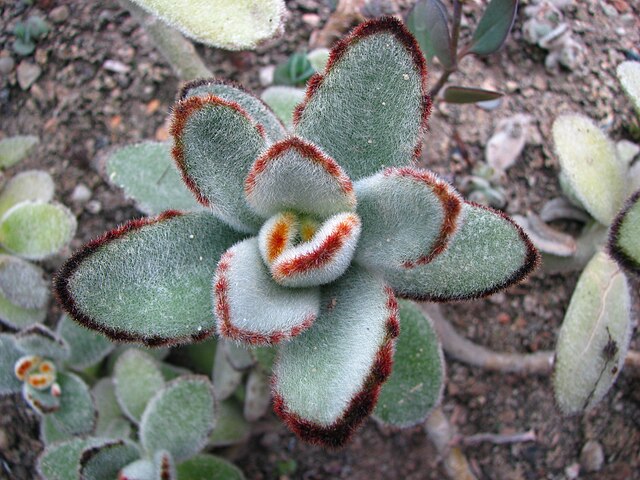
Panda Plant (Kalanchoe tomentosa, Kalanchoe tomentosa) is a succulent plant of the genus Kalanchoe in the family Crassulacaceae, native to Madagascar. Its soft fuzzy hairs covering the entire leaf surface and burnt-brown spot patterns lining the leaf tips are distinctive features, and the fluffy, rabbit-ear-like texture can be enjoyed with each touch. While it is said to be easy to grow even for beginners, keeping the beauty of the fuzzy hairs and the vibrancy of the spot markings requires grasping several key points. This article provides detailed explanations of management methods to grow Panda Plants vigorously while bringing out their unique texture and patterns to the fullest.
Characteristics and Charm of Panda Plants
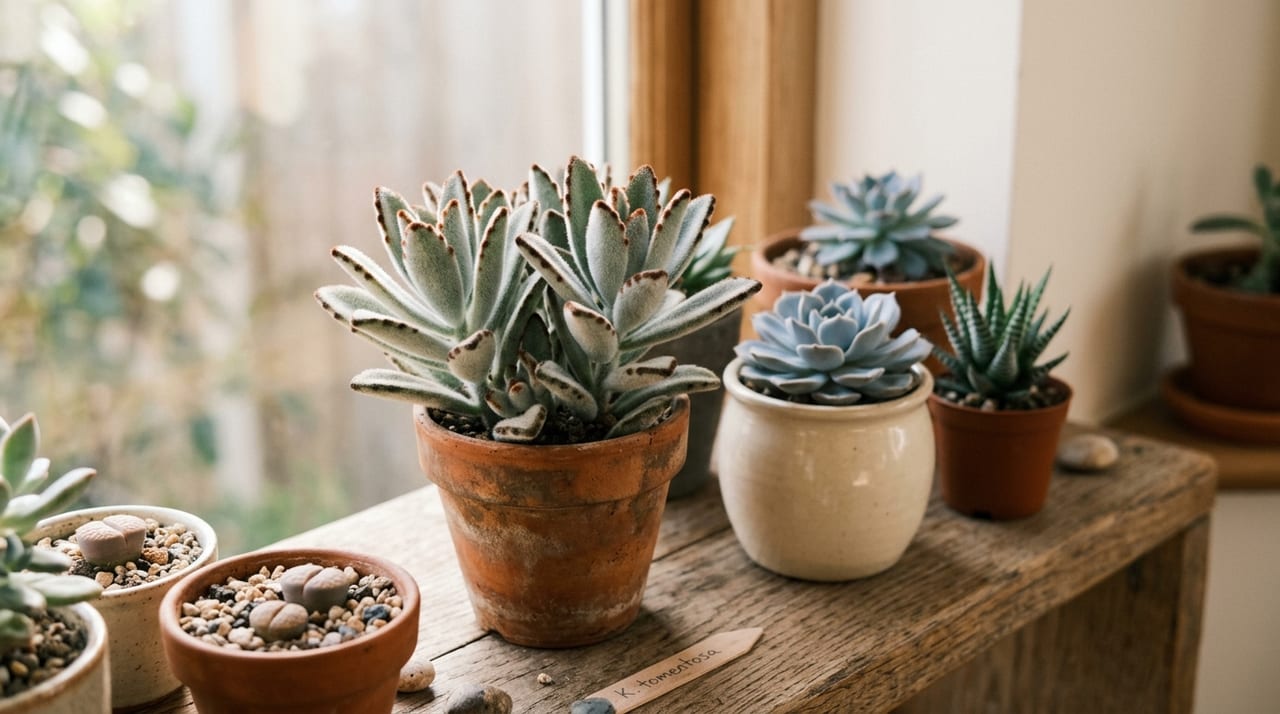
What gives Panda Plants their special presence among succulents is the silvery-white fuzzy hairs covering the leaf surface. These fuzzy hairs (trichomes) glimmer when lit and their appearance changes depending on the viewing angle. The reddish-brown to burnt-brown spots (margin spots) at the leaf tips are, in a sense, this plant's trademark, and the fact that their color intensity changes with light and temperature differences is one of the pleasures of growing them.
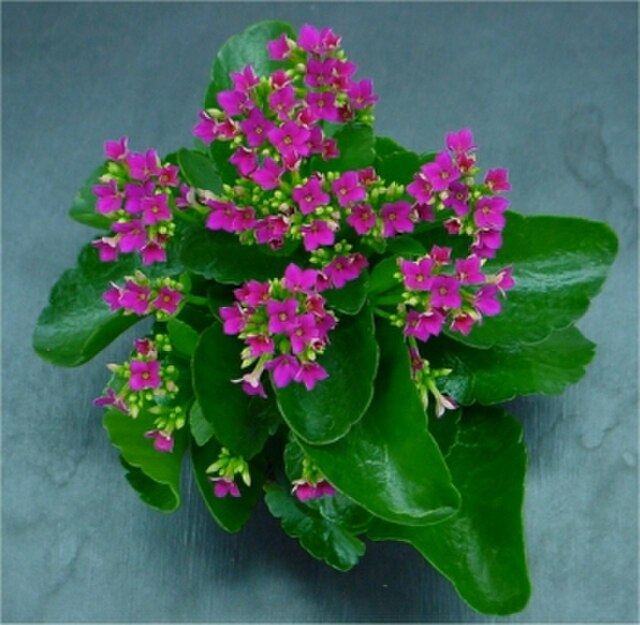
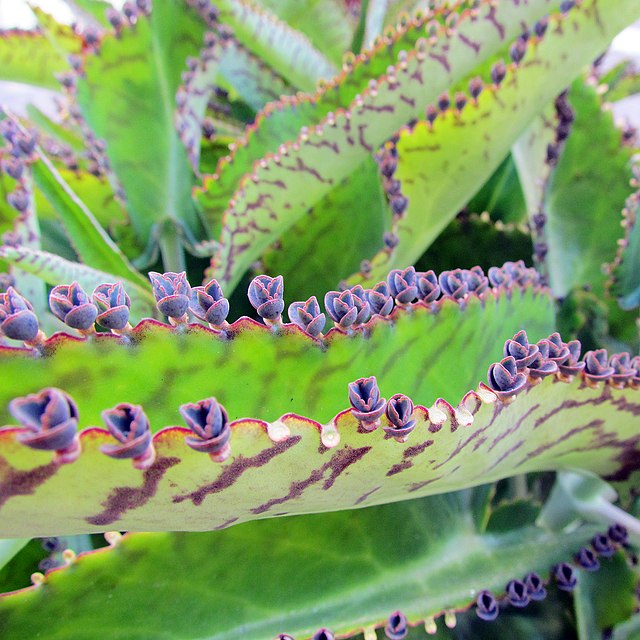
As it grows, the stems become woody and extend upright. If left unattended, it takes on a shrubby form with multiple branches, and you can also maintain a compact, well-rounded shape through pruning. The genus Kalanchoe includes many distinctive species, such as Mother of Thousands, which produces many offsets along the leaf margins, and by understanding the diversity of the Kalanchoe group as a whole, you can enjoy Panda Plants even more deeply.
Placement and Light Management
Panda Plants are very light-loving plants. By ensuring sufficient light, the spots on the leaf margins develop deep, distinct colors, and the density of the fuzzy hairs is maintained. Conversely, in low-light environments, the stems tend to become leggy and elongated, the fuzzy hairs become thin, and the spot colors tend to fade.
When growing outdoors, an ideal location is one with good air circulation and protection from rain. Fuzzy-haired leaves tend to retain moisture, and if rainwater remains on them without drying, it can cause rot and decay. Choose a location such as under an eave or simple rain cover where direct sunlight is secured but the plant is protected from rain.
When growing indoors, the key is to place it on a bright windowsill where direct sunlight enters, rather than behind sheer curtains. However, if you suddenly expose plants that have been kept indoors for a long time to strong outdoor direct sunlight, they may develop sunburn, so gradually acclimate them by increasing light over several days.
Watering and Soil Selection
Good drainage in soil is the top priority. Mixing lightweight lava rock or perlite into commercial succulent potting soil to a ratio of 20-30% further improves drainage and reduces the risk of root rot. Choosing pots with good breathability and drainage, such as terracotta pots or perforated ceramic pots, makes management easier.
The basic principle of watering is "water thoroughly only after the soil has completely dried out." Water generously until it drains from the pot's drainage holes, and before watering again, confirm that the soil is dry not only on the surface but also inside. Pay special attention to the following points:
- Do not water the leaves: If water droplets remain on the fuzzy hairs, they can cause rot and blackening. Water directly into the soil at the base of the plant.
- Always drain water from the saucer: If water accumulates for long periods, roots will rot. Empty the saucer within 30 minutes of watering.
- Manage with minimal watering in winter: Growth nearly stops during cold periods, so significantly reduce watering frequency. It is safe to water only once or twice per month with minimal amounts, or nearly withhold water entirely.
Seasonal Care and Fertilization
Adjusting management to match the Panda Plant's growth cycle is the key to keeping the plant healthy and beautiful for a long time.
Spring and autumn (growth period) are the seasons when growth is most vigorous. Place it in a well-lit outdoor location or windowsill and increase watering frequency. Apply a small amount of slow-release fertilizer or dilute succulent liquid fertilizer to at least twice the normal dilution and apply approximately once or twice per month. Avoid over-fertilizing, which can cause leggy growth and plant collapse, so keep fertilization minimal.
Summer (hot and humid season) is the season most challenging for Panda Plants. In high-temperature and high-humidity environments, rot develops easily, and root rot and leaf damage become more likely. Reduce watering frequency slightly and move the plant to a well-ventilated location with partial shade to prevent rot. If nighttime temperatures remain high, prioritize ensuring good air circulation.
Winter (cold period): It is recommended to bring the plant indoors before the minimum temperature drops below 5°C. Place it on a bright windowsill and allow it to rest with minimal watering. Heated rooms can become overly dry, so place the plant where air conditioner vents don't blow directly on it.
Propagation (Stem Cuttings and Leaf Cuttings)
Panda Plants can be propagated by both stem cuttings and leaf cuttings. Both methods have relatively high success rates and are easy for beginners to try.
Stem cuttings: Cut overgrown stems to about 5-10 cm in length, remove the lower 2-3 leaves, and then dry the cut end in a shaded, well-ventilated location for 2-3 days. Once dry, insert into clean succulent soil and keep in a bright location away from direct sunlight until roots develop. Before rooting, water very sparingly—only a small amount when the soil dries.
Leaf cuttings: Gently detach healthy leaves at the base (the trick is to remove them so the base remains on the leaf, not to tear them off), dry the cut end, and then place horizontally on soil. Position the leaf base so it lightly touches the soil, and maintain by misting the soil lightly. When successful, small shoots and roots will emerge from the base, but even if the original leaf dies, be patient and observe carefully.
For both methods, spring through early summer or autumn is when rooting is most likely to occur.
Pest Prevention and Daily Observation
The fuzzy-haired leaves of Panda Plants have a structure that makes it difficult for pests to establish, but scale insects can occur in poorly ventilated environments or indoors with prolonged dryness. If found, gently remove them with a soft toothbrush or tweezers, and if symptoms spread, use a pesticide appropriate for succulents.
Additionally, when stems become elongated and lower leaves fall, leaving only bare stems, it's a sign to prune. Cutting back overgrown stems to an appropriate point encourages lateral buds to emerge from below the cut, restoring a compact plant shape. The cut stems can be used directly for propagation, so you can increase your stock while pruning.
The most important thing in daily observation is the condition and color of the leaf fuzz. When fuzz becomes thin or leaves take on a yellowish tint, it often signals insufficient light or overwatering, which is the time to reconsider placement and watering habits. The fuzz and spot patterns of Panda Plants are, in a sense, a "barometer" that directly reflects the quality of care. By continuing careful observation and appropriate management, you can bring out the charm of this adorable plant for years to come.