Complete Guide to Choosing Soil and Pots for Succulents | Soil Ratios, Terracotta Pots & Plastic Pots
Learn how to select the ideal soil mix and pots for succulents. This guide covers soil component ratios—red pumice, volcanic rock, river sand—the differences in breathability and water retention between terracotta and plastic pots, and practical tips for choosing based on season, growing location, and plant type.
Key Takeaways
Learn how to select the ideal soil mix and pots for succulents. This guide covers soil component ratios—red pumice, volcanic rock, river sand—the differences in breathability and water retention between terracotta and plastic pots, and practical tips for choosing based on season, growing location, and plant type.
Related Species
Why Root Rot is the Biggest Problem with Succulents
The most common issue when growing succulents is root rot. In most cases, the cause stems from "poor choices in soil and pots." Many succulents originate from arid regions, and when their roots remain constantly wet, they suffocate and decay. Standard potting soil retains too much water and is unsuitable for succulents.
The right soil must have "excellent drainage and dry quickly"—this is non-negotiable. Ideally, soil should dry completely within 24–72 hours after watering. The pot material also significantly affects drying speed. Terracotta pots offer excellent breathability and are beginner-friendly, while plastic pots are lightweight and easier to manage. If you've already had plants become leggy, the Succulent Etiolation Recovery Guide is a helpful reference.
The combination of soil and pot determines watering frequency and root health. This article explains the ideal soil ratios for succulents, the characteristics of different pot materials, and how to adapt your choices to your growing environment.
Basic Soil Mix for Succulents
Issues with Store-Bought Succulent Soil
Many commercial products labeled "succulent soil" actually have poor drainage. Products with high percentages of peat moss or leaf mold retain too much moisture and increase the risk of root rot. Don't rely on packaging alone—always check the texture in person.
Quality succulent soil won't clump when squeezed; it should feel sandy and crumble easily. When watered, it should absorb quickly and drain immediately from the pot's drainage holes.
Golden Ratio for Homemade Soil Mix
The most versatile mix uses these proportions:
- Red pumice (fine grade): 40%
- Volcanic rock/Kanuma soil (fine grade): 20%
- Pumice stone (fine grade): 20%
- Charcoal: 10%
- Zeolite: 10%
Red pumice serves as the base, offering moderate water retention and breathability. Volcanic rock is acidic and drains well. Pumice stone increases drainage further. Charcoal promotes root activity and adjusts pH, while zeolite absorbs excess moisture and nutrients.
Adjusting Mixes by Species Type
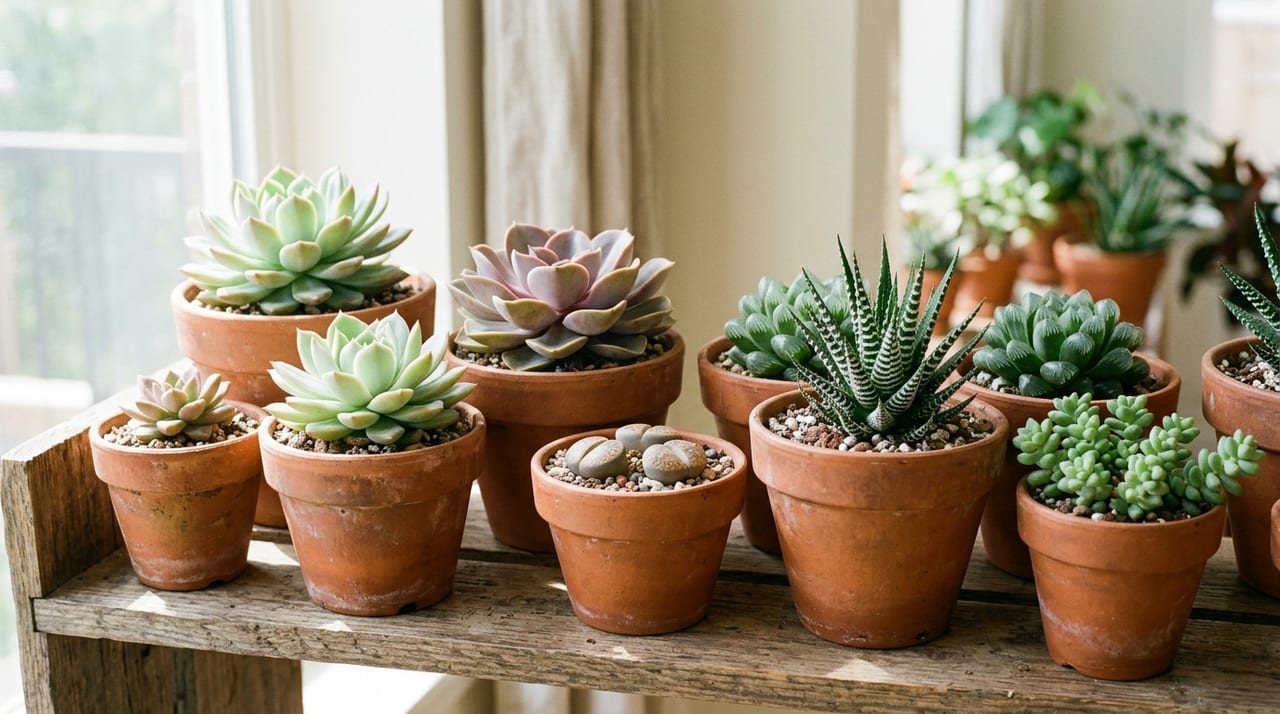
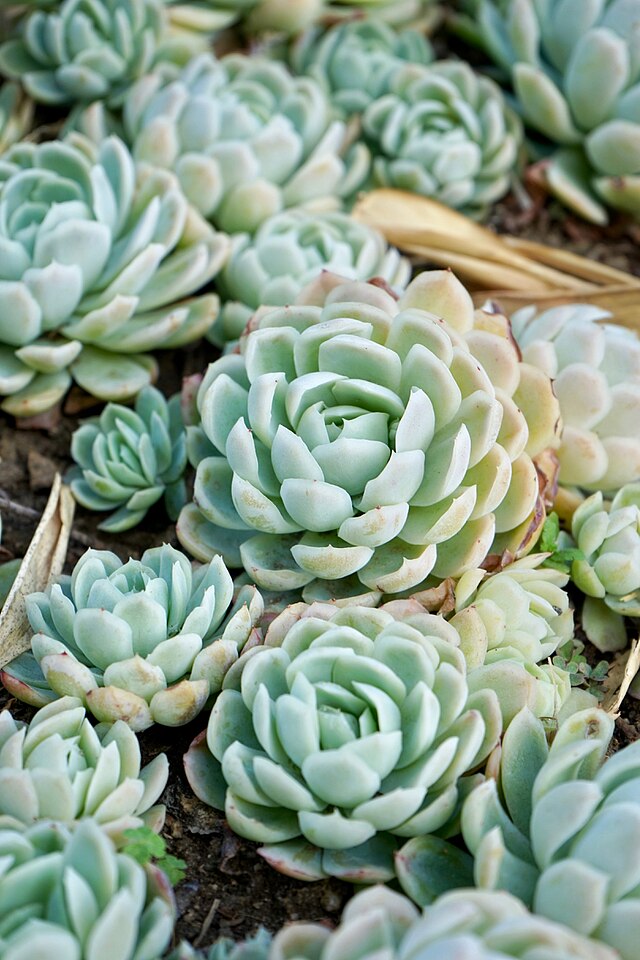
Echeveria & Sedum (thick-leaved types) Use the basic mix as-is. The soil surface should dry within 48 hours of watering.
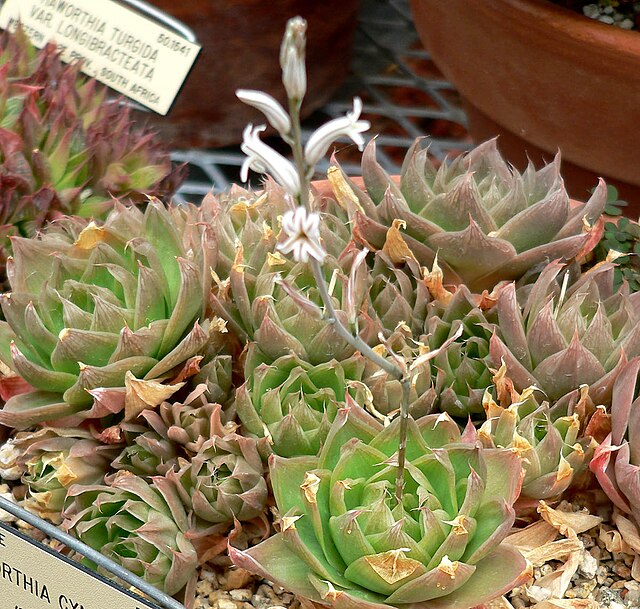
Haworthia (translucent window types) Increase red pumice to 50% and reduce pumice stone to 10%. This slight increase in water retention maintains the translucency of the windows.
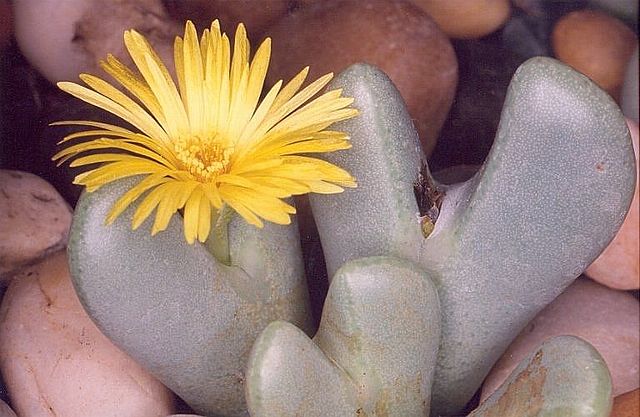
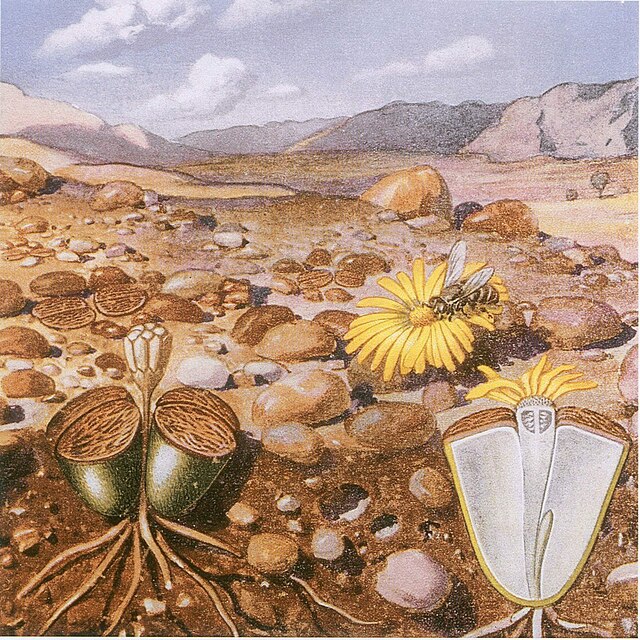
Lithops & Conophytum (stone-type succulents) Increase pumice stone to 40% and reduce red pumice to 20%. These require extremely fast drainage. Since they're prone to problems during the split/repotting stage, the Complete Lithops Care Guide will help reduce failures.
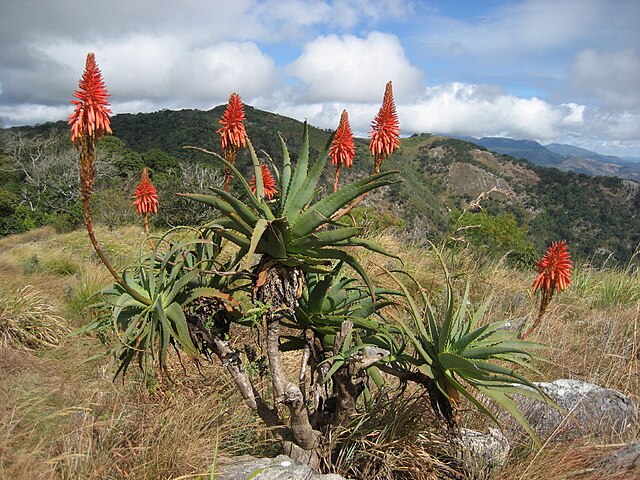
Agave & Aloe (large types) Add 20% river sand to the basic mix to increase weight and prevent tipping.
Pros and Cons by Pot Material
Terracotta Pots
Pros:
- Exceptional breathability; roots can "breathe" easily
- The pot itself absorbs and evaporates moisture, promoting faster drying
- Beginners are less likely to cause root rot
- Temperature changes are gradual
Cons:
- Heavy and difficult to move
- Breaks easily if dropped
- Salt deposits may form white streaks on the pot surface
- Risk of frost cracks in winter
Recommended Use: Ideal for first-time growers and those unsure about watering frequency. Great for outdoor growing, though indoor storage is necessary during winter. Details on winterizing are covered in the Succulent Winter Care Guide.
Plastic Pots
Pros:
- Lightweight and easy to move
- Inexpensive
- Wide variety of colors and designs
- Durable and resistant to breaking
Cons:
- Almost zero breathability
- Soil dries slowly, making watering management difficult
- Interior temperature rises in summer
- Root-bound plants may go unnoticed
Recommended Use: Best for balconies with good airflow and growers who are comfortable managing watering. Using a drainage-focused soil mix (more pumice) can approximate the environment of a terracotta pot.
Unglazed Clay Training Pots
Pros:
- Slightly more breathable than terracotta
- No glaze on the surface allows faster moisture evaporation
- Readily available through commercial suppliers
- Affordable
Cons:
- Plain appearance lacks decorative appeal
- White salt deposits are more visible
Recommended Use: Perfect for those prioritizing function over aesthetics and for large-scale growers. Many use these for propagation, then transplant into decorative pots.
Glazed Ceramic Pots
Pros:
- High aesthetic appeal; adds to interior décor
- Heavy with good stability
- Rich variety of colors and finishes
Cons:
- Low breathability (about 1/3 that of terracotta)
- Soil dries slowly; best for advanced growers
- Expensive
- Many models lack drainage holes (always choose ones with holes)
Recommended Use: Ideal for displaying succulents in living rooms, but watering requires careful attention. Add extra drainage material at the bottom and use a drainage-focused soil mix.
Optimal Combinations by Growing Environment
Indoors (Air-conditioned, average airflow)
Soil mix: Basic ratio Pots: Terracotta or unglazed clay Watering frequency: Spring/fall: every 7–10 days | Summer: every 5–7 days | Winter: every 2–3 weeks
Indoor humidity is more stable than outdoors, but poor airflow can slow soil drying. If air conditioning causes dryness, use a slightly more water-retentive mix (such as for Haworthia).
Balcony (Full sun, good airflow)
Soil mix: Basic ratio (summer: increase pumice to 30%) Pots: Plastic or terracotta Watering frequency: Spring/fall: every 5–7 days | Summer: every 3–5 days | Winter: every 2 weeks
Good airflow means plastic pots work fine. In summer, choose white or light-colored pots to prevent excessive heat buildup inside the pot. Bring plants indoors before storms.
Eaves (No direct rain, good airflow)
Soil mix: Basic ratio Pots: Terracotta or unglazed clay Watering frequency: Spring/fall: every 7–10 days | Summer: every 5–7 days | Winter: once monthly
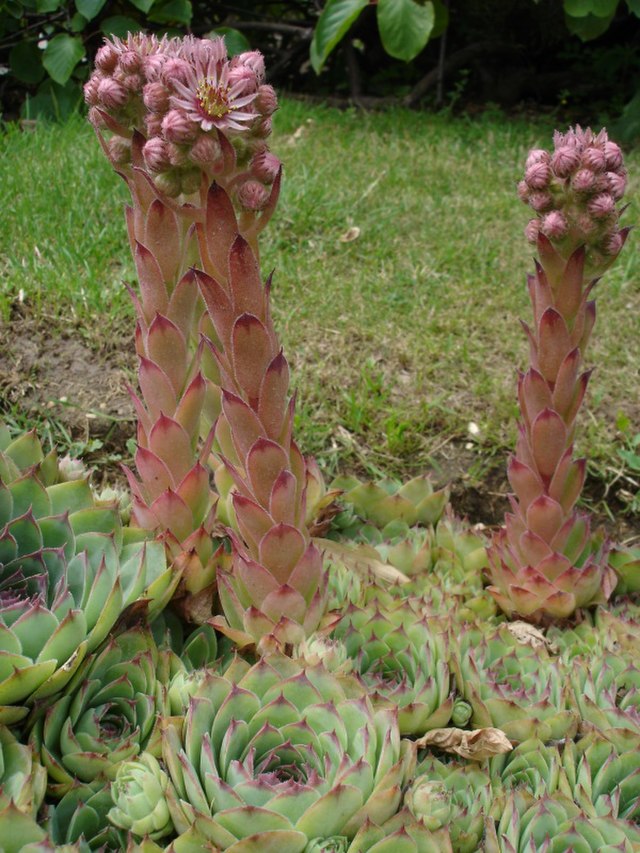
Since rain doesn't reach the plants directly, this is the easiest environment to manage. In winter, cold-hardy species (Sedum, Sempervivum) can overwinter outdoors if temperatures stay above freezing.
Greenhouse (Heated, controllable humidity)
Soil mix: Red pumice 50%, pumice stone 30%, charcoal 10%, zeolite 10% (slightly higher water retention) Pots: Plastic pots (for management efficiency) Watering frequency: Weekly, even in winter (to maintain growth)
Greenhouse conditions support year-round growth, so use a slightly more water-retentive mix to encourage growth. Plastic pots reduce effort when managing many plants.
Common Mistakes and Solutions
Mistake #1: Soil is still wet a week after watering
Cause: Soil mix retains too much water, or pot breathability is too low Solution: Increase pumice to 40% or switch to terracotta. If roots are already showing signs of rot (translucent leaves, soft stems), repot immediately and remove all rotted roots.
Mistake #2: Leaves are shriveled and don't recover even after watering
Cause: End-stage root rot or root-bound plant Solution: Remove the plant from the pot and inspect the roots. Cut away all blackened, rotted roots, keeping only healthy ones; repot in fresh soil. If all roots are dead, attempt propagation via leaf cuttings or beheading.
Mistake #3: Slow growth and signs of legginess
Cause: Nutrient-poor soil or insufficient light Solution: Mix in slow-release fertilizer (such as Magamp K) when repotting. While the soil mix itself is typically nutrient-free, feed diluted liquid fertilizer once monthly during active growth (spring and fall).
Mistake #4: Roots emerging from drainage holes
Cause: Root-bound plant Solution: Repot into a slightly larger pot. Since succulents have shallow, spreading roots, choose shallow pots with a larger diameter over deep ones. Repot in spring or fall, and avoid watering for a week after repotting.
Summary: Three Keys to Success
Soil and pot selection determine 80% of your succulent growing success. The fundamentals remain unchanged in 2026. Following these three principles will dramatically reduce failure, even for beginners.
1. Prioritize drainage when choosing soil Start with the basic mix—40% red pumice, 20% volcanic rock, 20% pumice stone, 10% charcoal, 10% zeolite—and adjust pumice ratios based on species and environment. When using commercial products, always select those explicitly labeled for succulents and cacti, and feel the texture in your hands first.
2. Beginners should start with terracotta pots Choose reliability over appearance. Terracotta's high breathability means you're far less likely to cause root rot, even if you miss the ideal watering time. As you gain experience, you can experiment with plastic or ceramic pots based on your conditions.
3. Adjust your combination to match your environment Even identical soil and pot combinations perform differently indoors versus on a balcony. Observe your growing environment (airflow, light, humidity) and find the combination where soil surfaces dry within 24–72 hours of watering—this is the key to long-term success.
Some trial and error is normal at first, but once you find the right combination, subsequent care becomes much easier. Succulents are fundamentally hardy plants; with proper soil and pot selection, anyone can grow them beautifully. If you're interested in cascading epiphytic types, the Complete Rhipsalis Care Guide is worth checking out.