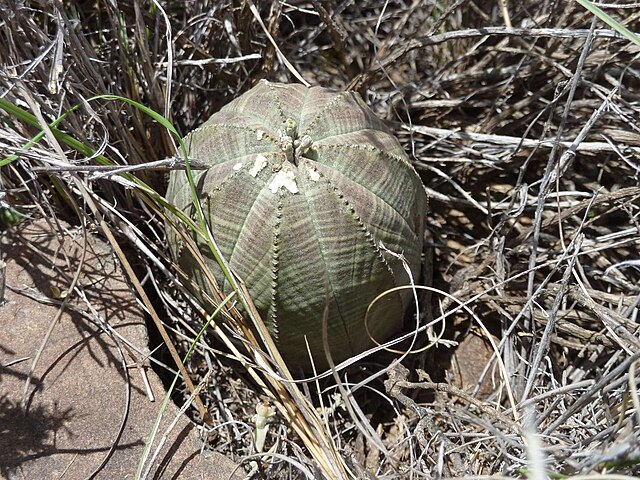
Source: Wikimedia Commons
Baseball Plant
IntermediateEuphorbia obesa
A ball-shaped succulent that looks like a cactus but belongs to the spurge family. It rots easily, so water only once the mix has dried out completely.
About
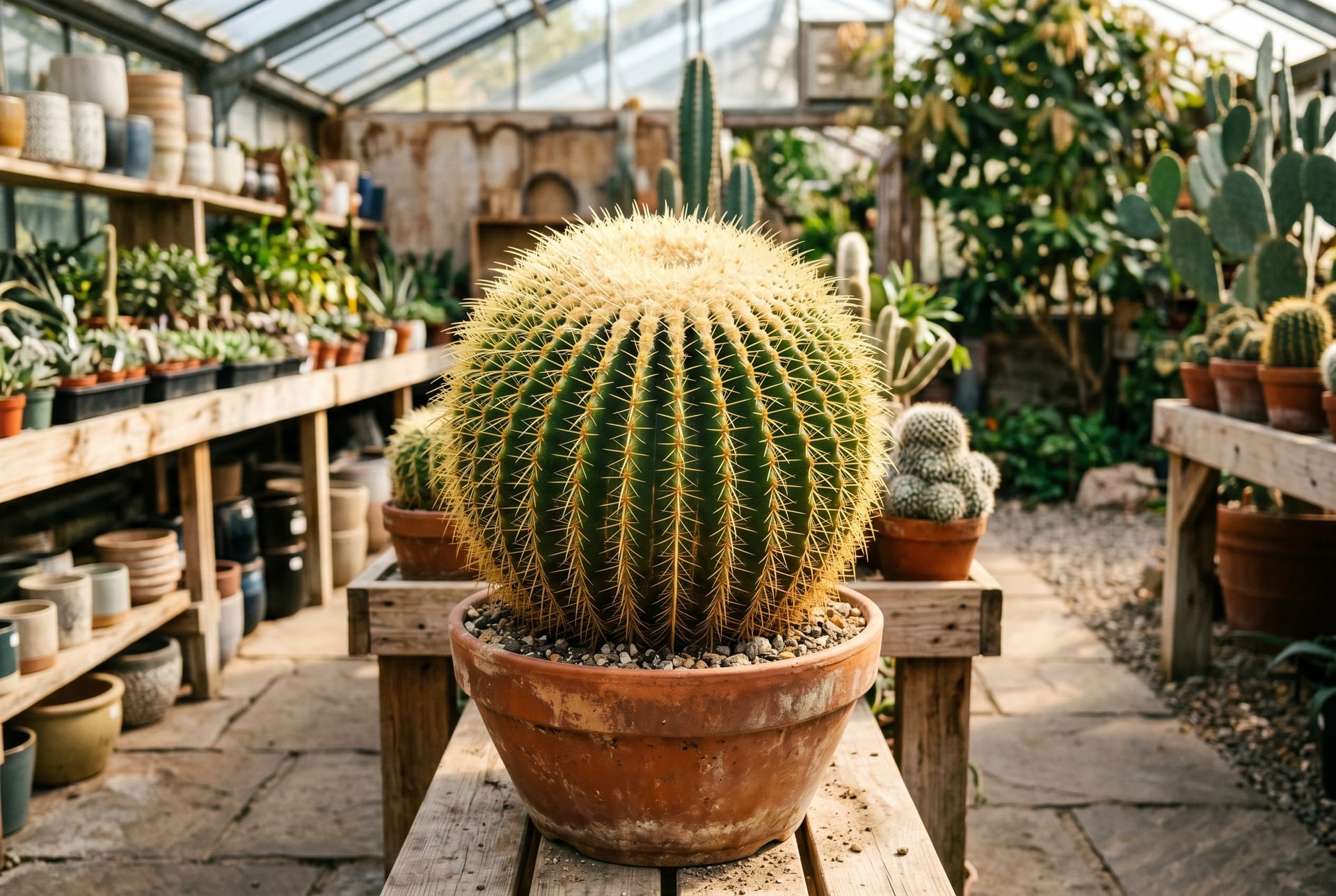
Euphorbia obesa (Baseball Plant) is a succulent native to the Great Karoo of the Northern Cape, South Africa. Its perfectly spherical to cylindrical body, marked by 8–12 longitudinal ribs and brownish-green banding, closely resembles a cactus but is entirely unrelated. Mature plants reach 5–15 cm in diameter after very slow growth over many years. The species is dioecious, bearing tiny cyathia (reduced flowers) at the stem apex in spring. Wild populations have been severely depleted by overcollection, and the species is listed under CITES Appendix II. Cultivation requires minimal watering—once or twice monthly during the growing season and barely at all in winter—full sun, and excellent drainage. The milky latex is toxic and irritating; contact with broken tissue should be avoided. Seed propagation requires plants of both sexes.
Lifespan of the Baseball Plant
The Baseball Plant lives Perennial (decades).
Size of the Baseball Plant
The Baseball Plant grows to 5-15cm.
Basic Info
Origin
South Africa (Great Karoo, Northern Cape)
Lifespan
Perennial (decades)
Size
5-15cm
Temperature
5〜35℃
Humidity
30〜50%
Watering & Fertilizer
Minimal
Growing Tips
Light & Placement
Prefers direct sun but dislikes sudden changes in conditions. Acclimate it gradually when moving it.
Watering
Water very sparingly, about 1-2 times a month even in the spring-to-autumn growing season. Keep it almost dry in winter.
Soil & Repotting
A plant of gravelly ground, so pot it in a well-draining mix. It grows very slowly, so repotting is rarely needed.
Pests & Cautions
The latex is toxic, so never touch it bare-handed if the plant is damaged. Wear gloves when handling it.
Breeding
Dioecious, so a pair is needed to breed
Baseball Plant FAQ
QWhat is the growing difficulty level for Baseball Plant?
Intermediate. A variety suitable for intermediate growers. Requires some cultivation experience and knowledge of environment management. Pay careful attention to temperature and humidity control.
QWhat is the lifespan of Baseball Plant?
The average lifespan of Baseball Plant is Perennial (decades). With proper cultivation environment and nutrient management, you can keep it healthy for a long time.
QHow large does Baseball Plant get?
The mature size of Baseball Plant is 5-15cm. This may vary slightly depending on cultivation environment and individual differences.
QHow should I water and fertilize Baseball Plant?
Baseball Plant: watering & fertilizer — Minimal. Aim for appropriate frequency and amount.
QWhat is the typical price for Baseball Plant?
The price of Baseball Plant varies significantly by variety, characteristics, size, and lineage. Please check GrowerDirect's price guide for the latest market information.
Last updated: August 31, 2026
Growing Specifications
- Hardiness (RHS)
- H1c
Sources: RHS Find a Plant
References & Sources
Edited & verified by: GrowerDirect Editorial Team
The classifications, regulations, and growing data on this page are created and verified based on the primary information database below.
Taxonomy & Authority
Regulations & Conservation Status
Sources: CITES — Euphorbia spp. (succulent species) Appendix II
Regulations may change. Always verify the latest information with the relevant authorities.
Related Species
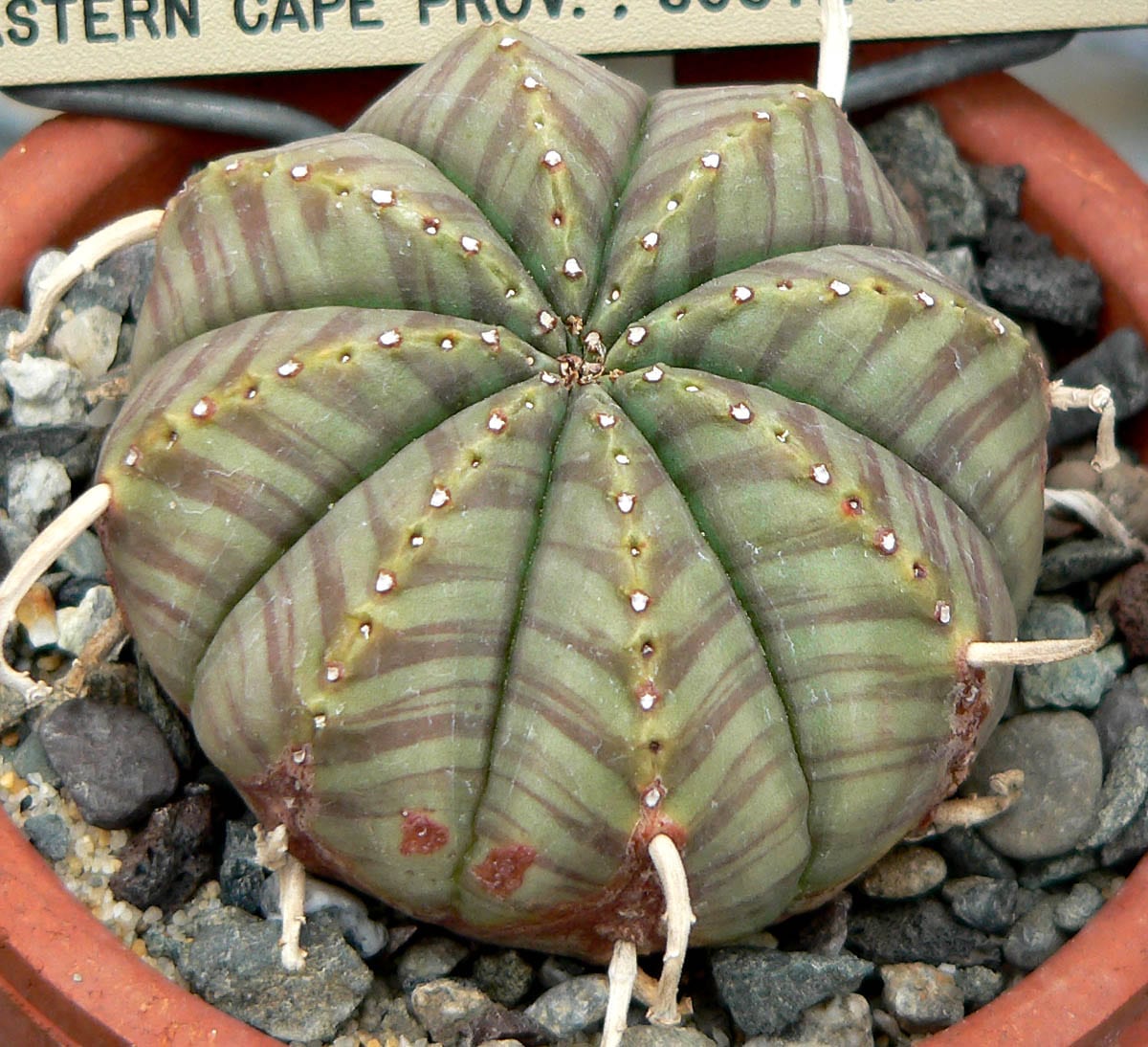
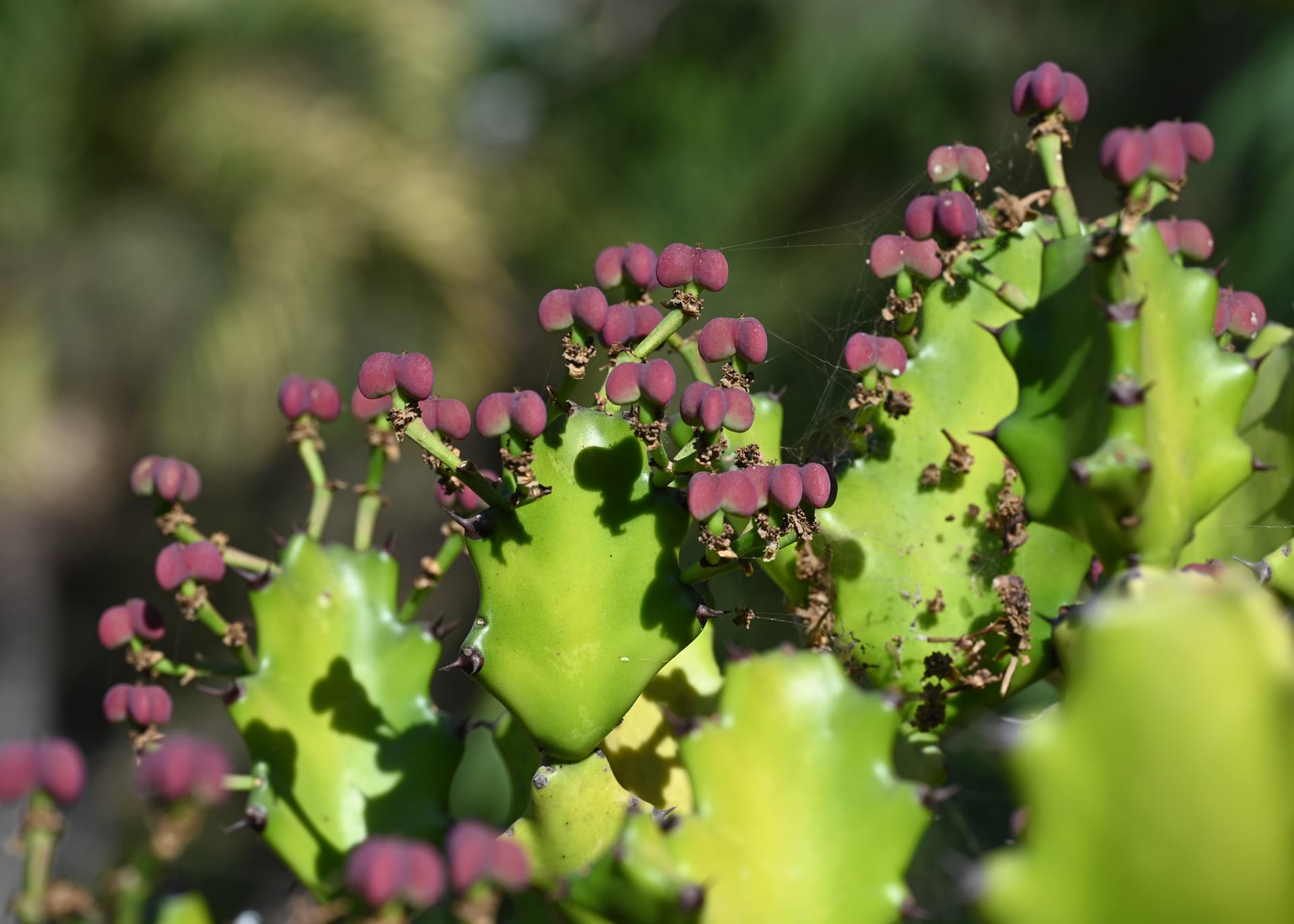
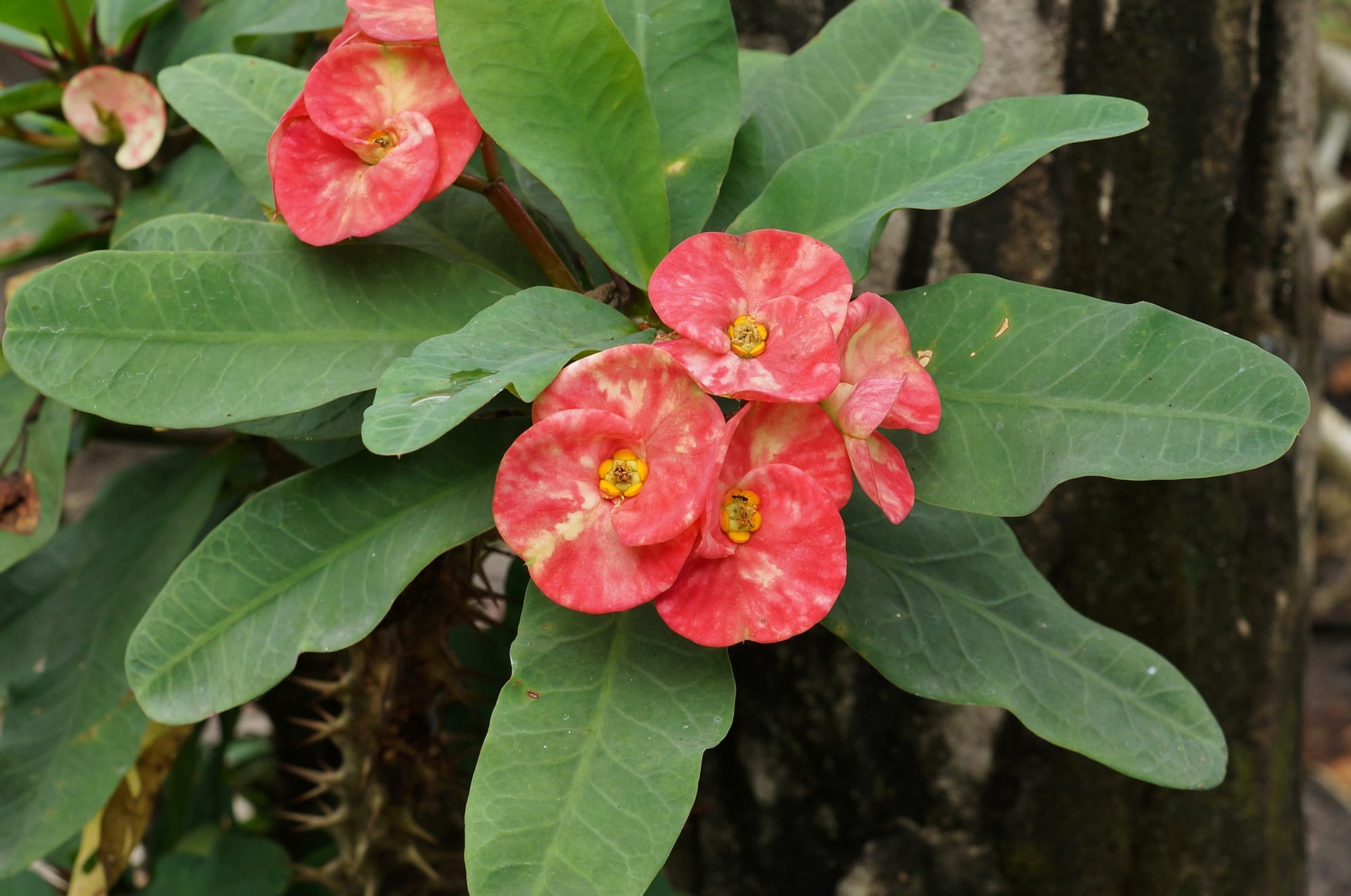
Find listings for this species
Related Articles
Top 15 Popular Euphorbia Ranking 2026: Valida, Obesa, White Ghost & More Compared
A ranking guide to popular Euphorbia species. Compare 15 species favored by collectors—including Valida, Obesa, White Ghost, Lactea, Neriifolia, and Suzannae—by characteristics, ease of care, and price range.
Autumn Preparation Management for Summer-Type Succulents
A guide to autumn care for summer-type succulents, covering plant changes from September to November, timing for gradual watering reduction, placement and temperature management for transitioning plants indoors, autumn fertilizing and pest control, variety-specific care checkpoints, and preparation for winter dormancy.
Mealybug Control on Succulents | Complete Guide to Early Detection, Removal, and Prevention
Mealybugs hide easily at the base of succulent leaves and on new growth. This guide covers their characteristics, the environments where they thrive, tips for early detection, removal methods using cotton swabs and alcohol, and daily care practices to prevent recurrence.
Summer and Winter Type Succulents: Growth Cycles and Watering Management Strategy
This article explains the differences in growth types of succulent plants, their annual growth cycles, seasonal watering management strategies, common failures, and countermeasures.
🩺 Common diseases
Can't find the plant you're looking for?
Post your wishes for free and growers with matching plants will contact you with introductions.