Autumn Preparation Management for Summer-Type Succulents
Autumn Preparation Management for Summer-Type Succulents。For summer-type succulents that have endured the intense heat of summer, autumn is a crucial period…
Key Takeaways
Autumn Preparation Management for Summer-Type Succulents。For summer-type succulents that have endured the intense heat of summer, autumn is a crucial period…
Related Species
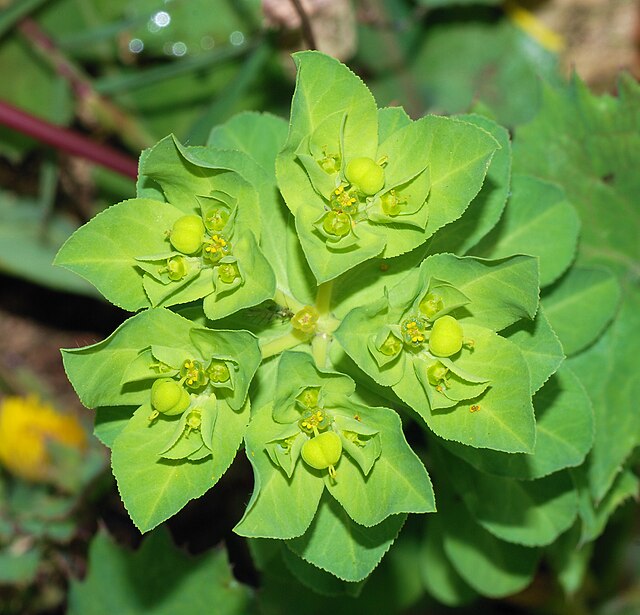
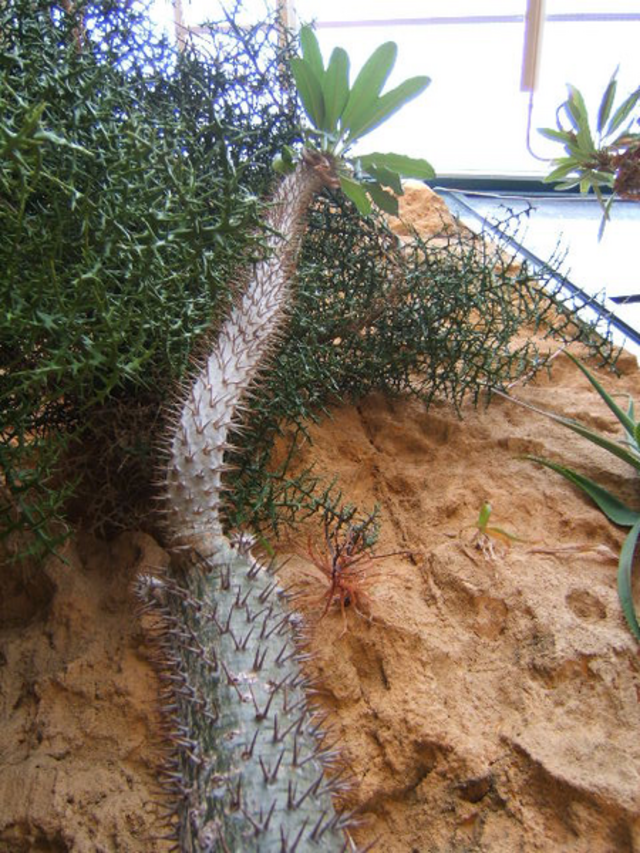
For summer-type succulents that have endured the intense heat of summer, autumn is a crucial period to recover their strength for the next growth season. From September to November, as temperatures begin to drop, watering, placement, and fertilization require different management than in summer. Taking appropriate steps during this transition period is key to restoring fresh vigor by spring. This article explains in detail the autumn management methods to guide your summer-type succulents healthily into winter, point by point.
Changes Summer-Type Succulents Experience in Autumn
Summer-type succulents refer to plants that grow vigorously from spring through autumn and enter dormancy in winter. Typical representatives include Agave, Adenium, Pachypodium, and caudex-form Euphorbia. These plants are adapted to the arid, high-temperature climates of their native regions, and thus require careful guidance from growers to bridge the unique climate changes that come with Japan's autumn—shortening daylight hours and widening temperature differences between morning and evening.
Changes also occur within the plant body as autumn arrives. The rate of photosynthesis decreases, and water and nutrient absorption decline. If you continue watering and fertilizing at the summer pace during this timing, roots will be unable to absorb the excess water, and the risk of root rot increases. What should be kept in mind in autumn management is "subtraction"—gradually easing back from summer management and guiding the plant into winter dormancy mode.
Timing and Method for Gradually Reducing Watering
Adjusting watering is arguably the most important point in autumn management. While individual variation exists depending on temperature and soil dryness, the following pace for widening intervals is recommended without excessive strain.
- Early to mid-September: Since lingering summer heat continues, maintain 1–2 waterings per week while checking soil dryness
- Late September to October: As you begin to feel the cooler mornings and evenings, reduce to approximately once per week
- November onward: When the minimum temperature drops below 10–15°C, reduce to once every two weeks or less and transition to dormancy management
The optimal time to water is in the morning. Watering in the evening or later risks the soil drying before the temperature drops at night, making root rot more likely. Additionally, water that is too cold can damage roots; it is helpful to let cold tap water sit in a sunny spot for a while before use.
Note that autumn is not suitable for large repotting. If a plant is severely root-bound, limit yourself to "upsizing (moving to a pot one size larger)," and wait until the following spring for work that significantly damages roots.
Placement and Temperature Management—Transition from Outdoors to Indoors
The basic principle of autumn placement management is "expose plants to natural outdoor light as long as possible, then gradually bring them indoors as cold becomes severe." Sudden environmental changes stress plants, so it is reassuring to acclimate them gradually rather than moving them all at once, using steps like the following:
- When the minimum temperature begins to drop below 15°C, move plants indoors (or under an eave) only at night
- When the minimum temperature approaches 10°C, consider daytime indoor management as well
- Indoors, place plants near a south-facing window or other location where daylight is assured as much as possible
After switching to indoor management, avoid places where warm air from heaters blows directly on plants. The combination of sudden temperature rise and dryness can cause leaves to curl or drop. Using a circulator fan to gently circulate air is effective for simultaneous prevention of excessive moisture and leggy growth.
Some Agave varieties with excellent cold hardiness (Titanota, Obata, etc.) can survive winter outdoors in eaves in mild regions where frost does not form. In contrast, Pachypodium and Adenium have low cold tolerance and must be brought indoors before the minimum temperature drops below 15°C. Knowing the cold hardiness temperature of each variety in advance makes it easier to judge when to move them.
Fertilization and Pest/Disease Control
Autumn fertilization should be understood not as "supplementing vitality" but as "strengthening for winter." With the aim of enriching roots and the entire plant for winter survival, diluted liquid fertilizer can be applied around once every two weeks from early to mid-September. The fertilizer chosen at this time should have a higher ratio of phosphorus (P) and potassium (K) than nitrogen (N). High-nitrogen fertilizer promotes the emergence of new shoots, which risk being damaged by winter cold.
From October onward, refrain from fertilizing, and stop completely in November. This "cessation of fertilizer" naturally guides the plant into dormancy mode.
Pests and diseases remain a concern even as temperatures drop. Scale insects remain active even during cold periods, weakening the plant by continuously sucking its sap. Regularly check the undersides of leaves and areas around growth points, and if found, remove them by brushing or wiping with a cotton swab, or treat them early with appropriate pesticides. Additionally, excessive moisture from autumn rains or condensation easily becomes a breeding ground for gray mold and bacterial soft rot; strictly manage ventilation and drainage at the pot base.
Autumn Management Checkpoints by Variety
Summer-type succulents show differences in autumn handling by genus. Key points for representative groups are summarized below.
Agave Cold hardiness varies widely depending on variety. Species such as Titanota, Americana, and Lechuguilla are comparatively hardy and outdoor winter survival is possible in mild regions. However, they are susceptible to sudden cold snaps, so it is prudent to protect with nonwoven fabric on nights when frost is forecast, or bring them indoors.
Pachypodium Cold tolerance is low, and autumn management is particularly important. Once leaf drop begins, interpret it as a sign of dormancy, nearly eliminate watering, and allow the plant to overwinter in a dry state. Leaf drop itself is a normal physiological process, so there is no need to worry even if leaves turn yellow.
Adenium Like Pachypodium, this genus is sensitive to low temperatures. Once growth stops and leaf color changes, gradually reduce watering, and around 15°C minimum temperature, switch to indoor management.
Caudex-form Euphorbia There is large variety-to-variety variation; species with well-developed caudices are more sensitive to cold. Many species cause dermatitis if tree sap contacts skin, so always wear gloves when repotting or moving plants in autumn.
Summary
Summer-type succulents' autumn management can be summed up in one phrase: "without rushing, gradually, with a mindset of subtraction." Whether watering, placement, or fertilization, minimize plant stress by adjusting slowly to match temperature decline rather than changing at the summer pace all at once.
Close daily observation is also important. Leaf color and luster, stem firmness, soil dryness—noticing these small signs early leads to early discovery of troubles. Careful autumn management forms the foundation for vigorous new shoots next spring. Please enjoy growing your favorite summer-type succulents for years to come.