Succulent Encyclopedia
Encyclopedia of popular succulents with care guides, traits, and propagation methods.
Featured Succulent
Showing 32 of 129 species(1–24)
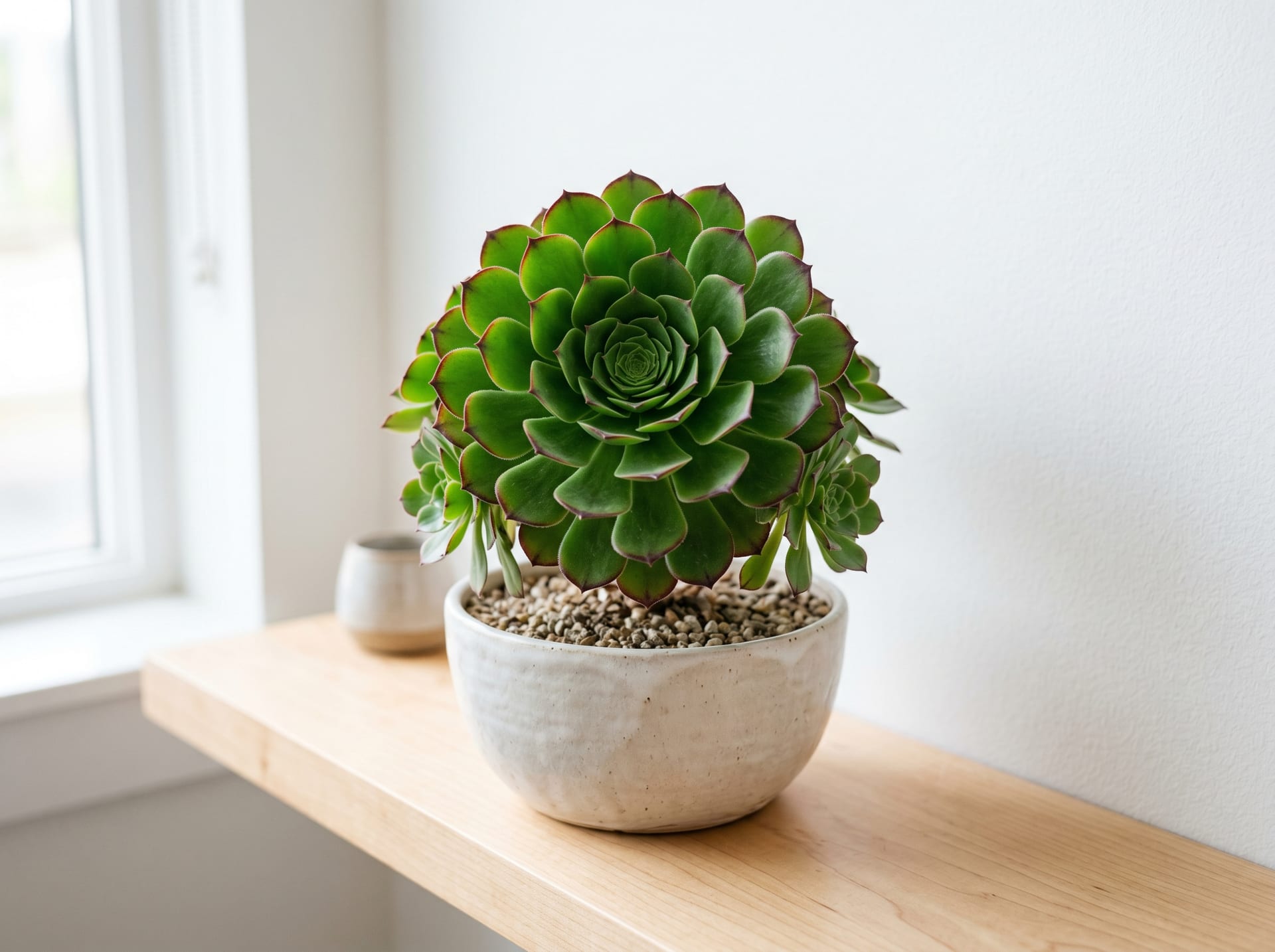
Aeonium
Unique silhouette with rosette leaves atop stems. Zwartkop (Black Rose) most famous. Winter grower, dormant in summer.
 © Stan Shebs / CC BY-SA 3.0
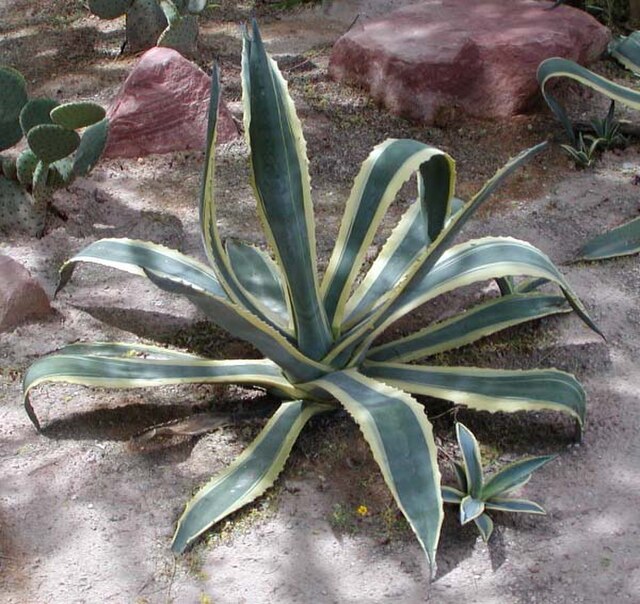
Agave (General)
Extremely popular succulent genus. Ranges from expensive Titanota to garden-friendly Attenuata.
 © Diego Delso / CC BY-SA 3.0
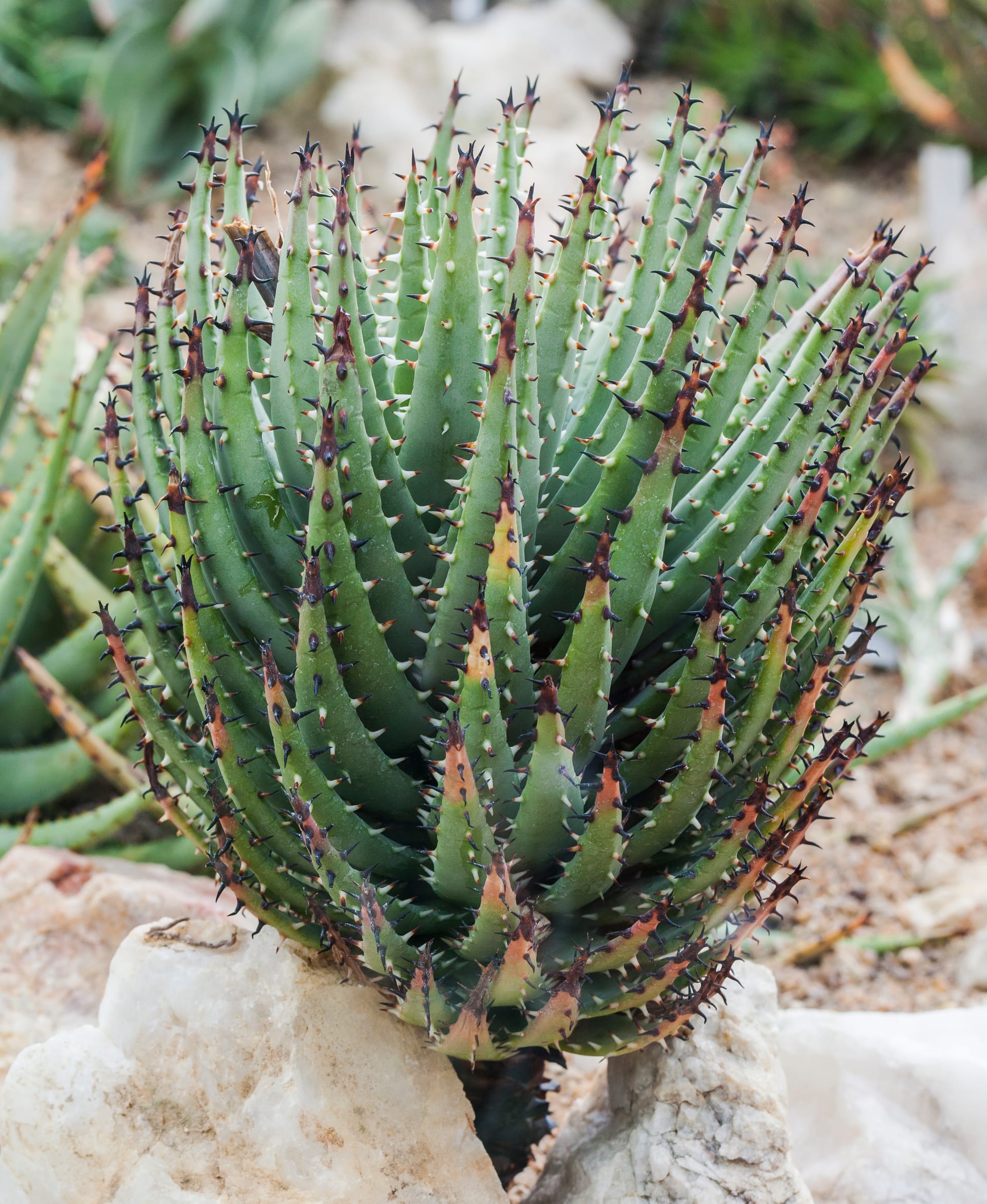
Aloe erinacea
Aloe erinacea
A small aloe with short, incurved blue-green leaves densely armed with long milky-white spines. Endemic to arid Namibian mountains; the name means 'hedgehog-like'.
 © Kosteek / Public domain
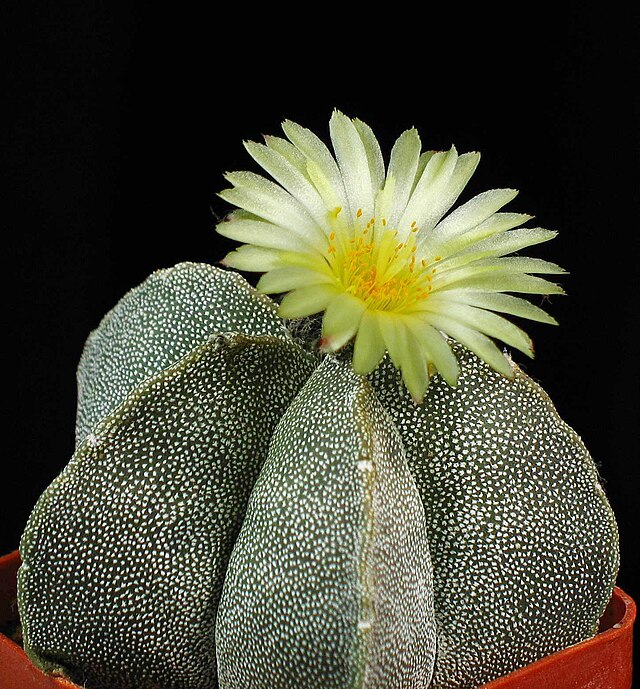
Astrophytum
A cactus with star-like shape and white flecks. Many popular varieties like Kabuto and Ranpo.
 © Andrew Hankey / CC BY-SA 4.0
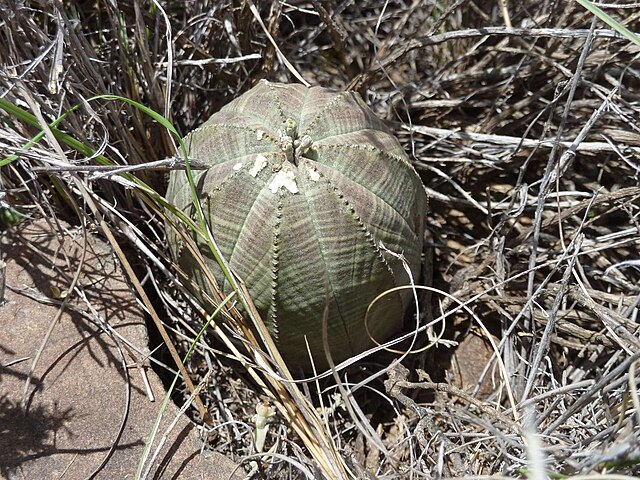
Baseball Plant
Euphorbia obesa
A ball-shaped succulent that looks like a cactus but belongs to the spurge family. It rots easily, so water only once the mix has dried out completely.
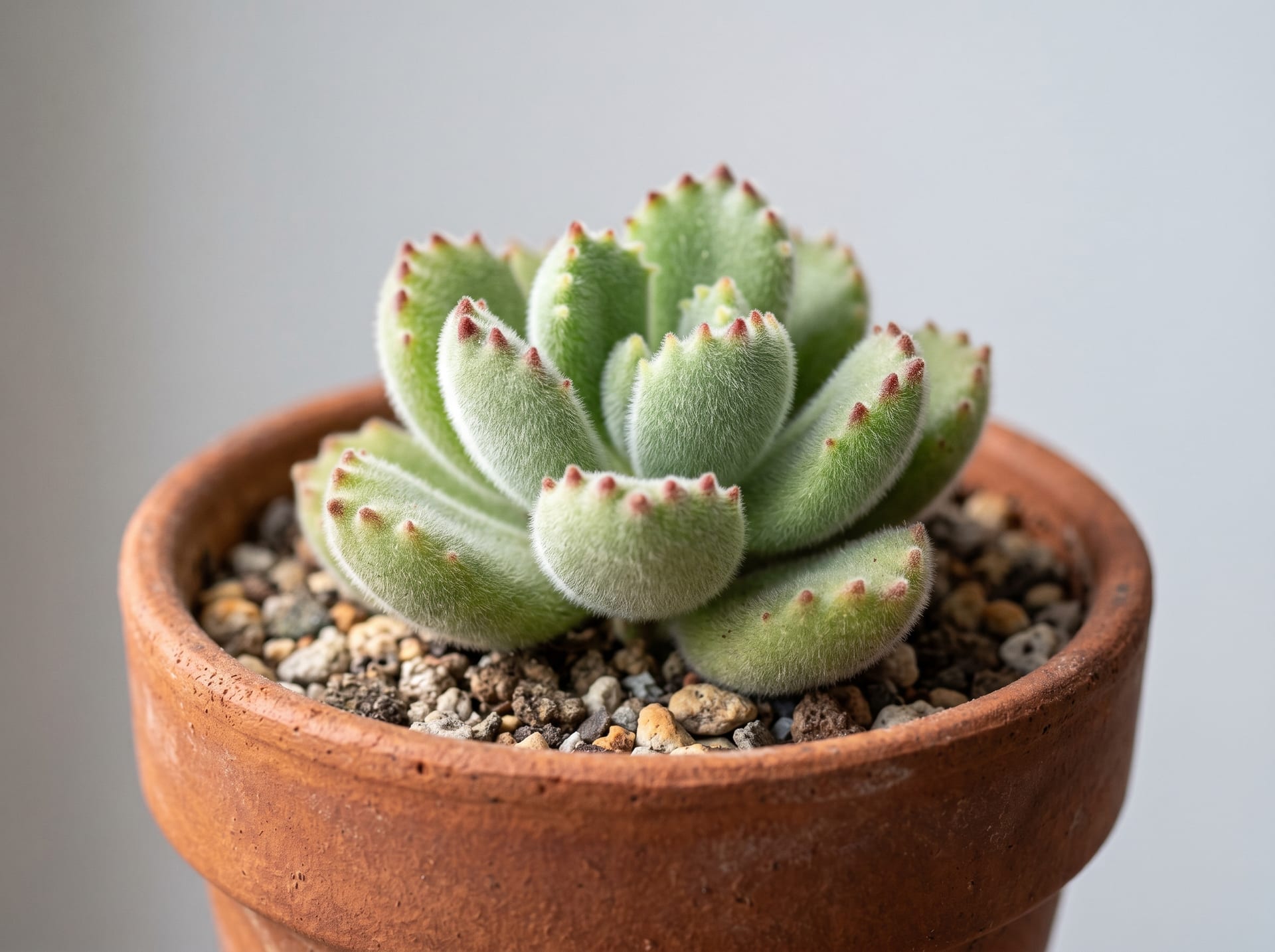
Bear’s Paw (White Bear)
Cotyledon tomentosa subsp. ladismithiensis
A subspecies of Bear’s Paw covered in white fluff. The red claw-like leaf tips and fuzzy texture make it a beloved succulent.
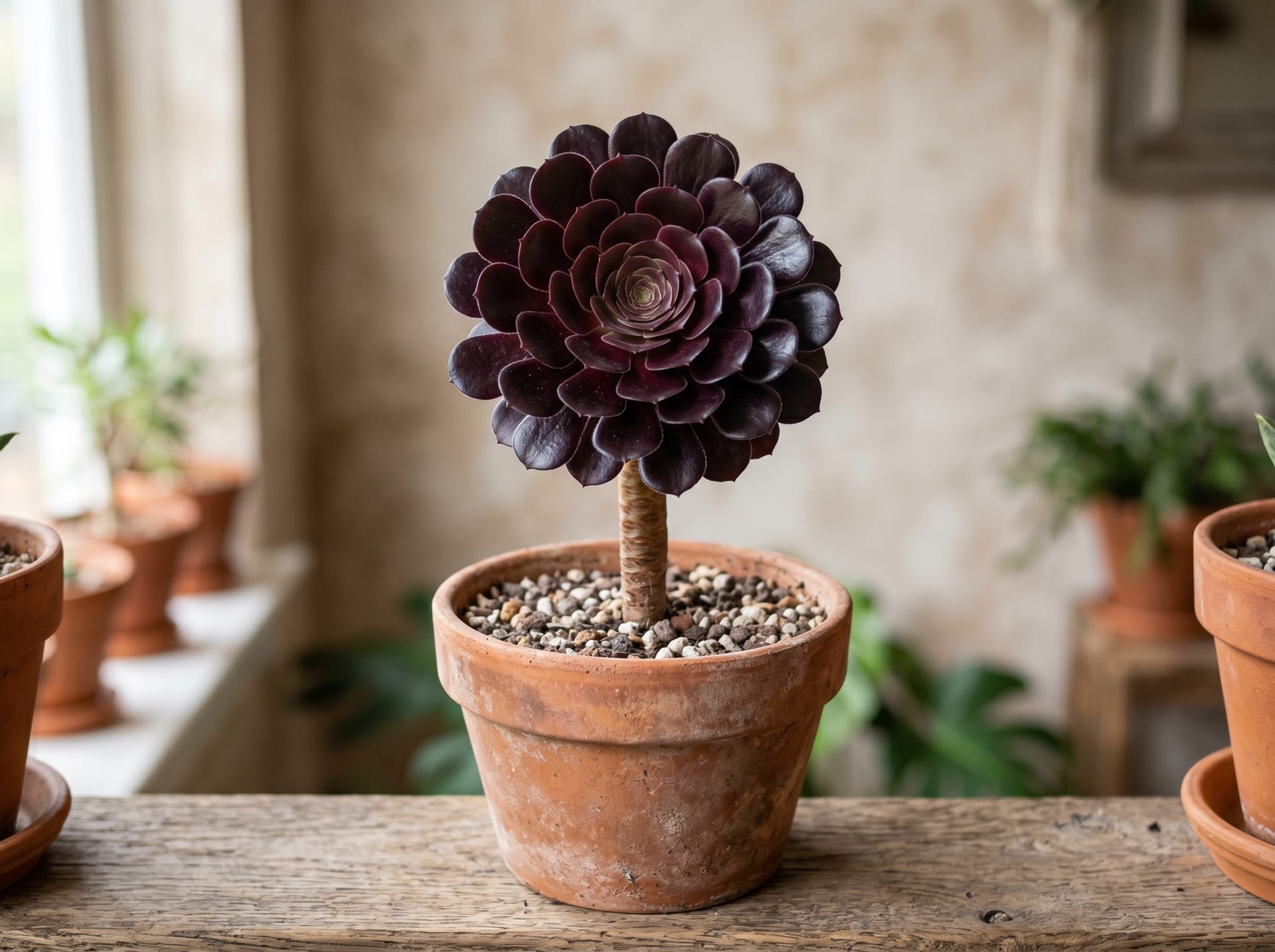
Black Rose Aeonium
Aeonium arboreum
An impressive succulent with dark purple to black rosettes. Winter grower, dormant in summer.
 © Diego Delso / CC BY-SA 3.0
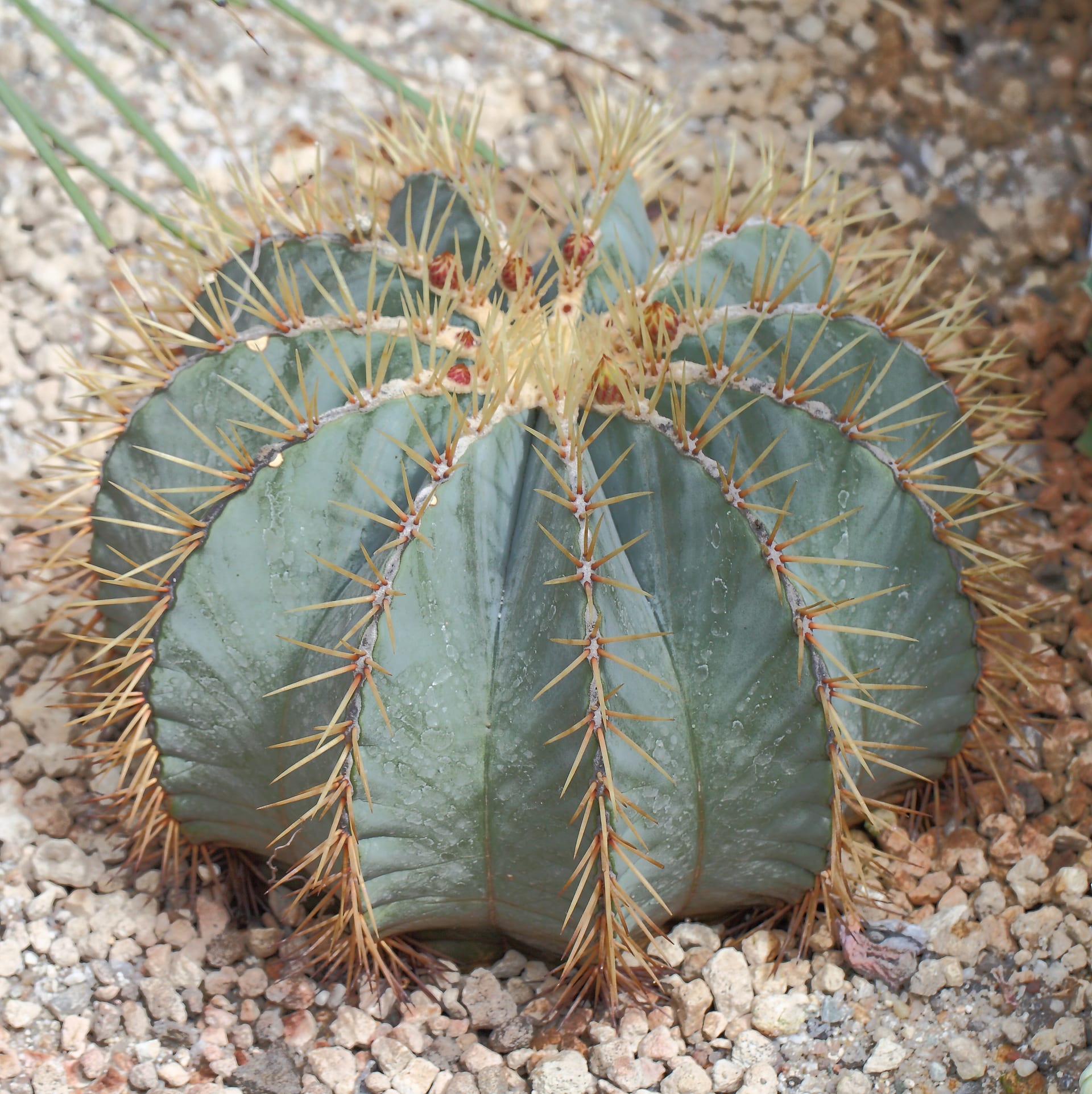
Blue barrel cactus
Ferocactus glaucescens
A barrel cactus whose frosted blue-green skin contrasts with yellow spines on sharp ribs. It grows from globular to cylindrical and bears yellow, bell-shaped flowers at the crown.
 © Morningdew51 at English Wikipedia / CC BY-SA 3.0
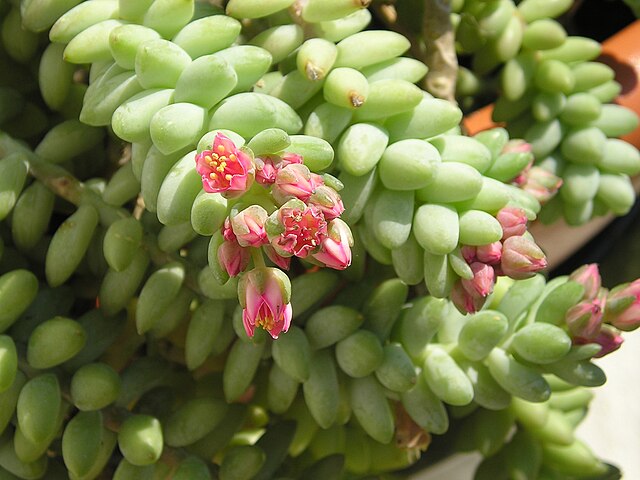
Burro's Tail
Sedum morganianum
A succulent with plump leaves trailing downward in chains. Beautiful when displayed in hanging baskets.
 © Michael Joachim Lucke (= user Gilbert8888 ) / CC BY-SA 3.0
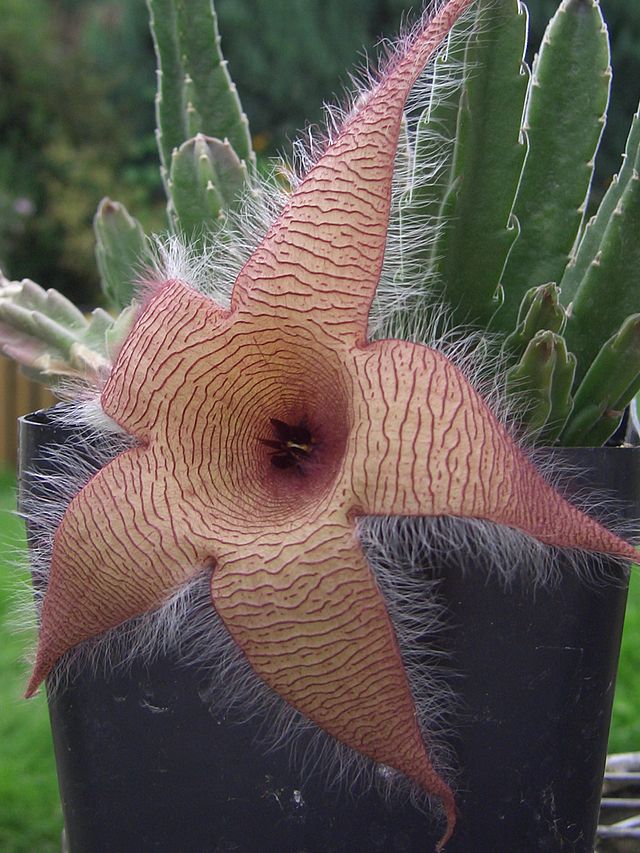
Carrion Flower
A unique succulent blooming large starfish-shaped flowers. Flowers attract insects with carrion-like smell.
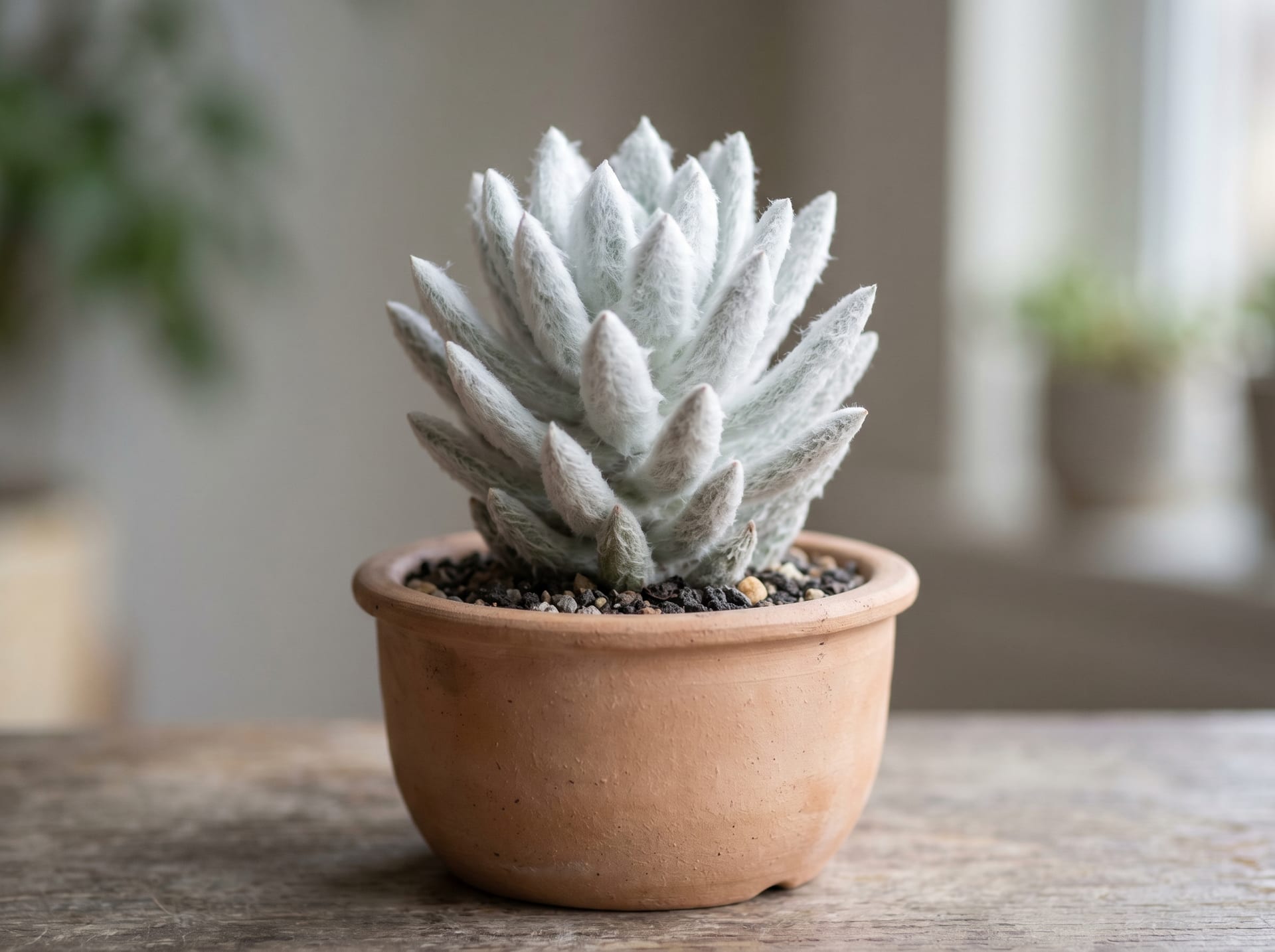
Cocoon Plant
Caputia tomentosa
A winter-growing succulent (formerly Senecio) with silvery-white hairy leaves resembling cocoons. Also known as the Cocoon Plant for its beautiful silver appearance.
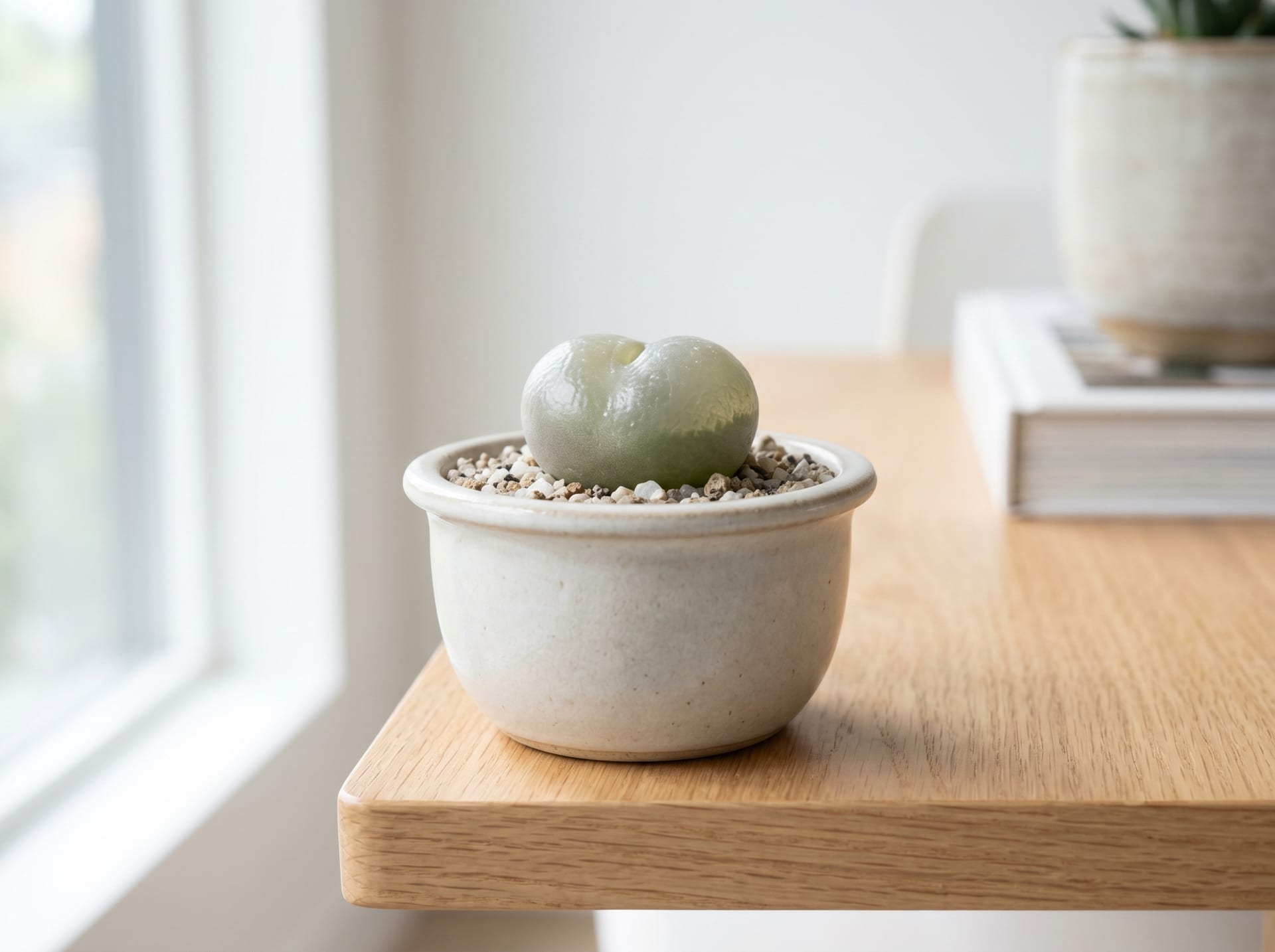
Conophytum
Related to lithops. Small squishy spheres clustering together are adorable. Winter grower active autumn-winter.
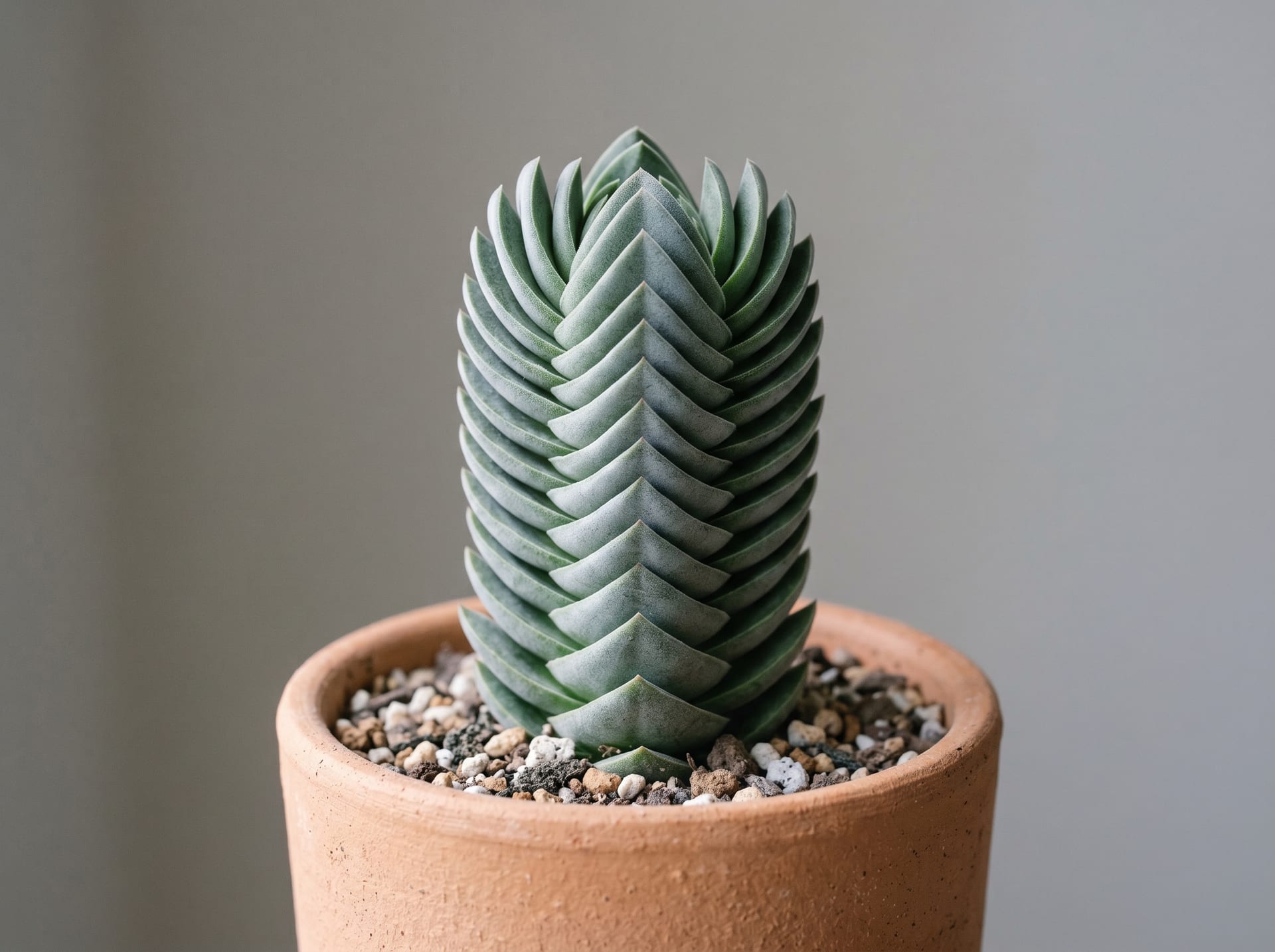
Crassula Buddha’s Temple
Crassula ‘Buddha’s Temple’
A unique Crassula with stacked leaves forming a tower-like geometric shape.
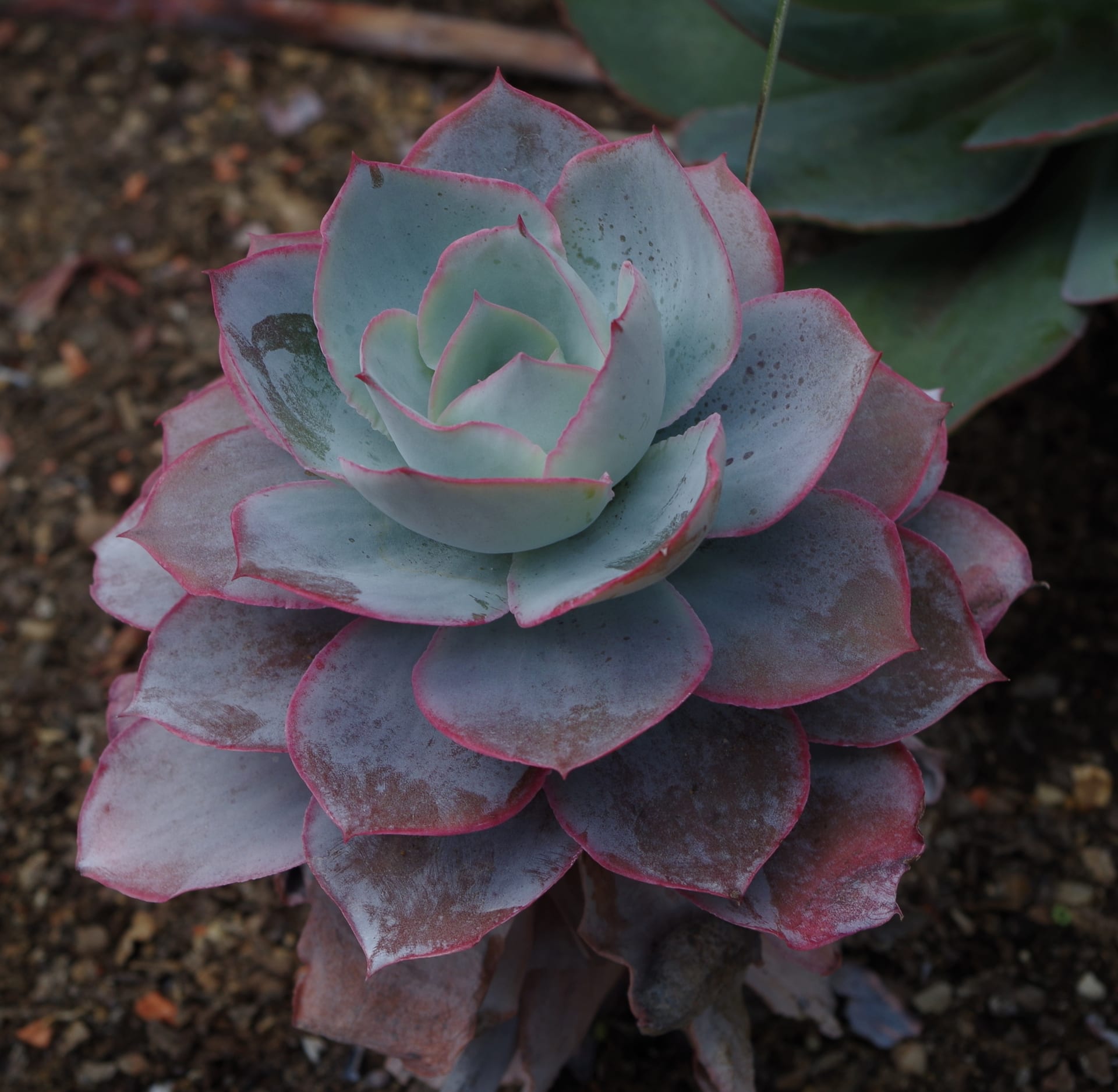 © Dinkum / CC0
Echeveria cante
Echeveria cante
A large solitary rosette up to 30–40 cm across, with pale blue-green, lavender-tinged leaves under a thick white bloom and a fine red edge. A Mexican species nicknamed 'queen of echeverias'.
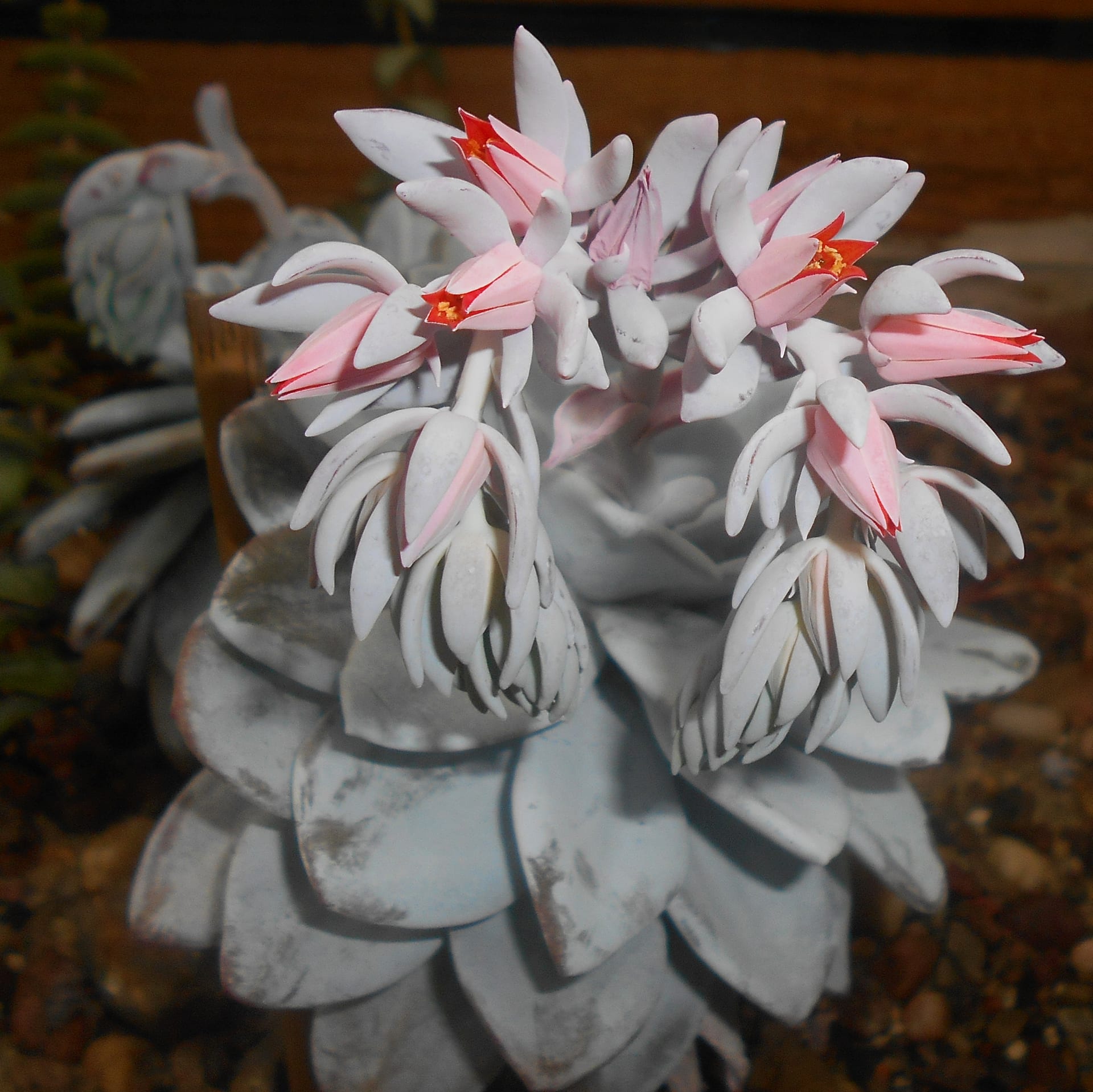 © Salicyna / CC BY-SA 4.0
Echeveria laui
Echeveria laui
A species with plump, rounded leaves thickly coated in white powder, forming snow-white rosettes. Native to Oaxaca, Mexico, and slow-growing; the bloom rubs off easily.
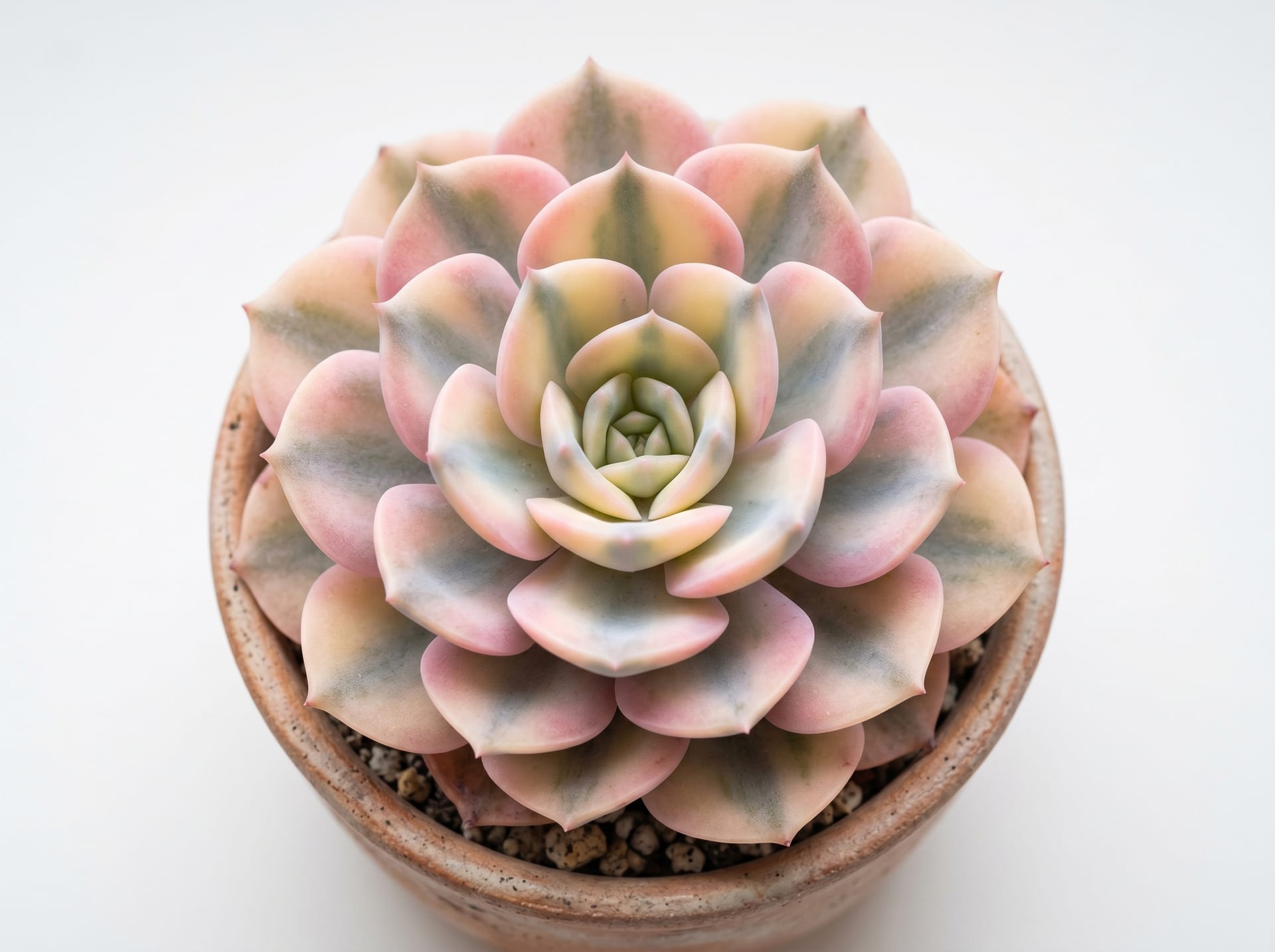
Echeveria Rainbow
Echeveria 'Rainbow'
An echeveria with beautiful contrast of pink margins and green. Especially vivid coloring among variegated types.
 © Jean-Michel Moullec / CC BY 2.0
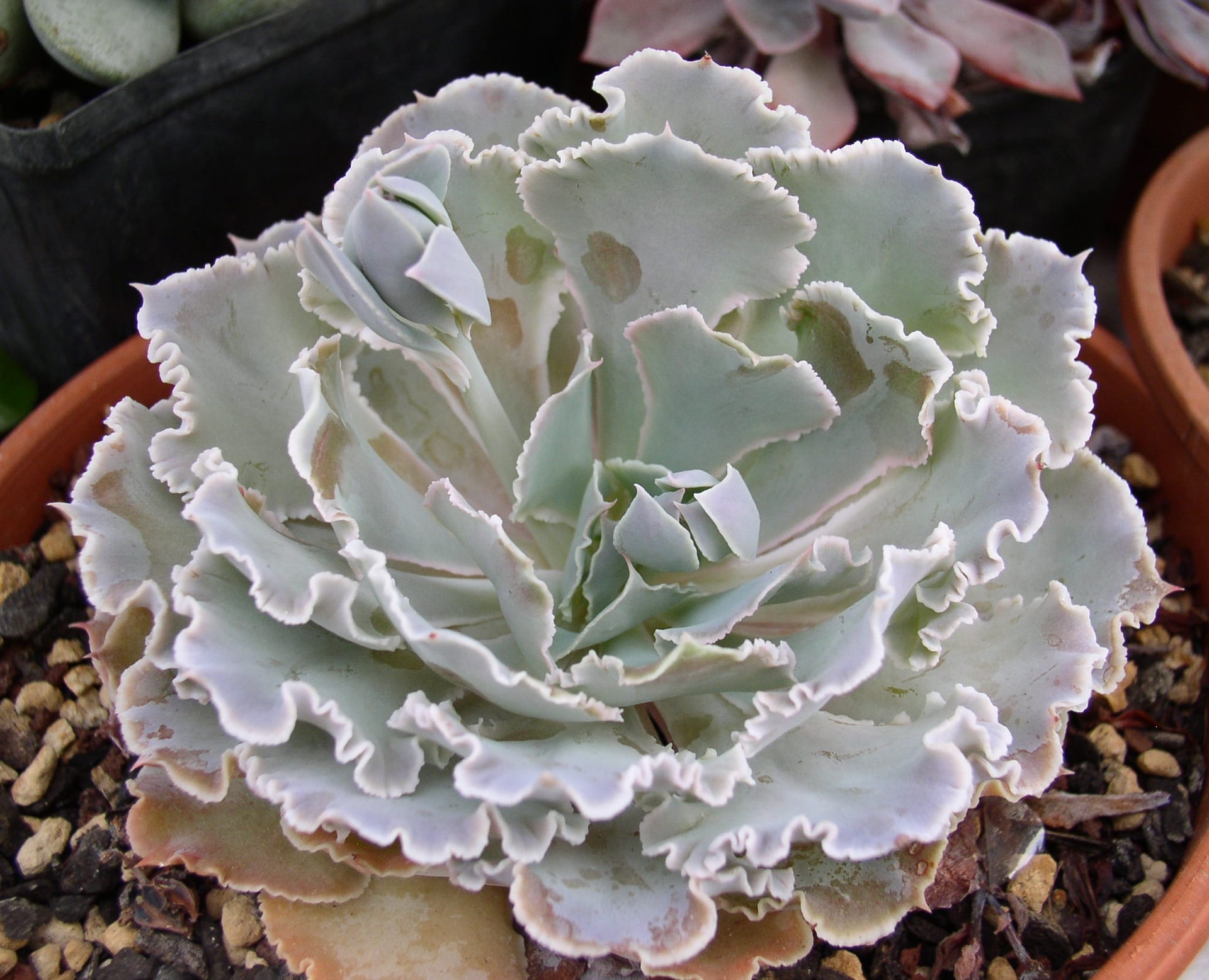
Echeveria shaviana
Echeveria shaviana
A small rosette of thin, broad leaves with finely waved, frilly margins, glaucous green flushed pink. A species from shaded rocky outcrops in the mountains of north-eastern Mexico.
 © Alvesgaspar / CC BY-SA 3.0
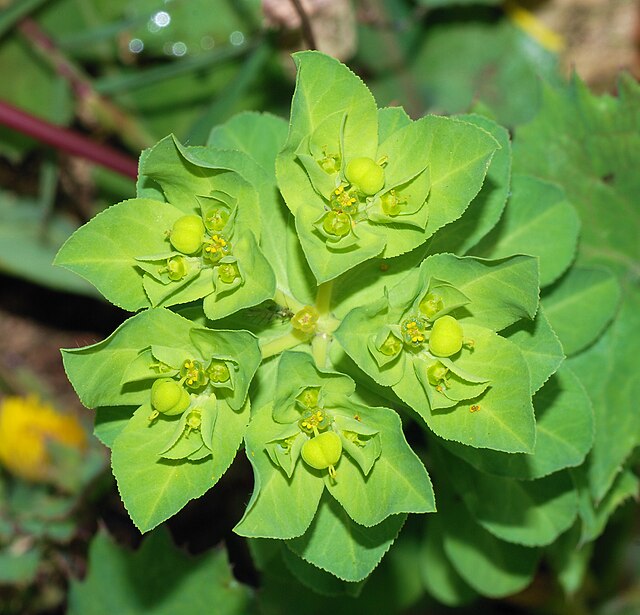
Euphorbia
Many resemble cacti but are entirely different family. Obesa and Horrida popular. Toxic white latex requires careful handling.
 © CactiLegacy / CC BY-SA 4.0
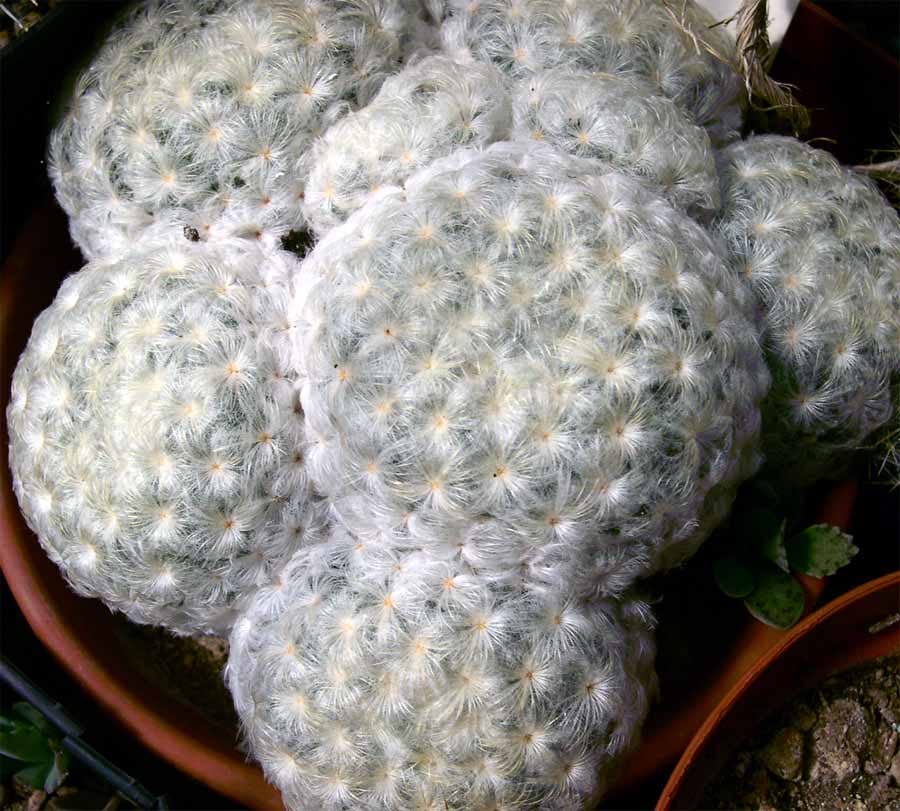
Feather cactus
Mammillaria plumosa
A Mammillaria covered in soft, finely branched white spines like feathers. The spines are so soft it is one of the friendliest cacti to touch.
 © Karelj / Public domain
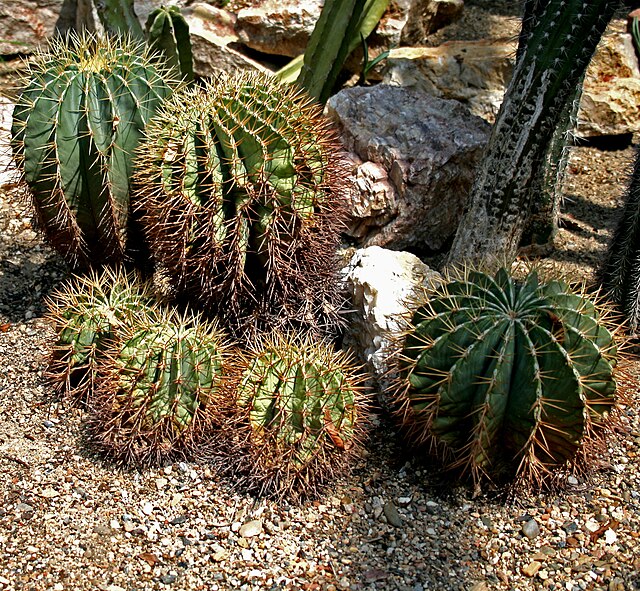
Ferocactus
A large cactus with thick sharp spines radiating overwhelming presence. Dignity of a desert king.
 © Didier Descouens / CC BY-SA 4.0
Goat's horn cactus
Astrophytum capricorne
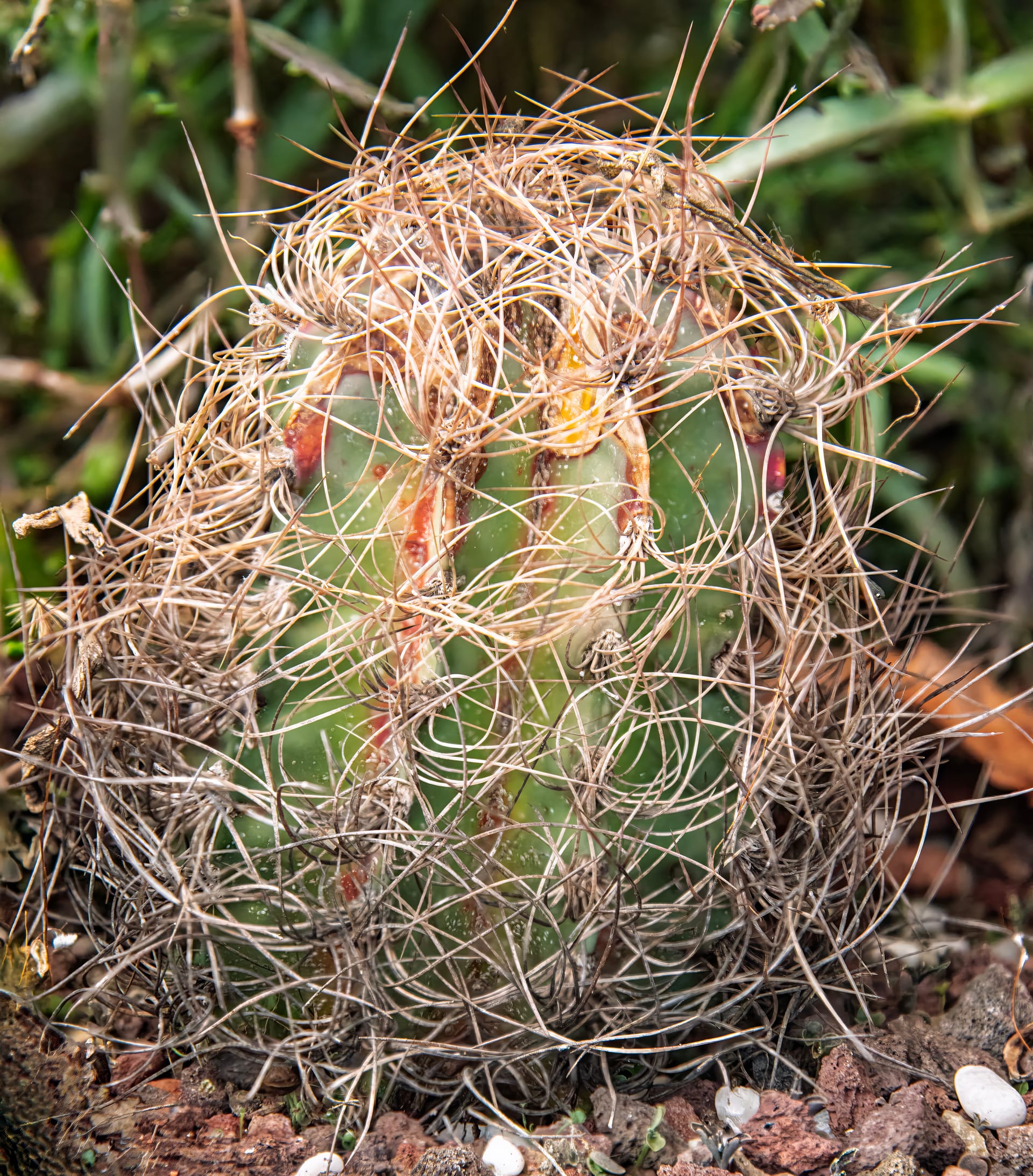
A star cactus wrapped in long, twisting brown spines, with white flecks on grey-green skin and large yellow flowers with red centres in summer. The name means 'goat's horn'.
Golden Barrel Cactus
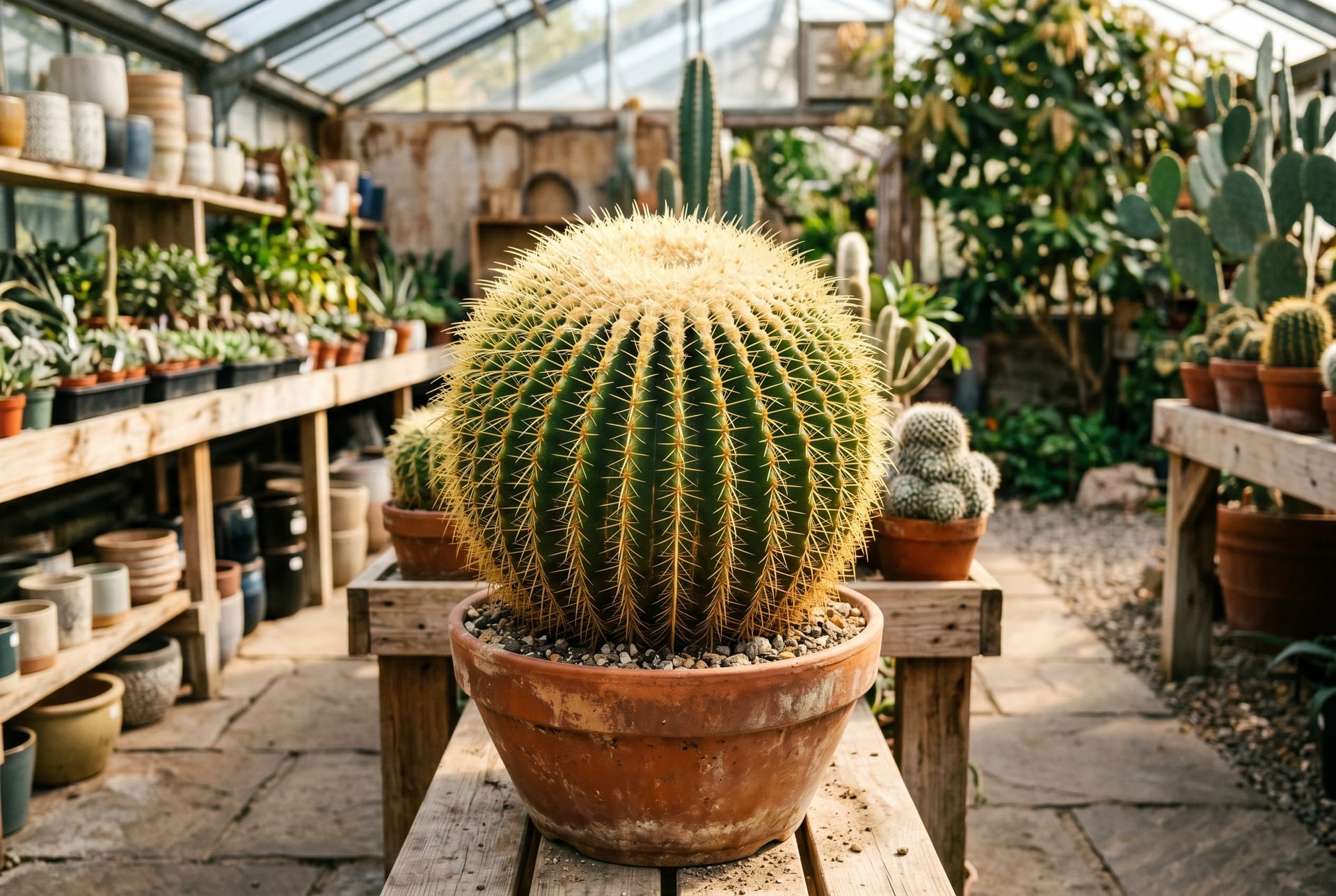
Echinocactus grusonii
A large spherical cactus clad in golden spines, called the king of cacti. It grows into an imposing barrel over many years. Hardy and sun-loving.
 © Abu Shawka / CC0
Haworthia Cooperi
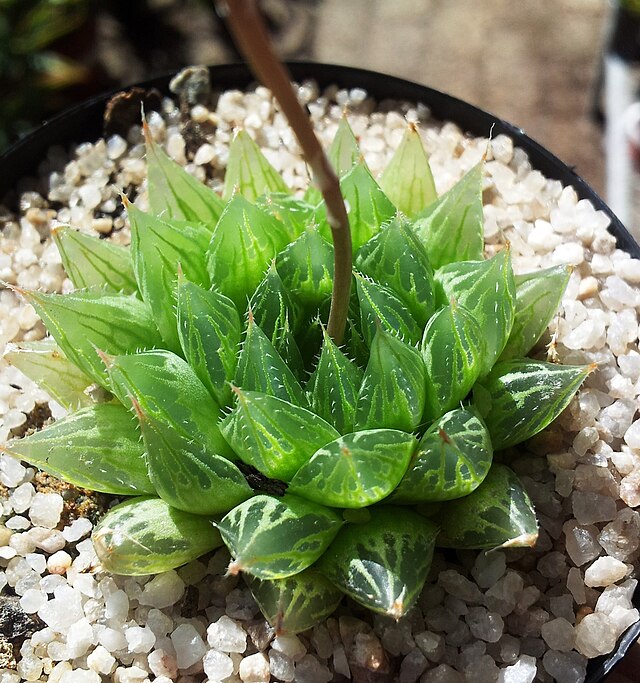
Haworthia cooperi
A haworthia with dense translucent round leaves. Beautiful small species shining like jewels when backlit.
 © Abu Shawka / CC0
Haworthia emelyae var. comptoniana
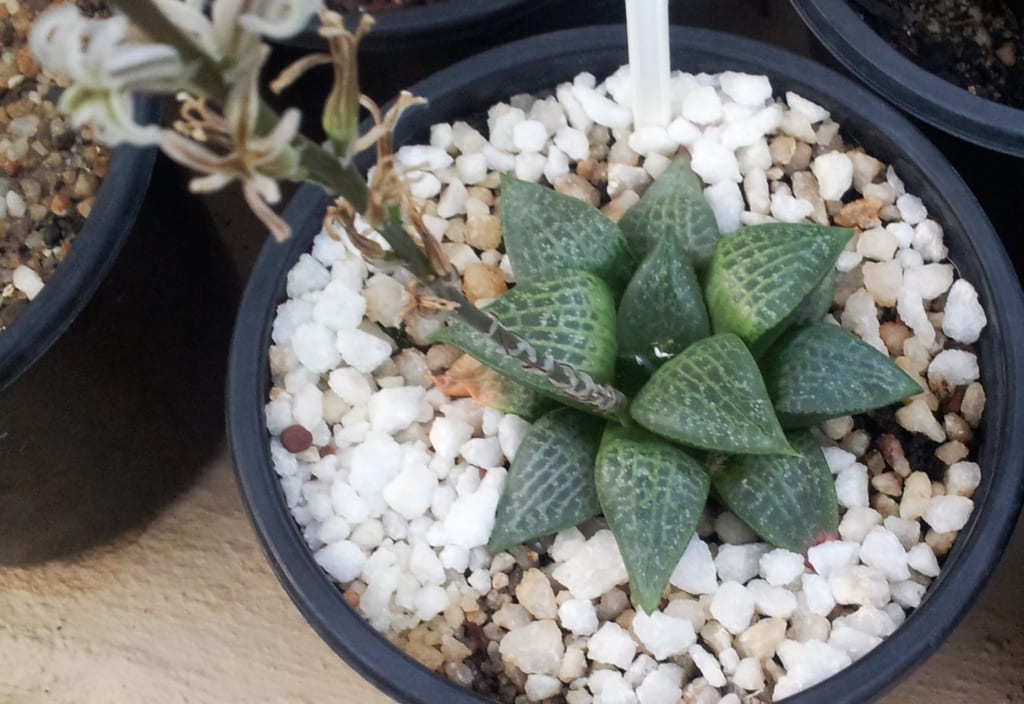
Haworthia emelyae var. comptoniana
A Haworthia whose triangular leaves end in flat, smooth windows crossed by a net of white-flecked veins. Larger and usually greener than its relative H. emelyae.
Related Content
Succulent FAQ
- How much do succulents cost?
- Common Echeveria cost 300-2,000 yen, popular Haworthia obtusa 1,000-10,000 yen, and rare hybrids or large specimens can exceed tens of thousands of yen.
- Can beginners grow succulents?
- Echeveria, Sedum, and Graptopetalum are hardy and beginner-friendly. Place in a sunny spot and water only when the soil is completely dry.
- What are the key tips for growing succulents?
- Place in a sunny spot with good airflow and water sparingly. Many species go dormant in summer and winter, so adjusting care to their growing season is key to beautiful growth.
- What should I check when buying succulents?
- Check that leaves are plump and firm, the base isn't rotting, and there are no pests (like mealybugs). For bare-root plants, root condition is also important.
- How long do succulents live?
- With proper care, succulents can thrive for 10+ years depending on species. They're easily propagated through leaf cuttings and division, allowing enjoyment across generations.