How Much Does Aquatic Plant Cultivation Cost? Explaining Monthly Running Costs
Explaining the costs of monthly electricity, CO2 bottles, liquid fertilizers, substrate, and other expenses for aquatic plant cultivation. Also includes a cost comparison between high-light and low-light tanks.
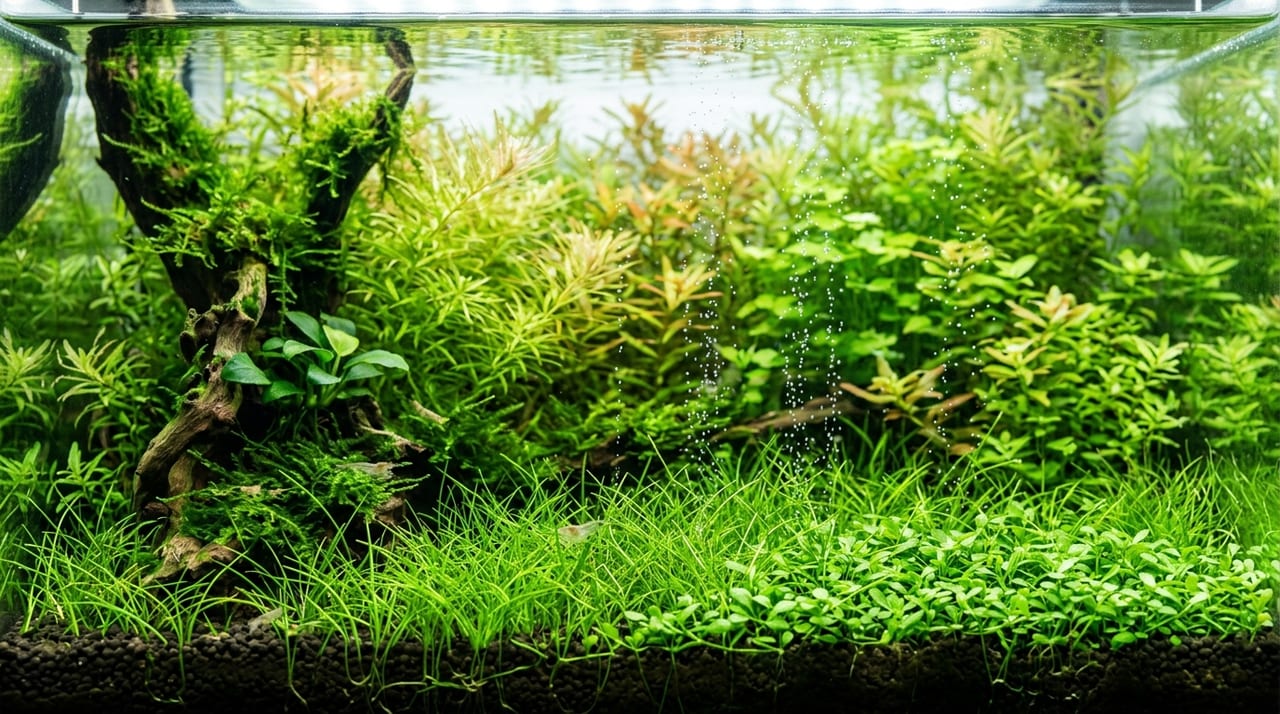
Key Takeaways
Explaining the costs of monthly electricity, CO2 bottles, liquid fertilizers, substrate, and other expenses for aquatic plant cultivation. Also includes a cost comparison between high-light and low-light tanks.
Related Species
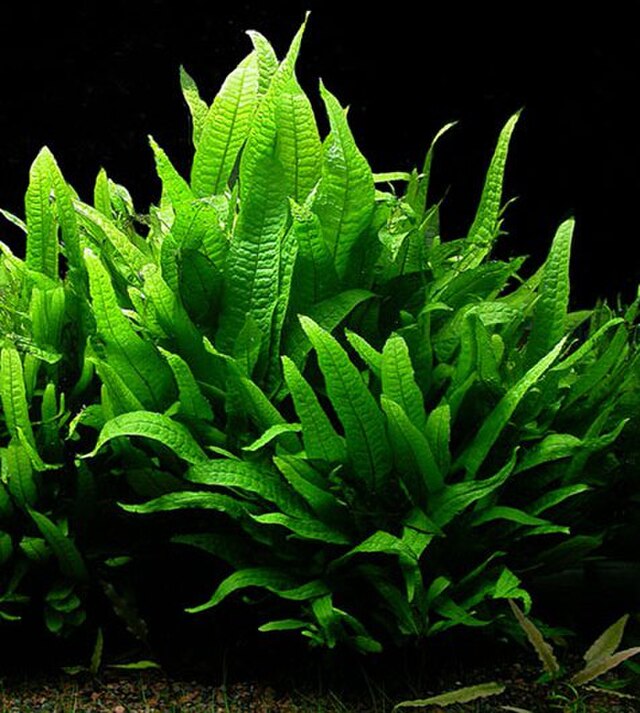
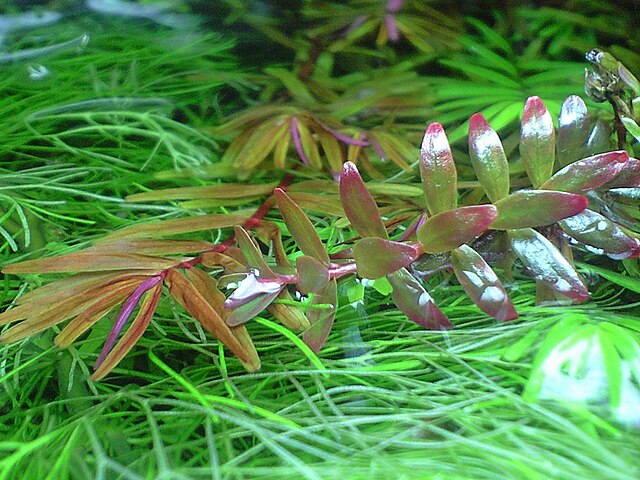
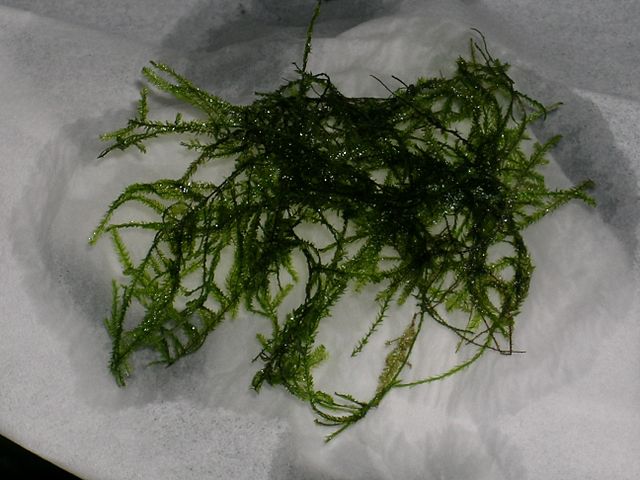
Aquatic plant tanks are a popular hobby that lets you enjoy beautiful, lush green layouts in your own home. However, many people worry: "Maintenance must be expensive" and "What costs the most money?" In reality, costs vary significantly depending on your tank style and equipment choices. This article compares and explains both initial and running costs—from simple beginner setups to fully-equipped CO2-injected tanks. For basic aquatic plant care techniques, also check out A Beginner's Guide to Growing Aquatic Plants.
Aquatic Plant Tanks Come in Two Main Styles
When setting up an aquatic plant tank, your first step is deciding which style to pursue. This determines your cost outlook.
Low-Light, No CO2 Setup (Beginner-Friendly)
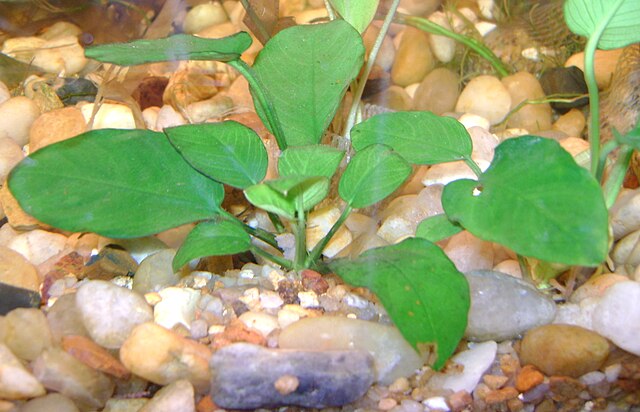
This style features hardy aquatic plants like Anubias, Willow moss, and Microsorum that thrive without high light or CO2 injection. Equipment is simple, startup costs are minimal, and maintenance is easy—making it ideal for beginners. For more details on plants that grow without CO2, see A Guide to CO2-Free Aquatic Plants | Creating Beautiful Layouts in Low-Tech Tanks.
High-Light, CO2-Injected Setup (Advanced)
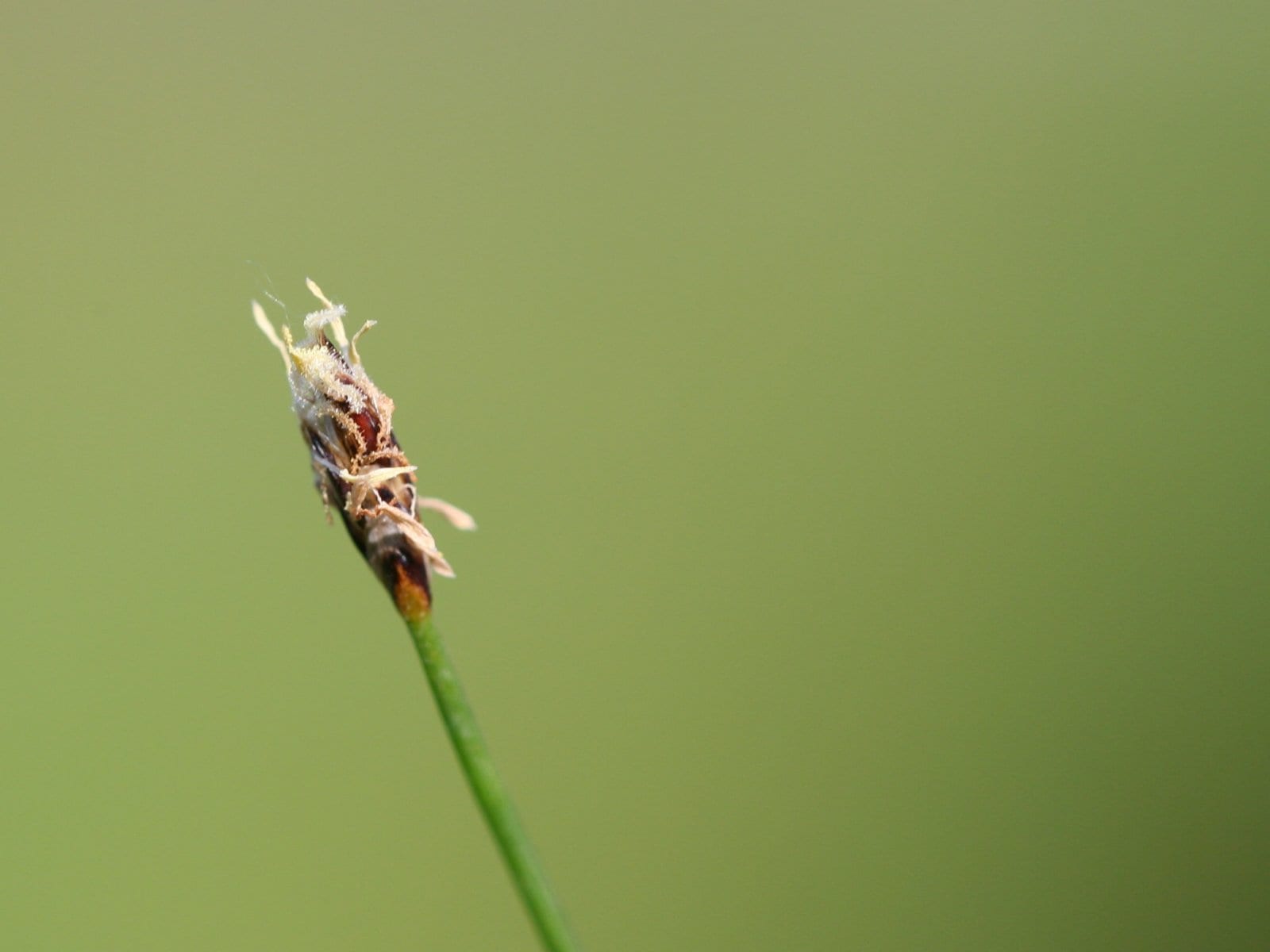
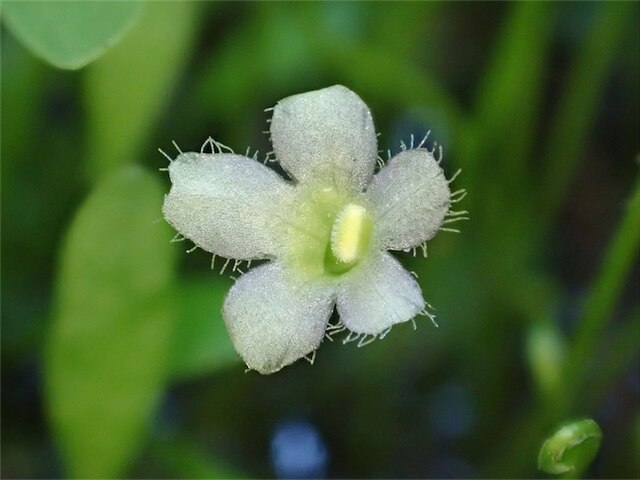
This style uses plants that demand intense light and CO2, such as Rotala, Glossostigma, and Hair Grass. You can enjoy stunning green carpets and vibrant red-stemmed plants, but you'll need significant equipment investment and daily maintenance.
Initial Cost Estimates
Here's a breakdown of typical startup costs for aquatic plant tanks by style.
Required Equipment and Costs (For a Standard 60cm Tank)
| Equipment | Cost Estimate |
|---|---|
| 60cm Tank | ¥3,000–¥8,000 |
| LED Lighting | ¥5,000–¥30,000 |
| Filter | ¥3,000–¥15,000 |
| Substrate (for 60cm tank) | ¥1,500–¥3,000 |
| CO2 System (regulator + bottle) | ¥10,000–¥30,000 |
| Layout Materials (driftwood, rocks, etc.) | ¥2,000–¥10,000 |
| Aquatic Plants (initial stock) | ¥2,000–¥8,000 |
A low-light, no CO2 setup requires only basic lighting and no CO2 equipment, so you can get started for roughly ¥10,000–¥30,000.
A high-light, CO2-injected setup requires specialized high-output LED fixtures and a complete CO2 regulator and bottle system, often totaling ¥40,000–¥100,000 or more. Premium brands like ADA and Chihiros offer excellent quality but can cost ¥30,000–¥50,000 for a single light fixture. As of 2026, more cost-effective Japanese LED brands are becoming available, expanding your options.
Monthly Running Costs
Beyond initial investment, monthly running costs are a key consideration.
Breakdown of Common Running Expenses
- Electricity (lighting, filter, heater): ¥1,000–¥3,000 Lighting consumes the most power. Running high-output LEDs for 8–10 hours daily increases electricity costs significantly.
- CO2 Bottles (small disposable type): ¥500–¥1,500 A 60cm tank typically uses 1–2 bottles per month, depending on frequency and tank size.
- Liquid Fertilizers (nitrogen, phosphorus, potassium, trace elements): ¥300–¥800 Usually needed a few months after setup, once substrate nutrients deplete. For detailed guidance on which fertilizers to use when, see The Complete Guide to Aquatic Plant Fertilizers | Choosing Between Liquid, Solid, and Substrate Fertilizers.
- Water Treatment (dechlorinator, pH adjuster): ¥100–¥300
- Filter Media Replacement (consumables): A few hundred yen (every few months)
A low-light, no CO2 tank typically costs ¥2,000–¥4,000 per month, while a high-light, CO2-injected tank runs ¥5,000–¥10,000 per month.
Smart Ways to Keep Costs Down
Long-term enjoyment of your aquatic plant tank requires smart cost management. A few key strategies can cut your annual expenses significantly.
Switch to a Midbon (Mid-Size Cylinder) for Massive CO2 Savings
Small disposable CO2 bottles are convenient but expensive. Switching to a 5kg mid-size cylinder (Midbon) can reduce gas costs to one-tenth or less compared to small bottles. While you'll need upfront investment in a regulator and a one-time cylinder purchase and fill-up, long-term savings are substantial.
Use Concentrated Liquid Fertilizers and Dilute Them Yourself
Liquid fertilizers come in both pre-diluted and concentrate forms. Buying concentrate and diluting it yourself means one bottle lasts much longer, dramatically improving cost-per-use.
Use a Timer on Your Lighting for Electricity Savings and Algae Control
Set your lights to run 8–10 hours daily and use an automatic timer outlet. This prevents algae blooms while avoiding wasted electricity. Overlighting causes algae explosions, leading to extra cleaning costs and work down the line. For comprehensive algae management strategies, see Complete Algae Control Guide for Aquatic Plant Tanks | Causes and Solutions by Type.
Start with Low-Light Species
Hardy plants like Anubias Nana, Willow moss, and Microsorum thrive without intense light or CO2. Begin with these to establish your tank environment and gain experience. Once comfortable, gradually move on to more demanding plants—this minimizes costs and failures.
GrowerDirect's Safe, Reliable Approach
When buying aquatic plants, you have another option beyond local shops and online retailers: purchasing directly from producers and cultivators through "GrowerDirect."
Significantly Reduce Pesticide Risk
Imported aquatic plants sometimes retain pesticide residues, which can wipe out entire shrimp colonies. Buying directly from domestic cultivators on GrowerDirect means far less pesticide worry, letting you safely keep plants with shrimp. For more on pesticide-free options, see Tissue-Cultured Aquatic Plants: Benefits and How to Use Them | Safe, Pathogen-Free, Pesticide-Free Plants.
Access Rare and Specialty Species
Rare plants and specialty cultivars seldom found in shops are offered by expert growers and cultivators on GrowerDirect. You can find species your local aquarium store has never seen, all through direct transactions.
Confirm Growing Conditions Directly with the Grower
Before buying, ask cultivators directly: "How much light do you need?" "Is CO2 required?" "What water parameters does it prefer?" Confirming compatibility with your tank beforehand minimizes failures and unexpected costs.
Aquatic plant tanks vary enormously in cost based on style and equipment. Start modestly with a simple setup within your budget, purchase directly from cultivators through GrowerDirect, and gradually expand your aquatic plant hobby at your own pace.