Benefits and Usage of Tissue Culture Aquatic Plants | Safe, Pesticide-Free Aquatic Plants
Explore tissue culture aquatic plants and their benefits. Learn how sterile, pesticide-free TC cultivation eliminates snail contamination and pesticide risks for shrimp, key differences from standard aquatic plants, preparation steps and planting techniques from cup to tank, and which species thrive best with tissue culture.
Key Takeaways
Explore tissue culture aquatic plants and their benefits. Learn how sterile, pesticide-free TC cultivation eliminates snail contamination and pesticide risks for shrimp, key differences from standard aquatic plants, preparation steps and planting techniques from cup to tank, and which species thrive best with tissue culture.
Related Species
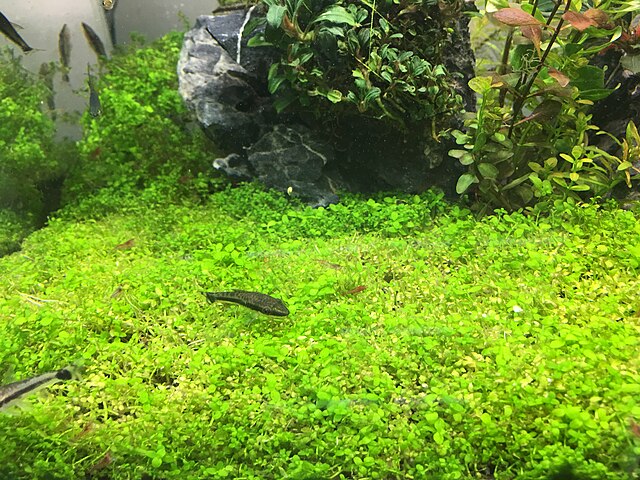
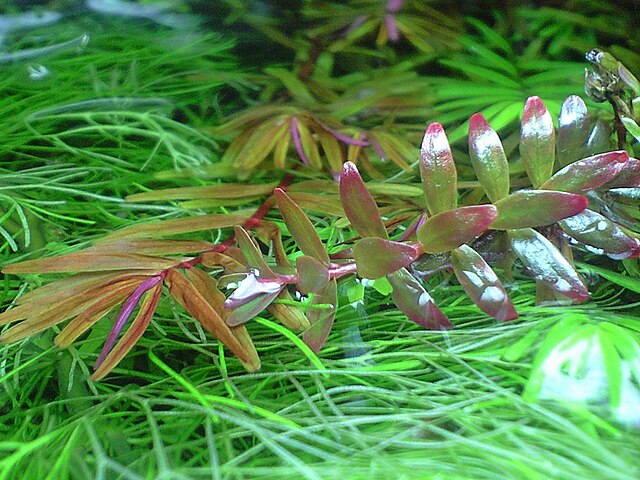
Have you ever struggled with choosing aquatic plants, whether you're just starting an aquarium or an advanced aquarist? Many people have experienced disappointment after purchasing aquatic plants—suddenly dealing with an explosion of snails or watching shrimp die unexpectedly. The solution to these problems is "tissue culture aquatic plants (Tissue Culture)." Known for their unparalleled safety as sterile, pesticide-free plants, they've become increasingly common in aquarium shops in recent years. This article provides a detailed explanation of tissue culture aquatic plants, how they differ from regular aquatic plants, and the proper planting method.
What Are Tissue Culture Aquatic Plants? Their Mechanism and Characteristics
Tissue culture aquatic plants are aquatic plants artificially grown from plant cells or tissues in sterile agar medium. Commonly called "Tissue Culture," this technology was originally developed in agriculture and horticulture to mass-produce disease-resistant seedlings. It has since been applied to the aquarium world, and today many manufacturers sell tissue culture aquatic plants in cup containers.
The cultivation environment is completely controlled, making contamination from pests, weeds, snails, planarians, and other unwanted organisms theoretically impossible. Additionally, since no pesticides are used, these plants can be safely introduced directly into tanks with pesticide-sensitive shrimp and small fish.
Main Benefits of Tissue Culture Aquatic Plants
- Zero risk of pests and snails: No contamination from snails (small aquatic gastropods), planarians, hydra, or other unwanted organisms
- Pesticide-free for safety: Can be introduced immediately to tanks with Amano shrimp, Cherry shrimp, and other pesticide-sensitive aquatic life
- Uniform quality: Cultured from identical clones, resulting in minimal individual variation and consistent appearance
- Long storage possible: Can be stored in refrigeration (around 10–15°C) for several weeks to approximately one month
- Less deterioration during transport: The sealed cup design resists drying and physical damage
Drawbacks of Tissue Culture Aquatic Plants
- Higher price: Often more expensive compared to conventional bundled aquatic plants
- Limited quantity: Each cup contains a small amount; multiple cups may be needed to cover a large area
- Acclimation period required: Takes 1–2 weeks for the plants to adapt to the aquatic environment
Thorough Comparison with Regular Aquatic Plants
Aquatic plants can be broadly divided into three types: "submerged leaves," "emersed leaves," and "tissue culture." Each has distinct characteristics, and selection should be based on purpose and environment.
| Characteristic | Tissue Culture | Submerged Leaves | Emersed Leaves |
|---|---|---|---|
| Pest risk | None | Present | Present |
| Pesticide risk | None | Present (requires rinsing) | Present (requires rinsing) |
| Adaptation after planting | 1–2 weeks | Same day to several days | 1–3 weeks |
| Price | Somewhat high | Moderate | Relatively inexpensive |
| Quantity per purchase | Small | Medium | Large |
| Storage duration | Long | Short | Moderate |
For shrimp tanks or tanks focused on small fish, tissue culture aquatic plants are particularly suitable because they completely eliminate pesticide risk. Conversely, when wanting to plant large quantities of foreground plants, multiple cups will be necessary, so cost-conscious selection is also important.
Proper Planting Method and Preparation Tips
Tissue culture aquatic plants require a slightly different planting procedure than regular aquatic plants. Following these steps will ensure smooth acclimation.
Planting Steps
- Remove from cup: Remove the lid and take out the aquatic plant with its agar medium
- Rinse away the agar medium: Gently rinse away the agar in running water. Remaining agar can cause water mold, so be especially thorough around the roots
- Arrange the roots: If roots are long, trim them to about 1–2 cm for easier planting
- Divide into small bundles: Split into bundles of 3–5 stems as a guideline. Smaller divisions allow for denser planting
- Plant with tweezers: Insert straight into the substrate, somewhat deep. Plant shallowly and the stems will float—the key is to thoroughly wrap the substrate around the base
- Don't disturb after planting: Avoid touching the plants for about a week until roots establish
Tips for Assisting Water Acclimation
Since tissue culture aquatic plants grow in the special environment of agar medium, they need time to acclimate to the aquatic environment in the tank. Pay attention to the following during the acclimation period.
- Don't panic if leaves melt: Older leaves may dissolve during the first week, but this is a normal response. Once new submerged leaves begin to unfold, it's a sign of progress
- CO2 supplementation is effective: Adding CO2 increases photosynthesis and speeds up acclimation
- Supplement with liquid fertilizer: Adding a small amount of liquid fertilizer containing nitrogen, phosphorus, and potassium stabilizes growth
- Avoid strong water flow: Roots haven't established immediately after planting, so be careful to prevent uprooting from strong currents
Types of Aquatic Plants Suited for Tissue Culture
While not all aquatic plants are suitable for tissue culture, here are some particularly popular types with high distribution volumes.
Foreground plants (those covering the bottom)
- Glossostigma: A classic foreground plant forming bright green carpets. Fast-growing and beginner-friendly
- Cuba Pearl Grass: Beautiful with fine, delicate leaves. High light and CO2 supplementation are ideal
- New Large Pearl Grass: Grows well under relatively low light, making it beginner-friendly
Midground to background plants
- Rotala varieties: Available in red and green variations, perfect as background accents
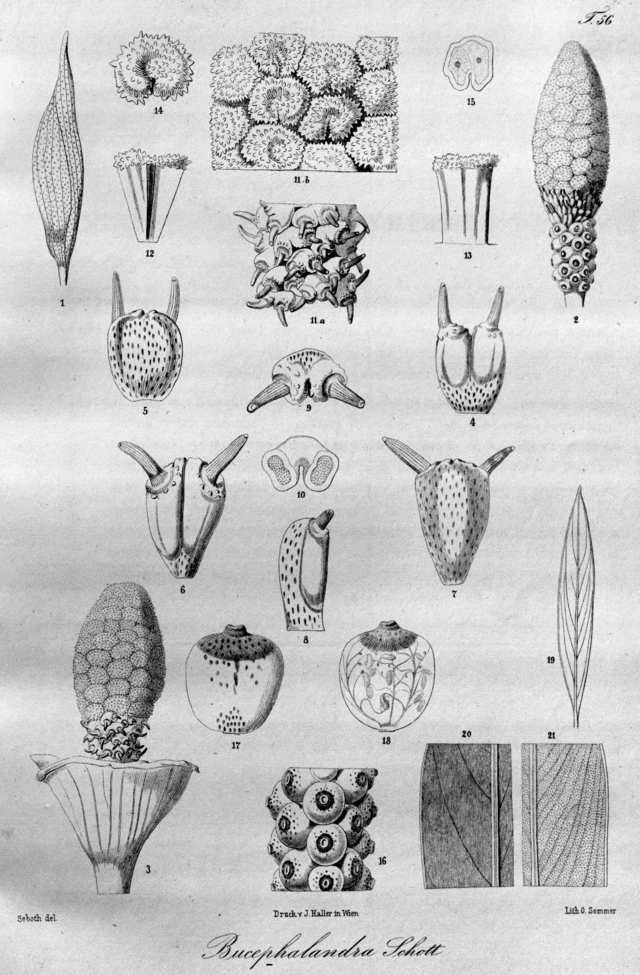
- Bucephalandra: Leaves have a distinctive sheen, and can be attached to driftwood or rocks. Highly collectible
Rosette-type and specialty plants
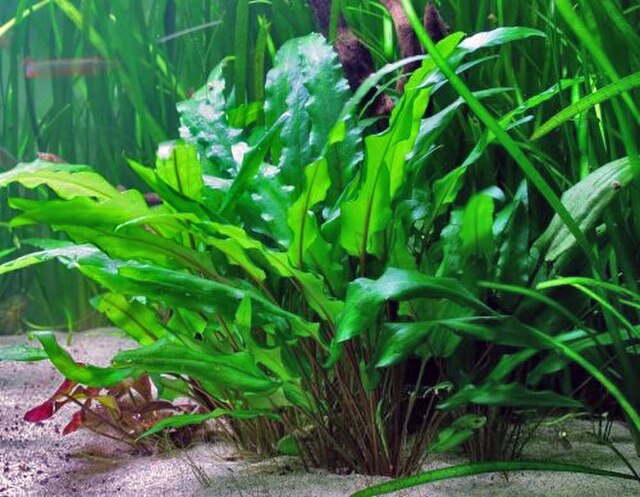
- Cryptocoryne varieties: Shade-tolerant and hardy. Once established, can be enjoyed long-term
- Anubias varieties: By attaching to driftwood or rocks, you can create naturally-looking layouts
GrowerDirect's Safe and Reliable System
At GrowerDirect, you can purchase a wide variety of aquatic plants directly from growers, including tissue culture varieties. The direct-sales model without intermediaries means products arrive fresh and in excellent condition—a major advantage.
Why GrowerDirect Is Chosen
- Peace of mind knowing the producer: You can purchase with confidence after checking grower profiles and their cultivation environment
- Rare and unusual varieties available: Species that are difficult to find in regular shops and grower-cultivated strains often become available
- Direct questions and consultation possible: You can ask growers directly about plant care and tank environments, providing peace of mind even for beginners
- Fair pricing: With no intermediary markups, products are easier to purchase at prices reflecting their quality
Tissue culture aquatic plants are treasured by serious aquarists, especially those who value disease-free livestock, precisely because of their safety. If you want to enjoy creating beautiful planted tanks without worries of snail or pesticide problems, be sure to explore tissue culture plants from trustworthy growers at GrowerDirect.