Emersed Cultivation Guide for Aquatic Plants | Benefits and Methods of Above-Water Growing
Learn the methods of emersed cultivation (above-water cultivation) for growing aquatic plants outside of water. We explain the differences between emersed and submerged leaves, the benefits of emersed cultivation, necessary equipment, humidity management tips, and recommended species.
Key Takeaways
Learn the methods of emersed cultivation (above-water cultivation) for growing aquatic plants outside of water. We explain the differences between emersed and submerged leaves, the benefits of emersed cultivation, necessary equipment, humidity management tips, and recommended species.
Related Species
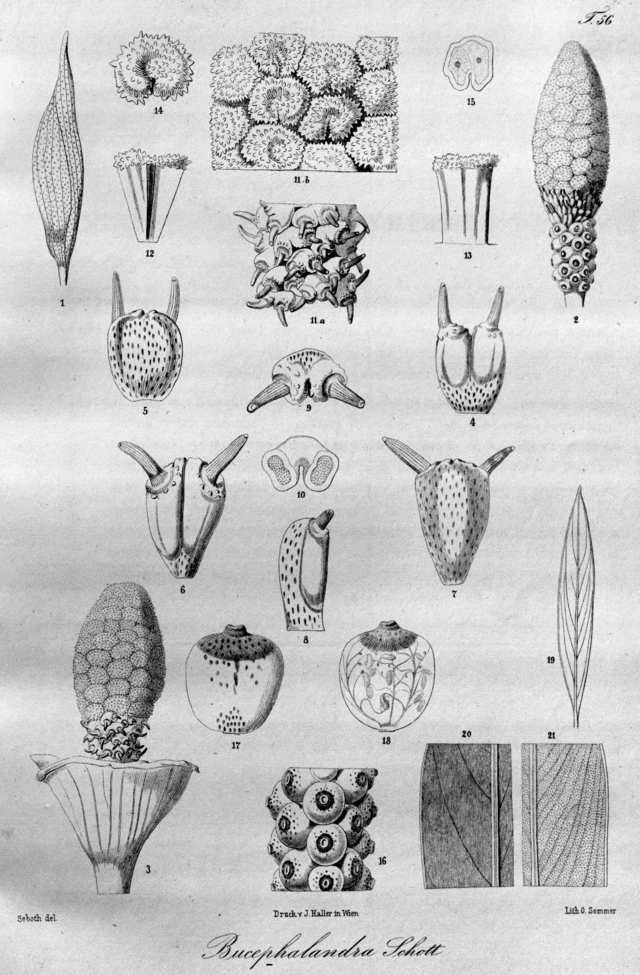
Bucephalandra
View species details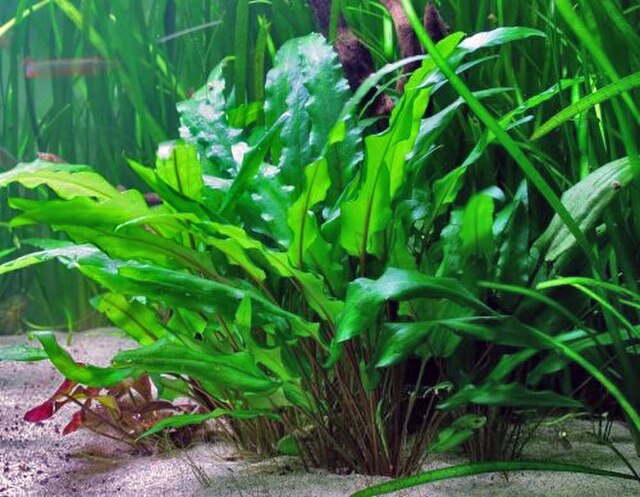
Cryptocoryne
View species details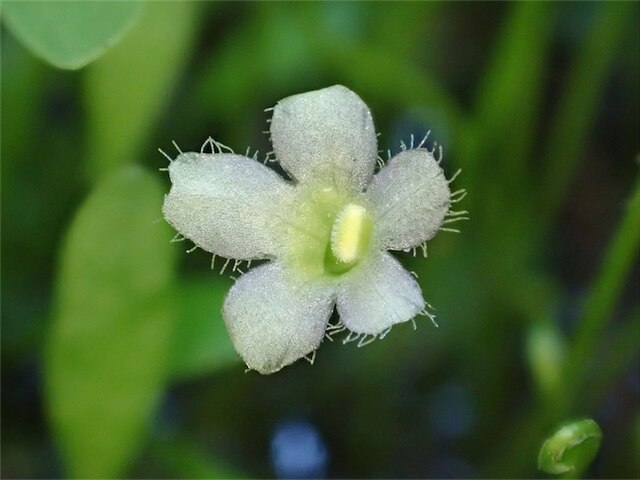
Glossostigma
View species details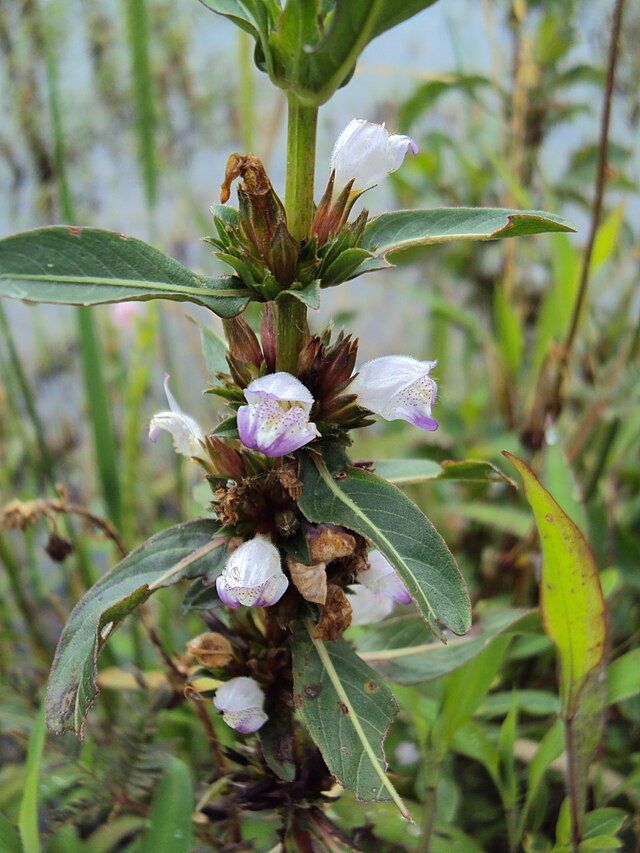
Hygrophila
View species details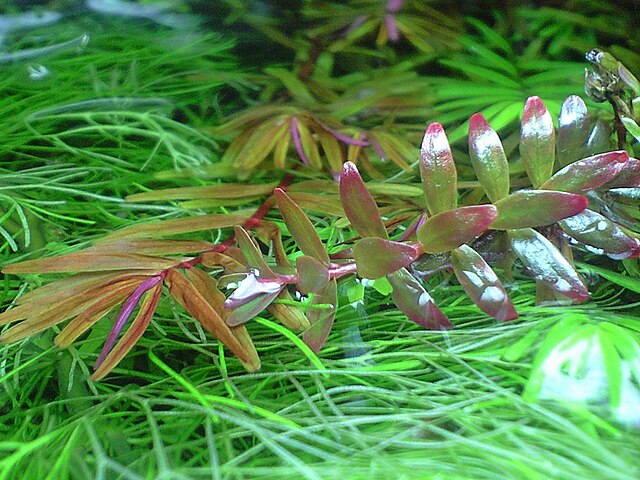
Rotala
View species details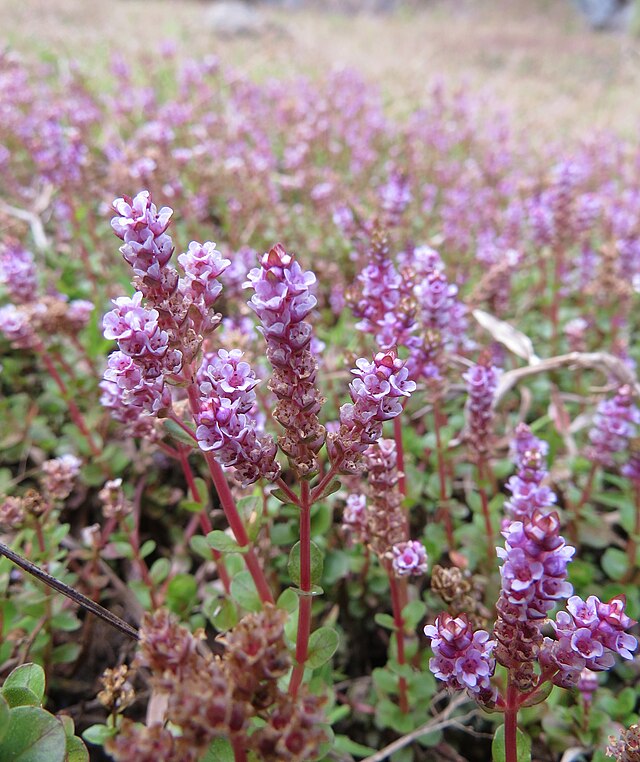
Rotala Rotundifolia
View species detailsStaurogyne Repens
View species detailsVallisneria spiralis
View species detailsWhile aquatic plants are often thought of as plants grown underwater, many aquatic plants can also be grown outside of water. This is called "emersed cultivation" or "above-water cultivation." Emersed cultivation has many advantages that submerged cultivation does not have, and it is becoming increasingly popular among aquatic plant enthusiasts.
Differences Between Emersed Leaves and Submerged Leaves
Many aquatic plants in nature grow in areas with fluctuating water levels, and they have the ability to adapt to both underwater and above-water environments. The leaves that develop underwater are called "submerged leaves (submersed)," and the leaves that develop above water are called "emersed leaves (emergent)."
The same species can look very different depending on whether the leaves are submerged or emersed. Generally, emersed leaves are thicker and harder than submerged leaves, and they develop a deeper green color. Submerged leaves are characteristically thin and soft, with high light transparency and a delicate appearance. In the case of Rotala rotundifolia, the submerged leaves are reddish, slender leaves, but the emersed leaves become rounded, green leaves. This is one of the fascinating aspects of aquatic plants—they display completely different forms depending on whether they are above or underwater.
Benefits of Emersed Cultivation
No worry about algae The greatest benefit of emersed cultivation is that it completely eliminates the algae (algal) problems that plague submerged cultivation. You are freed entirely from the most stressful task in aquarium management—removing algae.
Easy to manage Submerged cultivation requires many devices and knowledge, such as filters, CO2 injection equipment, and water quality management. However, emersed cultivation is as simple as putting soil in a pot and keeping it in a moisture tray. Lighting can often be provided by natural light from a window, and there are no electricity costs.
Faster growth The air contains approximately 50 times more CO2 than water, so aquatic plants grow extremely fast in emersed cultivation. When you want to efficiently increase your stock of aquatic plants, emersed cultivation is overwhelmingly superior.
Enjoy flowers You can observe the flowers of aquatic plants in emersed cultivation, which are rarely seen when submerged. You can enjoy forms not seen in water, such as the white flowers of Bucephalandra and the unique tubular flowers of Cryptocoryne—this is one of the unique pleasures of emersed cultivation.
Manage multiple species in limited space Small pots or plastic containers allow you to manage one species at a time, so you can collect many species in a limited space. This is also suitable for those who don't have room to place multiple aquariums.
Equipment Needed for Emersed Cultivation
Very few special devices are needed to start emersed cultivation.
Containers Any container that can hold water will work—plastic pots, pudding cups, plastic cases, storage containers, and so on. Transparent containers are recommended as they make humidity management easier. Using a glass case for paludariums allows you to enjoy it as an interior decoration as well.
Substrate Small-grain akadama (red clay) is the most common and readily available choice. You can also use soil as is. Field soil (akagishi clay) is also suitable for aquatic plant emersed cultivation and is rich in nutrients, promoting better growth.
Moisture trays A tray to keep the bottom of the pot constantly immersed in water. Use plastic saucers or shallow trays. The water depth should be approximately 1–3 cm from the pot bottom, and make sure the entire pot does not become submerged.
Humidity covers For aquatic plants that prefer high humidity, cover with plastic wrap or a lid to maintain humidity. Since mold will develop if there is no air circulation at all, leave a small gap or ventilate at least once a day.
Steps for Emersed Cultivation
1. Prepare the container and substrate Place 3–5 cm of substrate in the container and pour in water to moisten the entire substrate. The ideal water level is when water is just barely visible from the surface of the substrate.
2. Planting aquatic plants Plant the aquatic plants as they are received in the submerged leaf state. As submerged leaves transition to an above-water environment, they may melt or die once, but if the rhizome or roots are alive, new emersed leaves will develop. If you receive plants in the emersed leaf state, simply plant them as they are.
3. Humidity management Humidity is especially important immediately after planting. Cover the container with plastic wrap to maintain humidity above 80%. Once the emersed leaves stabilize, gradually remove the wrap and acclimate them to normal room humidity.
4. Light and temperature Place in a bright location near a window or use a small LED light. Direct sunlight can cause the inside of the container to become dangerously hot in summer, so bright light filtered through a lace curtain is appropriate. The ideal temperature is 20–28°C, and in winter, ensure the temperature does not drop below 15°C.
5. Fertilizer and water management Replenish the moisture tray water as it decreases, and do a complete water change approximately once every two weeks to keep it clean. Add liquid fertilizer diluted in the moisture tray water, or mix bottom substrate fertilizer into the soil. Since emersed cultivation grows faster than submerged cultivation, be careful not to run out of fertilizer.
Recommended Species for Emersed Cultivation
Not all aquatic plants are suitable for emersed cultivation. Here are species that are particularly easy to cultivate in an emersed state.
- Bucephalandra: Hardy even above water. Flowers bloom easily and have high ornamental value
- Cryptocoryne: Emersed cultivation is very easy. You can enjoy collecting flowers
- Rotala species: Fast-growing with color changes enjoyable above water as well
- Glossostigma: Spreads adorably across the surface of the pot
- Hygrophila species: Hardy and easy to grow, ideal for beginners to emersed cultivation
- Staurogyne repens: Grows compactly and is easy to manage even in small pots
On the other hand, completely aquatic species like Vallisneria and Salvinia are difficult or impossible to cultivate in an emersed state.
Transition from Emersed Leaves to Submerged Leaves
When introducing aquatic plants grown by emersed cultivation into an aquarium, a transition period from emersed to submerged leaves is necessary. If you place emersed leaves directly into a submerged state, the old leaves will fall off, but new submerged leaves will develop. The transition period varies by species but takes approximately 2–4 weeks. The appearance may be somewhat untidy during this time, but please be patient.
Benefits of Emersed Cultivation and Commercial Applications
Cultivation in the emersed leaf state is not only a personal hobby but also the mainstream method in commercial aquatic plant production. Many aquatic plant farms produce large quantities in the emersed leaf state and ship them. The benefits of emersed cultivation are fast growth rate, ease of management, and minimal damage during transport. Emersed leaves are thicker and more durable than submerged leaves, making them resistant to impact during packing and shipping, and maintaining a stable state upon arrival. When cultivating emersed plants individually, you can share the aquatic plants you grow with friends or sell them on platforms like GrowerDirect. Since emersed cultivation requires little space and minimal equipment, more enthusiasts are taking it up as a side business or extension of their hobby. One note of caution: residual pesticide issues can arise depending on the soil and fertilizer used in emersed cultivation. If shipping to shrimp tanks, it is necessary to maintain strict pesticide-free management.
Cautions When Transitioning to Submersion (Submersion)
When moving emersed leaves underwater, a transition process called "submersion" occurs. During this time, the emersed leaves you have been growing may melt and disappear, but this is not abnormal—it is a normal response.
Transition process
- Move well-rooted aquatic plants underwater (or add water)
- Within 1–2 weeks after transition, the emersed leaves gradually melt and die
- After that, new submerged leaves develop from the base
- It takes approximately 2–4 weeks to become fully adapted to submerged conditions
Tips for smooth transition
- Avoid abrupt changes in water quality and temperature
- Adding CO₂ accelerates the development of submerged leaves
- Regularly remove melted leaves to prevent water quality deterioration
It is important to wait patiently. Even if emersed leaves melt, the plant is not dead—it is in the process of adapting to its new environment.
Finding Aquatic Plants on GrowerDirect
On GrowerDirect, you can purchase aquatic plants in both emersed and submerged leaf states from growers who are also experienced in emersed cultivation of aquatic plants. A major advantage is that you can directly ask experienced growers for tips on emersed cultivation and precautions specific to each species.