Tissue Culture Aquatic Plants vs. Standard Aquatic Plants: Pesticide Risk Comparison | Safe Aquatic Plant Selection for Shrimp Tanks
Comprehensive comparison of pesticide residue risks between tissue culture aquatic plants (TC plants) and standard aquatic plants. We explain why tissue culture plants are safe, the time required for pesticide removal in standard plants, and how to choose aquatic plants by category (foreground, midground, background) considering pesticide risks from a shrimp tank perspective.
Key Takeaways
Comprehensive comparison of pesticide residue risks between tissue culture aquatic plants (TC plants) and standard aquatic plants. We explain why tissue culture plants are safe, the time required for pesticide removal in standard plants, and how to choose aquatic plants by category (foreground, midground, background) considering pesticide risks from a shrimp tank perspective.
Related Species
What Are Tissue Culture Aquatic Plants?
Tissue culture aquatic plants (Tissue Culture aquatic plants, TC plants) are clean aquatic plants produced by propagating plant cells and tissues in sterile culture media. They are sold in cups with zero pesticides, snails, and algae.
In Japan, they are widely distributed as the ADA TC series, Tropica TC aquatic plants, and cup aquatic plants from various manufacturers.
Characteristics of Tissue Culture Aquatic Plants
| Characteristic | Details |
|---|---|
| Pesticides | Zero (no use or residue) |
| Snails | Zero (no contamination) |
| Algae | Zero (sterile culture) |
| Price | 2–4× higher than standard plants |
| Transition to submerged leaves | Time-consuming (conversion from emersed leaves) |
| Planting difficulty | Moderately high (fragments easily) |
Pesticide Risks in Standard Aquatic Plants
Imported aquatic plants (primarily from Southeast Asia) often retain pesticide residues from cultivation. Pesticide residue risk increases in particular under the following circumstances.
High-risk cases
- Aquatic plants without clearly disclosed pesticide cultivation conditions
- Poor condition plants (yellowed leaves) – may indicate heavier pesticide treatment
- Aquatic plants from unclear import sources or unknown brands
Common pesticide residues and their effects on shrimp
| Pesticide Type | Primary Use | Toxicity to Shrimp |
|---|---|---|
| Neonicotinoids (imidacloprid, etc.) | Insect control | Very high (neurotoxic) |
| Organophosphates (chlorpyrifos, etc.) | Insecticide | High |
| Pyrethroids | Insecticide | High |
| Fungicides (triazoles, etc.) | Fungal/disease prevention | Moderate |
Pesticide Risk Comparison: Tissue Culture vs. Standard Aquatic Plants
Foreground Plants (Carpet-forming)
| Plant Name | TC Availability | Standard Plant Pesticide Risk | Recommendation |
|---|---|---|---|
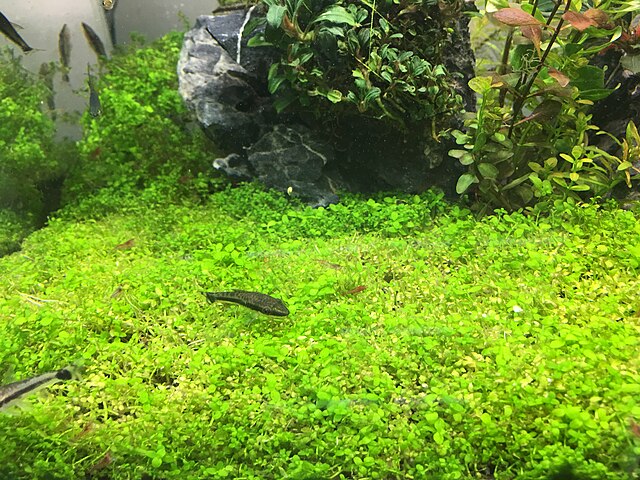
| Micranthemum montecarlo | ★★★★★ | Medium–High | TC recommended |
| Hair grass (extra short) | ★★★★☆ | High | TC recommended |
| Glossostigma elatinoides | ★★★★☆ | Medium | TC recommended |
| Cuba pearl grass | ★★★☆☆ | High | TC recommended |
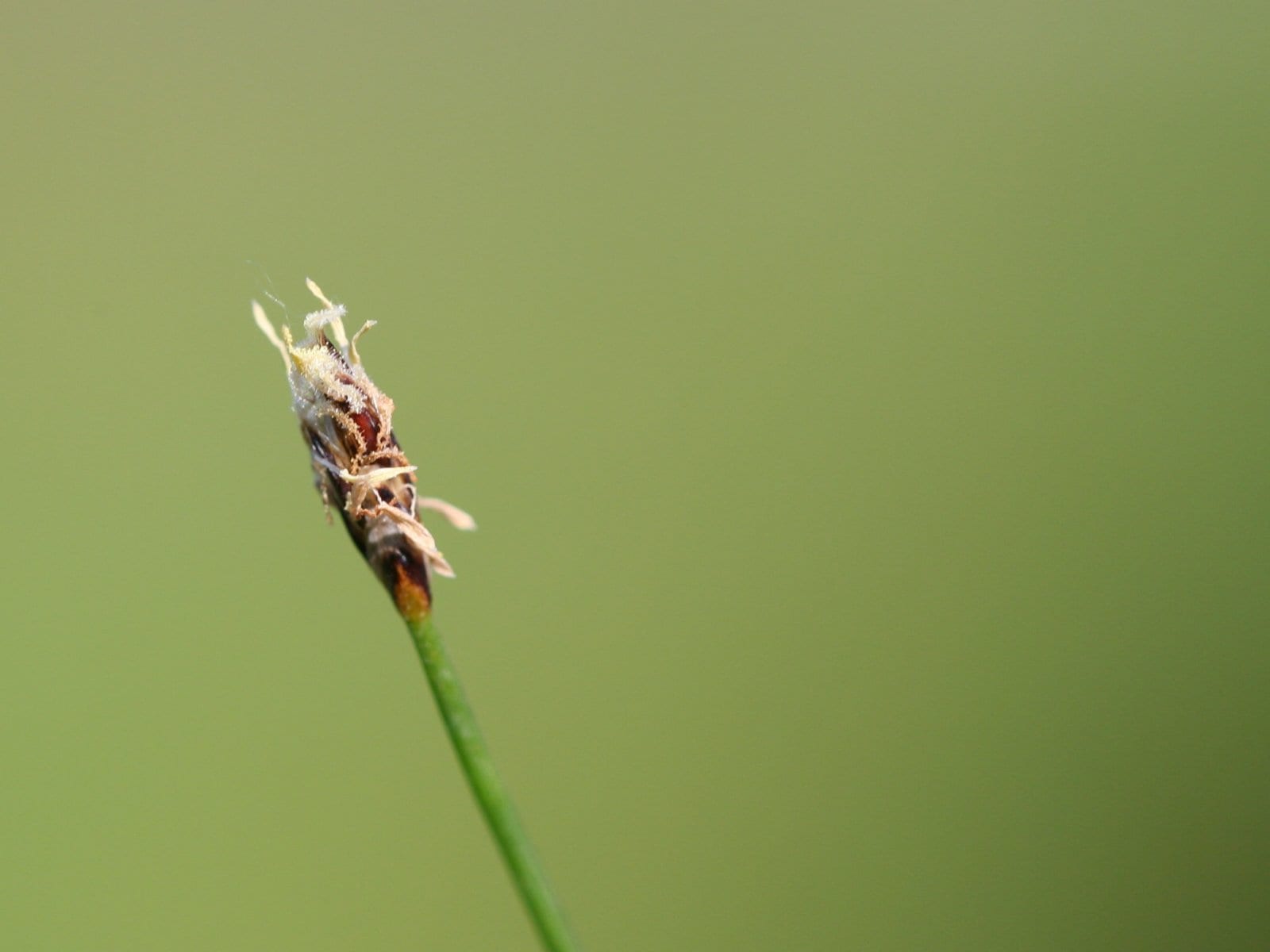
| Eleocharis sp. mini | ★★☆☆☆ | High | Pesticide removal essential |
Midground Plants
| Plant Name | TC Availability | Standard Plant Pesticide Risk | Recommendation |
|---|---|---|---|
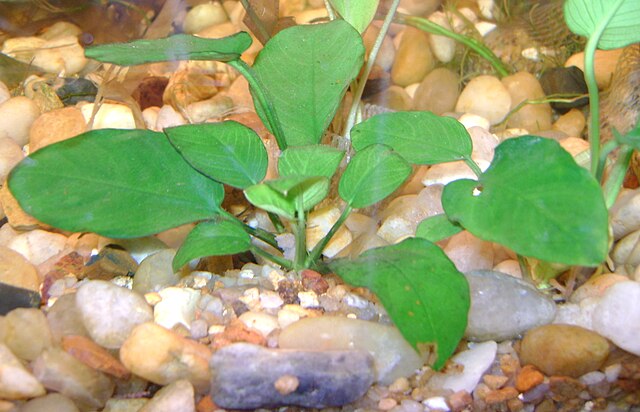
| Anubias nana | ★★★☆☆ | Medium | TC recommended or removal |
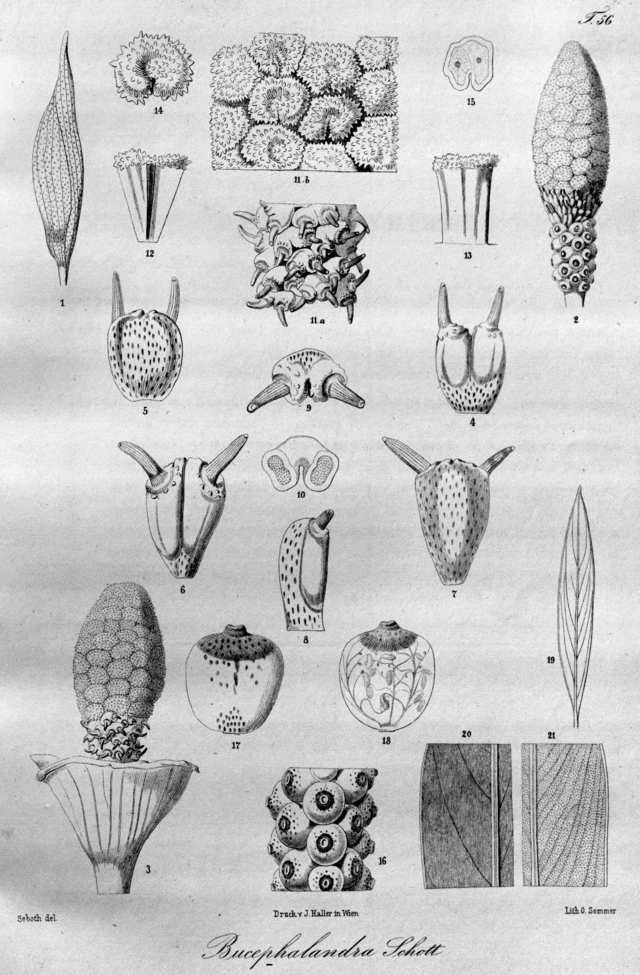
| Bucephalandra | ★★☆☆☆ | Medium | Pesticide removal essential |
| Microsorum | ★★☆☆☆ | Low–Medium | Pesticide removal recommended |
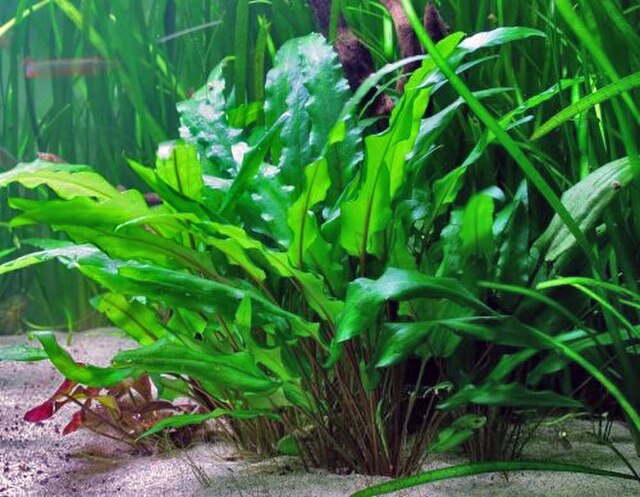
| Cryptocoryne | ★★★☆☆ | Medium–High | TC recommended |
| Rotala species | ★★★☆☆ | High | Pesticide removal essential |
Background Plants
| Plant Name | TC Availability | Standard Plant Pesticide Risk | Recommendation |
|---|---|---|---|
| Vallisneria | ★★☆☆☆ | Low | Can be introduced after removal |
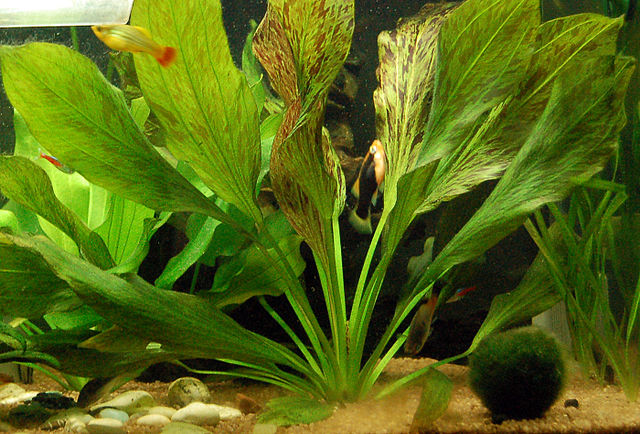
| Echinodorus species | ★★★☆☆ | Medium | TC or removal |
| Hygrophila | ★★★★☆ | High | TC recommended |
| Needle leaf ludwigia | ★★☆☆☆ | High | Pesticide removal essential |
Duration and Methods for Removing Pesticides from Standard Aquatic Plants
Estimated timeframes for removing pesticides from aquatic plants rated as "pesticide removal essential" when using standard varieties.
Removal Methods and Timeline
| Method | Duration | Effectiveness |
|---|---|---|
| Running water rinse + daily water changes (shrimp-free tank) | 2–4 weeks | ★★★☆☆ |
| Running water rinse + activated carbon filter | 1–2 weeks | ★★★☆☆ |
| Baking soda treatment (5 min) + running water rinse | 1–2 weeks | ★★★★☆ |
| Switch to tissue culture aquatic plants | Not needed | ★★★★★ |
Shrimp Test (final confirmation) After pesticide treatment, place 1–2 shrimp in a small container with the aquatic plants and observe for 24 hours. If shrimp move normally, the plants can be introduced to the main tank.
Cost Comparison: TC Aquatic Plants vs. Standard Plants + Pesticide Removal
TC plants are more expensive than standard varieties, but when considering pesticide removal effort and shrimp loss risk, they offer cost efficiency in many scenarios.
| Factor | TC Plants | Standard Plants + Pesticide Removal |
|---|---|---|
| Initial cost | High (2–4×) | Low |
| Pesticide removal effort | None | 1–4 weeks |
| Risk of shrimp loss | Zero | Low–Medium |
| Snail contamination risk | Zero | Low–Medium |
| Overall cost efficiency | ★★★★★ | ★★★☆☆ |
Especially when keeping expensive bee shrimp, investing in TC plants becomes a rational long-term choice.
Important Considerations When Choosing TC Aquatic Plants
Transition to Submerged Leaves Takes Time
Most TC plants arrive in cups as emersed leaves (water-grown leaves). When planted underwater, leaves initially melt off and fall—a "transition period"—before submerged leaves emerge.
- Transition period: 1–3 weeks
- Watch for water quality decline during transition (ammonia from decaying leaves)
- Amano shrimp help clean decaying leaves during this transition period
Tips for Planting TC Aquatic Plants
Thoroughly rinse away the agar medium in the cup (to prevent decay), and carefully separate roots without damaging them before planting. Since TC plants have shorter, finer roots than standard varieties, planting them deeper into heavier substrate (soil) provides secure anchoring.
How to Identify Quality TC Plants When Purchasing
When selecting TC plants in stores or online, check that the cup's culture medium is transparent without cloudiness, and that roots and leaves show no blackening or melting. Trusted brands (ADA, Tropica, etc.) have improved information disclosure about cultivation conditions; making it a habit to check labels and packaging information before purchase reduces mistakes.
Summary
Choosing aquatic plants for shrimp tanks prioritizes understanding pesticide risk.
- Prioritize zero risk: Choose tissue culture aquatic plants (TC plants)
- If budget-focused: Use standard plants + 2–4 weeks of pesticide removal treatment + shrimp test for confirmation
- By plant category: Foreground and background plants tend to carry particularly high pesticide residue risk
In tanks with pesticide-sensitive species like bee shrimp and cherry shrimp, investing in TC plants translates to long-term cost savings and individual specimen protection.