Foreground Plants (Carpet Plants) Comparison Guide | How to Grow HC, Monte Carlo, and Glossostigma
A comparative explanation of the 3 most popular foreground plants (carpet plants). Introduces differences in cultivation difficulty, CO2 requirements, and light requirements.
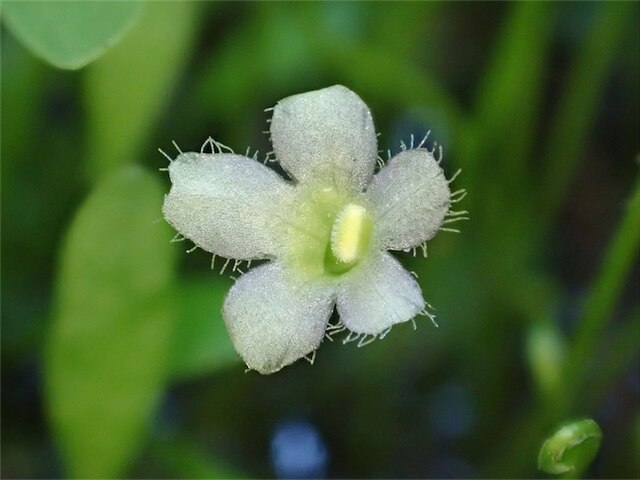
Key Takeaways
A comparative explanation of the 3 most popular foreground plants (carpet plants). Introduces differences in cultivation difficulty, CO2 requirements, and light requirements.
Related Species
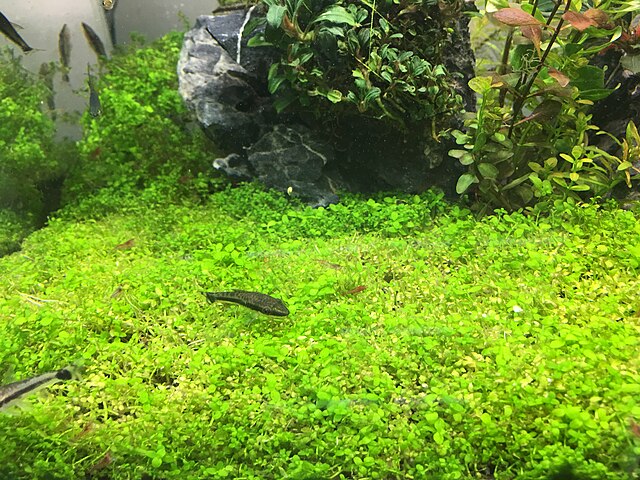
"Foreground plants (carpet plants)" that cover the substrate of an aquatic plant tank with a green carpet are a key element that greatly influences the completeness of an aquascape. The sight of delicate leaves spreading across a broad area has an overwhelmingly beautiful quality that draws viewers into a natural aquatic landscape.
However, foreground plants have higher cultivation difficulty compared to typical aquatic plants, and you often hear complaints such as "the plants floated up even though I planted them" and "they grew upward because there wasn't enough light." This article provides a detailed comparison of three representative species—HC (Cuba Pearl Grass), Monte Carlo, and Glossostigma—which are widely chosen by both beginners and experienced hobbyists, and explains their characteristics and cultivation tips.
HC (Cuba Pearl Grass) | The Classic Choice for Advanced Hobbyists Aiming for a Delicate Carpet
As the name suggests, HC is a delicate aquatic plant native to Cuba, and due to its tiny leaves and high density, it is often called "the most beautiful foreground plant" and frequently appears in contest works.
Cultivation Requirements
- Difficulty: Advanced
- CO2 Addition: Required (high concentration recommended)
- Light: High light required (ensure sufficient lumens with LED lighting)
- Substrate: Nutrient-rich soil recommended
- Growth Rate: Moderate
Characteristics and Appeal
The greatest appeal of HC is the delicacy of its leaves. Compared to other foreground plants, its leaves are extremely small, and the completed carpet creates depth and delicacy in the tank. HC is an ideal choice especially for those aiming for nature aquariums or grassland layouts.
Points to Note
If conditions are not met, HC roots won't attach properly to the soil and the plant bodies will float up. After planting, it's important to reduce water flow for a while and keep CO2 concentration and light levels stable. Also, if water temperature becomes too high, the plant tends to decline, so consider using a cooling fan or chiller during summer.
Monte Carlo (Micranthemum Monte Carlo) | A Versatile Foreground Plant Recommended for Beginners Too
Monte Carlo, native to New Zealand, is a foreground plant whose popularity has risen rapidly in recent years due to its rounded, attractive leaves and relatively easy-to-grow nature. While not as delicate as HC, it produces a voluminous carpet.
Cultivation Requirements
- Difficulty: Beginner to Intermediate
- CO2 Addition: Recommended (can be grown without it, but growth is slow)
- Light: Medium to high light
- Substrate: Soil recommended (gravel also possible)
- Growth Rate: Fast
Characteristics and Appeal
Compared to HC, its leaves are slightly larger, and the round shape creates a warm atmosphere. Since it grows quickly, another nice point is that the layout can reach near completion in a short time. Since it can be grown without CO2, it's a species that beginners without CO2 injection equipment can easily try.
Points to Note
Due to its vigorous growth, if left unattended, it can become too thick and the lower layers can die. Trim regularly to maintain appropriate thickness. In the early stages of planting, it tends to float up easily, so either inserting it firmly into the soil with tweezers or using a dry start (mist) method is effective.
Glossostigma | The Classic Choice, Most Loved in Japan
Glossostigma is native to Australia and is the most widely available foreground plant in Japan's aquarium market, and is easy to obtain at home centers and specialty shops. Its characteristic spoon-shaped leaves spreading creeping along the ground have become a classic element of grassland layouts.
Cultivation Requirements
- Difficulty: Intermediate
- CO2 Addition: Required
- Light: High light required
- Substrate: Nutrient-rich soil recommended
- Growth Rate: Very fast
Characteristics and Appeal
Glossostigma has one of the fastest growth rates among foreground plants. If conditions are right, a carpet covering the entire tank substrate can be completed in a few weeks. The spoon-shaped silhouette of its leaves has a unique appearance not found in other foreground plants, and looks great when combined with small fish.
Points to Note
When Glossostigma grows upward instead of creeping, it's a sign of insufficient light. Always ensure sufficient light. Also, due to its fast growth, trimming frequency increases. If left unattended, algae tends to develop, so make cutting a habit several times a month.
Complete Comparison of the 3 Species | Which One Should You Choose?
| Item | HC | Monte Carlo | Glosso |
|---|---|---|---|
| Difficulty | Advanced | Beginner-Intermediate | Intermediate |
| CO2 | Required | Recommended | Required |
| Light | High | Medium-High | High |
| Growth Rate | Moderate | Fast | Very Fast |
| Leaf Size | Tiny | Small-Medium | Medium |
| Beginner-Friendly | △ | ◎ | ○ |
- If trying foreground plants for the first time: Monte Carlo. It can grow reasonably well without CO2 and is easy to obtain.
- If aiming for contests or creating aquascapes: HC. It requires effort, but the beauty when completed is incomparable.
- If you want to complete the carpet quickly: Glossostigma. Its growth speed is unmatched.
Reducing Failure with the Dry Start Method (Mist Method)
The most common planting failure with foreground plants is "floating up." An effective method to prevent this is the dry start method (mist method).
Dry Start Procedure
- Fill a tank with substrate (soil) but do not add water; mist it instead
- Plant the foreground plants with tweezers, then seal with plastic wrap or a lid to maintain high humidity
- Cultivate for 2-4 weeks, misting daily to provide moisture
- Once roots are well-established, add water
By performing a dry start, you can add water once the roots are well-established in the soil, which greatly prevents floating up. This method is effective for HC, Monte Carlo, and Glossostigma alike.
GrowerDirect's Safe and Reliable System
When purchasing foreground plants, checking quality and condition is very important. GrowerDirect allows you to purchase directly from growers who actually grow aquatic plants, so you experience less degradation during distribution and can receive plants in healthy condition.
For foreground plants in particular, we recommend purchasing tissue culture cups. Tissue culture plants are free from pesticides, insects, and snails, so they can be safely introduced directly into tanks with your precious animals.
Additionally, GrowerDirect growers have extensive experience growing each species, so another major benefit is that you can directly ask for cultivation tips and advice on which species suits your tank environment when purchasing. Take the first step toward creating a green carpet together with a trusted grower.