Beginner's Guide to Aquatic Plant Care
For beginners who want to start aquatic plant cultivation. This guide thoroughly explains how to choose necessary equipment (aquarium, lighting, CO2, substrate), how to plant aquatic plants, trimming methods, and recommended easy-to-grow aquatic plants for beginners.
Key Takeaways
For beginners who want to start aquatic plant cultivation. This guide thoroughly explains how to choose necessary equipment (aquarium, lighting, CO2, substrate), how to plant aquatic plants, trimming methods, and recommended easy-to-grow aquatic plants for beginners.
Related Species
The Appeal and How to Start an Aquatic Plant Aquarium
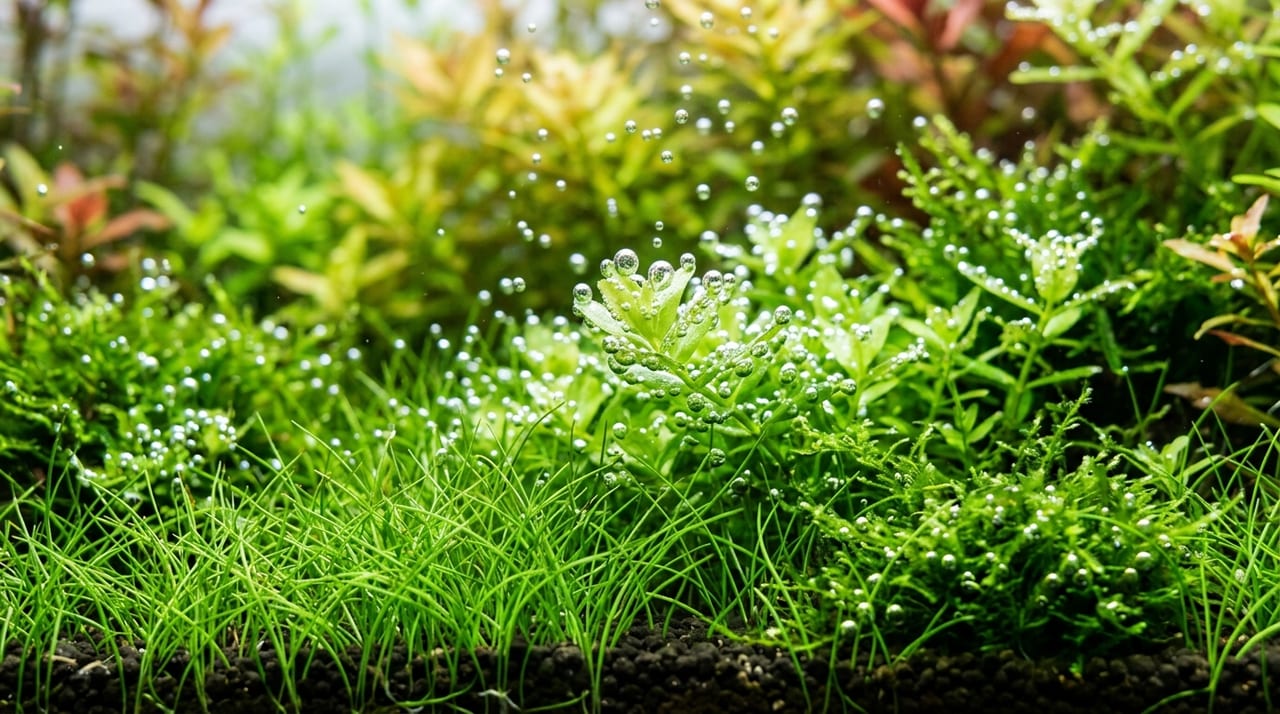
An aquatic plant aquarium is a hobby that lets you enjoy the beauty of a natural waterside right in your home. In this verdant underwater garden, fish and shrimp swim about, offering tranquility just by watching. However, many people may hesitate to start because they feel it looks difficult or worry there is too much equipment to handle.
In fact, if you master the basics, even beginners can enjoy it fully. This guide clearly explains the necessary knowledge from setting up your first aquatic plant aquarium to its daily management.
Gather the Necessary Equipment
Before starting an aquatic plant aquarium, let's first confirm what equipment you'll need. If you understand the role of each item, you won't be confused about how to choose.
Aquarium
For beginners, a 60 cm standard aquarium (60 cm wide × 30 cm deep × 36 cm tall, approximately 65 liters) is highly recommended. The larger the water volume, the more gradual the changes in temperature and water quality, making it less likely to fail. Small aquariums are difficult to manage and are not suitable for beginners.
Lighting
Lighting is essential for the photosynthesis of aquatic plants. Choose a dedicated LED light for aquatic plants. A guideline is to keep it on for 8 to 10 hours per day, and using a timer to keep it consistent also helps prevent algae. Be aware that cheap generic LEDs don't provide enough light, making it difficult for aquatic plants to grow.
Substrate (Soil)
The substrate has a major impact on the root growth of aquatic plants and water quality. Soil is highly recommended as it helps maintain slightly acidic water conditions. There are two types: "adsorptive" and "nutritive," but beginners should choose the more user-friendly adsorptive soil. Ensure a depth of 5 to 7 cm.
Filter
A canister filter is ideal for aquatic plant aquariums. This is because it doesn't allow CO2 to escape easily and has high filtration capacity. Hang-on filters allow CO2 to escape easily, making them unsuitable for serious aquatic plant setups.
CO2 Addition System
CO2 supplementation is very effective in promoting the growth of aquatic plants. A fermentation-type CO2 kit (a DIY type using sugar and yeast) is affordable and easy to start with, making it perfect for beginners. If you want to cultivate more seriously, consider transitioning to a bottled CO2 system. For detailed equipment selection and dosage guidelines, see our guide at Aquatic Plant Aquarium CO2 Addition Guide.
Which Should You Choose: With or Without CO2 Addition?
In an aquatic plant aquarium, whether or not you add CO2 directly affects the types of plants you can grow and their growth speed.
With CO2 addition, most aquatic plants grow vigorously and red-tinted plants display more vivid coloration. Stem plants and rotala grow quickly, making this option ideal for those who want to enjoy frequent layout changes. However, managing CO2 concentration and maintaining the equipment is necessary. See Aquatic Plant Growth Rate and Size for species-specific growth speed guidelines.
Without CO2 addition, you can still enjoy the hobby fully by choosing hardy types that can grow in low-CO2 conditions, such as anubias, willow moss, and cabomba. You'll save on costs due to less equipment, and maintenance is simpler. We recommend starting without CO2 and considering supplementation once you become more comfortable with the hobby.
Planting and Layout Basics
By learning the correct planting method, your plants will establish better roots and you can enjoy them for longer.
- Lay the substrate: Creating a slope with 5 cm in the front and 8–10 cm in the back of the tank gives a sense of depth.
- Plant stem plants: Using tweezers, insert the stem about 1 cm below the node into the soil. Leaving 1–2 cm between plants will make them look beautiful as they grow.
- Plant rosette-type plants: Remove from the pot and carefully take off the rockwool. The key is to spread the roots and plant shallowly so that the growth point (the bud at the base) does not get buried.
- Attach moss species: Spread willow moss thinly on driftwood or rocks and wrap with cotton thread or fishing line. They will become attached in 1–2 months.
The basic principle of layout is being aware of depth—foreground, midground, and background. Simply placing short glossostigma in the foreground, anubias in the midground, and rotala in the background creates a professional-looking result. For more sophisticated layout techniques, see Aquatic Plant Layout Basics.
Trimming and Daily Maintenance
Once your aquatic plants begin to grow, regular trimming is necessary. Neglecting this will cause lower leaves to die and plants not receiving sufficient light to weaken.
- Stem plants (rotala, hygrophila, etc.): Cut leaving 5–10 cm at the top, and you can propagate by replanting the cut portion elsewhere.
- Rosette plants (amazon sword, etc.): Cut old outer leaves at the base. Try to keep the new growth in the center.
- Moss species: Trim while shaping the overall form with scissors. High density can cause the interior to rot, so moderate thinning is important.
After trimming, ammonia is likely to leach from the cut surfaces, so doing a water change (about one-third) the next day will prevent algae growth. Performing regular water changes once a week at about one-third will keep things balanced.
5 Recommended Aquatic Plants for Beginners
The key to success in your first plant selection is starting with hardy, easy-to-grow species.
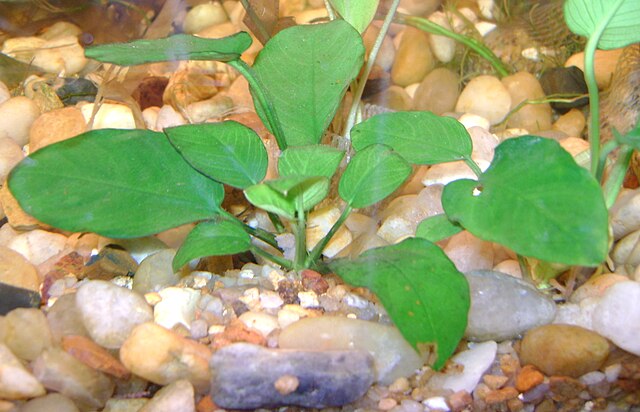
- Anubias Nana — A classic species that doesn't require CO2 and grows even in low light. Enjoy it by attaching it to driftwood or rocks. Growth is slow, but once established, it is very hardy.
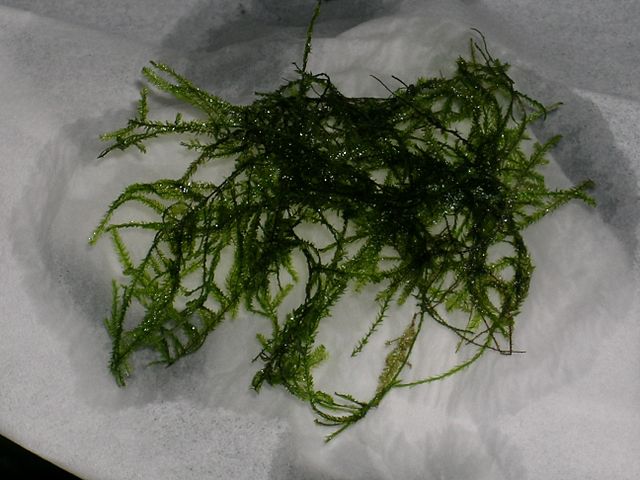
- Willow Moss — The quintessential aquatic plant for beginners. Attaching it to driftwood creates a natural look. It also serves as a hiding place and spawning site for shrimp.
- Cabomba (Fanwort) — No need to plant it in the substrate; simply let it float in the water. Its rapid growth and high water purification effect make it effective for algae control during initial tank setup.
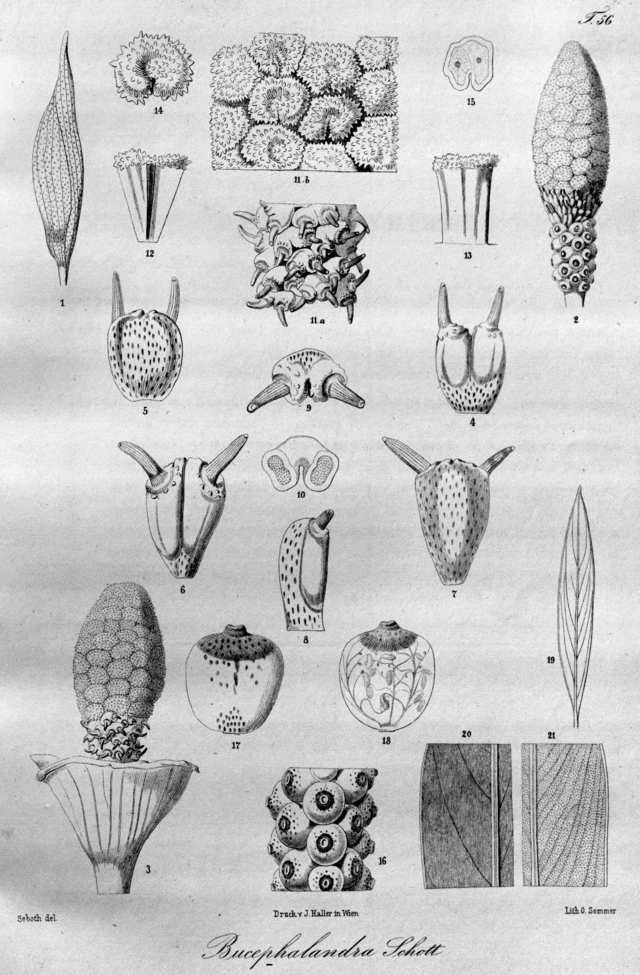
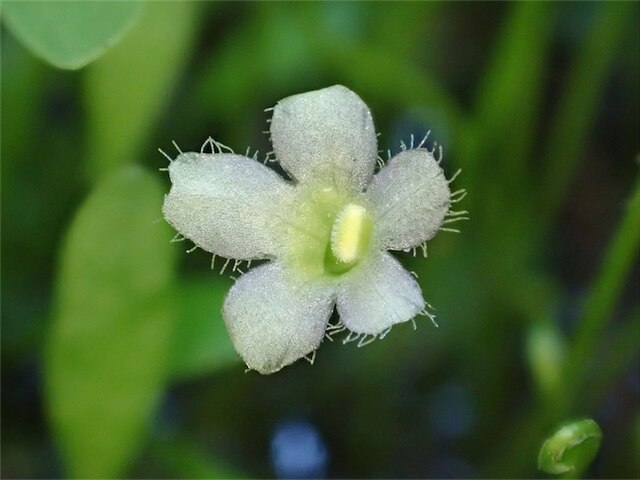
- Bucephalandra — A beautiful popular species with iridescent shimmer on its leaves. It grows in low light and without CO2, with many rare varieties to collect.
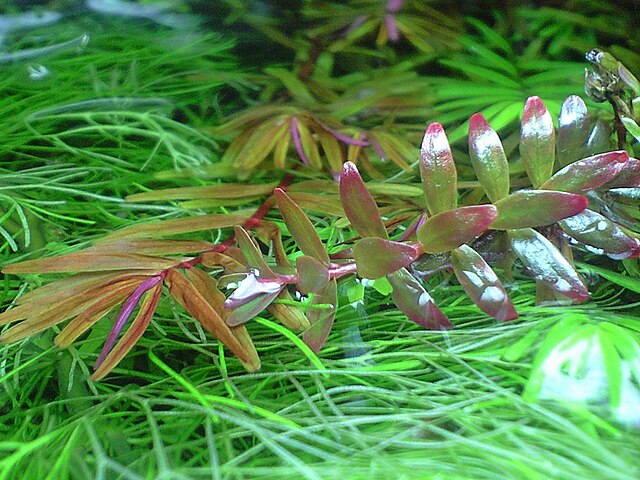
- Rotala Rotundifolia — A representative fast-growing stem plant. Adding CO2 intensifies the red coloration, making it stand out as a background accent.
Purchase Aquatic Plants with Confidence at GrowerDirect
A common pitfall for beginners is purchasing aquatic plants with residual pesticides. Some of the aquatic plants sold in aquarium shops may be contaminated with pesticide-treated plants. Pesticides are particularly harmful to shrimp and can cause total loss in the worst case.
At GrowerDirect, you can purchase aquatic plants directly from growers, minimizing these risks.
- Peace of mind with pesticide-free plants: Since growers clearly indicate whether pesticides are used, you can choose aquatic plants that are safe to introduce into shrimp tanks.
- Plants arrive in excellent condition: Shorter distribution time without intermediaries means the aquatic plants reach you in vigorous condition.
- Rare and uncommon varieties available: You can find rare varieties of bucephalandra and aponogeton that are hard to find in shops.
- Consult directly with growers: You can ask the grower themselves about care and water quality questions before and after purchase, giving beginners peace of mind to try.
Aquatic plant aquariums are a deep and rewarding hobby once you begin. Start with hardy species and gradually add more varieties. Get aquatic plants from trusted growers at GrowerDirect and create your ideal underwater garden.