Tips for Creating Foreground Plant Carpets | Glossostigma, Cuba Pearl, New Large Pearl
Guide to creating beautiful green carpets with foreground plants. We introduce the characteristics and cultivation methods of Glossostigma, Cuba Pearl Grass, and New Large Pearl Grass, along with CO2, lighting, and substrate conditions, plus mist-method setup tips.
Key Takeaways
Guide to creating beautiful green carpets with foreground plants. We introduce the characteristics and cultivation methods of Glossostigma, Cuba Pearl Grass, and New Large Pearl Grass, along with CO2, lighting, and substrate conditions, plus mist-method setup tips.
Related Species
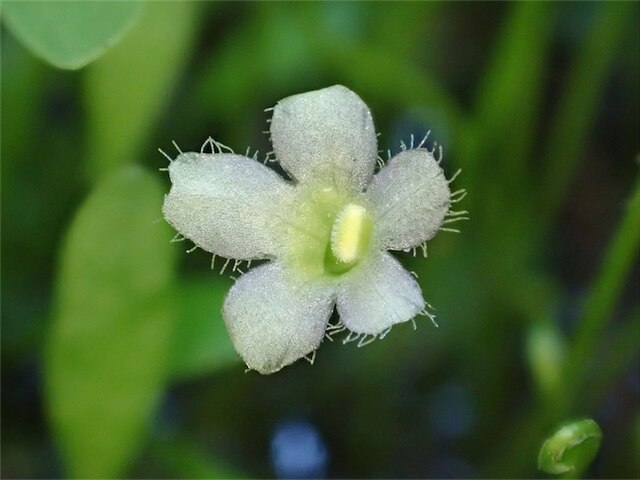
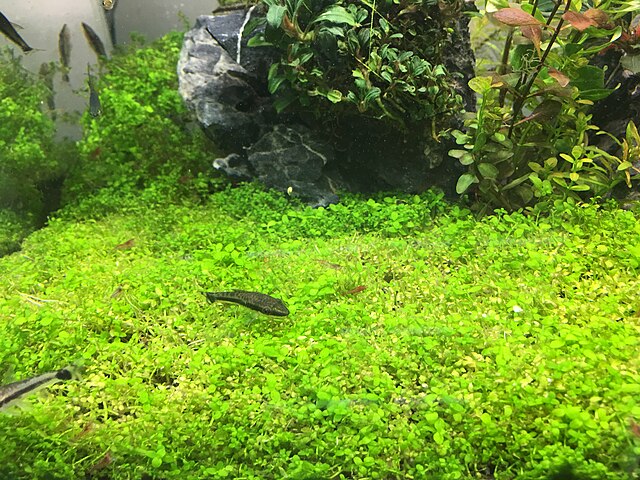
Among planted tank layouts, the sight of the bottom covered entirely with a green carpet has a special beauty. Creating a carpet using low-growing aquatic plants called foreground plants requires proper species selection and environmental setup. This article focuses on three popular foreground plants and explains the key points for successfully creating a green carpet.
Basic Conditions Needed for a Foreground Plant Carpet
To successfully create a foreground plant carpet, you need to establish several environmental conditions. Check these along with your aquatic plant selection.
Light Intensity Since foreground plants are positioned at the very bottom of the tank, sufficient light is essential. For a 30 cm-deep tank, aim for 3000 lumens or more with LED lighting. When light is insufficient, foreground plants won't spread horizontally and will instead grow upward in a stretched manner. The lighting duration should be around 8–10 hours per day, but during the initial setup phase, it's safer to limit it to 6–8 hours to prevent algae.
CO2 Addition CO2 supplementation should be considered almost essential for creating a foreground plant carpet. Target a CO2 concentration of 20–30 mg/L and ensure an appropriate supply amount for your tank's volume. While some species can grow without CO2, the speed and density of carpet formation differ significantly.
Substrate Nutrient-rich soil is most suitable. Foreground plants absorb many nutrients from the substrate, so using soil with abundant nutrients ensures stable growth. For the foreground area, a substrate depth of 3–5 cm is appropriate. If it's too thick, anaerobic zones form easily; if too thin, roots won't establish well.
Water Temperature and Quality Water temperature should be in the 22–26°C range. Water quality is ideally slightly acidic to neutral (pH 5.5–7.0), with slightly soft water preferred. Using nutrient-rich soil usually naturally adjusts the water to this range.
How to Grow Glossostigma
Glossostigma is an aquatic plant of the Scrophulariaceae family native to Australia, and has long been beloved as a representative foreground plant.
Characteristics It produces small, round leaves in opposite pairs and spreads horizontally by sending out runners. Under proper conditions, it grows along the substrate to form a dense carpet 1–2 cm thick. With fast growth, it can cover the entire front of the tank in 2–3 months.
Cultivation Tips
- Requires the most light among foreground plants. Without high light, it will grow upward instead
- CO2 addition is essential. Without it, it won't form a proper carpet
- Plant one stem every 2–3 cm using tweezers
- As runners extend, trim appropriately to increase density
- Using both liquid fertilizers and substrate fertilizers together is effective
Trimming Method When the carpet becomes too thick, light doesn't reach the lower layers, causing the roots to die and the plant to float up. When the thickness exceeds 2 cm, cut horizontally with scissors. Even if you cut boldly all the way to the base, new shoots will fully regrow within 1–2 weeks.
How to Grow Cuba Pearl Grass
Cuba Pearl Grass is a foreground plant characterized by extremely small, round leaves and is considered the pinnacle of beauty when a carpet is completed.
Characteristics The leaves are even smaller than Glossostigma, with grain-of-rice-sized leaves packed densely together. The completed carpet is beautiful like turf grass and is a popular species frequently used in aquatic plant layout contests.
Cultivation Tips
- High light intensity and CO2 addition are essential. It has the highest demands among foreground plants
- It prefers water with slightly higher hardness (GH 4–8 or so). It's difficult to grow in soft water
- Adding substrate with calcium or using additives to adjust hardness is effective
- Plant in very small bundles using tweezers at 1 cm intervals. This becomes a patience-requiring task
- It has weak attachment strength, so it tends to float right after planting. Managing with a lower water level helps