Aquatic Plant Tank Used Soil and Substrate Disposal and Recycling Methods | Correct Disposal Methods and Reuse Tips
Explains the correct disposal methods for used substrate in aquatic plant tanks. Introduces the proper disposal procedures according to local municipal rules and the concept of reuse for short-term usage.
Key Takeaways
Explains the correct disposal methods for used substrate in aquatic plant tanks. Introduces the proper disposal procedures according to local municipal rules and the concept of reuse for short-term usage.
Related Species
When maintaining an aquatic plant tank long-term, you inevitably face the question of "how to dispose of used substrate and soil." Nutrient-based soil becomes fragile as fertilizer components deplete, and absorbent-type soil reaches a replacement point as particle degradation progresses. However, when attempting to reset the tank, it's common for people to worry: "Should this go in burnable garbage?" and "Is there any part that can be reused?" This article organizes the correct disposal methods for used substrate and the concept of reuse based on your situation.
Why disposal of used substrate causes confusion
Aquatic plant substrate is mostly made from natural soil fired at high temperatures. While the material itself is naturally derived, substrate that has been in use in a tank for an extended period accumulates fish waste, decomposed food scraps, algae spores, and residual fertilizer components. Mixing it directly into garden soil can alter soil properties and cause odor problems, so it's best to avoid the judgment that "it's just soil, so it's fine."
Further complicating matters is that separation classifications differ by municipality. Some municipalities treat it as "burnable garbage," while other regions handle it separately as "non-burnable garbage" or "sand and soil." Even with the same substrate, disposal procedures vary depending on where you live, so confirming your municipality's rules before disposal is essential for avoiding problems.
Preparation before disposal
Don't immediately put the removed substrate into a garbage bag—first perform water removal and drying. Wet substrate becomes heavier and can cause bags to tear, and it can create odors during collection. Following the steps below will make disposal smoother:
- Place the substrate in a strainer or old laundry net and let it drain for 1-2 hours
- Spread it thinly on newspaper or paper towels and air-dry in a well-ventilated, shaded area for 1-3 days
- After drying, wrap in newspaper before placing in the municipality-designated bag to prevent scattering and odor
- If the volume is large, dispose of it in multiple batches rather than all at once
Skipping the drying step not only causes odors after collection but also affects bag durability. Taking time for proper preparation also demonstrates consideration for your neighbors and collection workers. If the volume is particularly large, confirm in advance at the municipal office whether there are volume restrictions on disposal.
Criteria for reuse and recycling
You don't need to dispose of all used substrate; depending on the situation, there are reuse options. You can positively consider reuse mainly under the following conditions:
- Short usage period with minimal particle breakdown: If particles remain largely intact after approximately six months of use, they can be utilized in the lower layer of the substrate in the next tank.
- From tanks without disease or mass algae outbreaks: Substrate from tanks where pathogens or algae spores are likely to remain carries the risk of transferring to the next setup, so reuse should be avoided.
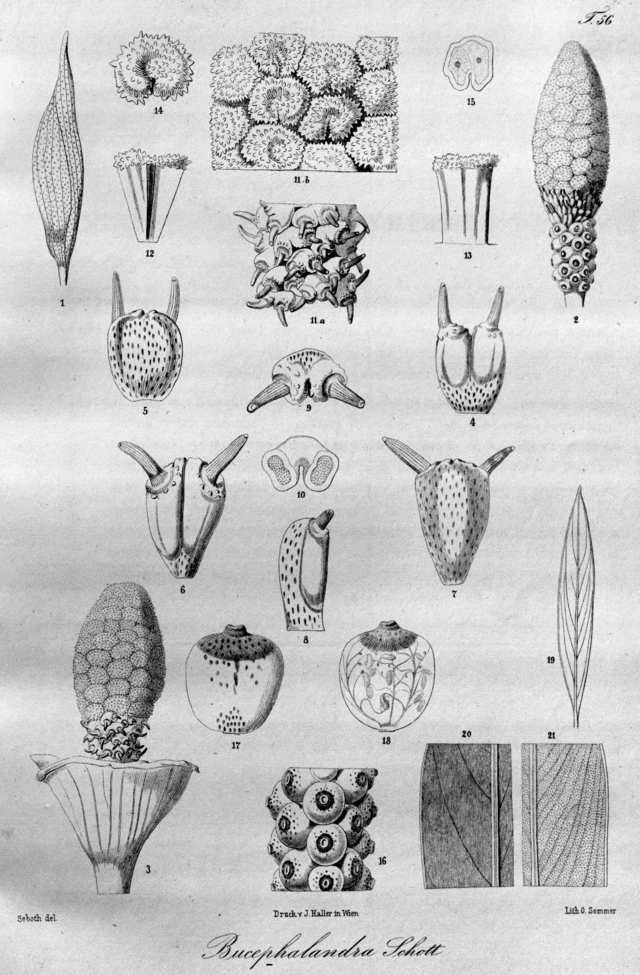
- Conversion for terrariums or humidity-loving plants: High water-retention substrate can sometimes be converted for use as growing medium in terrariums using ferns, bucephalandra, moss, and similar plants. However, it's unsuitable for drought-tolerant plants like succulents and cacti.
On the other hand, it's clear when reuse should be avoided:
- Particles are significantly broken down and the entire mass has become mud-like
- Algae or moss repeatedly bloomed excessively in the tank it was used in
- The substrate was used in a tank where fish medication or other treatments were applied in large quantities
Reusing broken-down substrate in the substrate bed loses water permeability between particles, making anaerobic zones more likely to develop. While the feeling of "waste not" is understandable, it's important to honestly assess the particle condition to determine whether reuse is appropriate. If breakdown is noticeable at all, discarding and using fresh substrate is a quicker path to stabilizing your tank's condition.
Points to reconsider when resetting
When replacing substrate entirely during a reset, it's also a good opportunity to review your entire tank maintenance. Even if you update only the substrate, if problems remain elsewhere, the benefits will be diminished, so check the following points as well:
- Filter media and filter floss: If dirt has accumulated, you won't reap the water-quality benefits of fresh substrate. Replace floss during reset and consider washing or replacing media based on its condition.
- Pipes and hose interiors: They're prone to sludge buildup, which can reduce flow after a reset. Use a brush or hose cleaner to remove the buildup.
- Heater and thermometer scale: If water stains or algae are present, soaking in citric acid water removes them and makes function checks easier.
If you want to reduce reset frequency, regular substrate maintenance is important. Developing a habit of regularly using a substrate cleaner like a Python to remove debris from the substrate bed can extend soil life. Additionally, keeping fertilization to the minimum necessary to avoid excess nutrients that cause algae is another important tip for prolonging substrate life.
Summary
Used substrate in aquatic plant tanks, even with naturally derived materials, requires appropriate disposal considering the post-use condition. The basic approach is to dry first and then dispose according to your municipality's rules; it's recommended to confirm separation classifications beforehand. For substrate with a short usage period and good condition, reuse options for the next tank or conversion for terrariums are definitely worth considering. However, for substrate that has undergone significant breakdown or is from tanks where algae or disease appeared, avoid forcing reuse and switch to fresh substrate; this long-term approach stabilizes your aquatic plant environment. Rather than simply completing a reset as a task, using it as an opportunity to review the entire tank including filters and peripheral equipment will allow you to proceed more comfortably with the next setup.