Aquatic Plant Substrate Guide | Selecting by Type and Setup
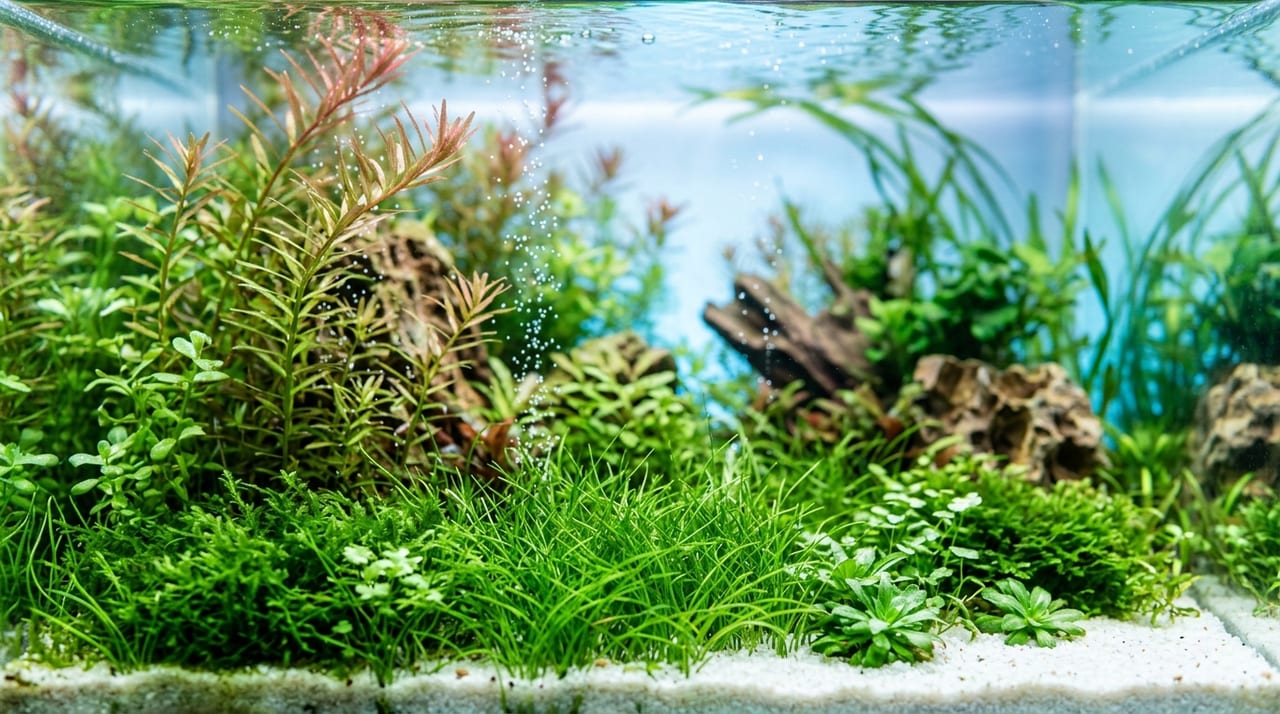
Comparing types and characteristics of soil, gravel, and sand suitable for aquatic plant cultivation. We explain the differences between nutrient-rich and adsorption-type soils, substrate thickness guidelines, approaches to dealing with water cloudiness during tank setup, and soil lifespan and replacement timing.
Key Takeaways
Comparing types and characteristics of soil, gravel, and sand suitable for aquatic plant cultivation. We explain the differences between nutrient-rich and adsorption-type soils, substrate thickness guidelines, approaches to dealing with water cloudiness during tank setup, and soil lifespan and replacement timing.
Related Species
Why Substrate Choice Makes or Breaks Your Aquatic Plant Tank
When starting an aquatic plant tank, many people first grapple with "substrate selection." Soil, gravel, sand—there are so many options it's hard to know which to choose.
In fact, substrate is not merely a "base." It's where plant roots take hold, where beneficial bacteria establish colonies, and a crucial element that influences water quality. Choose the wrong substrate and you may find your aquatic plants struggling to grow, algae blooming excessively, and your setup troubled from the start.
This article systematically explains the characteristics of each substrate type, their strengths and limitations, how to choose soil, and key points for setup. The content is useful for first-time aquatic plant enthusiasts and those considering a reset. If you plan to use CO2 supplementation, also see Aquatic Tank Water Chemistry and CO2 Fertilization for additional perspective on water quality.
Understanding Soil Types and Their Characteristics
Soil refers to fired, baked substrate materials. It is the most widely used in aquatic plant tanks and comes in three main types: "nutrient-rich," "adsorption-type," and "hybrid."
Nutrient-Rich Soil
This type is packed with fertilizer components and strongly supports the initial growth of aquatic plants. It's well-suited for stem plant carpet layouts and nature aquarium-style tanks featuring fast-growing species.
However, immediately after setup, soil releases large amounts of ammonia and organic matter into the water, requiring daily water changes of roughly 1/3 for the first one to two weeks. Algae tends to bloom during this period, so it's important not to rush introducing livestock. Instead, run the filter and allow bacteria to establish steadily.
Representative products include "ADA Amazonia" and "Project Soil Excel."
Adsorption-Type Soil
This type absorbs ammonia and harmful substances in the water, making it easy to maintain high transparency. Water remains stable even immediately after setup, making it beginner-friendly.
Since it contains few fertilizer components, it pairs excellently with low-nutrient aquatic plants such as Anubias, Microsorum, and moss. Conversely, if you want to grow stem plants or create a foreground carpet, you'll need to supplement with liquid or tablet fertilizers. If you want to grow only low-light aquatic plants without CO2, see Low-Maintenance Tanks Using Only Low-Light Aquatic Plants for reference.
Representative products include "GEX Pure Soil" and "Kotobuki Water Grass #1 Sand."
Hybrid (Balanced) Soil
These products balance both nutrient and adsorption characteristics. Setup requires relatively little effort and accommodates a wide range of aquatic plants, making this type recommended for first-time aquatic plant tanks.
Methods combining products like "JUN Master Soil Next" and "Tetra Initial Stick" are also popular.
Substrate Beyond Soil: When to Use Gravel and Sand
While soil seems versatile, gravel or sand is sometimes better suited depending on your needs.
Gravel and Large Sand
This substrate barely changes water quality, letting you make full use of your local tap water's natural properties. Since it can be thoroughly rinsed and reused, long-term maintenance costs are low.
However, it contains zero fertilizer components, so growing aquatic plants requires embedding solid fertilizer. It suits tanks with guppies or killifish that don't require much plant life, or simple layouts with only Willow moss.
Fine Sand
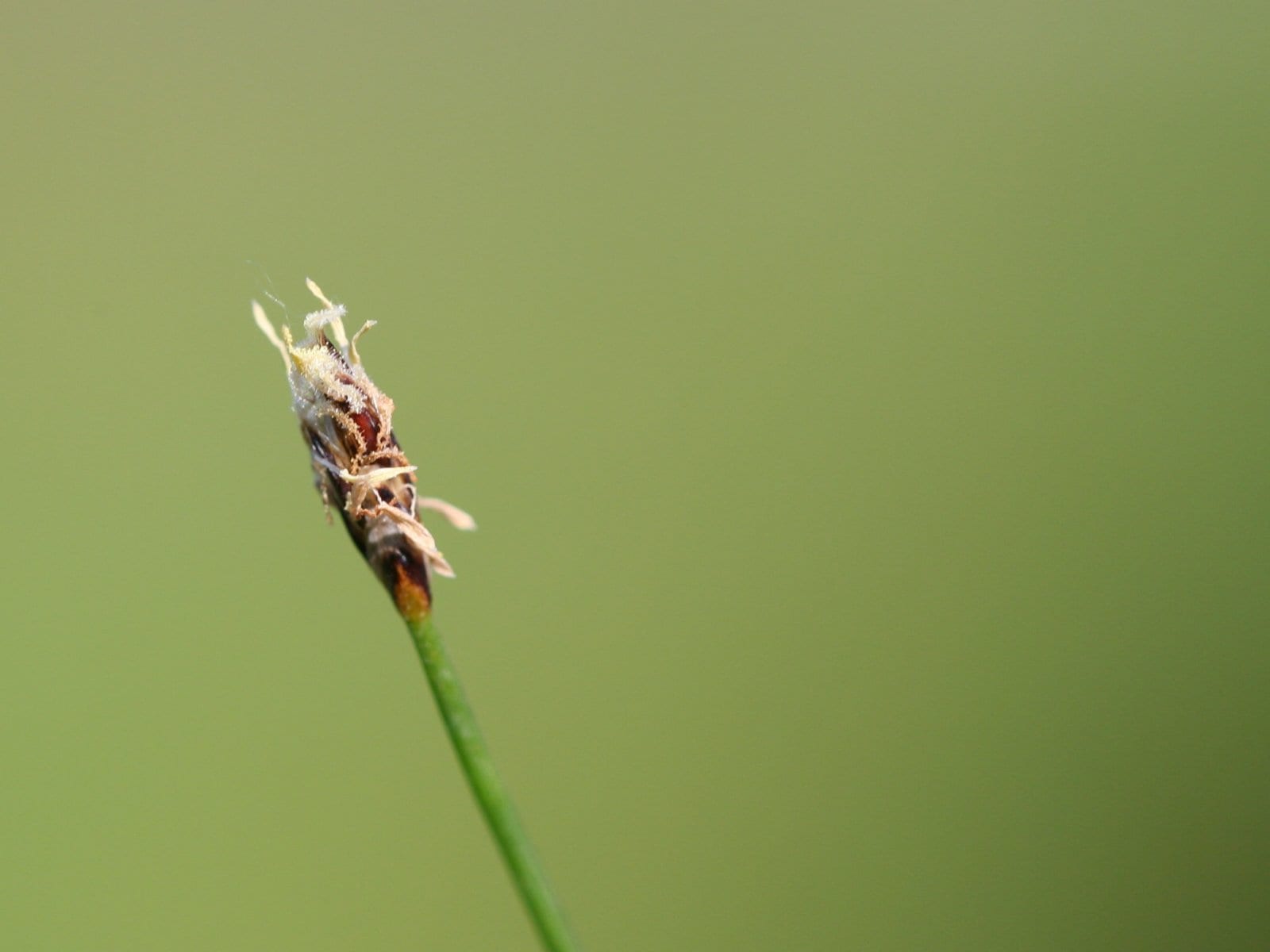
Fine particles make it ideal for expressing carpet-style layouts of foreground plants like Glossostigma and Hairgrass. Combined with an undergravel filter, you can create a foreground area with robust root development.
However, particles pack easily, creating anaerobic zones where gas accumulates. Regular maintenance using a gravel vacuum to disturb the substrate is necessary.
Substrate Layering and Setup Tips
Substrate preparation significantly impacts your tank's final appearance. Thickness and water-pouring method affect how easy future management becomes.
Recommended Thickness
- Standard layouts: 4–6 cm
- For foreground carpet creation: 5–7 cm (to ensure sufficient root-growing depth)
- Increasing thickness toward the back creates better perspective
If too thin, roots stay shallow and plants pull out easily. If you plan dense stem plant planting, ensure at least 5 cm.
Water-Pouring Precautions
After laying substrate, pour water slowly and gently. Strong current causes soil to suspend, making cloudiness persistent. A useful trick is placing a plate or cup on the substrate and pouring onto it, or pouring along the tank wall.
Bacterial Establishment and Livestock Timing
With nutrient-rich soil, continue daily 1/3 water changes for the first one to two weeks to dilute ammonia. Run the filter and introduce livestock only after beneficial bacteria have fully established—typically around two weeks.
Even with adsorption-type soil, at least one week of running empty is recommended. Introducing livestock after the nitrite peak passes significantly reduces livestock loss during setup.
Soil Lifespan and Reset Indicators
Soil begins breaking down one to two years after use, decreasing water permeability. When substrate becomes muddy or root rot increases, it's time to reset. Continuing with degraded soil spreads anaerobic zones, worsening water quality.
Aquatic Plant Type and Substrate Compatibility Checklist
To remove further doubt from substrate selection, here's a compatibility summary by plant type.
| Aquatic Plant Type | Recommended Substrate |
|---|---|
| Glossostigma, Hairgrass (foreground carpet) | Nutrient-rich soil / fine sand |
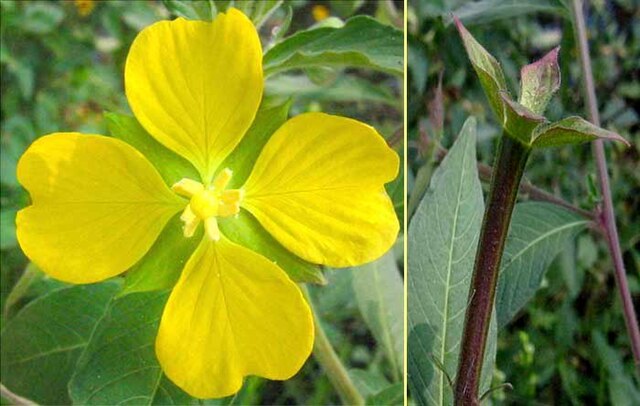
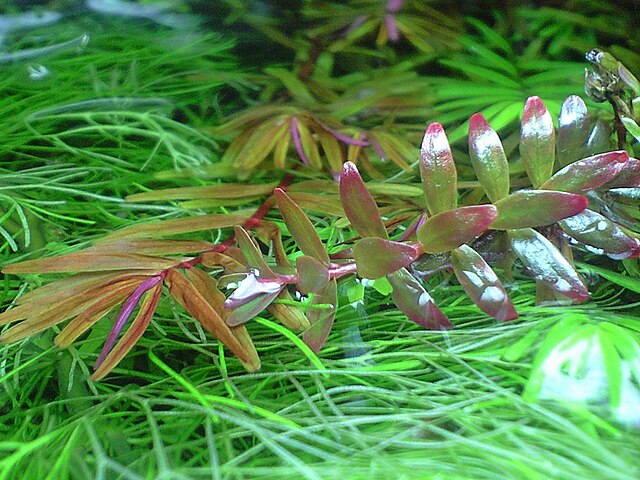
| Rotala, Ludwigia (stem plants) | Nutrient-rich / hybrid soil |
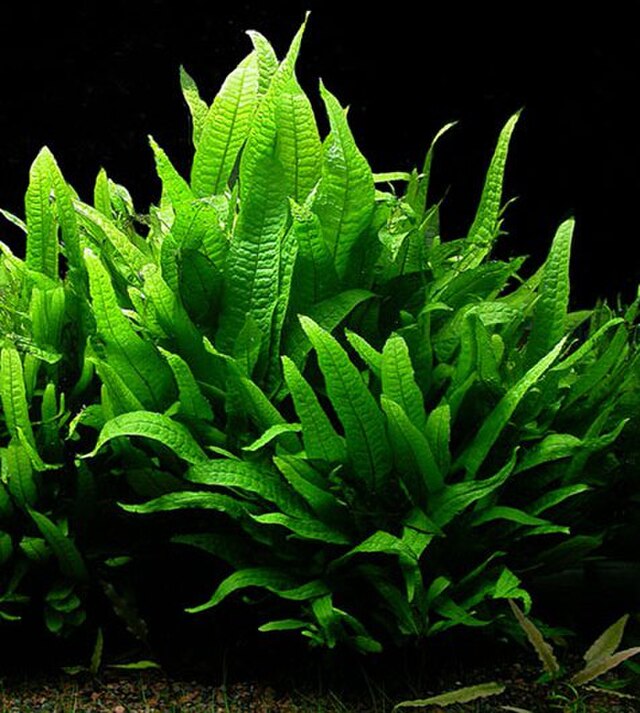
| Anubias, Microsorum (low-light aquatic plants) | Adsorption-type soil / gravel (substrate-agnostic if attached) |
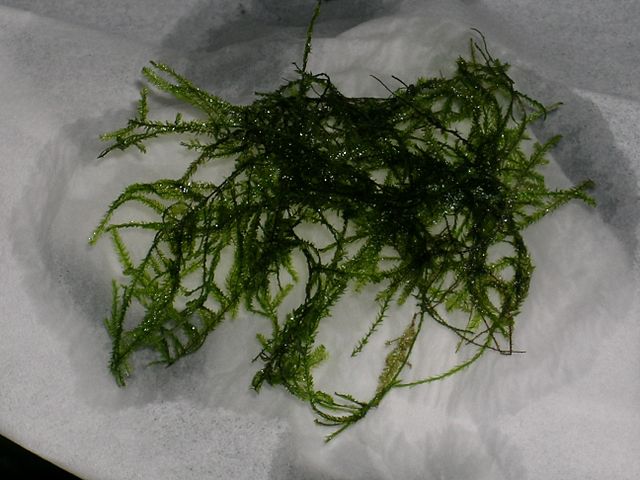
| Willow Moss | Substrate-independent (attached) |
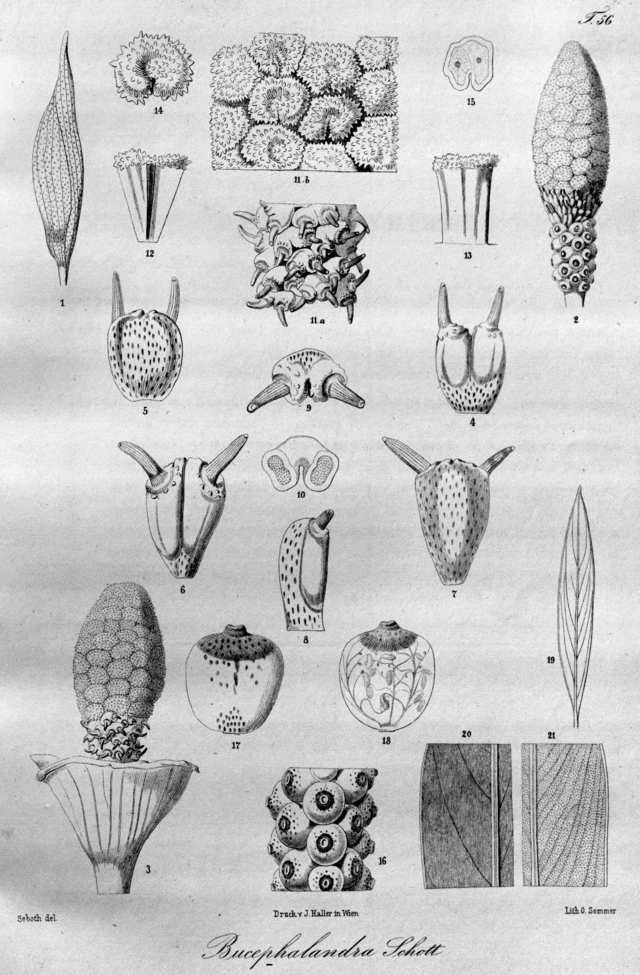
| Bucephalandra | Adsorption-type / hybrid soil |
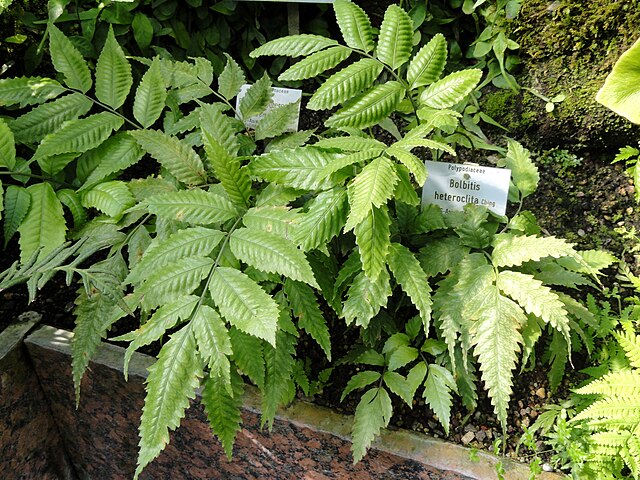
| Bolbitis | Adsorption-type soil / gravel |
Rhizome plants can thrive without being planted in substrate, giving you more substrate flexibility. For beginners, starting with rhizome plants and progressing to stem plant carpet layouts as you gain experience is a recommended path.
GrowerDirect's Safety and Reliability
When introducing new aquatic plants to your tank, "what environment they were grown in" is extremely important information. Aquatic plants managed in the same soil and water conditions experience less transplant stress and adapt more smoothly to their new tank.
On GrowerDirect, sellers often provide detailed cultivation environment information—substrate type used, whether CO2 is added, water parameters—allowing you to check compatibility with your tank setup before purchase. Using the messaging feature, you can ask growers directly about concerns: "What substrate do you use?" or "Do you manage in soft or hard water?" making specific confirmation easy.
GrowerDirect is also a grower-direct marketplace. Minimizing distribution stages means aquatic plants arrive in better condition, and you can receive support directly from the seller after purchase. By carefully considering substrate selection alongside where your aquatic plants come from, your aquatic plant tank's success rate will improve substantially.