Beginner's Guide to Rock Arrangement Layout for Aquatic Plant Tanks
A comprehensive guide for beginners entering the world of Nature Aquarium, from the basic three-stone composition of rock arrangement layout through stone selection, golden ratio positioning, and aquatic plant selection.
Key Takeaways
A comprehensive guide for beginners entering the world of Nature Aquarium, from the basic three-stone composition of rock arrangement layout through stone selection, golden ratio positioning, and aquatic plant selection.
Related Species
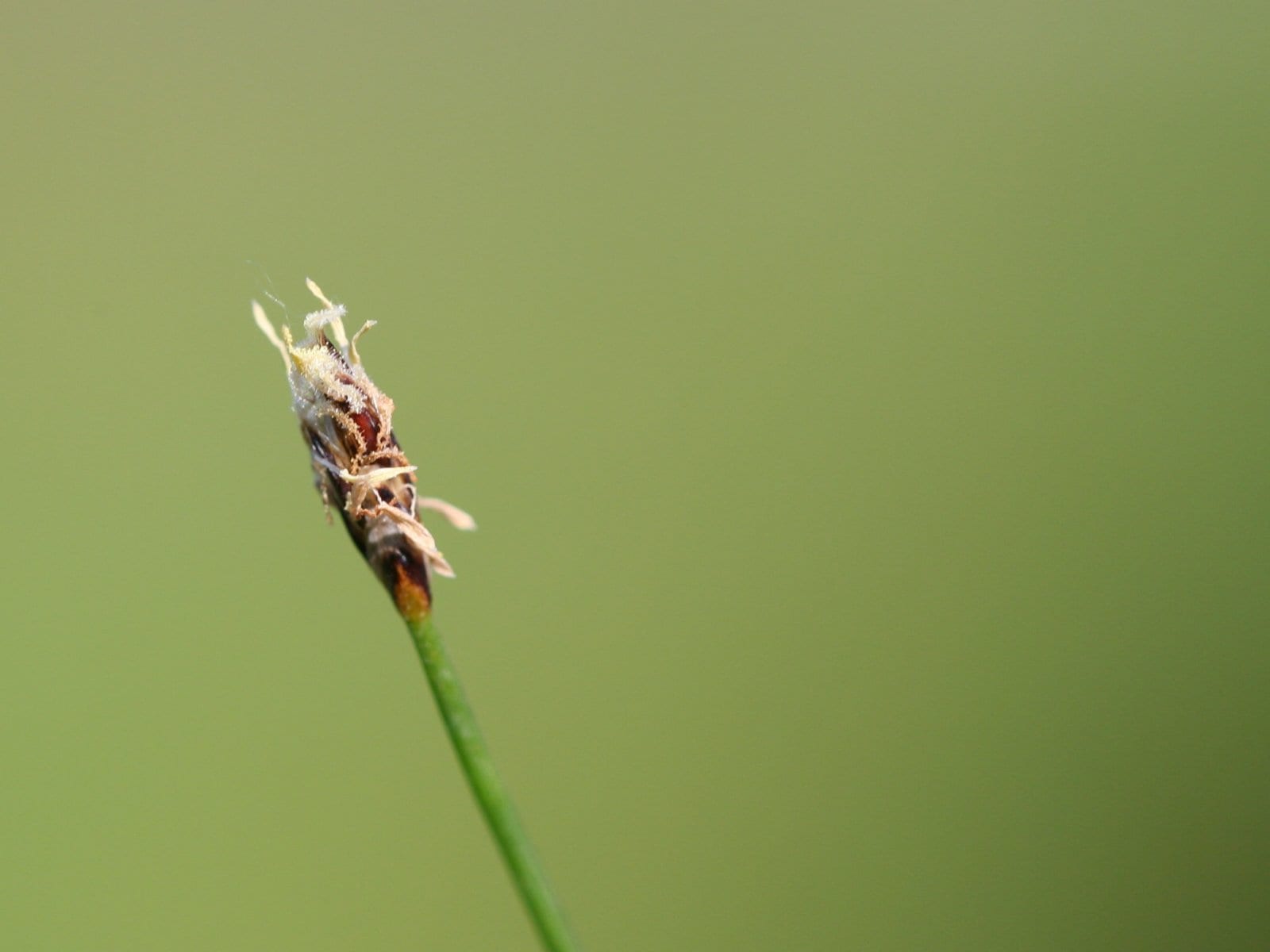
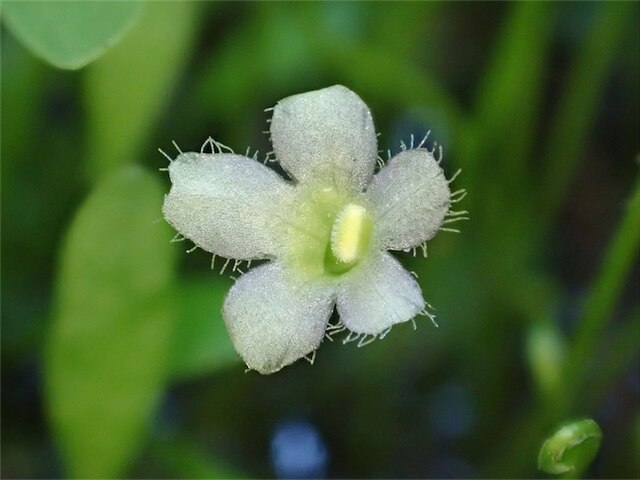
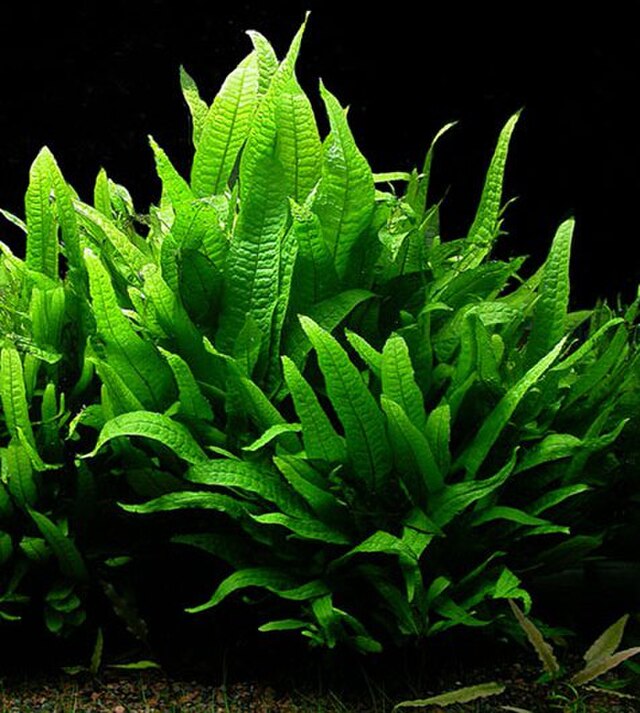
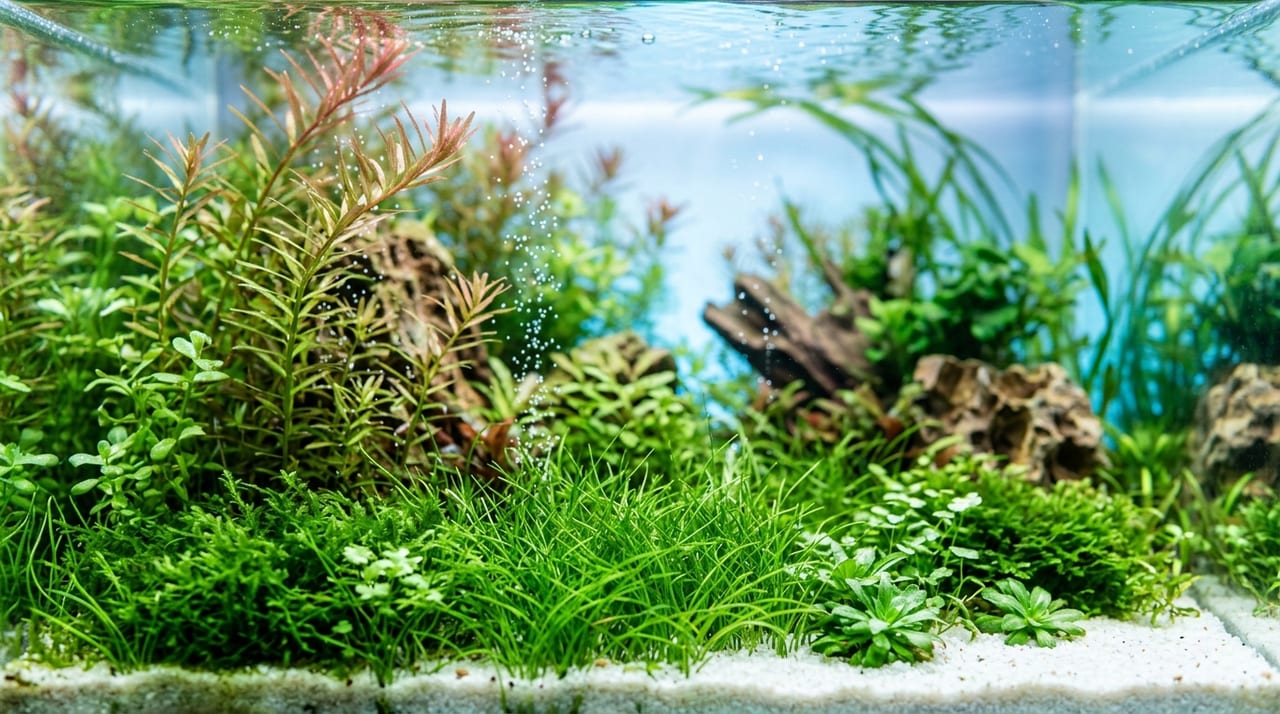
Stone arrangement layout is one of the simplest yet most profound expression techniques in aquatic plant tanks. A style that recreates natural landscapes in a tank using only rocks and aquatic plants is called "rock arrangement," "stone arrangement," or simply Iwagumi in Japanese, and is beloved by aquarium enthusiasts around the world.
This guide will carefully explain stone arrangement layout, from basic concepts to practical procedures, for beginners who want to get started.
The Philosophy Behind Stone Arrangement Layout
The origins of stone arrangement layout lie in "Nature Aquarium," a concept pioneered by Japanese aquascaper Takashi Amano. The basic concept is to condense and express in the tank landscapes that exist in nature—such as mountain ridgelines, riverbed rocks, and wetland scenery.
Its characteristic is that it uses only natural materials (rocks, sand, and aquatic plants) without artificial elements, and it is precisely because of this simple combination of materials that the beauty and balance of the arrangement stands out.
Basics of the Three-Stone Composition
The most basic composition in stone arrangement layout is the three-stone composition. By placing a large primary stone at the center and combining smaller secondary and accent stones, you create a natural sense of depth and stability.
| Stone Type | Role | Size Guide |
|---|---|---|
| Primary Stone | The main focal point | Largest stone |
| Secondary Stone | Supporting role for the primary stone | 60-70% of primary stone size |
| Accent Stone | Complementary element that ties the composition together | 50-60% of secondary stone size |
While there are no strict rules about stone size ratios, the clearer the size difference between stones, the more dynamic the composition becomes. Be careful not to arrange stones of the same size, as this tends to look monotonous.
The Golden Ratio and Focal Point
The principles of the golden ratio (approximately 1:1.618) and the rule of thirds are applied to stone placement. By placing the primary stone at one of the division points when dividing the tank into thirds horizontally, you create a composition where the viewer's gaze is naturally drawn.
Placing the primary stone directly in the center tends to create left-right symmetry and gives an artificial impression. By intentionally offsetting the visual weight, you express the natural "variation" found in nature.
How to Choose Stones
Material Consistency
The fundamental rule of stone arrangement is to use stones of the same type. Mixing different types of stones creates an inconsistent appearance and disrupts the overall unity.
Recommended stone types for beginners:
- Dragon stone: Has many texture variations and creates a natural appearance. Be careful with soft-water-preferring aquatic plants, as it can increase water hardness
- Lava rock: Ideal for attaching mosses like Willow moss. Affordable pricing
- Pumice stone: Fine pores create a naturally weathered appearance
- Yellow tiger stone: Warm yellow-to-brown coloring
Stone Orientation and Face
Every stone has a "face"—a best-viewing side. Choosing stones whose surface patterns and lines (grain lines) are aligned horizontally or in a consistent direction creates directionality and visual harmony throughout the composition.
When purchasing stones, check multiple angles to ensure the most beautiful face can be used as the front.
Size Balance
If stones are too small for the tank size, they lack impact; if too large, they feel overwhelming. As a guideline, the primary stone should be 50-70% of the tank's height for the best visual proportion.
For a 60 cm tank, a primary stone of about 15-20 cm height is typical.
How to Layer Substrate
In stone arrangement layouts, sloping the substrate toward the back (lower front, higher back) emphasizes depth.
- Front: 2-3 cm
- Back: 10-15 cm (higher in some cases)
A common technique is to place coarse sand or pumice beneath the substrate to add bulk and conserve substrate use.
When positioning stones, embedding the bottom portion in the substrate increases both stability and natural appearance. The key is to make the stones appear to be emerging from the ground.
Selecting Aquatic Plants
Stone arrangement layouts are best suited to small, delicate aquatic plants that highlight the strength of the rocks. Plants with overly large leaves create a mismatch in scale between rocks and plants.
Foreground Plants
| Plant Name | Features |
|---|---|
| Glossostigma | A classic foreground plant. Creeping growth with high light and CO₂ supplementation |
| Hair Grass (Short) | Fine leaves create a soft, swaying appearance |
| Monte Carlo | Cute rounded small leaves. Easy to manage |
Background and Group-Planting Plants
Green foundation plants to position behind the stones:
- New Large Pearl Grass (easy to use as a midground plant)
- Large stem plants are often too big for stone arrangements, so when grouping plants, it's safer to choose species with smaller leaves
Attachment Plants
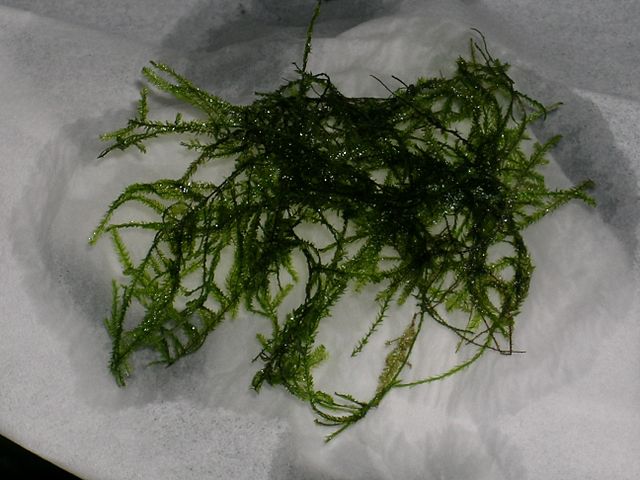
Attaching Willow moss or Microsorum to the stone surface creates a natural, moss-covered appearance.
Equipment and Care Tips
CO₂ Supplementation
CO₂ supplementation is effective for promoting creeping growth in foreground plants like Glossostigma. Start with approximately one bubble per second and adjust based on bubble production from the plants.
Lighting
Most aquatic plants used in stone arrangements require substantial light. For a 60 cm tank, use LED lighting equivalent to 30W or higher, with daily light duration around 8-10 hours.
Water Changes
During the initial setup phase, ammonia tends to leach from new substrate, so perform water changes 2-3 times per week. Once plants are established, reduce water changes to once per week.
Common Mistakes in Stone Arrangement Layouts
Stones toppling or shifting: Caused by shallow embedding or uneven bottom surface. Securing stones with aquarium silicone or aquarium-safe adhesive is also effective.
Foreground plants standing upright instead of creeping: Caused by insufficient light or CO₂. Review lighting and CO₂, and trim plants if needed to encourage creeping growth.
Excessive algae growth: Caused by excess nutrients during initial setup or excessive lighting duration. Increase water change frequency and reduce lighting to 6-8 hours per day.
Summary
The essence of stone arrangement layout lies in the "aesthetics of subtraction"—expressing grand nature through minimal elements. Start by mastering the three-stone composition and becoming aware of the balance between each stone's face, orientation, and size.
Because the arrangement is simple, even small differences in placement become apparent; the joy of stone arrangement lies in the process of repeatedly adjusting it to pursue "your own unique landscape." Once you become comfortable managing foreground plants, it's reassuring to also familiarize yourself with long-term layout maintenance procedures by referring to the aquatic plant trimming guide.