Complete Guide to Aquatic Plant Trimming | How to Cut Stem Plants, Foreground Plants, and Attachment Plants
We explain aquatic plant trimming methods by type. A beginner-friendly guide covering stem plant cutting and propagation, foreground plant trimming, attachment plant thinning, and post-trimming care.
Key Takeaways
We explain aquatic plant trimming methods by type. A beginner-friendly guide covering stem plant cutting and propagation, foreground plant trimming, attachment plant thinning, and post-trimming care.
Related Species
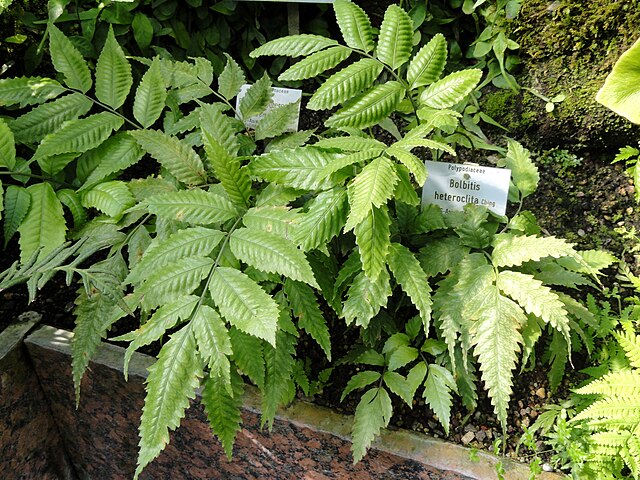
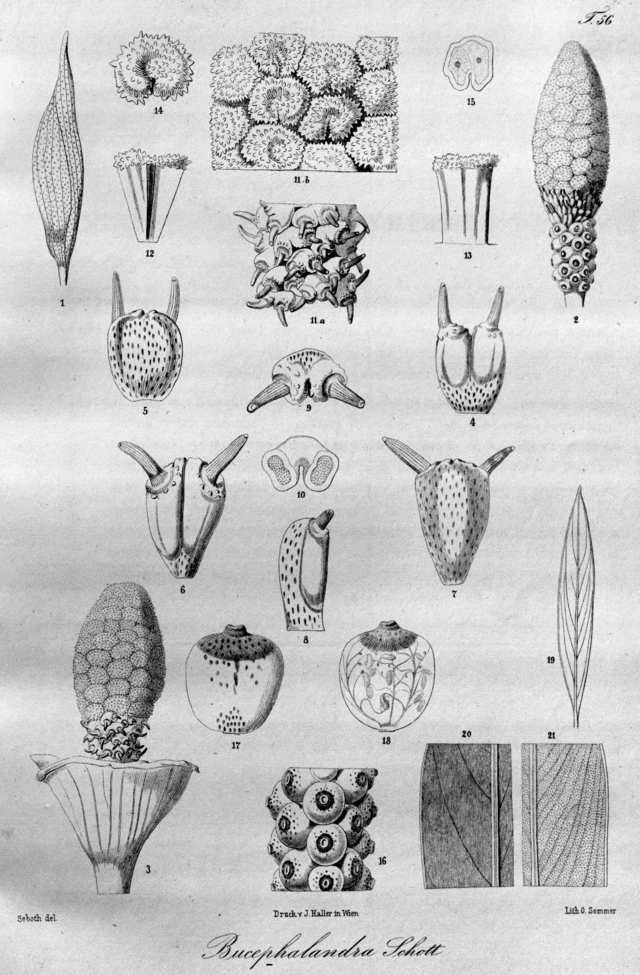
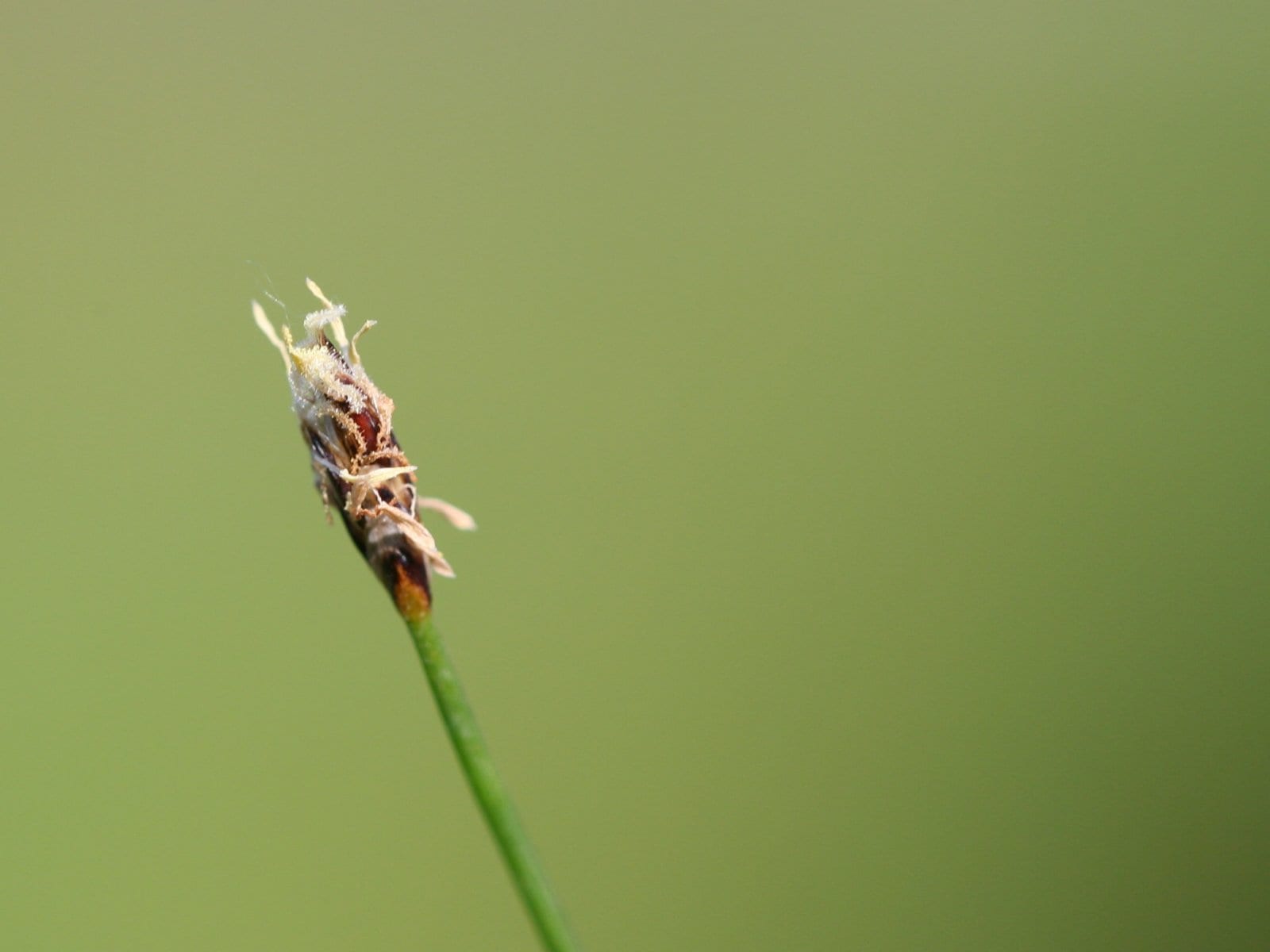
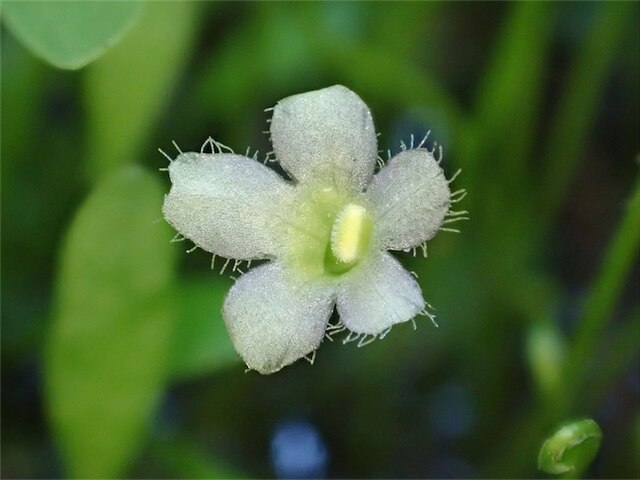
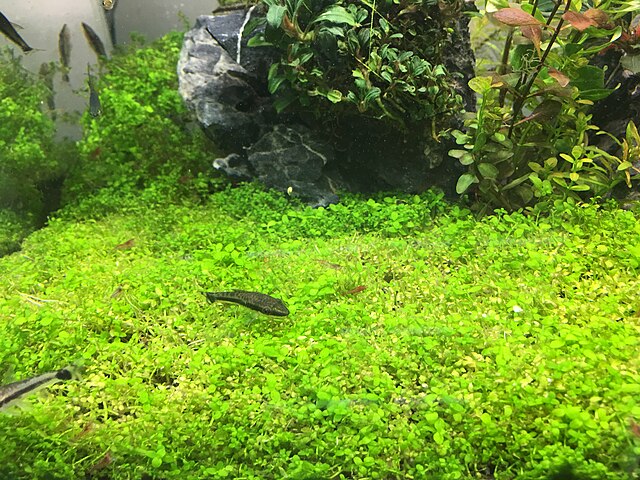
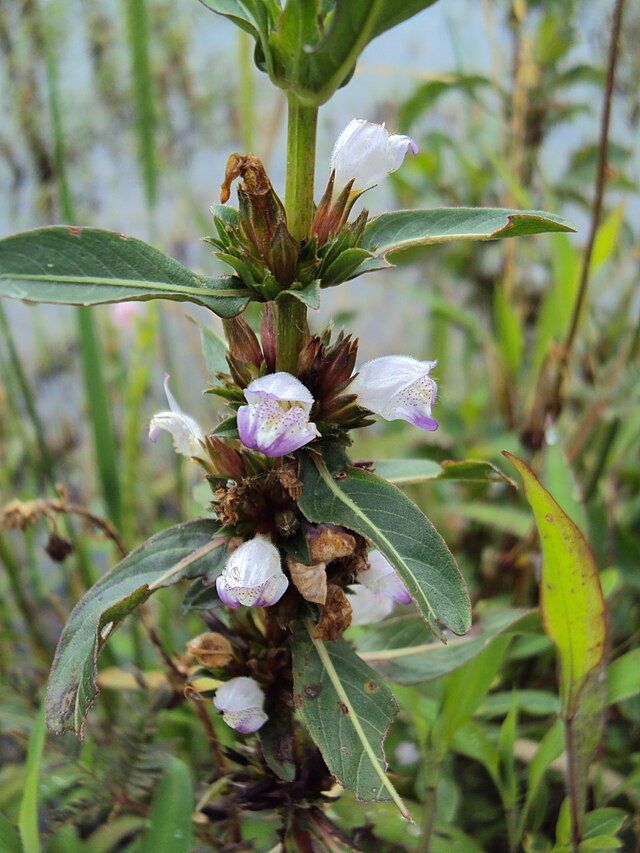
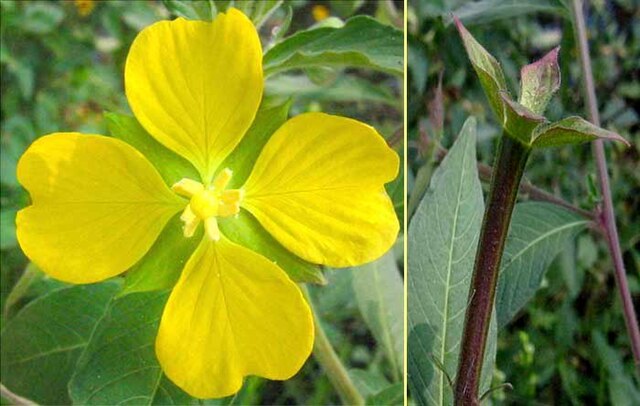
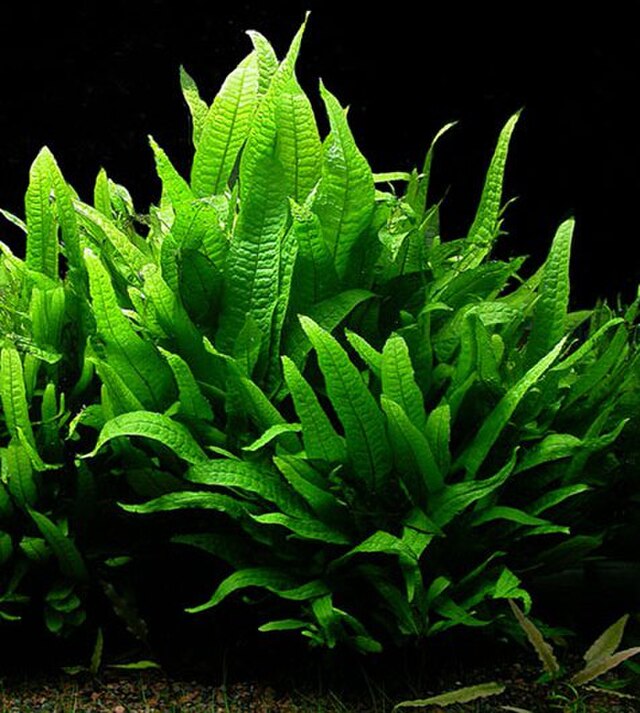
Trimming is an essential maintenance task for keeping your aquarium layout beautiful. Since aquatic plants grow differently depending on their type, knowing the appropriate cutting method for each one is the key to maintaining a healthy and attractive aquarium. This article breaks down the three types—stem plants, foreground plants, and attachment plants—and explains the basic trimming procedures and tips in detail.
Trimming Stem Plants | Building Density Through Propagation
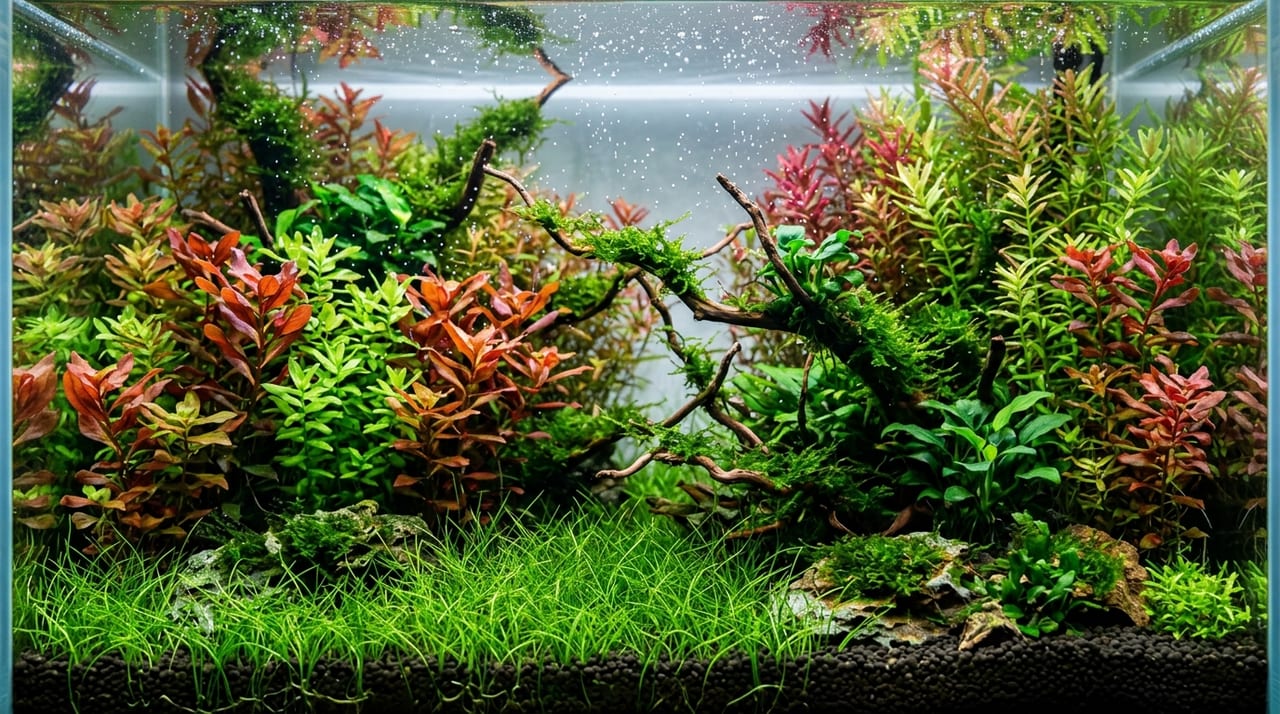
Stem plants such as Rotala, Ludwigia, Ammania, and Hygrophila grow upward while developing leaves at each node. If left unattended, they will break through the water surface and prevent light from reaching the lower part of the tank, causing lower leaves to die off. Regular cutting and propagation are the fundamental techniques for maintaining a beautiful layout with stem plants.
Basic Steps for Cutting and Propagation
- Once the stem reaches the water surface, cut just above a node 2–3 cm below the water surface
- Use the upper portion of the cut stem (approximately 5–10 cm) as propagation material
- Before inserting the stem into the substrate, remove the lower leaves (2–3 nodes worth)
- Leave the original plant intact and allow lateral shoots to grow from the cut site
Repeating propagation increases the number of stems and creates a full, bushy formation. Aim for a planting depth of 3–4 cm to allow roots to develop easily. If your substrate is soft, using tweezers makes the work easier and allows you to plant without damaging the stems.
Precautions When Trimming Stem Plants
- Immediately after cutting, the plants are under stress, so avoid sudden water chemistry changes
- Cutting too much at once can disrupt the nutrient balance in the tank, so ideally cut 1/3 to 1/2 of the total in multiple sessions
- Fast-growing species (such as Rotala) should be trimmed every 2–3 weeks, while slower species (such as Alternanthera) need trimming every 1–2 months
Trimming Foreground Plants | How to Maintain a Uniform Lawn
Foreground plants such as Glossostigma, Hair Grass, and Cuba Pearl Grass are characterized by their ground-covering spread that forms a carpet-like lawn. Since they are short and grow horizontally, they require a completely different approach than stem plants.
Key Points for Trimming
- Trimming height: Cut horizontally with scissors, leaving 1–2 cm from the base. Cutting too short slows regrowth, while cutting too high looks unsightly
- Timing: Trim regularly before leaves become so dense that light cannot reach the substrate. Leaving it too long without adequate light causes inner leaves to die and the carpet to peel away
- Removing old leaves: Actively remove old leaves with algae growth and yellowed leaves
- Fertilizing after trimming: Add liquid fertilizer at a higher-than-normal dose to promote regrowth
Post-Trimming Cleanup
Immediately after trimming, cut leaf fragments float throughout the water. Placing a fine net over your filter intake prevents clogs. You can efficiently collect floating debris by gathering it in one spot using a dropper or water current, then netting it out.
Glossostigma tends to grow upward when creeping, which is often a sign of insufficient light. You can improve this by adjusting your lighting intensity or photoperiod.
Trimming Attachment Plants | Maintaining Plant Health Through Thinning
Attachment plants such as Anubias, Microsorum, Bucephalandra, and Bolbitis grow very slowly and require different management than stem or foreground plants. Rather than frequent cutting, the main work involves thinning old leaves and dividing plants.
Thinning Method
- When leaves overlap too much and light cannot reach them, cut old leaves from the rhizome base
- Prioritize removing yellowed or brown-damaged leaves
- Thin gradually rather than removing large amounts at once to minimize stress on the plants
- Work carefully with the tip of your scissors to avoid damaging the attachment roots
Dividing and Re-attaching Plants
When a plant becomes too large, you can divide it at the rhizome and re-attach it elsewhere. Use clean scissors when cutting the rhizome, and be careful to prevent rot at the cut surface. Secure the new attachment point with cotton thread or stainless steel attachment tape, then wait a few weeks for roots to attach.
For moss-type aquatic plants such as Willow Moss and Riccia, thin out about half when the overall volume becomes too large to allow light to penetrate the interior. Riccia in particular tends to develop buoyancy from trapped gas bubbles, so secure it firmly with netting or fishing line.
Post-Trimming Care | Maintaining Beauty Through Water Management and Fertilization
Trimming is a stressful process for aquatic plants. Proper care after cutting leads to faster recovery and beautiful regrowth.
Water Changes and Fertilization
- Water change the next day: Perform a 30–50% water change the day after trimming to remove organic matter from decomposing cut material
- Adding liquid fertilizer: Supplement nutrients consumed by cutting by adding liquid fertilizer at 1.5–2 times the normal dose (potassium and trace elements are especially important)
- Maintaining CO2 levels: If you are adding CO2, maintain the same amount as before trimming to promote photosynthesis
Dealing with Algae Outbreaks
After trimming, plant uptake temporarily decreases, making light and nutrients abundant and promoting algae growth. Take the following measures:
- Reduce lighting duration by 1–2 hours to limit excess light
- Utilize algae-eating creatures such as Amano shrimp or Otocinclus
- Once plants resume active growth, return lighting duration and fertilizer dosage to normal levels
Effectively Using Cut Aquatic Plants
The tip portions of stem plants (vigorous upper sections) can be used directly as cuttings. Simply insert them 2–3 cm into the substrate and secure them with tweezers, and they will root and can be used for propagation or transplanting to other tanks. Surplus plants are often accepted by aquarium shops handling aquatic plants or by aquatic plant enthusiast communities, so creating a system with no waste from each trimming session is part of the joy of successful aquatic plant keeping. If you source plants directly from growers, they may also discuss plant division and surplus seedlings with you, so it's worth asking your supplier.
GrowerDirect's Safe and Secure System
Once you master aquatic plant trimming, the next step toward creating a beautiful layout is obtaining high-quality plants. GrowerDirect is a platform where you can directly purchase aquatic plants in excellent condition from growers who specialize in aquatic plants.
- Freshness from grower-direct sales: Because you purchase directly from the grower without middlemen, you can confirm with the producer whether plants are pesticide-treated tissue culture cups, emersed or submerged leaves, and the condition of trimmed cuttings
- Diverse listing formats: Choose from tissue culture cups, emersed leaves, submerged leaf pots, trimmed propagation cuttings, and more—all tailored to your tank environment and experience level
- Transparent transaction environment: The seller rating system and messaging function allow you to confirm plant condition and shipping methods even on your first online plant purchase (payment is handled directly between parties and does not go through GrowerDirect)
You can also list trimmed cuttings on GrowerDirect after trimming. Share the aquatic plants you've grown with those who need them, and help build up the aquarium community together.