What are Stem Plants? Types and Care Guide | Techniques for Creating Beautiful Dense Growth
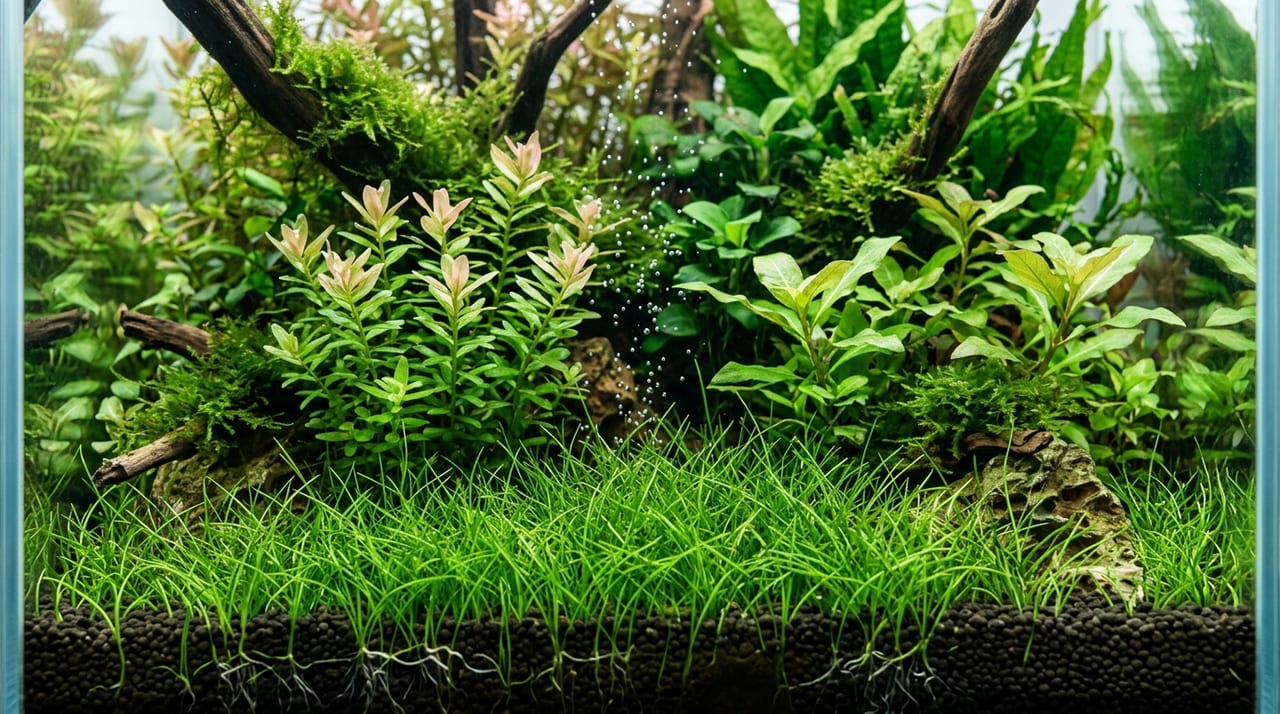
Stem plants are aquatic plants that grow upward by extending their stems. This guide explains how to distinguish between rosette-type, attachment-type, and foreground plants in a comparison table, covers beginner-friendly varieties, planting methods for dense planting and tiered arrangements, and offers tips for pinch cutting and replanting.
Key Takeaways
Stem plants are aquatic plants that grow upward by extending their stems. This guide explains how to distinguish between rosette-type, attachment-type, and foreground plants in a comparison table, covers beginner-friendly varieties, planting methods for dense planting and tiered arrangements, and offers tips for pinch cutting and replanting.
Related Species
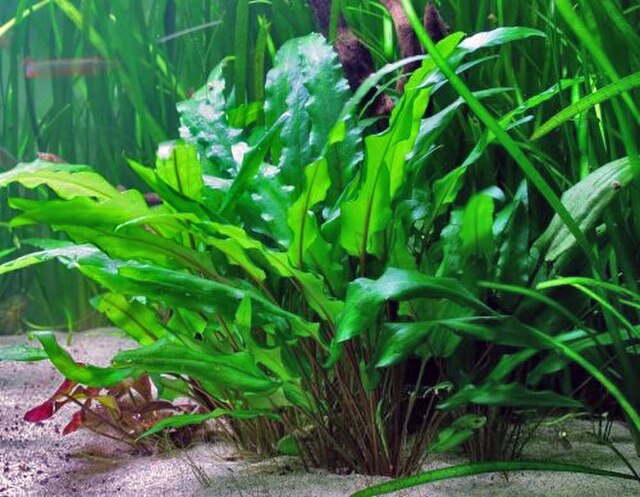
Cryptocoryne
View species details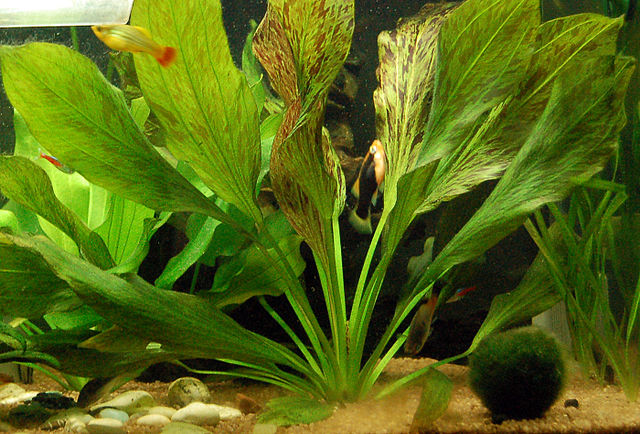
Echinodorus (Amazon Sword)
View species details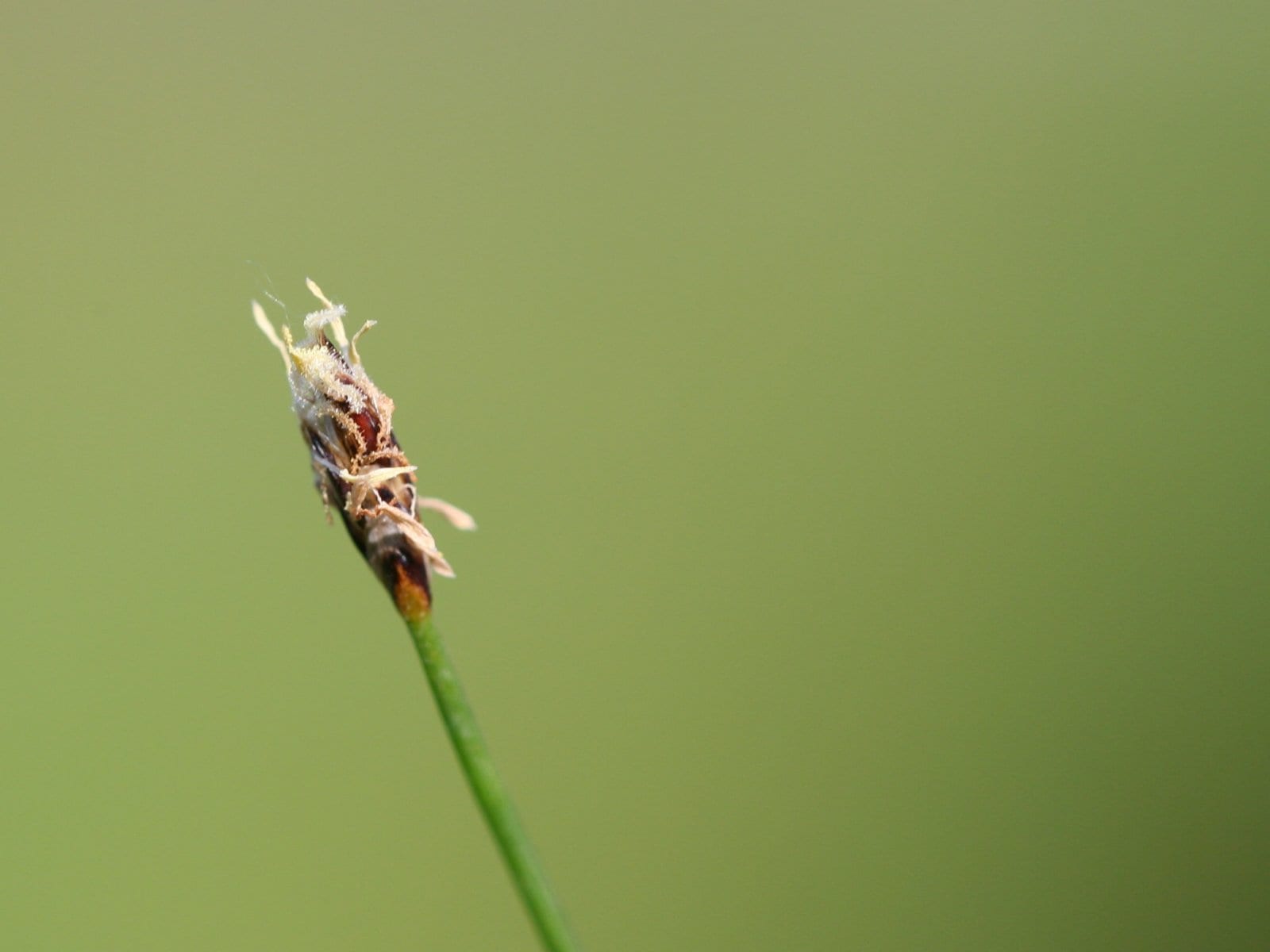
Hairgrass
View species details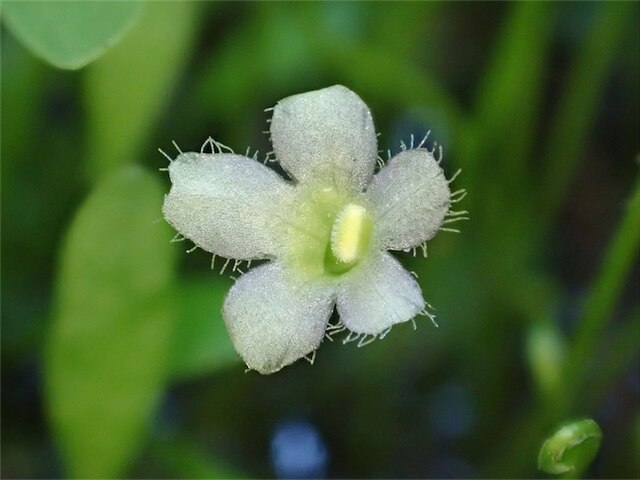
Glossostigma
View species detailsRotala wallichii
View species details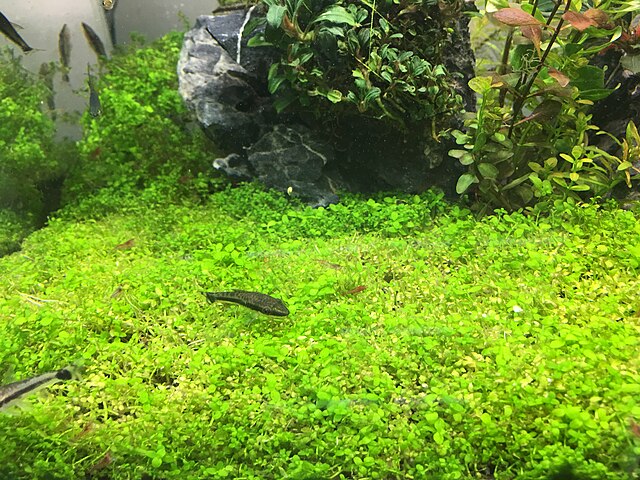
Hemianthus callitrichoides
View species details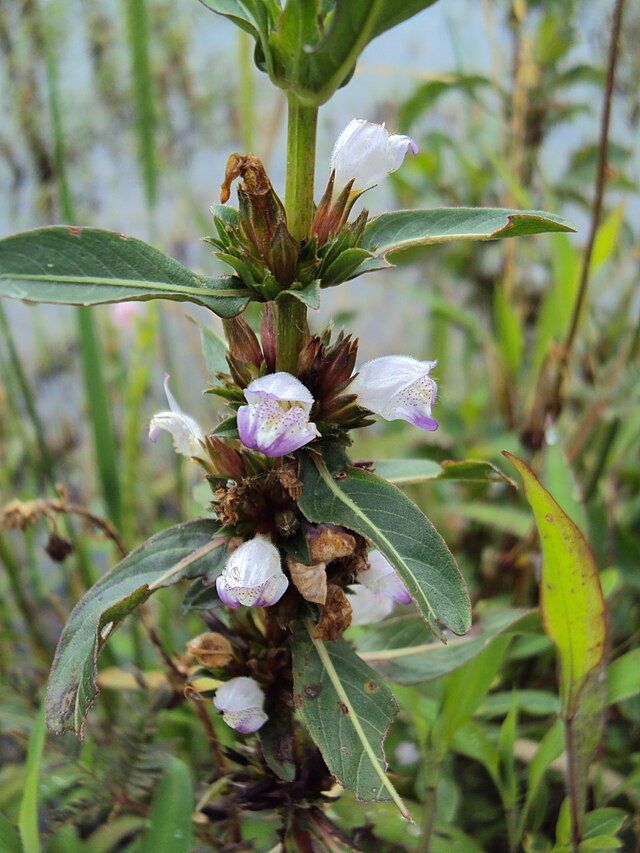
Hygrophila
View species details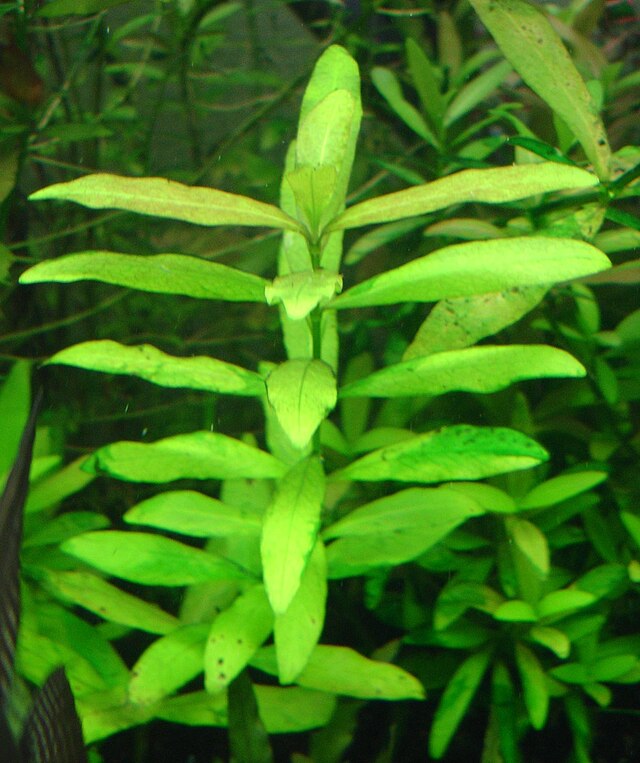
Hygrophila Polysperma
View species detailsStem plants are aquatic plants that grow by extending their stems upward, bringing vibrant color to the midground and background of an aquatic plant tank. Their appeal lies in fast growth and the ability to shape them through trimming, offering great freedom in layout design. With abundant varieties available, you can enjoy diverse colors—green, red, orange, and yellow. Here we explain the characteristics of popular stem plants and management techniques for creating beautiful dense growth.
What are Stem Plants? — Aquatic Plants That Grow Upward by Extending Their Stems
Stem plants are aquatic plants characterized by a distinct stem that extends upward while leaves unfold along it. Also called "stem types" or "stem-form," they may be abbreviated simply as "stem plants." This is not a formal taxonomic grouping but a practical classification used in horticulture because they share common cultivation and handling methods.
The defining characteristic that sets stem plants apart from other types is that even when you cut the stem midway, you can replant the upper section directly and it will develop into a new plant. Because of this property, trimming itself becomes a form of propagation, and you have complete freedom to redesign your layout.
| Type | Representative Species | Visual Characteristics | Planting Method | Propagation Method |
|---|---|---|---|---|
| Stem plants | Rotala, Hygrophila, Ludwigia, Pearl grass | Stems stand upright with leaves at each node | Insert one by one into the substrate | Cut stems and replant |
| Rosette-type | Echinodorus, Cryptocoryne, Vallisneria | No stems; leaves emerge radially from the center of the plant | Plant the entire plant into the substrate | Runners or plant division |
| Attachment-type | Anubias, Microsorum, Willow moss | Root onto driftwood or stone | Fix to substrate without burying | Plant division or cutting |
| Foreground plants (Creeping) | Glossostigma, Hair grass, Cuba pearl grass | Spread horizontally in a carpet-like form | Divide and plant densely | Runners extend and spread naturally |
| Floating plants | Amazon frogbit, Salvinia | Roots hang in water while plant floats on surface | Not planted | Young plants separate naturally |
Here are three key points to distinguish them:
- Is a stem visible? — If the stem stands upright, it's a stem plant; if leaves emerge directly from the base, it's a rosette-type.
- Can it be inserted into the substrate? — Plants inserted into the substrate are stem plants; those tied to driftwood or stone are attachment-type.
- Can the upper section be replanted? — The ability to replant the upper section and have it grow is the defining feature of stem plants.
Note that rosette-type plants will lose the entire plant if you cut the stem, so you should not trim them with the same approach as stem plants. For foreground plant cultivation, see Types and Methods for Creating an Aquatic Plant Carpet, and for rosette-types like Cryptocoryne, see How to Cultivate Cryptocoryne.
Stem Plants Recommended for Beginners
Start with easy-to-grow varieties.
Rotala Rotundifolia One of the easiest stem plants to grow. It thrives even without CO2, changing color from green to pink to red depending on light intensity. Fast-growing and ideal for practicing trimming techniques. It's also a welcome point for beginners that it propagates easily through replanting.
Pearl Grass (Hemianthus micranthemoides) A beautiful stem plant with small, round leaves arranged in neat rows. Bright green in color, it develops a delicate dense growth when planted densely. While it grows more beautifully with CO2 supplementation, it can be cultivated without it.
Hygrophila polysperma Extremely hardy and a standard choice for beginners taking up stem plants for the first time. It grows even in low light and requires no CO2. Growth is extremely fast, so trimming frequency will be high, but it's good practice for plant management.
Ludwigia repens An introductory red-toned stem plant. The undersides of leaves develop a reddish-bronze color when exposed to strong light. Hardy and fast-growing, it's ideal for a first red-toned aquatic plant.
Beautiful Stem Plants for Advanced Growers
As your cultivation skills improve, challenge yourself with more delicate varieties.
Rotala sp. Hra A cultivar of Rotala distinguished by its deep red color. When high light intensity, CO2 supplementation, and iron fertilization are all provided, it displays a fiery red hue. When planted in an area with strong water flow, internodes become compact, creating dense growth.
Rotala macrandra Among red-toned stem plants, this variety produces the most vivid red color. It's challenging to cultivate, requiring high light intensity, CO2, soft water, and abundant iron supplementation, but when conditions are right, it becomes a star feature of the tank.
Myriophyllum matogrossense A delicate and beautiful variety with fine, needle-like leaves. Its bright lime-green color adds freshness to the tank. Lower leaves tend to decay, so regular replanting is necessary.
Pogostemon erectus A variety with fine, upright leaves that create a unique atmosphere. Easy to use as a midground accent, it creates interesting visual effects when combined with other aquatic plants.
Planting Methods for Creating Beautiful Dense Growth
The appearance of stem plants changes greatly depending on how they are planted.
Plant densely The basic principle is to plant stem plants one by one at 2-3 cm intervals. If you space them too far apart, the lower portions become sparse and the appearance suffers. From the start, secure a sufficient number of plants for planting.
Plant in a tiered arrangement Planting in a tiered arrangement—taller in back, shorter in front—creates dense growth with depth. Cutting the stems longer in the back rows and shorter in the front rows creates natural steps.
Group by variety Planting the same variety together creates unity in color and texture. Mixing different varieties tends to create a cluttered appearance. Create islands of each variety and compose your layout using color contrast.
Techniques for Maintaining Dense Growth Through Trimming
The beauty of stem plants is maintained through trimming.
Pinch cutting This method involves cutting the stem midway. Two to three lateral shoots emerge from the lower section of the cut, causing the plant to branch and become denser. For the first cut, trim about 10 cm below the water surface; for subsequent cuts, trim slightly higher than the previous cut. Repeating this 3-4 times creates very dense growth.
Replanting When the lower portion becomes old and unsightly, pull the plant out at the base, cut only the clean upper portion, and replant it. This keeps the plant constantly in a fresh state.
Trimming frequency Depending on growth speed, aim for once every 2-4 weeks. The best timing is to trim when the plant is 5-10 cm away from reaching the water surface.
Stem Plant Troubles and Solutions
Here are common troubles encountered during cultivation and their solutions.
Lower leaves decay The most common trouble. This occurs when the upper leaves become too dense, blocking light from reaching the lower portion. It's important to thin out the upper growth through regular trimming and allow light to reach the lower leaves.
Stems become leggy This occurs when internodes stretch excessively, making the plant spindly. It's caused by insufficient light or inadequate CO2. Increase the light intensity or review your CO2 supplementation.
Plants don't turn red When red-toned stem plants remain green and don't turn red, it's caused by insufficient light, lack of iron, or excess nitrogen. Strengthen your lighting and try adding liquid fertilizer containing iron.
Propagation Techniques for Stem Plants
A major appeal of stem plants is how easily they propagate. The most basic method is "replanting," where you cut the upper portion and plant it in the substrate to grow as a new plant. When replanting, remove 2-3 nodes of lower leaves from the section to be inserted and firmly insert it 3-4 cm deep into the substrate. Using tweezers prevents damage to the stem. Another method is "pinch cutting"—cutting the stem midway causes multiple lateral shoots to emerge from the cut surface. Since one pinch cut produces 2-3 branches, repeating this several times dramatically increases the density of growth. One caution: if you rush propagation and repeat trimming at short intervals, the aquatic plant may become exhausted and lose vigor. Allow at least 2 weeks between cuts and ensure sufficient growth before the next cut.
Considerations for Color Layout with Stem Plants
Here are tips for making the most of stem plants' abundant colors in your layout. Use green-toned stem plants (Green Rotala, Pearl grass) as the base and place red-toned varieties (Rotala sp. Hra, Ludwigia Super Red) as accents to create striking color contrast. Inserting orange-toned varieties (Rotala Walickii) or yellow-toned varieties (Ludwigia arcuata) as intermediate colors creates a natural gradient-like color transition. Planting with cohesion by variety and creating clear color boundaries are keys to achieving a professional-looking layout.
Measures When Stem Plants Are In Poor Condition
Here's a summary of emergency measures when stem plants lose vigor. If yellowing begins from the lower leaves, it indicates a lack of nitrogen or potassium. Supplement with liquid fertilizer. If stems are becoming leggy and thin, it indicates insufficient light. Strengthen your lighting or review your CO2 supplementation.
Stem plants greatly expand the possibilities of your layout. At GrowerDirect, you can purchase high-quality aquatic leaves in bulk from growers who specialize in cultivating stem plants. You can also consult on variety combinations, so take advantage of this to create your ideal layout.