Stem Plant Trimming and Replanting Techniques | How to Maintain Beautiful Bushy Growth
Explains stem plant trimming and replanting techniques. Introduces how to use pinch cutting and cut & replant methods.
Key Takeaways
Explains stem plant trimming and replanting techniques. Introduces how to use pinch cutting and cut & replant methods.
Related Species
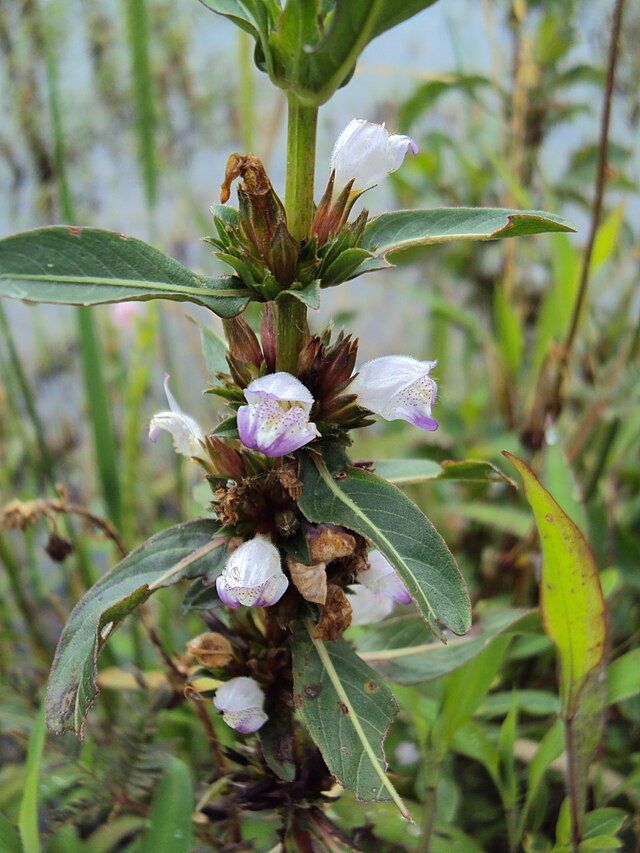
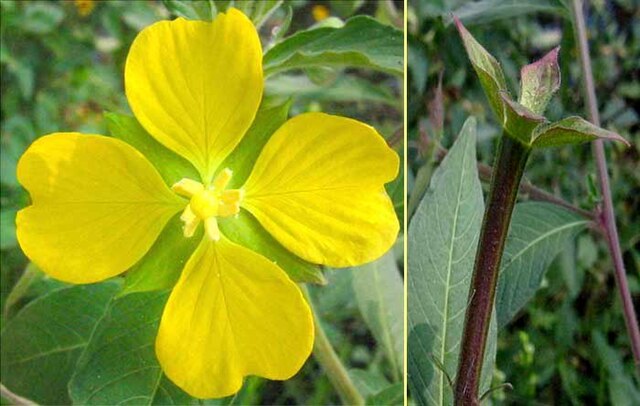
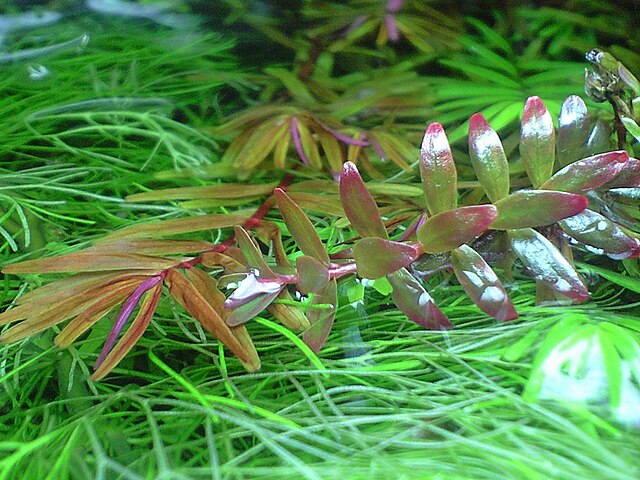
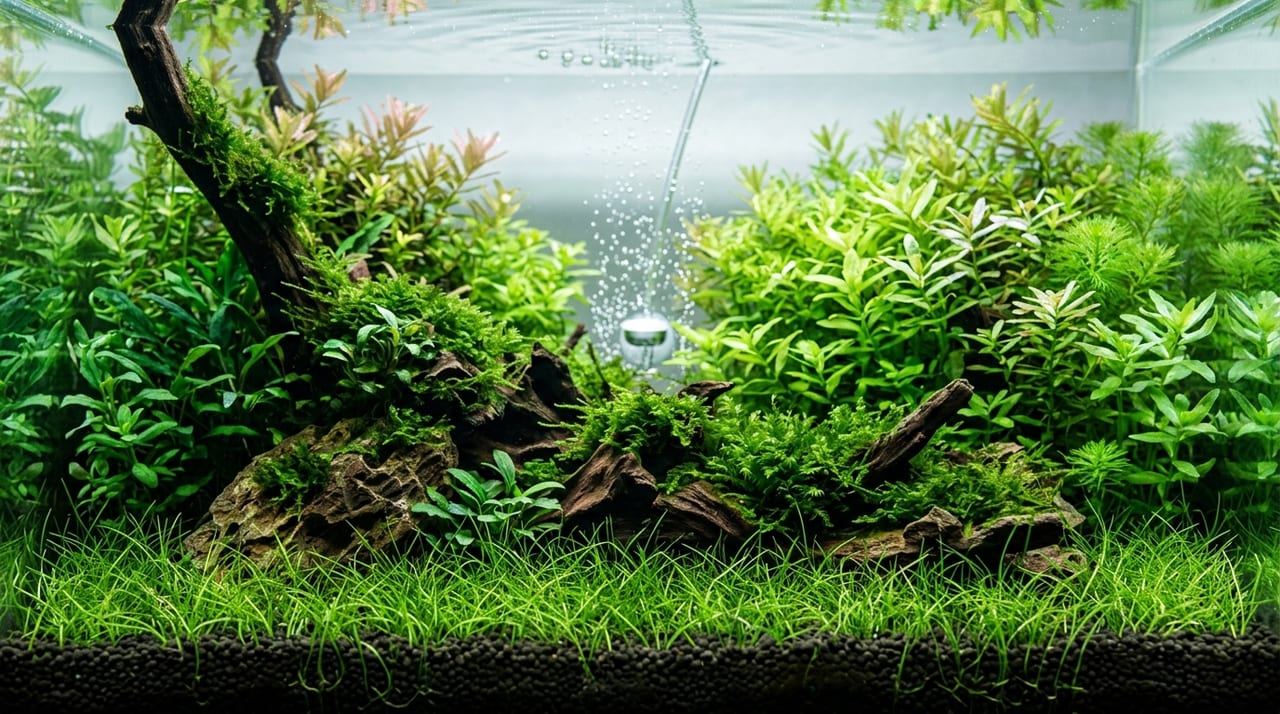
Stem plants are the stars of aquatic layout aquariums. Plants like Rotala, Hygrophila, and Green Rotala captivate with their vibrant colors and graceful growth, but their rapid growth requires regular trimming. If left untended, they will cover the water surface, lower leaves will die, and the layout will become disheveled.
This article explains stem plant trimming methods in detail, dividing them into two types: "pinch cutting" and "replanting (cut & replant)." By understanding the characteristics of each method and when to use them, even beginners can maintain a beautiful aquatic plant layout over the long term.
Pinch Cutting | A Basic Technique to Easily Create Dense Bushy Growth
Pinch cutting is a method of cutting through the middle of the stem with scissors to remove the overgrown upper portion. It is the most basic and simple technique among aquatic plant trimming methods, and is characterized by being approachable for beginners.
Steps for Pinch Cutting
- Identify the stem that has grown near the water surface
- Cut just above the node (the base where the leaf attaches) 3–5 cm below the water surface
- Quickly collect the cut upper portion with a net or tweezers
- If desired, replant the cut stem in another location
Merits and Demerits of Pinch Cutting
- Merits: The work is simple and takes little time to complete. Multiple side shoots emerge from the cut node, causing the plant to naturally become dense. Since the substrate is not disturbed, the water remains clear
- Demerits: Repeated cutting causes the lower portion of the stem to lignify (become hard), making side shoots less likely to appear. Additionally, the appearance can worsen as the lower leaves become sparse
Recommended Frequency: Once every 2–3 weeks Suitable Species: Various Rotala species, various Hygrophila species, Pearl Grass, Ludwigia, etc.
Replanting (Cut & Replant) | A Professional Technique to Keep Your Tank Always Fresh
Replanting is a method in which you cut and remove only the upper portion (new growth) of the stem, pull out the old lower portion of the stem by the roots, and then replant the upper new growth in its place. Although it requires more effort, it is an indispensable technique for long-term layout maintenance because you can always compose your aquarium of vigorous young stems.
Steps for Replanting
- Cut approximately 5–10 cm from the upper portion of the stem and remove it with tweezers (set aside the cut upper portion)
- Carefully pull out the old lower portion of the stem from the substrate
- If the substrate clouds up, wait a moment for it to settle
- Using tweezers, replant the saved new growth in the same location or a position that suits your layout
- After replanting, be careful not to expose the replanted area to strong water flow for 1–2 days until the roots establish
Merits and Demerits of Replanting
- Merits: You can reset the stem before it becomes old, so you can always maintain a fresh and beautiful state. It is also a good opportunity to reposition your layout
- Demerits: The work requires time and effort. The substrate is disrupted, making the water temporarily more likely to become cloudy. The stem is unstable immediately after replanting and tends to float up
Recommended Frequency: Once every 1–2 months (use in combination with pinch cutting) Suitable Species: All stem plants are suitable
Timing and Indicators for Trimming
"When should I trim?" is a point where beginners often hesitate. Use the following signs to judge when it's time to trim:
- When it begins to reach the water surface: If the surface is covered, light will not reach the lower layer, accelerating the death of lower leaves
- When lower leaves begin to yellow or die: If left untended, decay can occur, which can cause algae growth
- When stems become crowded and light can no longer penetrate: The inner leaves die, resulting in a sparse appearance
- When the outline of your layout begins to fall apart: Regular trimming allows you to maintain a beautiful silhouette
Trimming immediately after a water change allows the sap released from the cut surface to quickly dilute in fresh water, reducing the risk of water quality deterioration. Making it a habit to perform trimming and water changes as a set will make management more efficient. If you are struggling with algae, also check The Complete Guide to Algae Control in Aquatic Plant Tanks.
Tools and Work Tips
The quality of your trimming results is greatly influenced by the quality of your tools. Using dull scissors to cut stems causes the cut surface to be crushed, making it susceptible to decay, so it is strongly recommended to use aquatic plant-specific trimming scissors.
Tools Worth Having
- Trimming Scissors (straight and curved types): Curved types are useful for detailed work and cutting edges of foreground plants
- Tweezers (straight and curved): Essential for planting during replanting. Choosing fine-pointed tweezers allows you to plant deeper to the base
- Collection Net: Used to quickly collect cut stems and leaves. If left untended, they become a nutrient source for algae
Tips for Successful Work
- Always cut just above the node (where the leaf attaches). Leaving the node makes side shoots more likely to emerge
- When replanting, remove the lower 1–2 cm of leaves before planting to encourage root emergence
- Do not trim everything at once; instead divide left and right or front and back, and do the work a few days apart to reduce stress on water quality
- After trimming, slightly increasing your CO₂ supplementation rate beyond normal will speed up new growth. If you are unsure about supplementation methods, refer to Aquatic Plant CO₂ Supplementation Basics | From Equipment Selection to Setup for a deeper understanding
GrowerDirect's Safe and Reliable System
Once you master stem plant trimming techniques, you will greatly expand how you enjoy aquatic plant layouts. However, if you don't start with "healthy aquatic plants," no technique can be put to full use.
GrowerDirect allows you to purchase aquatic plants directly from trusted growers who have cultivated them for many years. Information that buyers need to know, such as pesticide-free growing methods, is clearly stated by the growers themselves, and you can ask the seller directly about product condition and growing methods. Even basic questions like "Can you teach me trimming tips?" or "Does this species need fertilizer?" receive concrete advice that only someone who grew the plant can provide—this is GrowerDirect's greatest strength. Before purchasing, also review Aquatic Plant Buying Guide | How to Choose Without Mistakes When Shopping Online for added peace of mind in your selection.
The first step toward a beautiful layout starts with obtaining healthy, quality aquatic plants. Please search GrowerDirect to find your ideal stem plants.