Introduction to CO2 Addition for Aquatic Plants | From Equipment Selection to Setup
How to start CO2 addition in an aquatic plant tank. Explains the differences between cylinder, chemical, and fermentation methods, how to choose regulators and diffusers, and guidelines for appropriate CO2 dosages for beginners.
Key Takeaways
How to start CO2 addition in an aquatic plant tank. Explains the differences between cylinder, chemical, and fermentation methods, how to choose regulators and diffusers, and guidelines for appropriate CO2 dosages for beginners.
Related Species
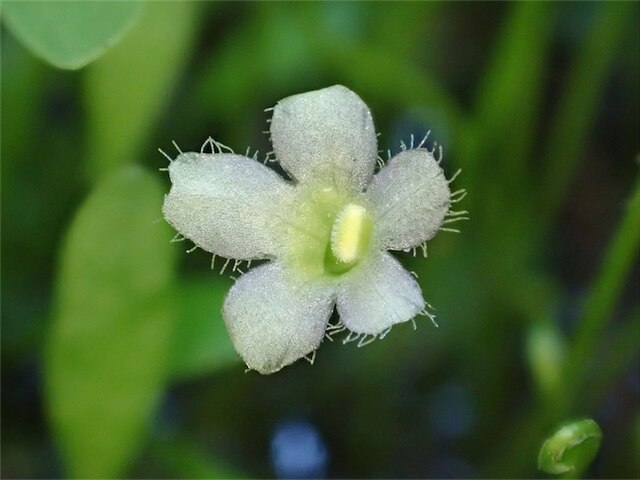
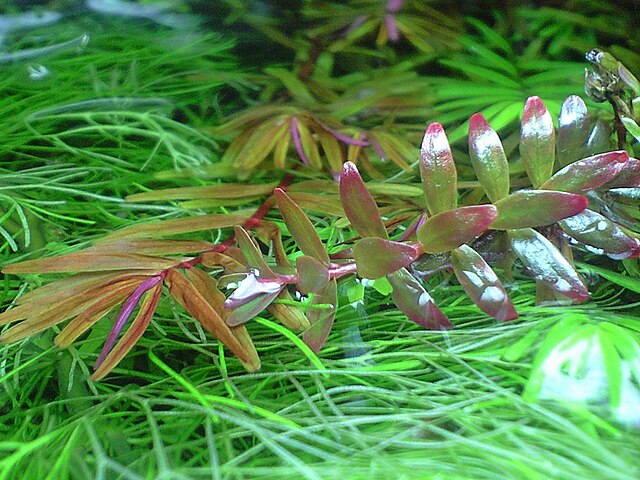
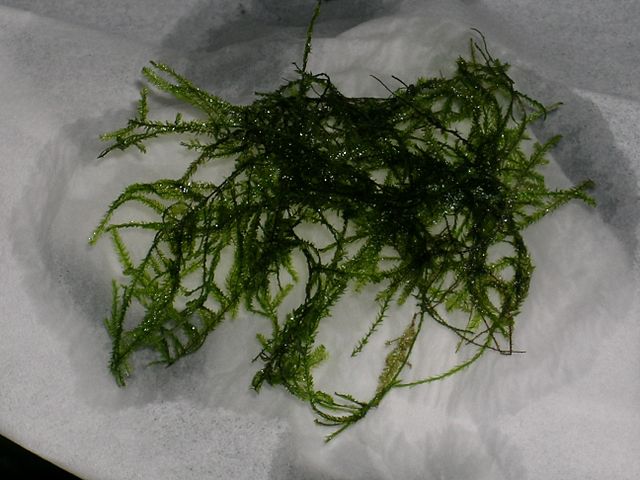
To cultivate aquatic plants beautifully and healthily, CO2 (carbon dioxide) addition is an extremely effective method. Through CO2 addition, aquatic plant photosynthesis becomes more active, significantly improving growth rate and coloration. This article provides detailed explanations from basic knowledge of CO2 addition to equipment selection and appropriate dosage amounts.
Why CO2 Addition Is Necessary
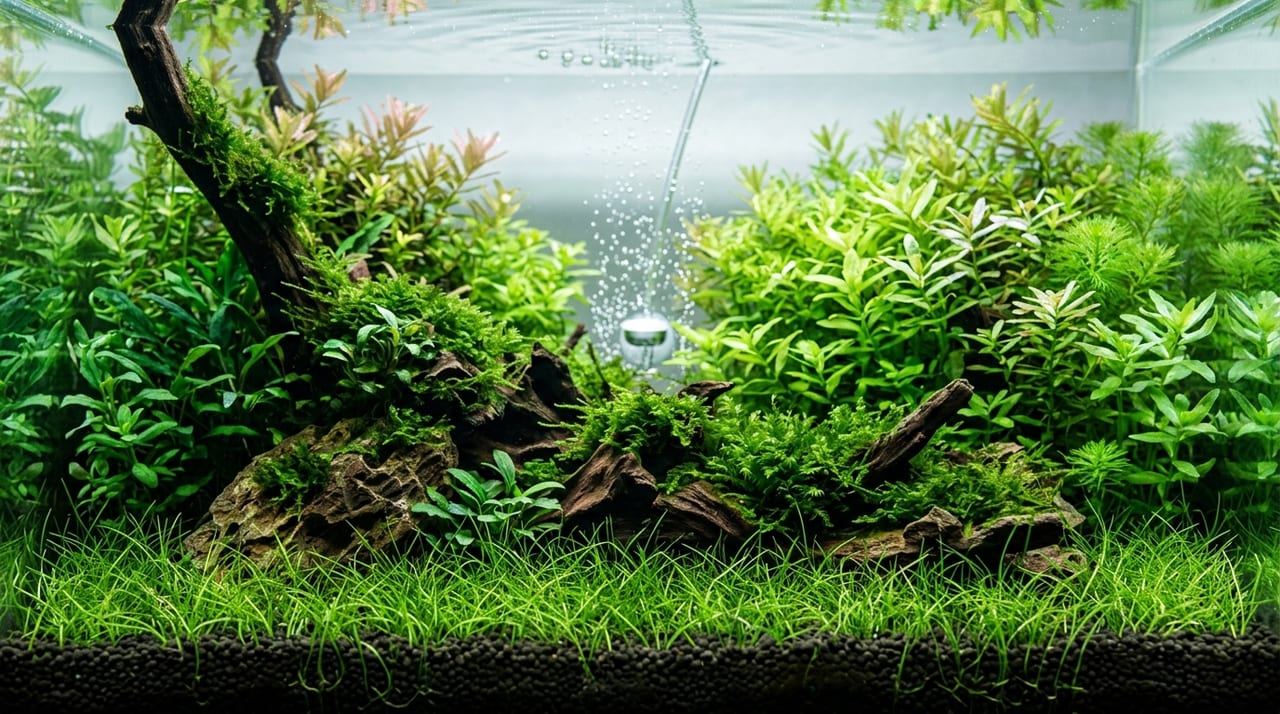
When conducting photosynthesis, aquatic plants use light, water, and CO2 to produce nutrients. In natural rivers and lakes, sufficient CO2 is dissolved, but in the closed environment of an aquarium, CO2 tends to be extremely lacking.
The benefits of CO2 addition are as follows:
- Promotes aquatic plant growth: Photosynthesis becomes more active, increasing the speed of leaf development
- Improves coloration: Red aquatic plants tend to display vivid red coloration more easily with CO2 addition
- Suppresses algae: As aquatic plants grow vigorously, they absorb nutrients efficiently, reducing the nutrients available for algae
- Beautiful bubbles: Oxygen bubbles produced during photosynthesis create a magical effect in the aquarium
In particular, stem plants and foreground plants such as glossostigma, pearl grass, and rotala cannot display their true beauty without CO2 addition.
Comparison of Cylinder, Fermentation, and Chemical Reaction Methods
There are several methods for CO2 addition. Understand the characteristics of each and choose the method that works best for you.
1. Cylinder Method (Midsize/Small CO2 Bottles)
- Advantages: Stable dosage, fine adjustments possible, good cost-effectiveness in the long term
- Disadvantages: High initial cost (regulator, solenoid valve, etc.)
- Recommended for: Those who want to seriously cultivate aquatic plants, tanks 60cm or larger
2. Fermentation Method (Yeast Fermentation)
- Advantages: Very low initial cost (can be made at home with a plastic bottle)
- Disadvantages: Difficult to adjust dosage, affected by temperature, requires regular solution replacement
- Recommended for: Those wanting to try it out, small tanks (30cm or smaller)
3. Chemical Reaction Method (Citric Acid + Baking Soda)
- Advantages: More stable than fermentation, cost control possible through DIY
- Disadvantages: Cannot achieve the precision of cylinder method
- Recommended for: Those considering upgrading from fermentation method
For beginners, we recommend first experiencing the effects with the fermentation method, then upgrading to the cylinder method. For detailed comparisons on choosing CO2 bottles, see also Aquatic Plant Tank CO2 Addition System Selection Guide.
Choosing a Diffuser
Selecting the right diffuser (gas disperser) is also important for efficiently dissolving CO2 into the water.
- Ceramic diffuser: Produces fine bubbles with high dissolution efficiency. Most common and easiest to handle
- Inline diffuser: Connects to external filter tubing. Keeps the tank interior clean but requires an external filter
- Bubble counter integrated type: Easy visual confirmation of dosage. Especially recommended for beginners
- CO2 mixer (reactor): Highest dissolution efficiency but designed for large tanks
Choose one suited to your tank size and install it in an area with water flow to increase dissolution efficiency.
Appropriate Dosage and Measurement
The appropriate CO2 dosage varies depending on tank size. Guidelines are as follows:
- 30cm tank (approximately 13L): About 1 bubble per second
- 45cm tank (approximately 30L): 1 to 2 bubbles per second
- 60cm tank (approximately 57L): 2 to 3 bubbles per second
- 90cm tank (approximately 157L): 4 to 5 bubbles per second
A drop checker is convenient for confirming CO2 concentration. Simply place it in the tank and the color of the reagent changes according to CO2 concentration.
- Blue: CO2 deficiency (more addition needed)
- Green: Appropriate range (approximately 20–30mg/L)
- Yellow: Excess (dangerous for organisms, immediately reduce dosage)
Addition Timing and Precautions
Here are key points for effective CO2 addition:
- Start 1 hour before lighting turns on: To ensure sufficient CO2 concentration when the light comes on
- Stop when lighting turns off: During dark hours, photosynthesis does not occur and excess CO2 can harm organisms
- Automate with solenoid valve: Using a timer and solenoid valve together enables automatic ON/OFF switching
- Combined with aeration: Perform aeration only at night to supplement oxygen
- Monitor organisms: If fish or shrimp gather at the water surface, this is a sign of excess CO2. Immediately stop addition and perform aeration
GrowerDirect allows you to purchase aquatic plants while receiving advice from growers with abundant knowledge of CO2 addition. The unique strength of GrowerDirect is the ability to consult directly with growers about aquatic plants suited to your growing environment. Please feel free to take advantage of this.
CO2 Addition and Aquatic Plant Growth Balance
To maximize the effects of CO2 addition, balance among lighting, fertilizer, and CO2 is important. Even if you increase CO2 alone, if lighting is weak, aquatic plants cannot conduct active photosynthesis and excess CO2 simply remains dissolved in the water. Conversely, if lighting is strong but CO2 is insufficient, aquatic plants cannot photosynthesize adequately and become stressed, allowing algae to dominate. The ideal balance is three-part management: adjusting CO2 dosage in stages according to lighting strength and supplementing nutrition with liquid fertilizer. Evidence that aquatic plants are photosynthesizing actively is fine bubbles (oxygen bubbles) rising from leaf surfaces. An environment where many of these bubbles are visible is one where balance is maintained. When performing CO2 addition for the first time, we recommend first experiencing the effects with the fermentation method, then upgrading to the midsize cylinder method. Start with a modest dosage and gradually increase it while observing the condition of your aquatic plants and organisms.
Frequently Asked Questions (FAQ)
Q. Does CO2 addition have negative effects on fish? A. If the amount is appropriate, there are no problems. As long as the drop checker remains in the green range, it is safe. However, excessive addition can cause oxygen depletion, so if fish are gulping at the water surface, immediately stop addition and perform aeration.
Q. Is CO2 addition necessary for small tanks? A. It depends on which aquatic plants you cultivate. For shade-loving plants such as anubias and willow moss, it is not necessary. If you want to create a carpet of foreground plants, even fermentation-method CO2 provides sufficient results. Small tanks have the advantage that low water volume allows adequate CO2 concentration with minimal addition.
CO2 Equipment Maintenance
CO2 equipment requires regular maintenance. Diffusers should be soaked in bleach and cleaned every 1–2 months; this clears blockages and enables finer bubble production. The water in bubble counters evaporates, so refill it regularly. Solenoid valves should have their operation checked at least once a year, and consider replacement if unusual noises occur. Beyond CO2, common beginner pitfalls are summarized in 10 Common Aquatic Plant Cultivation Failures and Solutions.