[2026 Edition] 10 Common Mistakes in Aquatic Plant Cultivation and Solutions
A thorough explanation of 10 common mistakes beginners make in aquatic plant cultivation, including insufficient light, CO2 deficiency, and algae blooms. We introduce cautions and specific countermeasures for each type of plant: foreground plants, stem plants, and low-light plants.
![[2026 Edition] 10 Common Mistakes in Aquatic Plant Cultivation and Solutions](https://img.botachoku.com/column-images/aquatic-plant-quarantine/hero-1782973755193.jpg)
Key Takeaways
A thorough explanation of 10 common mistakes beginners make in aquatic plant cultivation, including insufficient light, CO2 deficiency, and algae blooms. We introduce cautions and specific countermeasures for each type of plant: foreground plants, stem plants, and low-light plants.
Related Species
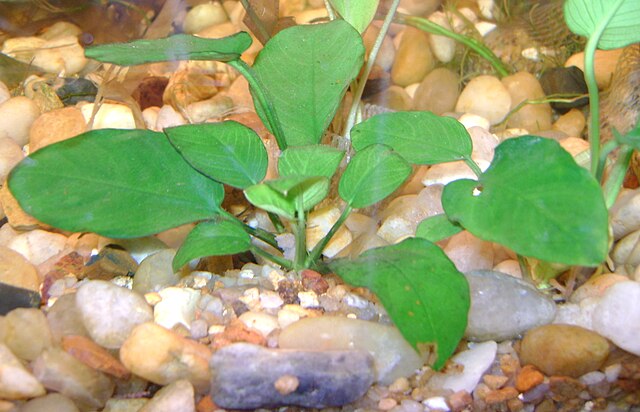
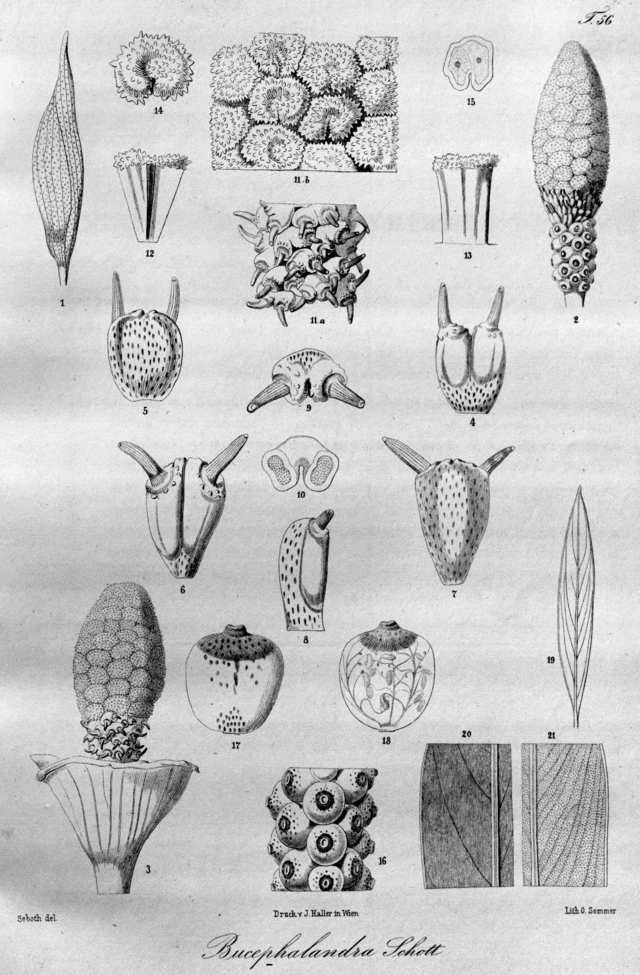
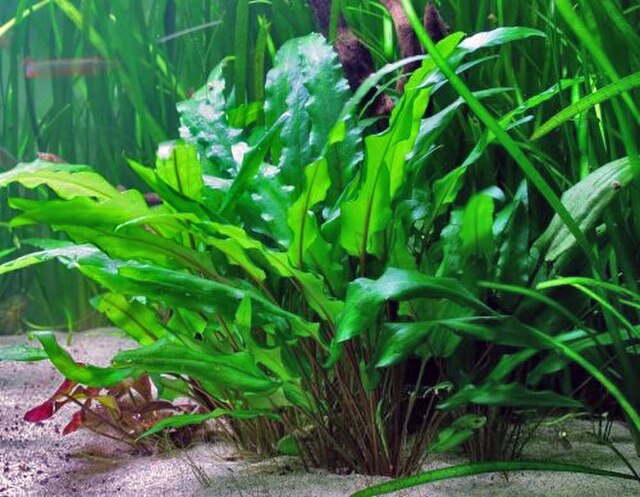
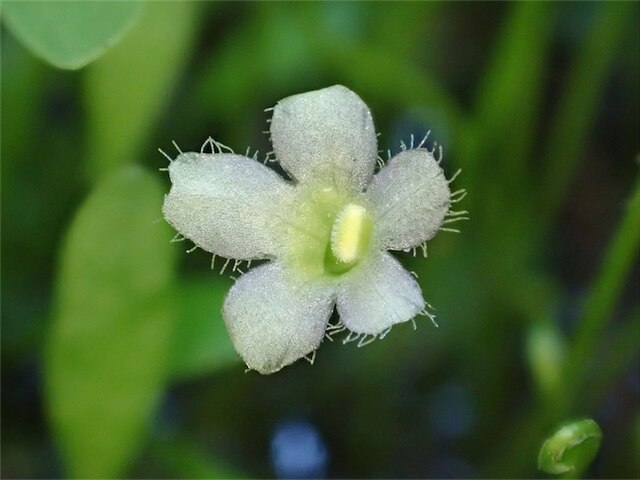
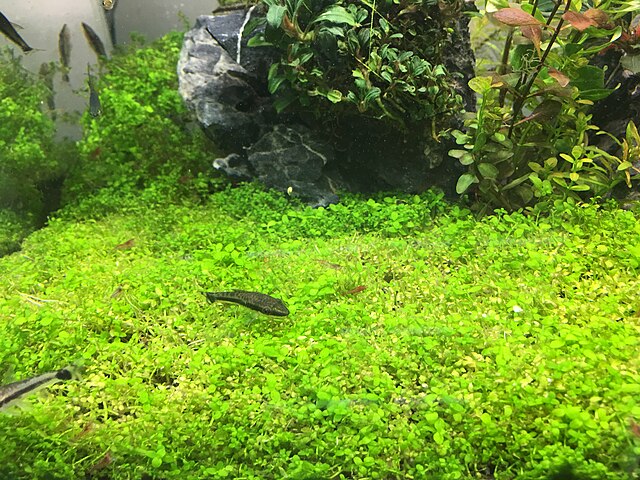
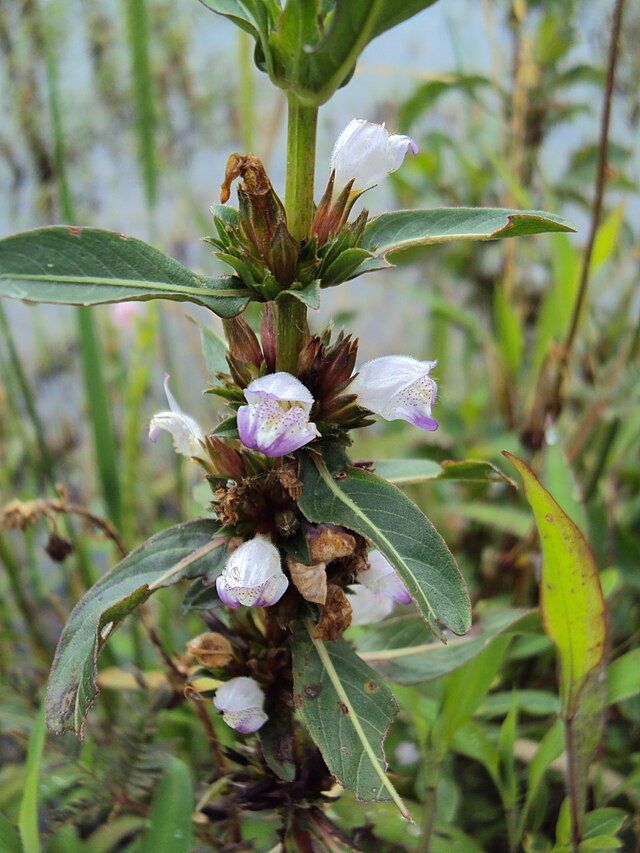
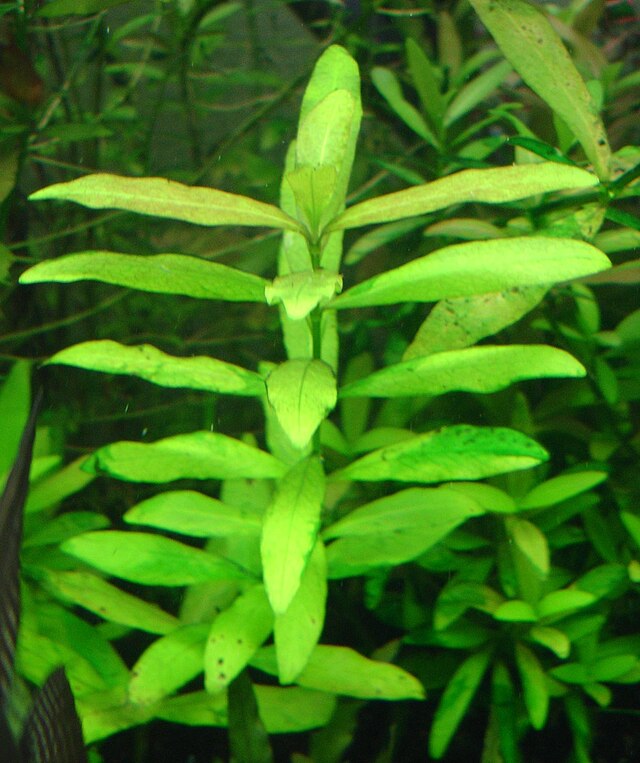
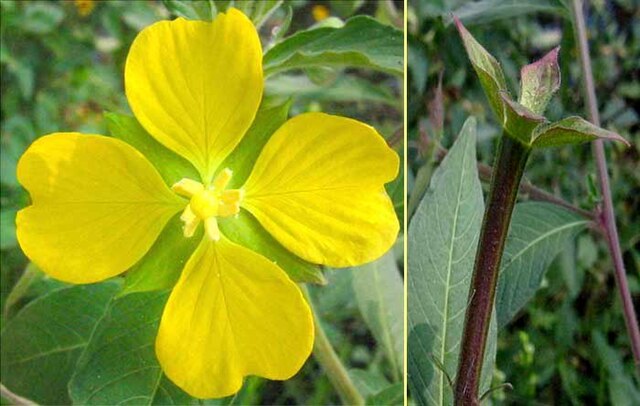
Planted aquariums are synonymous with beautiful aquascaping, but failures like "I added aquatic plants but they died" or "the tank became covered in algae" are extremely common. Aquatic plants require a balance of light, CO2, nutrients, and water quality—if any of these is lacking, they won't grow well. In this article, we explain 10 common mistakes beginners make in aquatic plant cultivation and specific countermeasures. If you'd like to review the basics first, check out Beginner's Guide to Growing Aquatic Plants.
Failure 1. Insufficient Lighting
What's the mistake? Trying to grow aquatic plants with the weak LED light that comes attached to the tank, or with no lighting at all.
Why is it dangerous? Aquatic plants survive through photosynthesis. When light is insufficient, growth stops, leaves turn yellow and discolor, and the plants gradually die. In particular, foreground plants (such as Glossostigma elatinoides and Hemianthus callitrichoides) and red-colored aquatic plants require strong light. Only certain low-light plants can survive in a low-light environment.
Countermeasures
- Invest in aquatic plant-specific LED lighting. A general guideline for brightness is 10–20 lumens per liter of tank volume
- For a 60cm tank, an LED light rated around 2000–4000 lumens is recommended
- Lighting duration of 8–10 hours per day. Use a timer for automatic control
- Low-light plants (Anubias, Microsorum, Willow Moss) can tolerate weaker light
- Growing foreground plants or Rotala species requires high light intensity + CO2 supplementation, which is nearly essential
Failure 2. Not Adding CO2 (When Necessary)
What's the mistake? Trying to grow aquatic plants that require CO2 supplementation in an environment without CO2 addition.
Why is it dangerous? CO2 concentration in water is extremely low compared to the air. Many aquatic plants cannot photosynthesize sufficiently without CO2 supplementation. Not only does growth slow down, but the plants weaken, lose out to algae, and eventually die.
Countermeasures
- Stem plants (Rotala, Ludwigia, etc.) and foreground plants almost require CO2 supplementation
- Beginners can start with fermentation-based CO2 (sugar + yeast) for low cost
- For serious cultivation, CO2 cylinders are stable and convenient
- Aquatic plants that don't require CO2: Anubias nana, Microsorum, Willow Moss, Vallisneria
- CO2 supplementation guideline: CO2 level should be such that the drop checker turns a light green color
See Beginner's Guide to CO2 Supplementation for Aquatic Plants for details on equipment selection and setup.
Failure 3. Growing Stem Plants in Non-Soil Substrates
What's the mistake? Planting nutrient-demanding aquatic plants in substrates with no nutritional value, such as gravel or coral sand.
Why is it dangerous? Many stem plants and foreground plants absorb nutrients through their roots. Gravel has almost no nutrients, and coral sand tends to raise pH to alkaline levels, making it unsuitable for most aquatic plants. Nutrient deficiency halts growth, and leaves die off from the bottom upward.
Countermeasures
- For planted aquariums, the standard is to use aquatic plant substrate (nutrient-rich aquatic soil)
- Nutrient-rich soils (such as ADA Amazonia) have abundant nutrients and promote fast plant growth
- If growing aquatic plants in gravel, bury aquatic fertilizer pellets (such as Initial Sticks) in the substrate
- Low-light plants are attached to driftwood or rocks rather than rooted in substrate, so they are less dependent on substrate type
Failure 4. Neglecting Algae Control
What's the mistake? Leaving algae alone when it appears, or treating only the symptoms without understanding the root cause of algae.
Why is it dangerous? Algae covers aquatic plants and blocks photosynthesis. If left unchecked, algae can outcompete and eliminate the plants, ruining a beautiful aquascape. Algae is also a sign of "excess light," "excess nutrients," or "CO2 deficiency."
Countermeasures
- Brown algae (common at startup): Often disappears naturally. Otocinclus fish are highly effective
- Green algae (on glass): Shorten lighting duration + biological control (nerite snails, Amano shrimp)
- Black beard algae: Caused by CO2 deficiency or excessive flow. Apply wood vinegar directly for removal
- Cyanobacteria (blue-green algae): Develops in low-flow areas. Control with 3–4 days of darkness + water changes
- Introduce algae-eating organisms: Amano shrimp, Otocinclus catfish, Siamese flying fox
Failure 5. Floating Plants Instead of Planting Them
What's the mistake? Not planting stem plants in the substrate, but instead just weighting down bundles and letting them sink.
Why is it dangerous? Aquatic plants establish themselves and absorb nutrients from the substrate through their roots. When floating, they cannot develop roots and nutrient uptake is insufficient, leading to gradual decline. Also, the layout becomes unstable and the appearance suffers.
Countermeasures
- Separate stem plants into individual stems and plant them at 2–3cm intervals
- Use tweezers (a trimming scissors set designed for aquatic plants is convenient) to push stems into the substrate
- Always remove the foam or weights at the base before planting
- Low-light plants (Anubias, Microsorum) should be attached to driftwood or rocks (secure with cotton thread or cyanoacrylate adhesive)
Failure 6. Not Trimming
What's the mistake? Leaving stem plants to grow unchecked.
Why is it dangerous? If left untrimmed, stem plants will grow all the way to the water surface, blocking light from reaching the lower portions and causing lower leaves to die and drop off. Also, if plants become too dense, water flow becomes poor and creates a breeding ground for algae.
Countermeasures
- Cut stem plants before they reach the water surface. Trim back to roughly half the height
- Re-plant the cut portions (replant in the substrate) to propagate more plants
- If the lower portion dies back and becomes sparse, pull out the plant and replant the cutting
- For foreground plants, thin out overly dense runners. Maintain good water flow
- After trimming, do a water change and remove scattered leaves thoroughly
Failure 7. Not Adding Fertilizer or Adding Too Much
What's the mistake? Believing "fish waste is enough" and adding no fertilizer at all, or adding excessive amounts thinking "more is better."
Why is it dangerous? Aquatic plants need nitrogen, phosphorus, potassium, iron, and trace elements. Fish waste can supply some nitrogen and phosphorus, but potassium and iron will always be deficient. Potassium deficiency causes "pinholes" (holes in leaves). Conversely, overdosing fertilizer causes a dramatic algae bloom.
Countermeasures
- Add potassium liquid fertilizer daily or every other day in small amounts (such as ADA Brighty K)
- Iron supplementation is especially important for red-colored aquatic plants. Add once or twice weekly
- Substrate fertilizer should be buried at the base of stem plants (such as Initial Sticks or Tetra Crypto)
- Start with small amounts of fertilizer and increase gradually while monitoring
- If algae appears, reduce fertilizer amount and dilute by doing water changes
Failure 8. Neglecting Water Temperature Management (High Temperatures)
What's the mistake? In summer, not taking action even if the water temperature exceeds 30°C.
Why is it dangerous? Most aquatic plants prefer temperatures of 22–28°C. Above 30°C, growth slows and some species literally melt and die. In particular, Cryptocoryne and Bucephalandra are sensitive to high temperatures. Also, at high temperatures, CO2 dissolves poorly in water, and algae becomes dominant.
Countermeasures
- Install an aquatic tank cooling fan (can lower temperature by 2–4°C)
- Managing room temperature with air conditioning is most reliable
- Be aware of heat generated by the lighting. LEDs produce less heat than fluorescent lights
- Heat-tolerant aquatic plants: Vallisneria, Hygrophila polysperma
Failure 9. Skipping Water Changes
What's the mistake? Mistakenly believing "planted aquariums have an established ecosystem, so water changes are unnecessary."
Why is it dangerous? Skipping water changes allows nitrate and phosphate to accumulate, leading to explosive algae blooms. Also, old water becomes depleted of trace elements, creating nutrient deficiencies for plant growth. The substrate's absorption capacity becomes saturated, and water quality becomes unstable.
Countermeasures
- Change 1/3 of the water once weekly — this is the basic rule
- Immediately after setup, in substrate aquariums change water daily to every 2 days for the first 2 weeks (to prevent ammonia)
- During water changes, use a water vacuum to remove debris from the substrate as well
- Before adding fresh water, use a dechlorinator and match the temperature to the tank water
Failure 10. Wrong Selection of Aquatic Plants
What's the mistake? Choosing aquatic plants based on appearance alone and buying species that don't suit your setup (light intensity, CO2, substrate).
Why is it dangerous? You may want to recreate the look of the aquatic plants in a shop's display tank, but without the conditions of CO2 supplementation, high light, and soil substrate, the same plants won't grow. Plants unsuitable for your environment will simply die, wasting money and time.
Countermeasures
- Honestly assess your equipment. With no CO2 and low light, start with low-light plants
- Beginner-friendly, hardy aquatic plants: Anubias nana, Microsorum, Willow Moss, Vallisneria, Hornwort
- With CO2 and medium or higher light: Rotala, Ludwigia, Glossostigma elatinoides, Pearl Grass
- If you tell GrowerDirect's growers about your setup, they can suggest plants suited to your conditions
Summary: 3 Principles to Avoid Failure in Aquatic Plant Cultivation
- Balance light, CO2, and nutrients. If any one is lacking, algae becomes dominant
- Choose aquatic plants suited to your conditions. Have the courage to give up on unsuitable species
- Regular maintenance: Don't neglect trimming, water changes, and fertilizer supplementation
Frequently Asked Questions (FAQ)
Q. Are there aquatic plants that can grow without CO2 supplementation? A. Yes. Anubias nana, Microsorum, Willow Moss, Vallisneria, and Hornwort can all grow without CO2.
Q. Is a filter necessary for a planted aquarium? A. Yes. External filters are ideal for planted aquariums. They provide water quality stability and appropriate water flow, and they don't let CO2 escape as easily.
Q. Why do my aquatic plants dissolve? A. The main cause is sudden environmental change (shifts in water quality, temperature, or light). Immediately after purchase, plants may temporarily dissolve during "submersed leaf conversion," but if conditions are suitable, new leaves will grow in.
Q. Should I put fish in with my aquatic plants? A. Fish waste provides nutrients for the plants, so having an appropriate number of fish improves plant growth. However, we strongly recommend introducing algae-eating organisms (Amano shrimp, Otocinclus).
For more detailed information on algae control, see Complete Guide to Algae Control in Planted Aquariums. At GrowerDirect, you can directly purchase aquatic plants from professional growers—including tissue-cultured plants and trimmed cuttings. You can also consult directly with growers about aquatic plants suited to your tank setup.