[2026 Edition] 15 Best Aquatic Plants for Beginners | How to Choose and Tips for Growing
Curated 15 easy-to-grow aquatic plants for beginners starting aquascaping. From species that don't require CO2 to beautiful layout-ready plants—complete guide.
![[2026 Edition] 15 Best Aquatic Plants for Beginners | How to Choose and Tips for Growing](https://img.botachoku.com/column-images/aquatic-plant-encyclopedia/hero-1778967645205.jpg)
Key Takeaways
Curated 15 easy-to-grow aquatic plants for beginners starting aquascaping. From species that don't require CO2 to beautiful layout-ready plants—complete guide.
Related Species
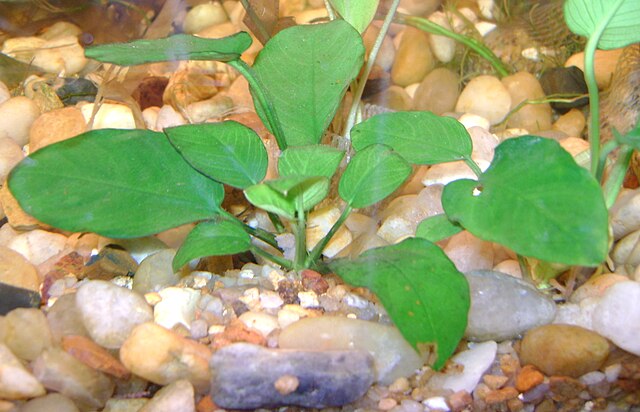
Anubias Nana
View species details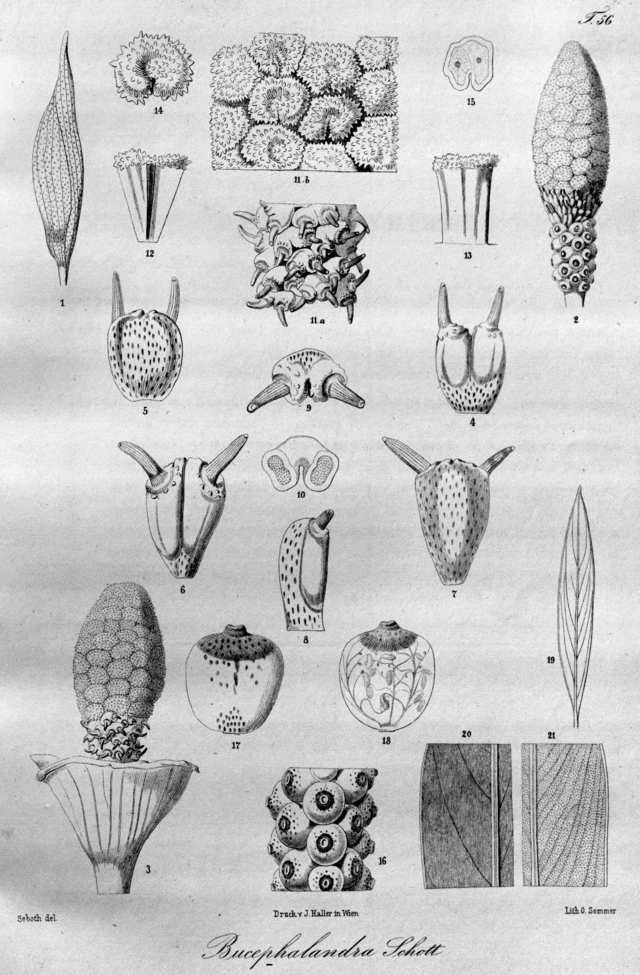
Bucephalandra
View species details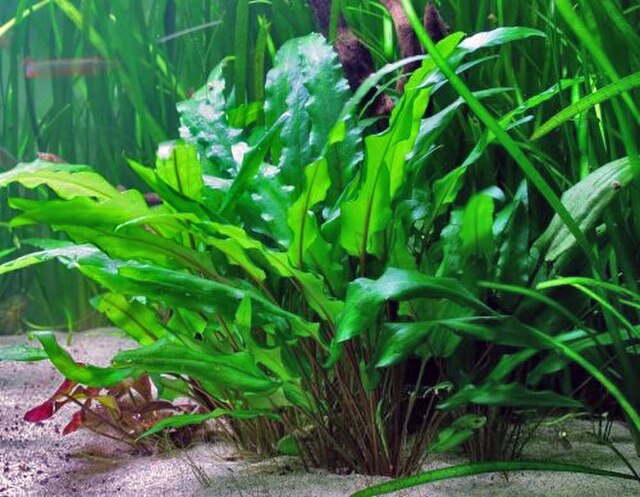
Cryptocoryne
View species details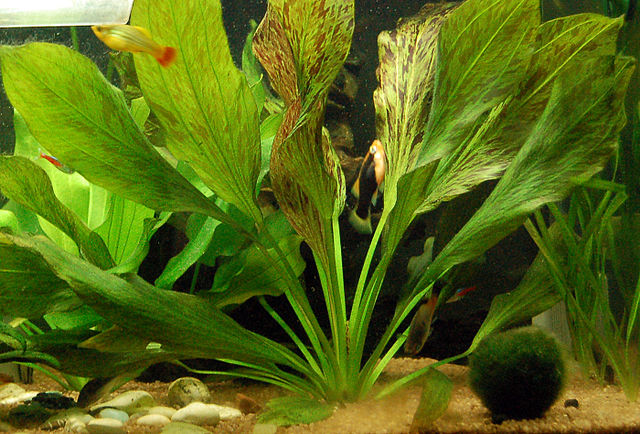
Echinodorus (Amazon Sword)
View species detailsAmazon Sword
View species details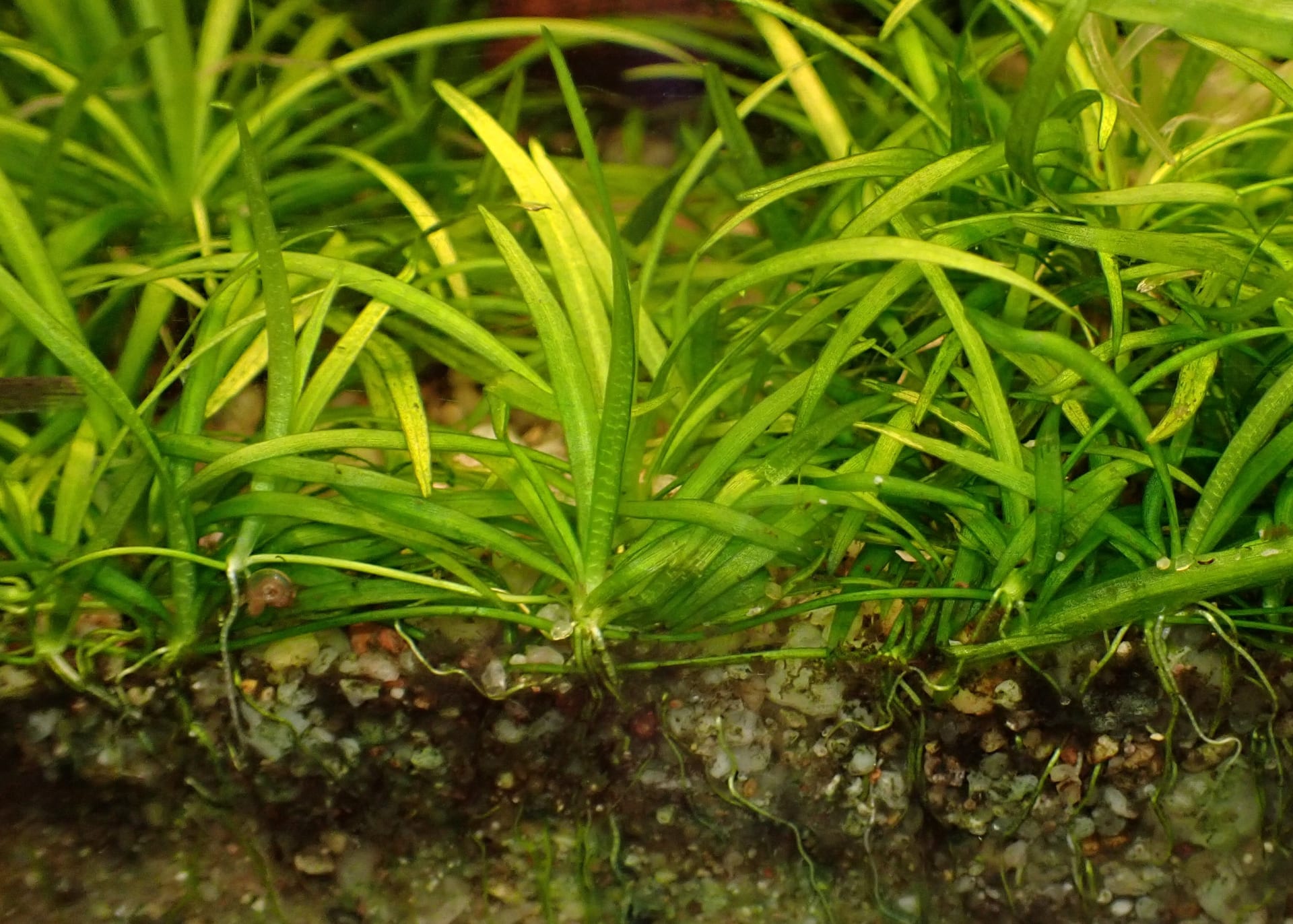
Pygmy chain sword (Helanthium tenellum)
View species details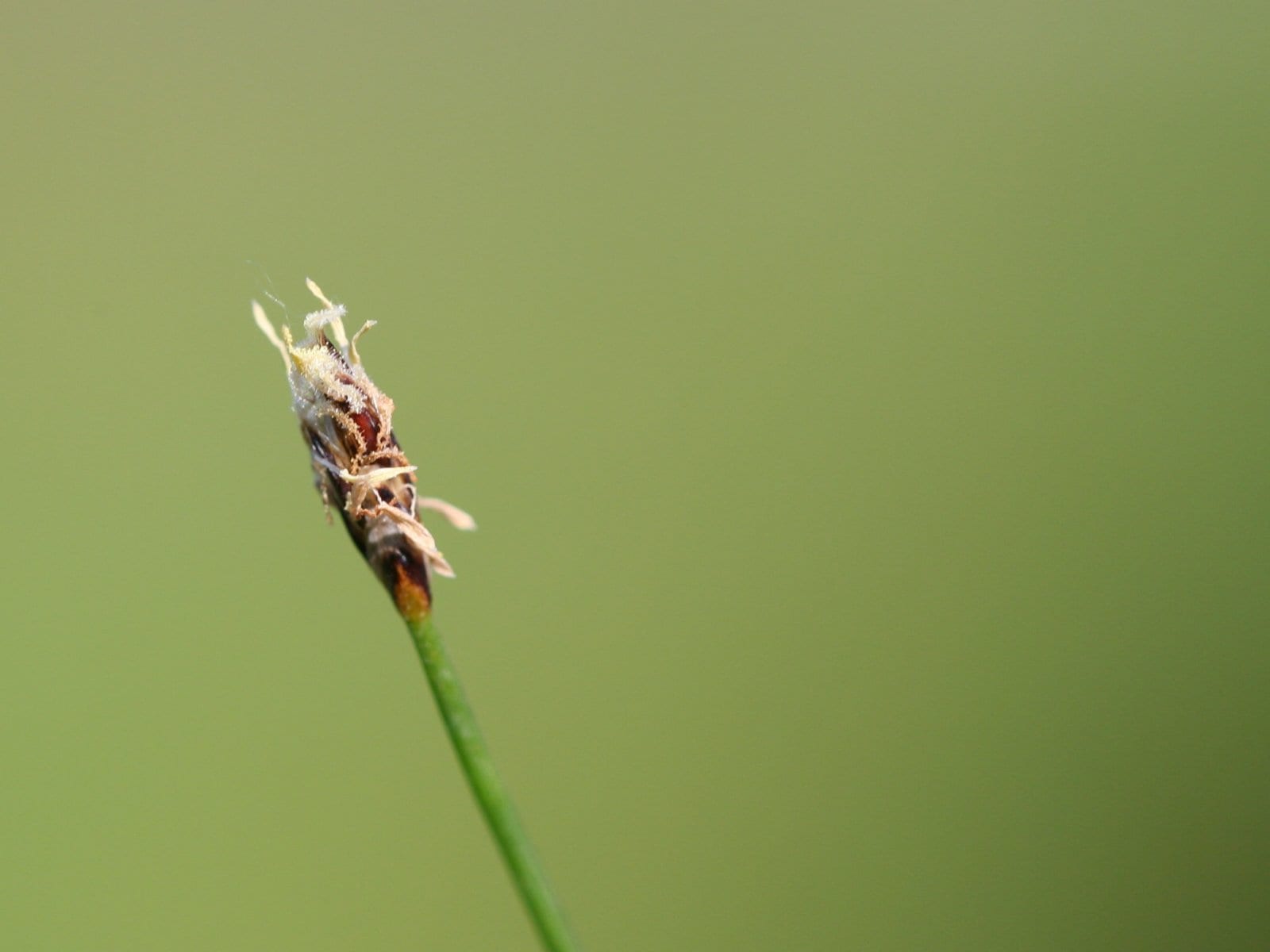
Hairgrass
View species details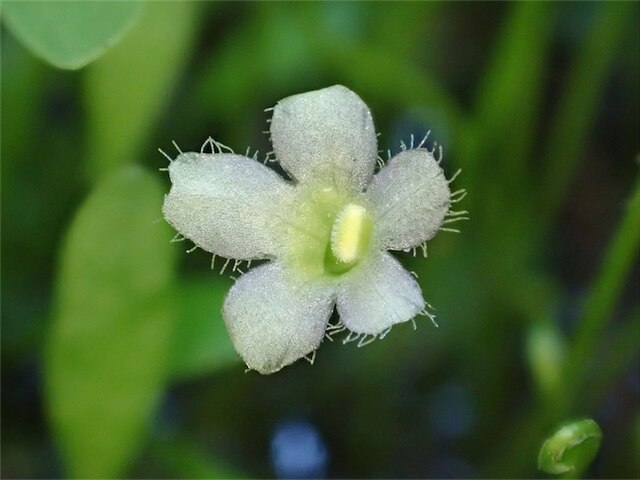
Glossostigma
View species detailsAquatic plants add greenery to your aquarium, serve as hiding places for fish, and help purify water. From species that grow without CO2 injection to types that become stunningly beautiful with just a bit of care, we've selected 15 perfect beginner plants.
How to Choose Aquatic Plants as a Beginner
- CO2 Requirement: Recommended to start with species that grow without CO2 injection
- Light Requirements: Species that thrive in low light are easier to maintain
- Growth Rate: Fast-growing species require regular trimming but offer rewarding changes
- Planting Method: Attach-to-substrate types (attach to driftwood or rocks) and stem plants (plant in substrate)
15 Recommended Aquatic Plants
1. Anubias Nana
- Difficulty: ★☆☆☆☆ / Price: ¥500–1,500 / CO2: Not Required / Light: Low to Moderate
Pros: The ultimate beginner aquatic plant. Simply attach to driftwood or rocks. Thrives even in low light. Slow growth means no trimming needed. Cons: Slow growth makes it prone to algae on leaves. Care Tips: Secure to driftwood with thread or adhesive. Add Amano shrimp or Oto cats for algae control.
2. Microsorum (Pteropus)
- Difficulty: ★☆☆☆☆ / Price: ¥500–1,500 / CO2: Not Required / Light: Low to Moderate
Pros: A fern variety with distinctive leaf shape. Attaches to driftwood or rocks. Hardy and doesn't need CO2. Propagates naturally from offshoots. Cons: Sensitive to high temperatures (be cautious above 28°C/82°F). Can blacken due to fern disease. Care Tips: Keep water temperature at 26°C/79°F or below. Positions with water flow promote healthy growth.
3. Willow Moss
- Difficulty: ★☆☆☆☆ / Price: ¥300–800 / CO2: Not Required / Light: Low
Pros: Simply wrap around driftwood or rocks for a natural look. Perfect as hiding spots for shrimp and fry protection. Extremely hardy. Cons: Overgrowth can cause lower portions to die from insufficient light. Regular trimming needed. Care Tips: Wrap thinly for attachment. Trim regularly to maintain health.
4. Vallisneria Spiralis
- Difficulty: ★☆☆☆☆ / Price: ¥300–800 / CO2: Not Required / Light: Moderate
Pros: Long ribbon-like leaves sway beautifully in current. Propagates naturally via runners. Hardy with fast growth. Cons: Can overpopulate the tank. Best suited for background planting as a large species. Care Tips: Plant at the back of the aquarium. Trim excess runners as needed.
5. Hornwort
- Difficulty: ★☆☆☆☆ / Price: ¥200–500 / CO2: Not Required / Light: Low to Moderate
Pros: No planting needed—just float it. Grows at an incredible rate with excellent water purification. Great for fish breeding beds. Cons: Growth can be so fast it overtakes the tank. Has no roots, so it floats freely. Care Tips: Thin out regularly. Perfect for medaka and guppy tanks.
6. Rotala Rotundifolia
- Difficulty: ★★☆☆☆ / Price: ¥300–600 / CO2: Beneficial / Light: Moderate to Strong
Pros: A stem plant that changes from green to red depending on light. Stunning when grown in groups. Fast-growing and easy to shape with trimming. Cons: Won't turn red as easily without CO2. Gets leggy without strong light. Care Tips: CO2 injection and high light produce red coloring. Regular trimming creates dense, full growth.
7. Cryptocoryne Wendtii
- Difficulty: ★★☆☆☆ / Price: ¥500–1,200 / CO2: Not Required / Light: Low to Moderate
Pros: Wavy leaves create a natural atmosphere. Grows slowly even in low light. Versatile for foreground to midground placement. Cons: Can "melt" from environmental changes (will recover if roots survive). Care Tips: Keep roots intact even if melting occurs initially. Plant in aquatic soil for best growth.
8. Hygrophila Polysperma
- Difficulty: ★☆☆☆☆ / Price: ¥300–600 / CO2: Not Required / Light: Moderate
Pros: Extremely hardy stem plant with fast growth. Thrives without CO2. Great for background. Cons: Grows so fast it needs frequent trimming. Care Tips: Easily propagated via cutting. Trim once weekly to maintain shape.
9. Echinodorus Tenellus (Pygmy Chain)
- Difficulty: ★★☆☆☆ / Price: ¥300–800 / CO2: Beneficial / Light: Moderate
Pros: Dwarf Echinodorus perfect for foreground. Spreads like grass via runners. Cons: Slow growth without CO2. Care Tips: Plant in aquatic soil. CO2 injection accelerates runner development.
10. Bucephalandra
- Difficulty: ★★☆☆☆ / Price: ¥800–3,000 / CO2: Not Required / Light: Low to Moderate
Pros: Distinctive glossy leaves are beautiful. Attaches to driftwood or rocks. Many varieties with high collectibility. Cons: Extremely slow growth. Many varieties are expensive. Care Tips: Manage like Anubias. Slow underwater growth.
11. Glossostigma
- Difficulty: ★★★☆☆ / Price: ¥500–1,000 / CO2: Required / Light: Strong
Pros: Iconic foreground plant for creating a green carpet. Standard in aquascaping contests. Cons: Grows upright without CO2 and strong light. Frequent trimming required. Care Tips: CO2 injection and high light are essential. Trim decisively and regularly.
12. Amazon Sword
- Difficulty: ★★☆☆☆ / Price: ¥500–1,200 / CO2: Not Required / Light: Moderate
Pros: Large leaves create an impressive rosette form. Hardy and CO2-free. Can be the focal point of your tank. Cons: Grows large, suited for 60cm+ tanks. Develops extensive root systems. Care Tips: Plant in aquatic soil and add root fertilizer pellets at the base.
13. Eleocharis Acicularis (Dwarf Hairgrass)
- Difficulty: ★★★☆☆ / Price: ¥500–1,000 / CO2: Required / Light: Moderate to Strong
Pros: Creates a natural grass-like foreground. More naturalistic than Glossostigma. Cons: Difficult to grow without CO2. Takes time to spread initially. Care Tips: Plant at several-cm intervals. Add CO2 to increase density.
14. Ludwigia Repens
- Difficulty: ★★☆☆☆ / Price: ¥300–600 / CO2: Beneficial / Light: Moderate to Strong
Pros: Red-orange leaves add vibrant contrast to your tank. Grows reasonably well without CO2. Hardy. Cons: Won't develop red coloring without strong light. Care Tips: Plant in groups at the back for a beautiful red cluster. Iron-based fertilizers are effective.
15. Staurogyne Repens
- Difficulty: ★★☆☆☆ / Price: ¥500–1,000 / CO2: Beneficial / Light: Moderate
Pros: Low-growing foreground to midground plant. Compact and easy to use. Grows slowly even without CO2. Cons: Slow growth. Even slower without CO2. Care Tips: Plant in aquatic soil. CO2 injection accelerates growth.
Beginner Aquatic Plant Tank Setup
| Equipment | Budget Estimate | Notes |
|---|---|---|
| Tank (60cm) | ¥3,000–8,000 | |
| Aquatic Soil | ¥1,500–3,000 | Nutrient-rich soil recommended for plant growth |
| LED Light | ¥5,000–15,000 | For plant growth (2,000 lm or higher) |
| Filter | ¥3,000–8,000 | External filter recommended |
| CO2 Kit (Optional) | ¥10,000–20,000 | Mid-size bottle offers best value |
| Tweezers & Scissors | ¥1,000–3,000 | For planting and trimming |
| Total | ¥13,500–57,000 | ¥30,000–40,000 without CO2 |
Frequently Asked Questions (FAQ)
Q. Can I have an aquatic plant tank without CO2 injection? A. Yes. Species like Anubias, Microsorum, Willow Moss, and Hornwort thrive without CO2.
Q. Why do aquatic plants melt? A. Sudden environmental changes (water chemistry, light, temperature), nutrient deficiency, and insufficient CO2 are common causes. Cryptocoryne often melts upon introduction but recovers if roots survive.
Q. Do I need fertilizer? A. Not initially if using aquatic soil. Add liquid or solid fertilizer after a few months if growth slows.
Q. How do I control algae? A. The basics are: introduce Amano shrimp or Oto cats, keep light on for 8 hours or less, and perform regular water changes.
Related Content
- Beginner's Guide to Growing Aquatic Plants
- Aquatic Plant CO2 Injection Guide
- 5 Best LED Lights for Aquatic Plants
- Aquatic Plant Layout Fundamentals
At GrowerDirect, you can purchase aquatic plants directly from specialist growers who carefully cultivate them. Find your favorites in our Aquatic Plants category.