Aquatic Plant Lighting Guide | Comparison of LED, Fluorescent, and Metal Halide
Guide to choosing the best lighting for aquatic plants. Comparison of LED, fluorescent, and metal halide characteristics, lighting requirements (lumens/watts), and lighting schedule setup methods.
Key Takeaways
Guide to choosing the best lighting for aquatic plants. Comparison of LED, fluorescent, and metal halide characteristics, lighting requirements (lumens/watts), and lighting schedule setup methods.
Related Species
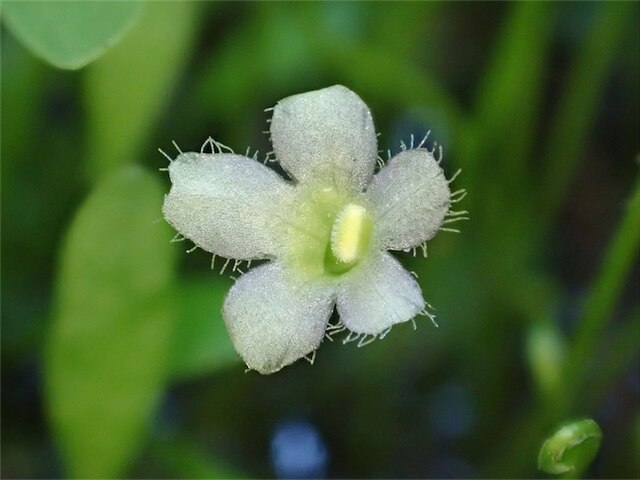
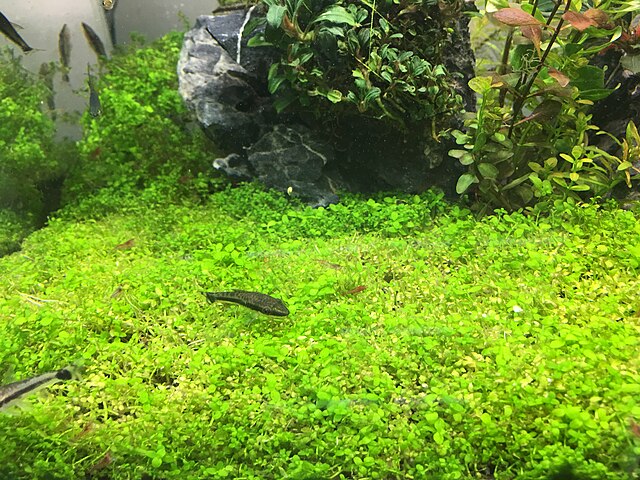
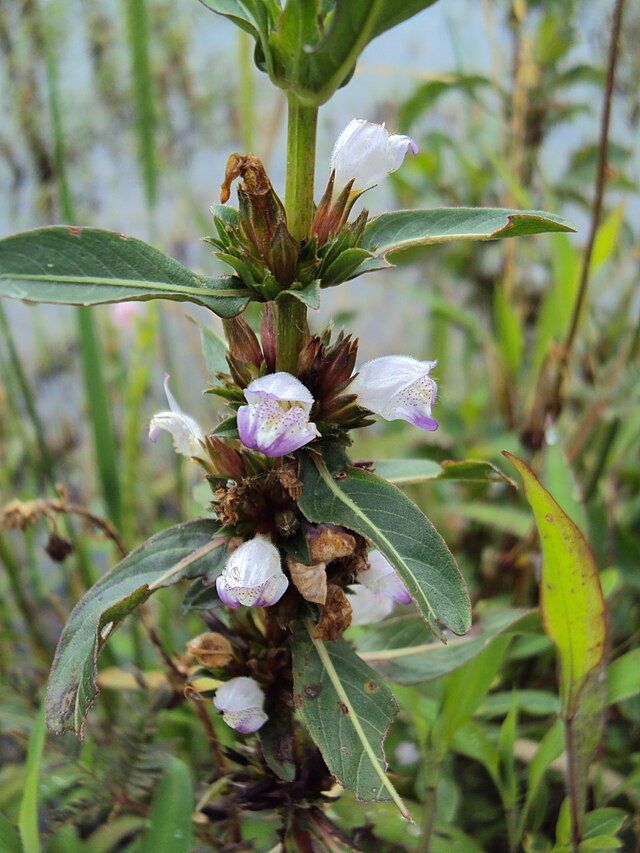
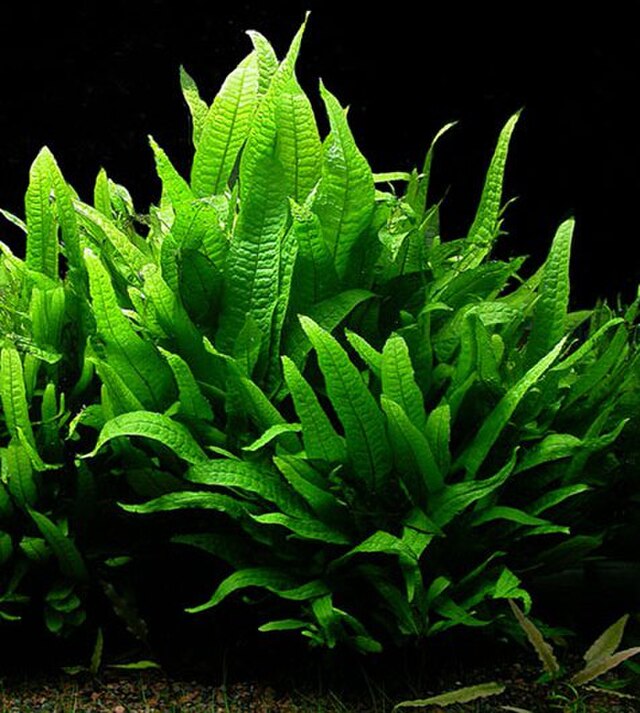
For aquatic plant growth, lighting is one of the most important elements as it provides the energy source for photosynthesis. By choosing the right lighting, aquatic plants grow healthy and display beautiful coloration. This article provides detailed explanations from LED lighting selection to lighting schedules and algae control measures. If you want to learn the basics of aquatic plant cultivation in general, please also see Beginner's Guide to Aquatic Plant Care.
Light Fundamentals Necessary for Photosynthesis
There are several important elements in the light needed for aquatic plants to perform photosynthesis.
- Light intensity (lumens/lm): The total amount of light brightness. For aquatic plant cultivation, sufficient light intensity is needed relative to tank size
- Illuminance (lux/lx): The brightness per unit area. It represents the actual intensity of light reaching the water surface
- Wavelength (nm): The element that determines light color. For aquatic plant photosynthesis, red light (640–680 nm) and blue light (420–470 nm) are particularly important
- Color temperature (Kelvin/K): An indicator that represents the color tone of light. In aquatic plant tanks, 6,500K–8,000K is preferred for a natural appearance
Since the efficiency of photosynthesis is greatly affected not only by the quantity of light but also by its quality (wavelength), lighting selection must consider both factors.
How to Choose LED Lighting (Wavelength, Lumens, Color Temperature)
Currently, LED lighting is the mainstream for aquatic plant tank lighting. Here are the key points when selecting one.
Regarding wavelength
- Full-spectrum types that include red LEDs (around 660 nm) and blue LEDs (around 450 nm) are recommended
- RGB LEDs have high color rendering and make aquatic plant reds and greens appear vivid
- Inexpensive products with white LEDs only can support growth, but the color expression of red-leaved aquatic plants will be subdued
Lumens guideline
- A guideline is 10–30 lumens per liter of tank volume
- For a 60 cm tank (57 L), approximately 570–1,710 lm is needed
- If you want to create a carpet of foreground plants, ensure higher light intensity
Regarding color temperature
- 6,500K: Color closest to natural sunlight. Most common
- 7,000–8,000K: Slightly bluish-white light. Water clarity stands out
- 10,000K and above: Strong blue tone; not ideal for aquatic plants but preferred in saltwater tanks
Recommended selection: Choose an RGB-compatible full-spectrum LED with a color temperature of 6,500–7,500K and sufficient lumens matched to your tank size.
Light Intensity Guidelines by Aquatic Plant Type
The amount of light needed varies greatly depending on the type of aquatic plant.
Low-light aquatic plants (10–15 lm/L)
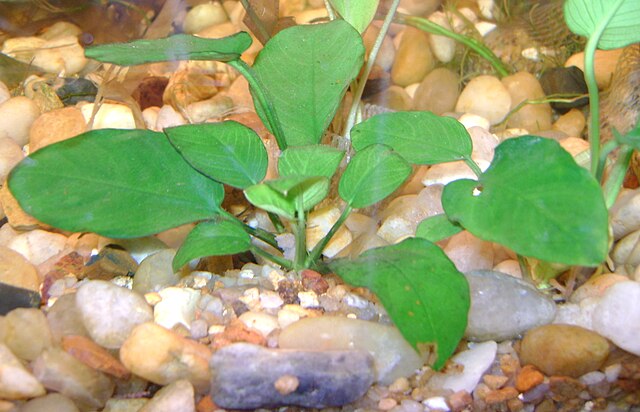
- Anubias nana, microsorum, willow moss
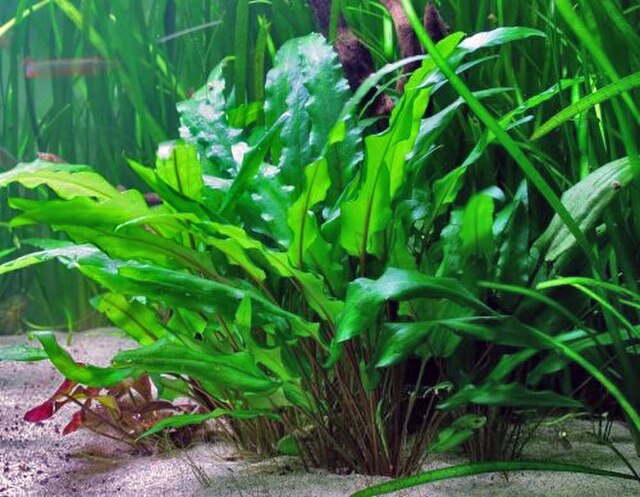
- Cryptocoryne species, Vallisneria
- Many are shade-loving aquatic plants that can grow without CO₂ supplementation
Medium-light aquatic plants (15–25 lm/L)
- Rotala rotundifolia, Hygrophila
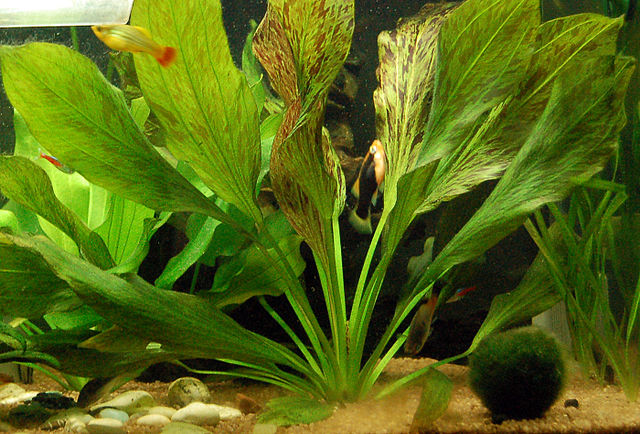
- Amazon sword, Echinodorus species
- Growth is better with CO₂ supplementation
High-light aquatic plants (25–35 lm/L)
- Glossostigma, large pearl grass
- Riccia, dwarf pearl grass
- CO₂ supplementation and adequate fertilization are essential
Choosing lighting that matches the aquatic plants you want to grow is the shortcut to success. For details on selecting a CO₂ supplementation system, see Guide to Choosing Aquatic Plant Tank CO₂ Systems.
Lighting Duration and Schedule
The lighting duration also greatly affects aquatic plant growth.
- Recommended lighting duration: 7–9 hours per day
- Maximum of 10 hours or less: Longer durations increase algae risk
- Consistent schedule: Use a timer to turn lights on and off at the same time daily
Example recommended schedules
- 12:00 lights on → 20:00 lights off (8 hours)
- 10:00 lights on → 18:00 lights off (8 hours)
- If you want to enjoy it after work: 14:00 on → 22:00 off
Monitor your aquatic plants and make fine adjustments such as extending lighting by 1 hour if growth is slow and reducing it by 1 hour if algae appears.
Algae Control and Lighting Relationship
Algae growth is closely related to lighting. Here are the key control measures.
- Keep lighting to 8 hours or less: Excessive light is the main cause of algae
- Avoid direct sunlight: Placing the tank by a window causes excessive algae growth
- Start conservatively when setting up: Begin with 6 hours of lighting for the first 2 weeks, then gradually increase
- Balance light and fertilizer: If fertilizer is insufficient relative to light, algae becomes dominant
- Blackout method: If algae proliferates excessively, a 3-day complete blackout reset is also effective
- Detailed control guide: Causes by type and removal/prevention methods are comprehensively explained in Complete Algae Control Guide for Aquatic Plant Tanks
At GrowerDirect, you can purchase aquatic plants directly from growers across the country that suit your lighting environment. Even if you're unsure whether plants will grow with your lighting, you can consult directly with sellers for peace of mind. Why not start your aquatic plant journey with GrowerDirect?
Lighting Placement and Angle Adjustment
The effectiveness of lighting changes greatly with its placement. The closer the light is to the water surface, the more light reaches the bottom; however, with LEDs, if placed too close, uneven lighting can occur. Generally, setting the distance between the LED fixture and the water surface at around 5–15 cm is appropriate. If using a hanging light, you can make fine height adjustments and find optimal light intensity for your plants' condition. Also check whether the LED's beam angle is appropriate for your tank width. LEDs with narrow beam angles tend to be bright in the center but dim at the edges. For uniform plant growth, either choose lighting that delivers sufficient light to all corners of the tank, or use multiple lights to supplement coverage. Pay attention to lighting lifespan as well; LEDs gradually lose brightness with age. LEDs used for 2–3 years may emit 20–30% less light than when new, so consider replacing your lighting if you notice slowed plant growth.
Frequently Asked Questions (FAQ)
Q. How long do LEDs last? A. The typical lifespan of LEDs is said to be 30,000–50,000 hours, but light output gradually decreases with age. Light output may drop to 70–80% of new levels within 2–3 years, so consider replacing your lighting if you notice slowed plant growth.
Q. Is it okay to place the tank by a window? A. Direct sunlight should be avoided as it causes excessive algae growth. If you must place it by a window, use a light-blocking curtain to shield it from sunlight and manage it with aquatic plant lighting alone. Indirect light has minimal impact, but in summer, watch for rising water temperature.
When to Upgrade Lighting
Symptoms such as slowed plant growth, increased algae, or foreground plants stretching upward are signs it's time to reconsider your lighting. Treat lighting as a consumable and consider upgrading every 2–3 years. Newer LEDs can output more light at the same power consumption, which also saves on electricity costs.