Guide to Choosing Aquatic Plant Substrate and Soil | Comparing Types and Features
Types and selection methods for substrate materials used in aquatic plant cultivation. This guide explains the characteristics of soil, gravel, and sand for beginners, the differences between nutrient-type and adsorption-type soils, appropriate substrate thickness, and replacement timing guidelines.
Key Takeaways
Types and selection methods for substrate materials used in aquatic plant cultivation. This guide explains the characteristics of soil, gravel, and sand for beginners, the differences between nutrient-type and adsorption-type soils, appropriate substrate thickness, and replacement timing guidelines.
Related Species
Choosing Substrate: The Importance of Building the Foundation for Your Aquatic Plant Tank
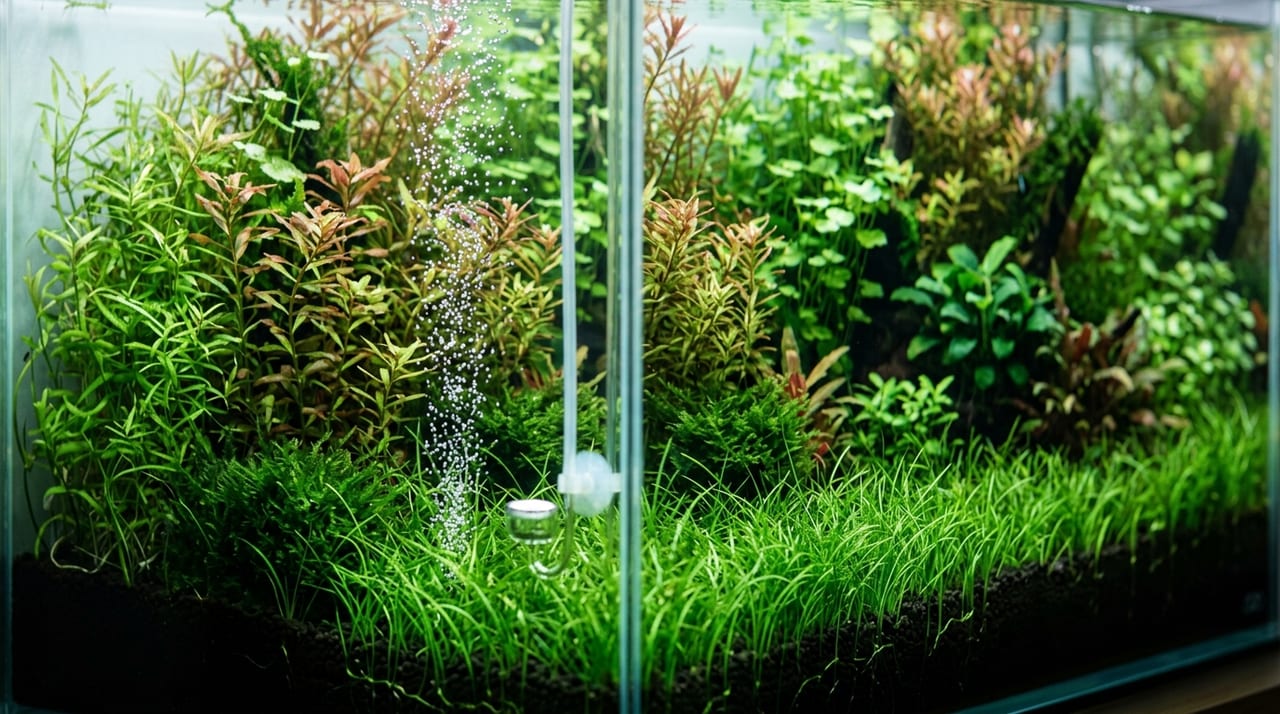
When setting up an aquatic plant tank, the first decision you'll face is choosing the substrate (ていしょう). The substrate is far more than just "gravel"—it is the growing foundation where plant roots spread out, and it is a crucial element that influences water quality and the overall balance of your tank. Choosing the right substrate allows aquatic plants to develop strong roots and display lush, beautiful foliage. Conversely, an incompatible substrate can cause plants to fail to establish and wither away.
There are many types of substrates, each with different effects on water quality, nutrient content, and durability. This article organizes the main types of substrates and their characteristics so that even beginners setting up an aquatic plant tank for the first time can choose with confidence.
Main Types of Substrates and Their Characteristics
Soil (Plant Soil)
Plant soil is currently the most widely used substrate material in aquatic plant tanks. It is a granular material made by firing soil at high temperatures, and comes in many types—some rich in nutrients necessary for aquatic plant growth, while others prioritize water quality stability. For a detailed comparison of nutrient-type and adsorption-type differences, see Aquarium Soil Types and Selection Comparison.
Nutrient-type soil contains abundant nitrogen, phosphorus, potassium, and other nutrients that powerfully promote aquatic plant growth. However, in the early stages of setup, nutrients can leach into the water and cause cloudiness, so a cycling period of 1–2 weeks is necessary before introducing livestock. It is well-suited for serious enthusiasts who want to focus mainly on aquatic plants.
Adsorption-type soil excels at adsorbing ammonia and harmful substances, allowing water to clear and stabilize quickly. While it contains fewer nutrients, it is an easy-to-use type for beginners who want to enjoy both fish and aquatic plants together.
Compromise type (intermediate type) products combine the characteristics of both, and the selection of such options has been expanding in recent years. This type is suitable for those who prioritize balance.
A general caution about all soils: the granules break down over time, so replacement is generally necessary at the rate of 1–2 years. Since reset work is labor-intensive, if you are thinking of long-term maintenance, it is recommended to choose a high-quality soil that resists breakdown from the start.
Ōiso Sand
A time-tested gravel used for many years, Ōiso sand boasts exceptional durability. If properly maintained, it can be used semi-permanently, making it suitable for those who want to minimize running costs.
However, freshly harvested Ōiso sand contains calcium components such as shell fragments and tends to make water alkaline, which is unsuitable for most aquatic plants that prefer slightly acidic conditions. Acid treatment (soaking in hydrochloric acid or vinegar) before use can mitigate its effect on water quality, but this process is labor-intensive. Since it contains almost no nutrients, adding substrate fertilizer becomes essential.
Volcanic Sand (Fuji Sand) and Ceramic Sand
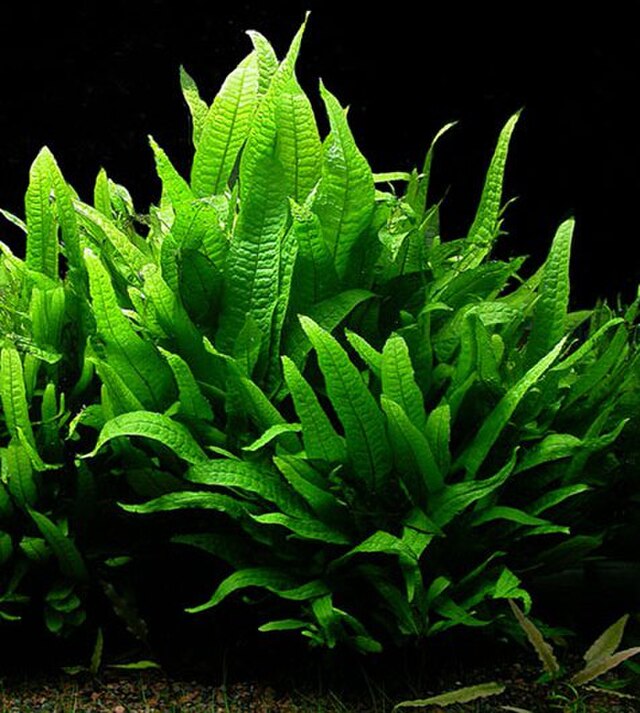
Volcanic sand has a porous structure that allows bacteria to establish easily, making it an excellent aid for biological filtration. With a pH range of neutral to slightly alkaline, it is well-suited for fish-focused tanks or tanks containing only rhizome-attaching aquatic plants such as Anubias and Microsorum.
Ceramic sand is a fired ceramic substrate known for its resistance to breakdown and high durability. Its adsorption and nutrient characteristics vary by product, so confirm your purpose before purchase. Most products have minimal pH impact and can be safely used in long-term maintenance tanks.
Decorative Sand (White Sand, Natural Sand)
Powder-fine white sand and natural sand are used as layout accents in the foreground of tanks. They contain almost no nutrients in themselves, and are typically used only in part of the foreground rather than across the entire base. They create a bright, open impression and are useful when you want to design a beautiful layout with strong visual contrast.
Nutrient-Type Soil vs. Adsorption-Type Soil: Selection Guidelines
| Comparison Item | Nutrient-Type Soil | Adsorption-Type Soil |
|---|---|---|
| Cycling Speed | Slower (1–2 weeks) | Faster (several days) |
| Nutrient Supply to Plants | Abundant | Minimal |
| Initial Water Cloudiness | Likely | Unlikely |
| Early Introduction of Livestock | Generally not recommended | Relatively OK |
| Suited Aquascaping Style | Aquatic Plant-focused | Fish and Aquatic Plant Mixed |
If you want to pursue an aquatic plant-focused layout, nutrient-type soil is appropriate. On the other hand, if you want to casually set up a mixed community tank with ornamental fish and aquatic plants, adsorption-type soil is more beginner-friendly. First decide which style you would like to enjoy, then make your choice.
Substrate Thickness and Placement Tips
Substrate thickness significantly affects aquatic plant growth. If too thin, roots cannot establish properly and plants become prone to uprooting.
- For stem plants and foreground plants: A depth of 5–8 cm is the guideline. It is important to secure enough depth for roots to spread firmly.
- For rhizome-attaching aquatic plants such as Anubias and Microsorum: Since attachment to driftwood or stone is primary, a substrate depth of 3–5 cm is sufficient.
- For foreground decorative sand only: About 1–3 cm. Lay it thinly to create a sense of openness.
Additionally, if you create a slope with the back higher and the front lower, depth is naturally introduced and your layout gains three-dimensional appeal. The key is to create height variation while considering the placement of your aquatic plants.
Recognizing the Right Time to Replace Soil
Soil is a consumable. Consider replacement if any of the following signs appear.
- Granules have broken down into a muddy state: Water permeability deteriorates, risking the formation of anaerobic layers and the production of harmful substances such as hydrogen sulfide.
- Plant roots no longer anchor well and plants uproot easily: This is a sign that the substrate has lost its function.
- Water becomes cloudy more easily and pH becomes unstable: The substrate's adsorption and buffering capacity has reached its limit.
Substrate lifespan varies depending on the product and maintenance conditions, but planning a reset on the basis of 1–2 years will ensure smooth operations. Methods for disposing of used soil and substrate are outlined in Disposal and Recycling Methods for Used Soil and Substrate.
Summary: Substrate Selection Determines the Success of Your Aquatic Plant Tank
Choosing your substrate is the first crucial step in building an aquatic plant tank. If growing aquatic plants is your focus, choose nutrient-type soil; if you want to enjoy mixed fish and plants, choose adsorption-type soil; if you prioritize long-term maintenance, choose Ōiso sand or ceramic sand. Matching your choice to your goals is the path to success.
By mastering substrate type, thickness, and replacement timing, you can maintain a beautiful tank with thriving aquatic plants for years to come. When in doubt, consult directly with producers or retailers who have expertise in aquatic plant cultivation and water quality management—they can offer concrete advice.
GrowerDirect connects you directly with producers experienced in substrate and water quality management, so you can purchase aquatic plants with confidence. You can also consult about substrate via chat at the time of purchase, making it easy for beginners to start their ideal aquatic plant tank. Take your first step toward your dream aquatic plant tank with GrowerDirect.