Complete Guide to Water Changes in Planted Aquariums | Frequency, Volume, Procedure, and Tips for Water Stability
Explains the basics to advanced techniques of water changes in planted aquariums. We introduce the appropriate frequency and volume, dechlorination methods, temperature matching, the effects of water changes on aquatic plants, and techniques for maintaining water stability.
Key Takeaways
Explains the basics to advanced techniques of water changes in planted aquariums. We introduce the appropriate frequency and volume, dechlorination methods, temperature matching, the effects of water changes on aquatic plants, and techniques for maintaining water stability.
Related Species
Water changes in planted aquariums are a fundamental task for maintaining water stability and the health of aquatic plants and inhabitants. However, if you don't understand the appropriate frequency and volume, you may actually destabilize the water quality instead. Understanding the purpose of water changes correctly and mastering methods suited to your own aquarium is the key to maintaining a beautiful planted aquarium over the long term. Here, we explain the basics of water changes through practical techniques in detail.
Purpose of Water Changes and Their Importance in Planted Aquariums
Water changes have four main purposes.
- Removal of nitrate produced from fish waste and leftover food. Although nitrate has low toxicity, its accumulation can cause aquatic plants to decline and can lead to algae growth.
- Prevention of accumulation of mineral components that aquatic plants cannot easily consume. Silicates and phosphates contained in tap water become nutrients for brown algae and cyanobacteria. Preventing the accumulation of these minerals through regular water changes is the foundation of algae control.
- Reset of fertilizer components. Especially when fertilizing using the EI method (Estimative Index), a large water change once a week resets excess nutrients and prevents the harmful effects of accumulation.
- The stimulating effect of conditioning the health of aquatic plants and inhabitants. By introducing fresh water, many people have experienced aquatic plants becoming more active in photosynthesis and more readily producing oxygen bubbles.
In planted aquariums, slightly more frequent water changes are recommended compared to fish-only tanks. While aquatic plants consume large quantities of nutrients, the water quality changes caused by fertilizer additions are also significant, making regular resets the key to maintaining stability.
Appropriate Frequency and Volume of Water Changes
The frequency and volume of water changes need to be adjusted based on the aquarium's conditions and management style. Here, we introduce general guidelines.
| Aquarium Condition | Frequency | Water Change Volume |
|---|---|---|
| Initial setup period (1–4 weeks) | Once every 2–3 days | 30–50% of total water volume |
| Established period | Once a week | 30–50% of total water volume |
| When fertilizing with EI method | Once a week | 50% |
| Aquariums with few inhabitants and minimal fertilizer additions | Once every 2 weeks | Approximately 30% |
During the initial setup period, the above frequency and volume are recommended because ammonia release from substrate and bacterial establishment are unstable. This is especially important when using nutrient-rich substrate, and initial large water changes are crucial in preventing algae blooms.
It is good to think of the water change volume as follows.
- 30% is a "safe water change"
- 50% is an "effective reset"
- 70% or more is an "emergency large water change"
Water changes of 70% or more have a significant impact on bacteria, so they should be limited to emergencies such as treating algae blooms or turbidity.
By regularly measuring nitrate concentration with a water test kit, you can determine the optimal water change frequency for your aquarium. If nitrate exceeds 25 ppm, increase the frequency or the volume of each water change.
Correct Procedure and Techniques for Water Changes
By performing water change procedures correctly, you can prevent sudden water quality changes and minimize stress on aquatic plants and inhabitants.
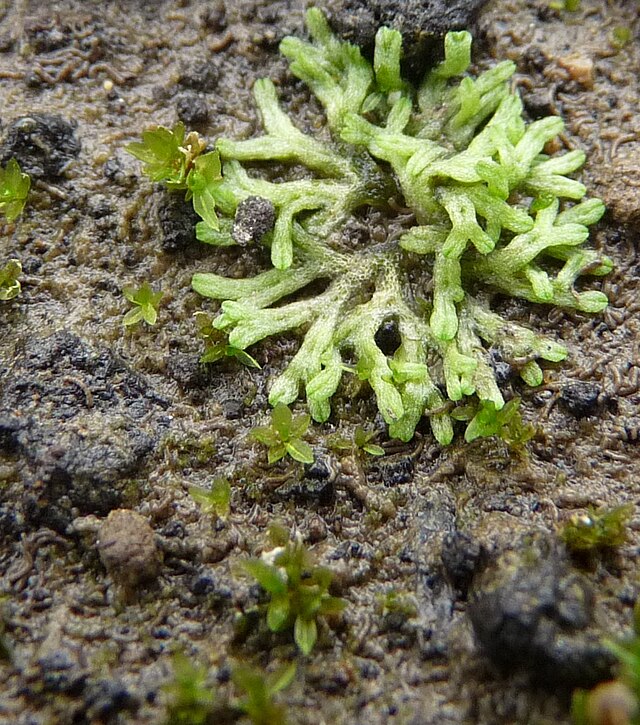
- Prepare dechlorinated water. Chlorine in tap water is harmful to aquatic plants, and delicate species like mosses and riccia are particularly prone to damage. Use liquid dechlorinator or water that has been allowed to stand and aerated for at least 24 hours.
- Temperature matching is essential. Keep the temperature difference between new water and aquarium water to within 2 degrees Celsius. Special caution is needed in winter, so adjust the water temperature by mixing warm water before adding it to the aquarium. Sudden temperature changes stress inhabitants and can cause diseases like ich.
- Water removal is most efficient when done with a gravel vacuum or siphon hose, sucking out debris from the substrate. However, if you are using substrate, remove water from near the water surface to avoid disturbing the substrate, or position the siphon slightly above the bottom.
- Water addition should be done slowly, directing the water along the glass or dispersing it with your hand or a spray bar so the flow doesn't hit aquatic plants directly. Adding water forcefully causes substrate to become suspended and can disrupt the aquascaping.
- After water change, turn on the lighting and resume CO2 injection. Immediately after a water change, CO2 concentration in the water drops, temporarily reducing photosynthetic efficiency in aquatic plants. It is best to stop aeration for a while after the water change to maintain dissolved CO2 levels.
Common Water Change Problems and Solutions
By understanding water change-related problems in advance, you can handle issues calmly when they arise.
| Symptom | Cause | Solution |
|---|---|---|
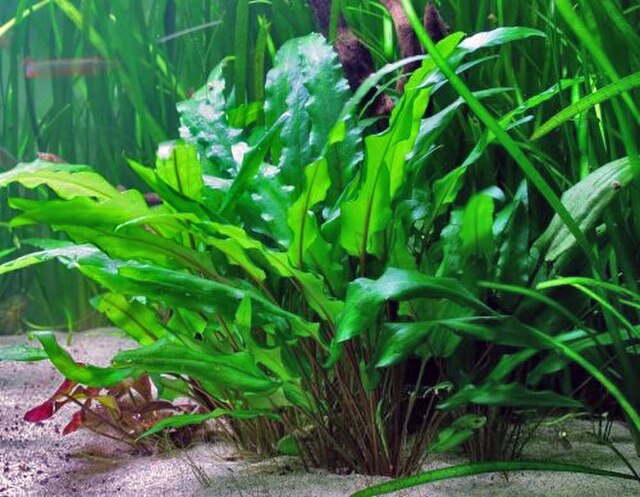
| Aquatic plants melt | Sudden temperature changes or rapid pH shifts. Cryptocoryne in particular is sensitive to environmental changes and prone to melting symptoms known as "Cryptocoryne rot" | Keep water changes to 30% or less per change and minimize differences in temperature and pH |
| Turbidity/cloudiness | Possible bacterial imbalance. Occurs easily when large water changes (60% or more) wash out beneficial bacteria | Cloudiness typically clears within 2–3 days. If it persists, add bacterial starter culture to speed recovery |
| Algae increases | May be caused by silica or phosphate in the tap water | Check your local tap water composition, and if levels are high, consider using RO water (reverse osmosis water) or installing a water filter |
You should also know what happens if you neglect water changes. Accumulation of nitrate lowers pH and slows aquatic plant growth. Furthermore, algae becomes dominant and begins to cover the aquatic plants. Once balance is disrupted, it takes time to recover, so making regular water changes a habit is important.
Equipment and Methods to Make Water Changes Easier
Because water changes are a regular task, improving work efficiency is key to maintaining the habit.
- Water change hose should be chosen to match your tank size. For 60 cm aquariums or larger, the L-size gravel vacuum offers excellent work efficiency. For small aquariums, using a dropper or syringe for water changes is also practical.
- Attaching a temperature-controlled water purifier to your faucet allows you to add water at the correct temperature directly, eliminating the need to adjust temperature in a bucket. If you add dechlorinator while pouring the water, you can significantly reduce water change time.
- There are also automated drain and fill systems using electric pumps. If you manage large aquariums or multiple tanks, the time-saving benefits justify the initial investment.
- Registering a water change schedule in your smartphone calendar and setting reminders is effective for preventing you from forgetting. Keeping records of water quality test results also helps optimize your water change frequency.
Water changes are the most fundamental aspect of planted aquarium management. When purchasing aquatic plants from GrowerDirect, confirming the water change frequency in the grower's care environment can serve as a reference for optimal care of your newly purchased plants. Take advantage of direct communication with growers to establish a water change routine suited to your aquarium.