Summer Care for Aquatic Plants | How to Prevent Melting and Algae from High Water Temperature
High summer temperatures are a cause of aquatic plant melting, explosive algae growth, and oxygen depletion. This guide thoroughly explains concrete measures to keep your aquatic plant tank beautiful during summer, including how to use aquarium chillers, cooling fans, and light-blocking curtains, as well as CO2 management and fertilizer adjustment.
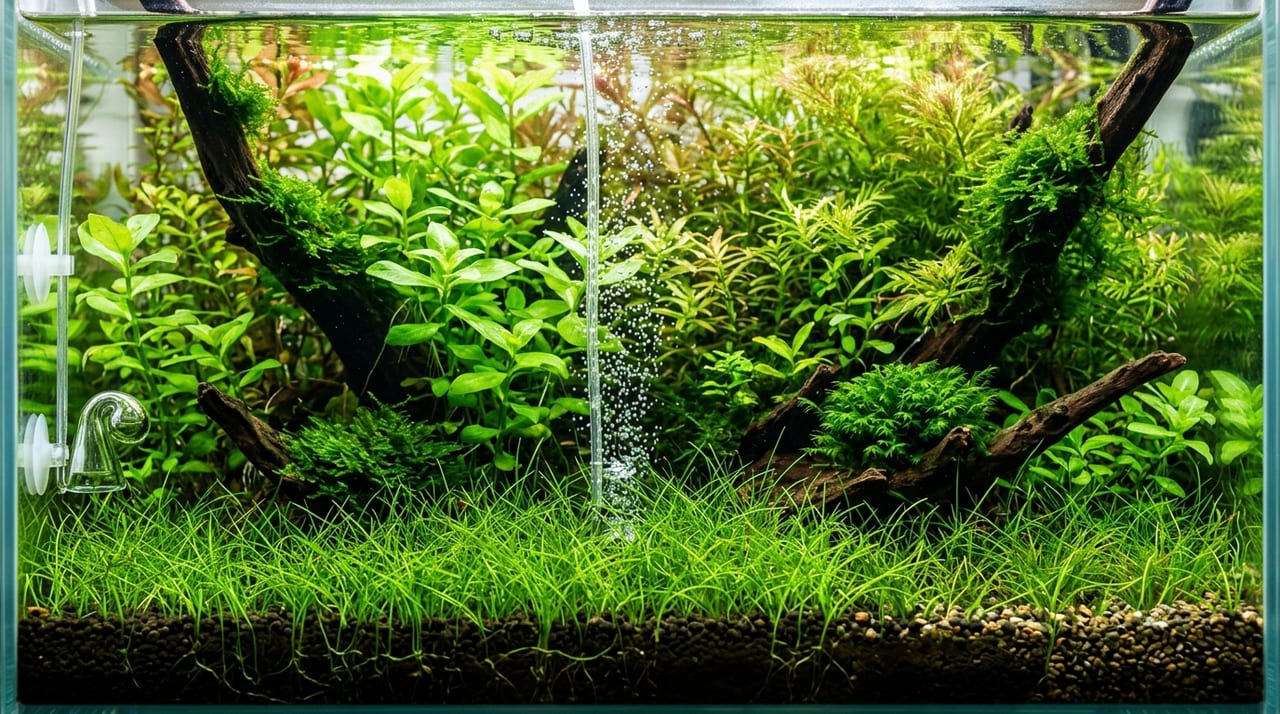
Key Takeaways
High summer temperatures are a cause of aquatic plant melting, explosive algae growth, and oxygen depletion. This guide thoroughly explains concrete measures to keep your aquatic plant tank beautiful during summer, including how to use aquarium chillers, cooling fans, and light-blocking curtains, as well as CO2 management and fertilizer adjustment.
Related Species
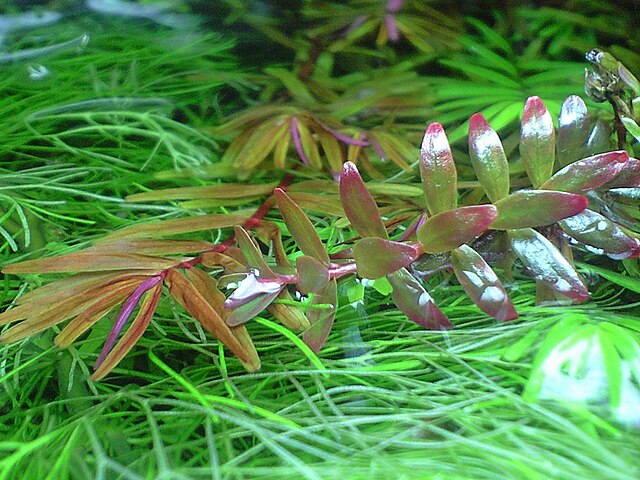
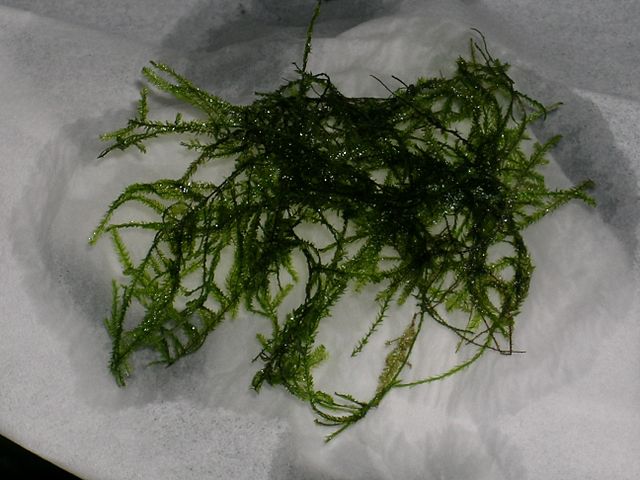
Summer Aquatic Plant Tanks Are in Danger | Understanding the Damage High Temperatures Cause and Its Reasons
Summer is the most challenging season of the year for maintaining the beauty of an aquatic plant tank. When room temperatures consistently exceed 30°C, the water temperature in the tank gradually rises, and many aquatic plants far exceed their optimal temperature range.
Most aquatic plants have an optimal temperature range of 22–26°C. When temperatures exceed 28°C, photosynthetic efficiency visibly declines, and nutrient absorption and growth rate are affected. When temperatures exceed 30°C, delicate species like rotala, pearl grass, and willow moss undergo a phenomenon called "melting," where stems and leaves become transparent and disintegrate. Once melting begins, it is difficult to restore the plant, making early prevention essential.
High temperatures cause more than just melting.
- Explosive proliferation of cyanobacteria and filamentous algae: High temperatures create ideal conditions for algae, which grow faster than aquatic plants and block light
- Decline in dissolved oxygen: As water temperature rises, the amount of oxygen that can dissolve in water decreases, raising concerns about root rot and harm to fish
- Disruption of bacterial balance: The activity of filtration bacteria inside the filter changes, which can lead to unstable water quality
Preventing all these risks requires a comprehensive approach combining cooling, lighting, fertilizer, and water changes.
How to Choose Temperature-Reduction Equipment | Cooler vs. Fan
Cooling equipment is central to temperature management. There are two main types: "aquarium coolers" and "cooling fans," which are chosen based on tank size and budget.
Aquarium Coolers
Aquarium coolers are the most reliable cooling method, as they can be automatically managed by simply setting a desired temperature.
- Peltier type: Compact body size and affordable price make it suitable for small tanks of 60 cm or less. However, there is an upper limit to cooling capacity, and in peak summer it may not be able to keep up depending on room temperature
- Chiller type (compressor type): A powerful type that can cool even large tanks stably and is used for commercial applications. While the body is large and requires heat dissipation management, reliability is excellent
Setting the temperature to around 25°C minimizes stress on aquatic plants.
Cooling Fans
Fans work by directing air across the water surface to lower temperature through evaporative cooling. While the cooling effect is limited to about 2–3°C, the advantage is affordability and low barrier to entry.
- Right after the rainy season when humidity is high, evaporation efficiency drops, so using fans in combination with air conditioning is effective
- Water evaporation increases, so daily water top-ups or an automatic water supply system are necessary
- It is ideal as a first step for small tanks or when trying to keep costs down
Selection guideline: A practical approach is to start with a cooling fan, and if water temperature still exceeds 28°C, then consider upgrading to a cooler.
Summer Tuning of Lighting and Light-Blocking
Summer has long daylight hours, and improper lighting management can create an ideal breeding ground for algae. Review your lighting environment using the following points as reference.
Block direct sunlight
If your tank is placed near a window, direct sunlight will cause water temperature to spike rapidly and algae to proliferate quickly. Use blinds, light-blocking curtains, UV-cut film, and similar materials to soften the light.
Shorten lighting duration and shift timing
If you normally light for 8 hours, reduce it to 6–7 hours in summer. Also, by avoiding daytime when temperatures tend to rise and consolidating lighting hours to evening, you can suppress room temperature rise and save on electricity costs.
LED power adjustment
With dimmable LED lights, simply reducing output to 70–80% in summer can reduce the risk of algae. Ensure sufficient light for aquatic plant photosynthesis while being mindful of the balance to avoid providing excess light.
Light reduction can slow aquatic plant growth, but the damage from algae blocking light is greater. The key is to adjust carefully while observing algae conditions daily.
Switching to Summer Settings for CO2 and Fertilizer
During high-temperature periods, the balance of CO2 and fertilizer must be reviewed from normal settings. Continuing to add the same amount during slower growth periods will cause unconsumed nutrients to cause an explosive algae bloom.
CO2 Management
As water temperature rises, CO2 solubility in water decreases. Although you may feel tempted to increase CO2 dosage when you think there is insufficient CO2, care must be taken regarding the balance with oxygen concentration.
- Check the color of the drop checker daily to ensure it is not becoming too concentrated
- Slightly strengthen nighttime aeration to ensure adequate oxygen
- Only adjust dosage incrementally if bubbles from aquatic plants (evidence of photosynthesis) are extremely reduced
Fertilizer Adjustment
During summer, aquatic plant metabolism declines, so fertilizer consumption inevitably decreases.
- Reduce liquid fertilizer to about 50–70% of normal amounts to avoid excess nutrients
- Refrain from adding solid substrate fertilizers and rely on existing stock
- Since potassium has relatively little effect on algae, it can continue to be added while monitoring plant condition
- Be especially cautious with fertilizers containing nitrogen and phosphorus, as these have a major impact on algae
Daily Management to Prevent Algae Explosion in Summer
No matter how well-equipped your setup is, a summer tank cannot be maintained without daily maintenance. Incorporate the following habits.
Increase water change frequency
By increasing water changes from the normal once per week to twice per week during summer, you can prevent eutrophication and suppress algae growth. As a guideline, change about 1/3 of the water, and match water temperature before adding to avoid sudden temperature swings.
Use algae-eating creatures
Amano shrimp, cherry shrimp, otocinclus, and Siamese flying fox are powerful allies that keep the tank clean while eating algae. However, high temperatures stress these creatures as well, so temperature management should be done in parallel.
Regular filter cleaning
When temperatures are high, bacterial balance shifts and filtration capacity tends to decline. Check the filter about once a month, and if clogging is present, rinse gently with tank water (never use tap water containing chlorine for filter cleaning, as it kills beneficial bacteria).
Room temperature management with air conditioning
As a fundamental measure, keeping the entire room at 26–28°C or below is most effective. Lowering the room temperature itself provides more stable water temperature than cooling the tank alone.
GrowerDirect's Safety and Trust Framework
Once you have your summer temperature measures in place, we recommend using "GrowerDirect" if you want to introduce new aquatic plants to your tank. GrowerDirect is a marketplace that connects you directly with growers, allowing you to purchase while freely asking aquatic plant specialists questions such as "Which species are heat-tolerant?" and "Which aquatic plants suit my tank environment?"
A major strength is being able to confirm details about growing conditions that are difficult to ask about at shops or online retailers, as well as the condition of plants that have actually survived summer, directly from the grower. Since you can thoroughly confirm details such as whether pesticides were used and post-trimming care methods before purchasing, even beginners growing aquatic plants for the first time can introduce them with confidence.
Aquatic plants that have survived summer grow beautifully beyond expectation from autumn onward. Protect your tank with correct knowledge and measures, and use your connection with growers to find your favorite plant.