How to Grow Water Lilies (Suiren) | Cultivating Aquatic Plants in Pots and Biotopes
A guide to the fundamentals of cultivation that works in both potted arrangements and biotopes, covering planting season, soil, sunlight, water depth, fertilizing, and division—helping you grow with confidence.
Key Takeaways
A guide to the fundamentals of cultivation that works in both potted arrangements and biotopes, covering planting season, soil, sunlight, water depth, fertilizing, and division—helping you grow with confidence.
Related Species
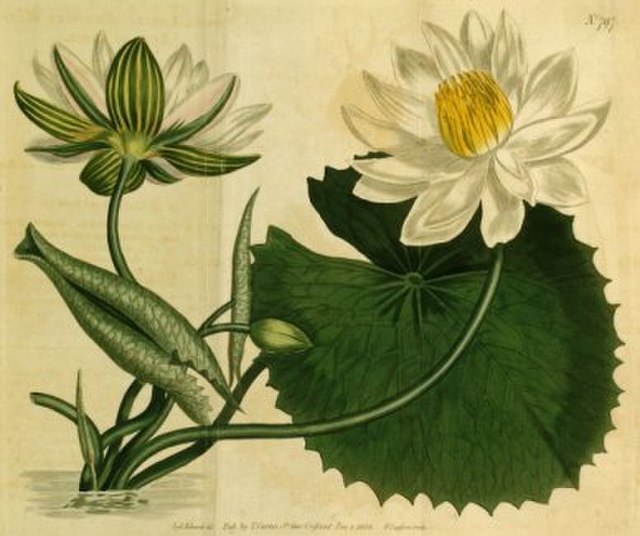
Water lilies (Suiren) are representative aquatic plants that float delicate flowers on water surfaces, bowls, and lily ponds. They are popular because they can be grown in many settings, from small pots at your doorstep to biotopes and ponds. Here we explain the basics of cultivation, from planting through daily care to division.
Understanding Water Lilies
Water lilies are perennial herbs in the Nymphaeaceae family, genus Nymphaea, that float leaves on the water surface and send up flower stems from their centers to bloom. There are broadly two categories:
| Category | Characteristics |
|---|---|
| "Temperate Water Lilies" | Hardy; can overwinter outdoors |
| "Tropical Water Lilies" | Native to tropical regions; require indoor warmth in winter |
For casual home enjoyment, starting with cold-hardy temperate varieties is the most reliable choice. Flowers come in a wide range of colors—white, pink, yellow, red—and cultivars range from compact types suited for potted arrangements to large varieties for ponds, so select based on the space you have available.
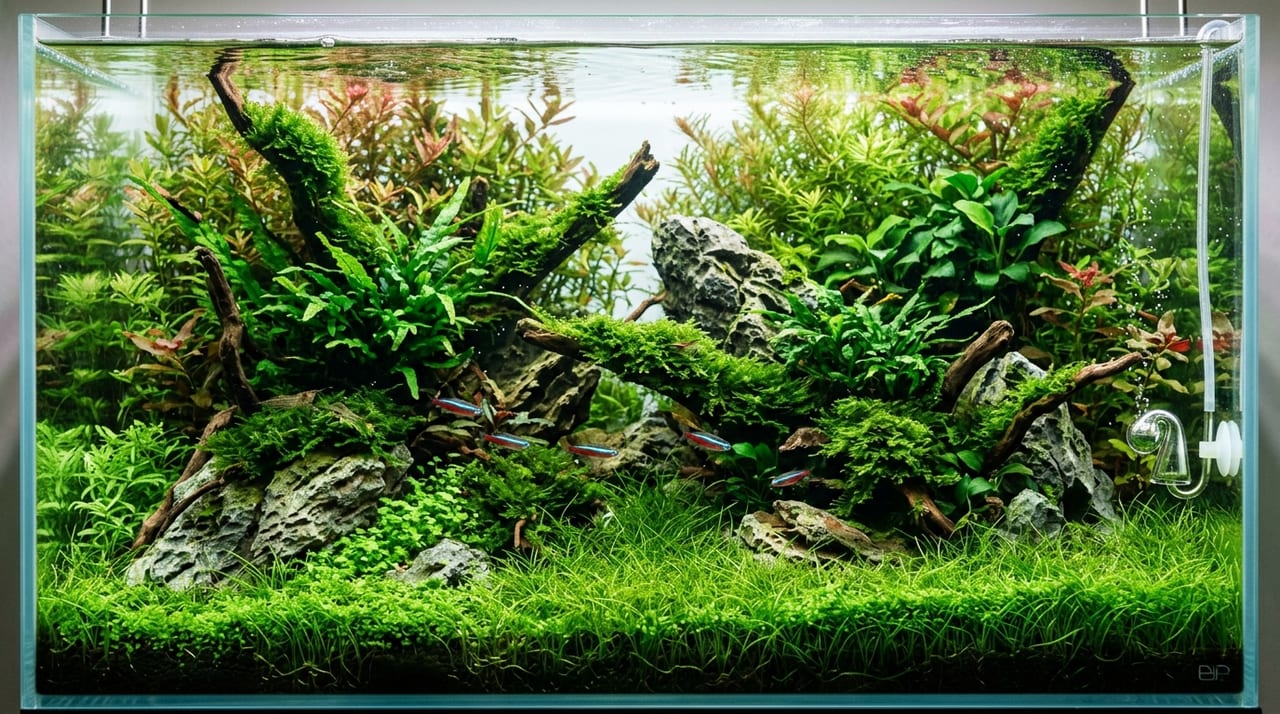
It's worth noting that related species in the Nymphaea genus include those favored in aquariums, such as tiger lotus and Nymphaea lotus green, which display submerged foliage. These are typically grown submerged in aquarium tanks and require management methods quite different from standard outdoor water lilies that float flowers on the water surface.
Planting Season and Soil Selection
The ideal planting season for water lilies is from late April through June, when frost risk has passed. Planting during the active growing season allows roots to establish well that year, making flowering more likely. Soil options include:
- Arakida soil or paddy soil (ideal)
- Red clay pellets as a substitute if the above are hard to find
- Commercially available aquatic plant substrate (most convenient)
Container choices typically include standard lily ponds or rounded basin containers around 30 cm in diameter, with enough space that the plant is not too cramped. Place rhizomes (resembling lotus roots) at a slight angle into the soil, exposing only the growing tip above the soil line—this is the basic planting technique. After planting, cover the soil surface with decorative gravel to prevent soil from clouding the water during watering.
Managing Light and Water Depth
Water lilies love sunlight and require at least six hours—ideally five to six hours—of direct sun daily for flowering. Insufficient light results in foliage growth with few or no blooms, making light exposure a critical factor in successful cultivation.
Optimal water depth varies by variety, but for small to medium types in pots, a depth of approximately 15–30 cm from the soil surface to the water line is easiest to manage. Extreme depths create problems:
- Too deep: delayed sprouting and sluggish growth
- Too shallow: water temperature rises excessively in summer, damaging roots
Watch for temperature spikes and water loss from evaporation in high summer, and top up water regularly.
Fertilizing and Division for Plant Renewal
During the growing season—May through September—apply slow-release pellet fertilizer to the soil once every one to two months. If fertilizer sits exposed in water, it dirties the water and promotes algae, so always press it firmly into the soil. This is the key technique.
As years pass, rhizomes spread and plants become crowded in the pot, so divide every two to three years and repot in fresh soil. Separate the rhizome tip containing the growing point and replant it to rejuvenate the plant and maintain good flowering. The best time for division is also spring, like initial planting.
Biotope Symbiosis and Seasonal Care
Keeping small fish such as medaka in lily ponds as biotopes is also popular. Water lily leaves covering the surface soften direct sunlight, suppress drastic temperature swings and algal blooms, and create a comfortable environment for aquatic life.
In winter, temperate varieties can overwinter outdoors in water-filled pots placed where they won't freeze solid. In very cold climates where water freezes to the surface, provide simple frost protection by surrounding the pot with foam insulation or moving it to a sheltered eave. Watch for pests like aphids and leaf beetles on foliage and flower stems; remove them promptly when spotted.
Variety Selection Tips (Choosing by Size)
Water lilies are roughly classified by flower and plant spread into extra-small (around 5 cm), small, medium, and large categories. Recommended container settings:
- Extra-small to small varieties: small lily ponds on entryways or balconies
- Medium to large varieties: larger potted arrangements or small ponds in garden beds
Oversizing varieties in undersized pots leads to root crowding and reduced flowering, so compare the pot's size to the plant's expected mature spread—this is the key to long-term enjoyment. Temperate varieties typically open in the morning and close in the afternoon, so bloom timing can also guide variety selection and viewing plans.
Summary
Water lilies are easy even for beginners if you pay attention to light exposure, water depth, and division every few years. If unsure which variety to choose, consider your growing conditions (sunlight hours and available space) and select temperate or tropical types accordingly, starting with what works for your setup. Details on available cultivars can be found in our online catalog.