Ludwigia (Ludwigia aquatic plants) cultivation techniques | Cultivation management to bring out beautiful red coloring
To bring out Ludwigia's red-purple coloration, strong light, CO2 supply, and iron fertilizer are essential. Cultivation techniques for popular red aquatic plants.
Key Takeaways
To bring out Ludwigia's red-purple coloration, strong light, CO2 supply, and iron fertilizer are essential. Cultivation techniques for popular red aquatic plants.
Related Species
What kind of aquatic plant is Ludwigia?
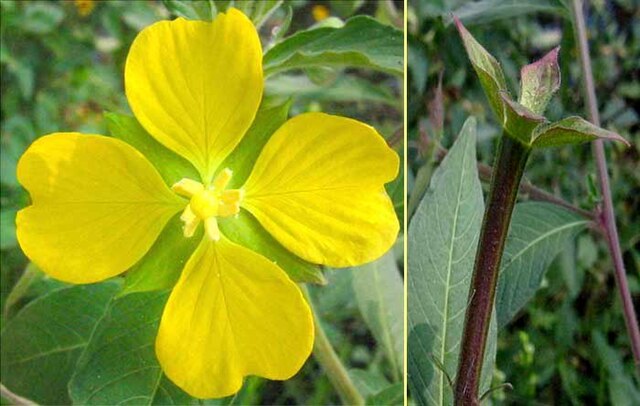
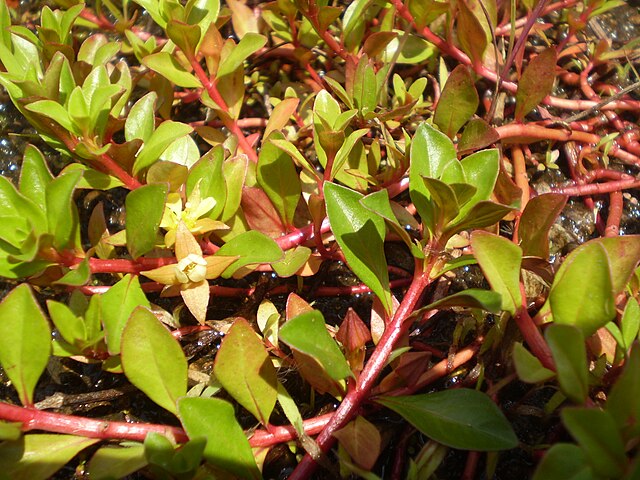
Ludwigia (Ludwigia) is classified in the Evening Primrose family, Ludwigia genus, and is an aquatic plant that naturally inhabits wetlands and rivers primarily in North and South America. In aquariums, species centered around South American origins are particularly popular, with dozens of cultivated varieties. Representative cultivated species include "Ludwigia repens," "Ludwigia inclinata," and "Ludwigia inclinata var. superba" (often called 'Cuba').
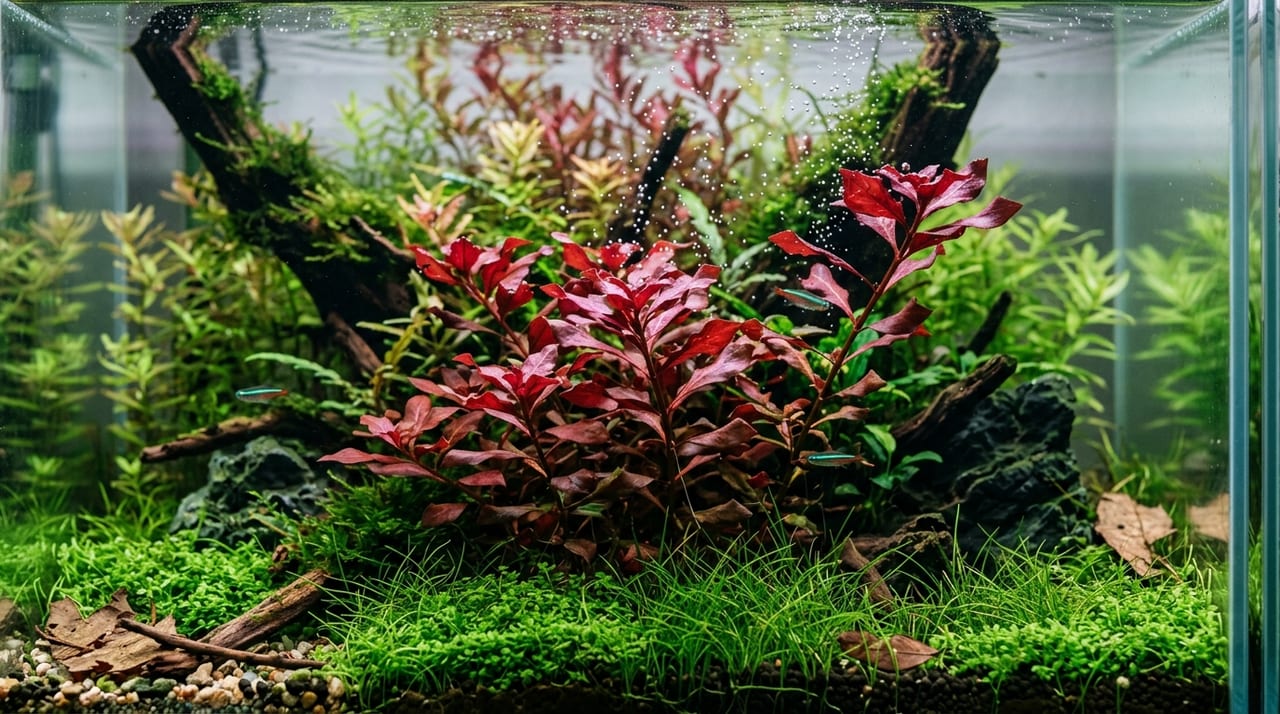
The greatest appeal of Ludwigia lies in the wide range of leaf colors. Depending on cultivation conditions, coloring shifts from green, yellow-green, orange, red-purple, to deep crimson, and even individual stems display entirely different appearances based on light intensity and CO2 levels. The stem has a nearly square cross-section, with leaves arranged oppositely. Its natural growth habit is to grow upright toward the surface, making it invaluable for creating three-dimensionality from the mid-ground to background of the aquarium. Additionally, possessing amphibious characteristics means leaf shape and color change as it transitions from aquatic to submerged forms, making the changes right after introduction part of its appeal.
---
Choosing light and lighting to bring out beautiful red coloration
The reddish tint in Ludwigia leaves results from the accumulation of anthocyanin-based pigments on the leaf surface. Strong light is essential to promote this pigment production. Insufficient light leaves leaves green, causing them to stretch vertically and creating a loose, untidy aquarium layout.
As a lighting guideline, a standard 60cm aquarium (approximately 60L) requires white high-brightness LED totaling 30–50W equivalent or more, with 8–10 hours of daily lighting as standard. When targeting red coloration, using plant growth-oriented LEDs containing red wavelength components is particularly effective, and many full-spectrum aquarium LEDs are commercially available. When using multiple light sources, angling them rather than shining directly overhead allows light to reach the entire leaf surface more effectively.
Fixing lighting duration with a timer is equally important. Varying light timing daily disrupts the plant's internal rhythm and may slow growth. Once settings are established, maintain consistency without changes to keep a stable cycle. Conversely, during hot summers, shortening exposure time by 1–2 hours is also an effective seasonal adjustment.
---
Boosting growth speed and coloration through CO2 supplementation and nutrient management
Ludwigia responds sensitively to CO2 supply. While the plant rarely dies in environments without CO2 addition, coloration becomes muted and growth slows considerably. To achieve vivid red coloration, CO2 supplementation is considered virtually essential.
A system combining commercial steel cylinders (CO2 cylinders) and solenoid valves provides the most stable results, with the goal of maintaining dissolved CO2 at approximately 20–30ppm. Use a bubble counter to adjust to 1–2 bubbles per second, distributing CO2 throughout the tank via water circulation. Fermentation methods (using sugar and yeast) reduce costs but provide unstable supply levels, making them unsuitable for strong red coloration.
For nutrition, supplying microelements through liquid fertilizer directly impacts coloration. Iron (Fe) particularly influences red to orange coloring, and many growers report that adding iron-containing liquid fertilizer 1–2 times weekly increases color depth significantly. Macronutrients (nitrogen, phosphorus, potassium) accumulate naturally in fish-stocked tanks but become deficient in plant-focused systems. Regularly add small amounts of comprehensive all-in-one liquid fertilizer and adjust based on observation. Overdosing promotes algae blooms, so beginning with 50–75% of recommended dosage is safest.
---
Water quality, substrate, and basic planting methods
Optimal water parameters are pH 6.5–7.5, with total hardness (GH) of 4–8 dGH (German hardness) as a guide. Extremely soft water tends to create mineral deficiency, causing leaf yellowing. Conversely, high-hardness water causes iron to precipitate and become less absorbable, so balanced parameters are ideal. When using tap water, thoroughly dechlorinate and perform 25–30% water changes once weekly to prevent sudden water quality shifts.
Soil-based substrates offer the best compatibility, with nutrient-rich soil (commercially available aquatic plant soil) at 5–7cm depth promoting good root development. Red ball clay (small grain) is also an excellent choice offering superior aeration, ideal for cost-conscious long-term maintenance. Large gravel or sand are nutrient-poor and require liquid fertilizer supplementation.
Basic planting involves gathering 3–5 stems with tweezers and inserting them into the substrate. Planting too deep encourages stem rot, so keep only 2–3cm of the base in the substrate. Immediately after planting, roots lack anchorage, so protect against water current disturbance. During the 2–3 weeks before root establishment, avoid strong currents or position plants near stone or driftwood to provide stability.
---
Creating dense growth through trimming and propagation
Ludwigia tolerates trimming well and maintains condition even with repeated cuts. When stems reach the water surface, cut 5–10cm below the tip with scissors. The cut top portion replants directly into the substrate and produces new roots. Multiple side shoots will extend from the remaining lower stem, gradually forming a dense colony.
Repeating this cycle every 2–3 weeks creates natural dense growth in the aquarium background. Remove excess plants through thinning to ensure adequate light and nutrients per stem, maintaining vibrant coloration. Overly dense planting blocks light from lower leaves, hastening yellowing and defoliation, so appropriate density management is critical.
---
Common problems and solutions
Leaves turning yellow: Iron or magnesium deficiency is suspected. When only leaf veins remain green while leaf tissue yellows, iron deficiency is indicated. Add iron-containing liquid fertilizer and verify pH isn't excessive. When pH exceeds 7.5, iron tends to precipitate in water.
Lower leaves dropping progressively: Some lower leaf drop is natural, but rapid progression suggests CO2 or light insufficiency. Review CO2 addition rates and confirm light reaches lower portions. For densely planted tanks, thin plants to allow light penetration to the substrate level.
Massive algae blooms: Black beard algae and blue-green algae typically proliferate in areas with poor water circulation and accumulated organic matter. Adjust filter outlet direction to create whole-tank circulation and regularly remove uneaten food and dead leaves. Introducing algae-eating fauna (such as plecos and Amano shrimp) is also effective, though fish selection should consider aquatic plant compatibility.
No coloration appears, remains green: Light insufficiency is the most common cause. Increase light wattage or extend lighting duration while reviewing CO2 levels. Adding iron-based liquid fertilizer also promotes red coloration. Allow 2–4 weeks after environmental changes before expecting visible color shifts, so patient observation is essential.
Ludwigia's charm lies in how environmental changes directly manifest in leaf color and growth, making the process of observation and repeated adjustment itself the true pleasure of cultivation. When light, CO2, nutrition, and water quality align perfectly, the extraordinary beauty of Ludwigia's deep crimson background coloring rewards all effort.