Aquatic Plants in Outdoor Biotopes | Natural Layouts Coexisting with Medaka
A guide to selecting aquatic plants suitable for outdoor biotopes and their layout methods. Discover which aquatic plants pair well with medaka, which species can overwinter, light management techniques, mosquito larva control, and how to create a water environment close to nature.
Key Takeaways
A guide to selecting aquatic plants suitable for outdoor biotopes and their layout methods. Discover which aquatic plants pair well with medaka, which species can overwinter, light management techniques, mosquito larva control, and how to create a water environment close to nature.
Related Species
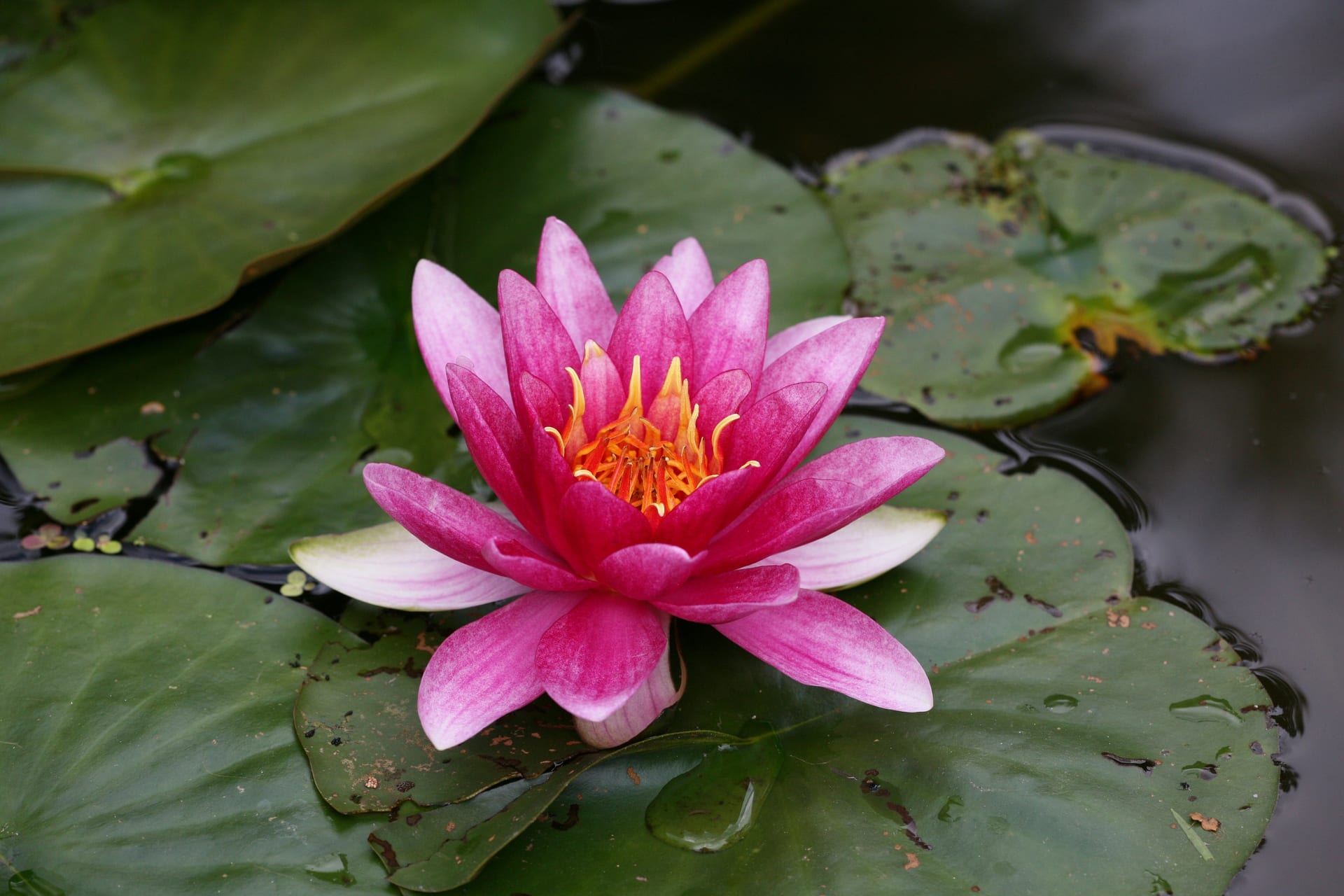
What Is an Outdoor Biotope? — A Small Ecosystem Carved from Nature
An outdoor biotope is a small aquatic ecosystem managed under natural outdoor light in containers such as pots, wooden troughs, or water lily basins, filled with soil, aquatic plants, and fish. Derived from the German word "Biotop" (meaning "habitat"), outdoor biotopes have rapidly spread alongside the medaka boom.
The greatest appeal lies in maintaining water quality without relying on filters or aeration—instead, plants, microorganisms, and fish work together in mutual support. Aquatic plants supply oxygen through photosynthesis, medaka waste becomes fertilizer, and bacteria in the substrate decompose organic matter—when this cycle is established, a "natural aquarium" that requires zero electricity is complete. For beginners, it reduces maintenance effort; for advanced enthusiasts, it becomes a place to explore the limits of ecological balance. Many people transition from indoor aquatic plant tanks to outdoor biotopes, and those wanting to review the basics can refer to Aquatic Plant Beginner's Care Guide.
5 Excellent Aquatic Plants for Medaka Compatibility
When selecting aquatic plants for biotopes, the fundamental principle is to choose hardy species that can withstand outdoor temperature fluctuations, direct sunlight, and water quality changes from rainfall. Below are five proven standard varieties.
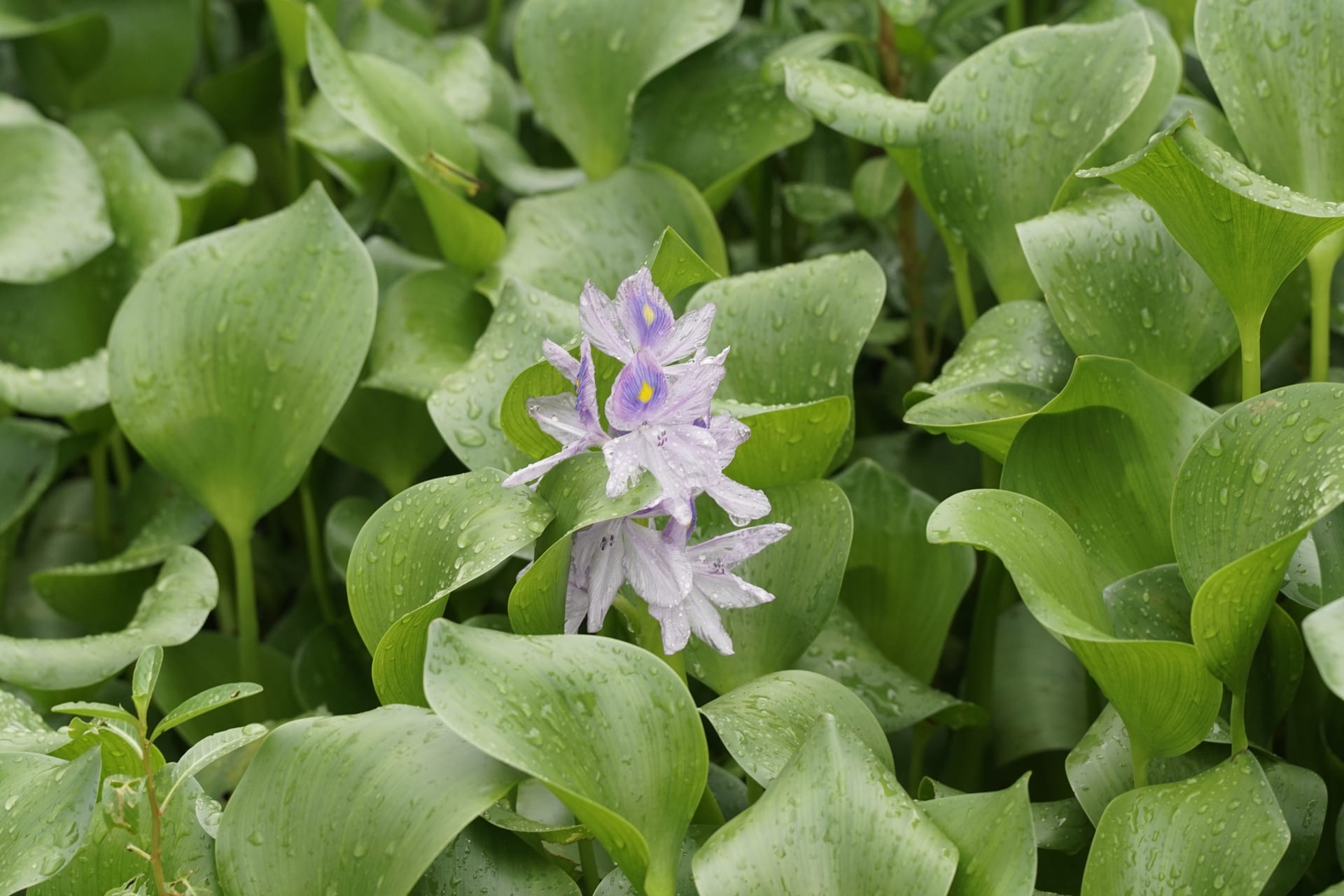
Water Hyacinth (Pontederia) A classic floating plant. Its roots extend into the water in feathery fronds, serving as a spawning ground for medaka and a hiding place for fry. With vigorous growth, it rapidly absorbs excess nutrients (nitrogen and phosphorus) in the water, making it highly effective at preventing green water algae blooms. In summer, regular thinning is necessary to prevent it from covering the entire surface.
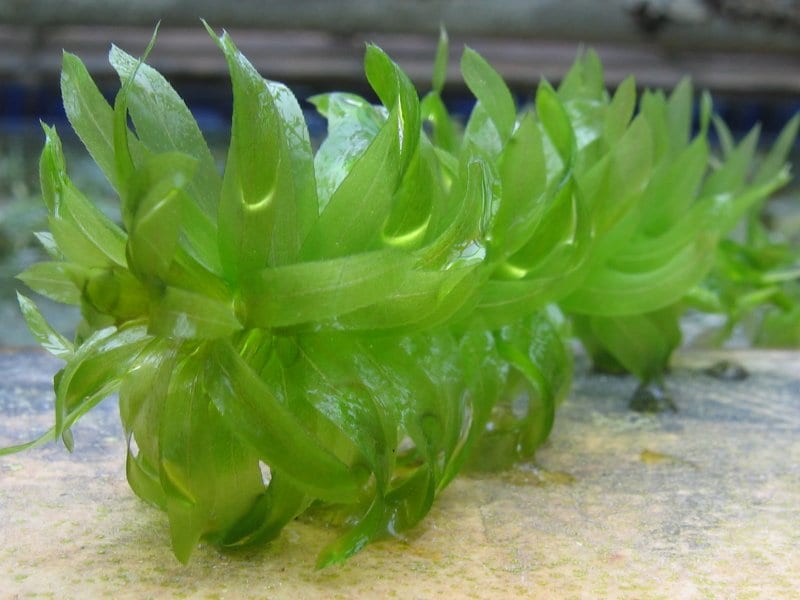
Hornwort (Ceratophyllum) Also called "goldfish weed," this submerged plant has no roots and drifts in the water while absorbing nutrients. It maintains swimming space for medaka while functioning as a spawning bed. It is hardy in low temperatures and grows well in early spring and fall.
Anacharis (Brazilian Waterweed) In terms of hardiness, it's among the toughest for biotopes. It adapts to polluted water, intense light, and low temperatures, and with abundant photosynthesis, it serves as an excellent source of oxygen in the water. Because of its fast growth, trim it monthly to adjust its length.
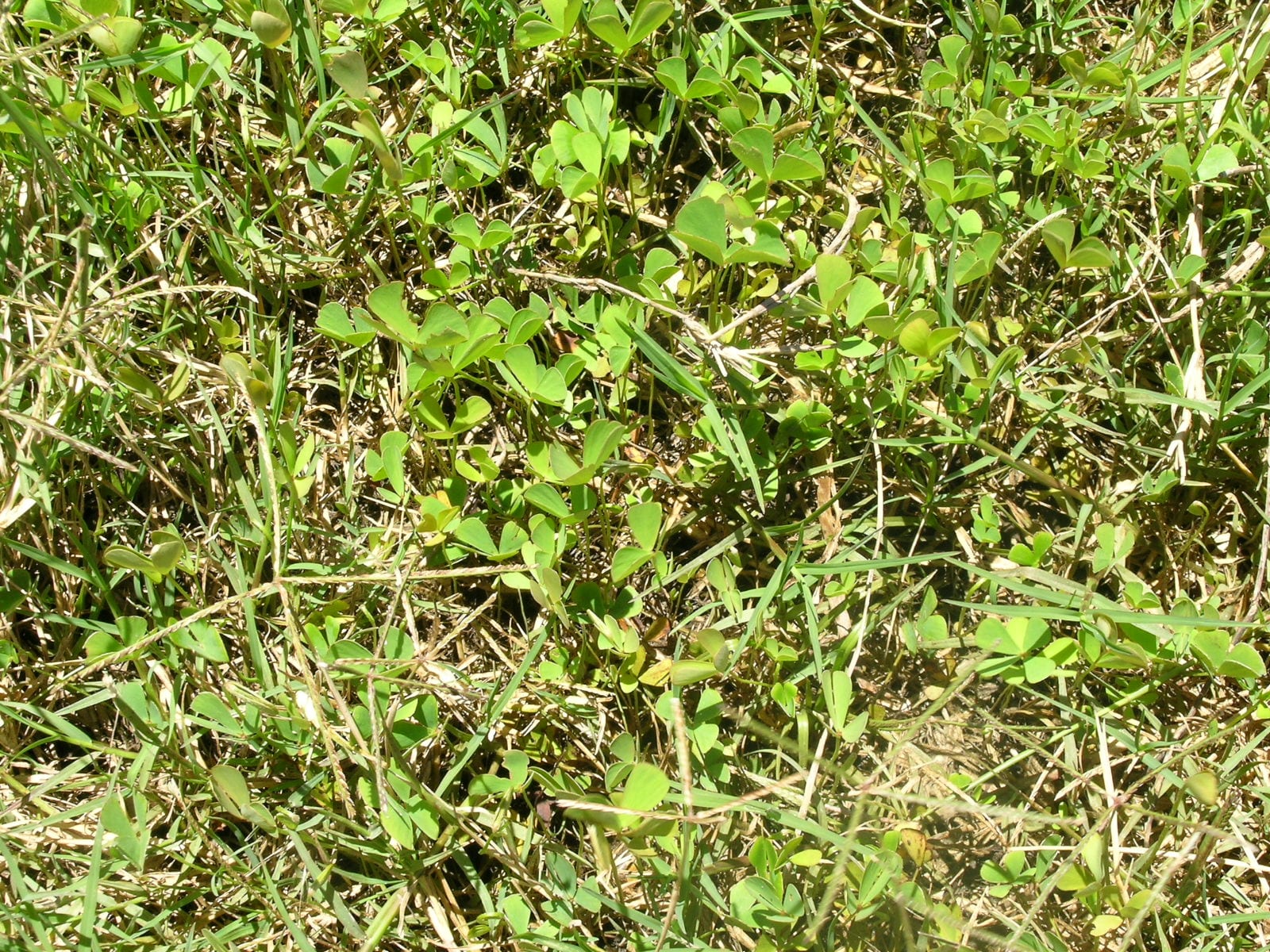
Water Clover (Marsilea) An emergent plant with clover-shaped leaves floating on the water surface. It adds visual interest and helps control algae. Because its roots anchor to the substrate, it's less prone to drifting from wind currents and easier to manage.
Water Lily (Nymphaea) An iconic symbol of biotopes. Its large leaves shade the water, suppressing temperature rise and protecting medaka from summer heat. When flowering, it has excellent ornamental value. Planting it in a pot and submerging it at the bottom makes it easier to manage and controls root spread.
While these aquatic plants are available through online retailers, if you want to receive them in condition with minimal shipping damage, it's reassuring to check Aquatic Plant Buying Guide for tips on selecting without failure.
Creating Natural Layouts — Placement and Substrate Considerations
To create a beautiful and functional biotope, it's important to arrange aquatic plants with awareness of "layers."
Substrate Selection (Red Clay Pellets and Soil) For outdoor biotopes, small-grain red clay pellets offer the best cost-effectiveness. The appropriate grain size promotes bacterial colonization, resists breakdown better than soil, and allows for long-term maintenance. Ensuring 5–8 cm of depth allows emergent plant roots to establish firmly.
Creating Depth with a Three-Layer Structure
- Surface layer: Control light with floating plants such as water hyacinth and water lily
- Mid-layer: Submerged plants like hornwort and anacharis purify water quality
- Bottom layer/waterside: Create a natural atmosphere with water clover, stones, and driftwood
The key is placing stones and driftwood toward the edges to keep the center open as swimming space for medaka. By covering 60–70% of the container with plants while leaving open water surface, you balance light penetration and oxygen exchange.
Seasonal Management Tips
Outdoor biotopes require adjustments throughout the four seasons.
Spring (March–May) When water temperature exceeds 10°C, medaka resume activity and their appetite returns. Remove winter-damaged aquatic plants and introduce new growth such as water hyacinth. Don't do a complete water change at once; instead, change 1/3 of the water every few days to avoid sudden water quality fluctuations.
Summer (June–August) The biggest challenge is rising water temperature. Continuous direct sunlight can push temperatures above 35°C, which is fatal for medaka. Effective shading uses water lily leaves or shade cloth (50% shade), covering 70% or more of the water surface. This is also a period of explosive growth for water hyacinth, so don't forget weekly thinning.
Fall (September–November) When water temperature drops below 20°C, medaka stop breeding and lose appetite. Gradually reduce feeding and remove dead leaves from aquatic plants to prevent water quality decline. Water hyacinth dies below 5°C, so either bring it indoors before frost or abandon it and prepare fresh plants in spring.
Winter (December–February) Medaka enter hibernation when water temperature drops below 5°C. Stop feeding completely. Insulate by wrapping the container with polystyrene or floating a polystyrene board on the surface to prevent total freezing. Anacharis and hornwort survive low temperatures, making them valuable for overwintering.
Common Troubleshooting and Solutions
Filamentous Algae Bloom The cause is excess nutrients plus strong light. Increase water hyacinth for shading while manually removing it regularly. Introducing a few freshwater snails makes them work as "cleanup crew," eating filamentous algae and keeping water clean.
Green Water (Algal Turbidity) A phenomenon where phytoplankton blooms cause the water to turn green and cloudy. While effective for enhancing medaka coloration, it reduces visibility of fry, making management difficult. Increase floating plants to block light, or do partial water changes to dilute the concentration.
Medaka Exhaustion and Mortality The main causes are summer heat, winter freezing, and water quality decline. Daily observation is the best prevention. If an oily film covers the surface or medaka are gasping at the water surface, it's an SOS signal. Immediately perform water changes and identify the cause. For diagnosing why aquatic plants melt or wilt, refer to Aquatic Plant Disease and Pest Control Guide.
Mindset for Enjoying Your Biotope Long-Term
The true pleasure of an outdoor biotope lies in "not managing too much." Trying to control everything perfectly leads to burnout, but if you trust the ecosystem's cycle and keep maintenance minimal, nature will remarkably begin balancing itself.
One last crucial request. Do not discard or plant excess aquatic plants or floating plants—particularly invasive species like water hyacinth and anacharis (Brazilian waterweed)—in rivers, ponds, or irrigation channels. They have extremely strong reproductive capacity and will establish themselves in the wild, destroying native aquatic ecosystems. The correct approach is to dry thinned plants in the sun before disposing as combustible waste, or giving them to someone who wants them. The same applies to medaka and snails—releasing them into the wild is strictly prohibited, even if you can no longer keep them. Follow the three principles of invasive species prevention—"don't introduce, don't discard, don't spread"—and enjoy your biotope.
Watching tiny natural phenomena every day at your doorstep—medaka fry being born, aquatic plants thriving, snails crawling across the bottom, dragonflies laying eggs—is the greatest joy of a biotope. Don't worry if you fail at first. Through trial and error, cultivate your own ideal aquatic habitat. If you'd like to start with hardy plants, we recommend exploring GrowerDirect's Aquatic Plant category to find plants delivered directly from growers.