Aquatic Plant Encyclopedia
Encyclopedia of popular aquatic plants with care guides, traits, and aquascaping tips.
Showing 10 of 127 species
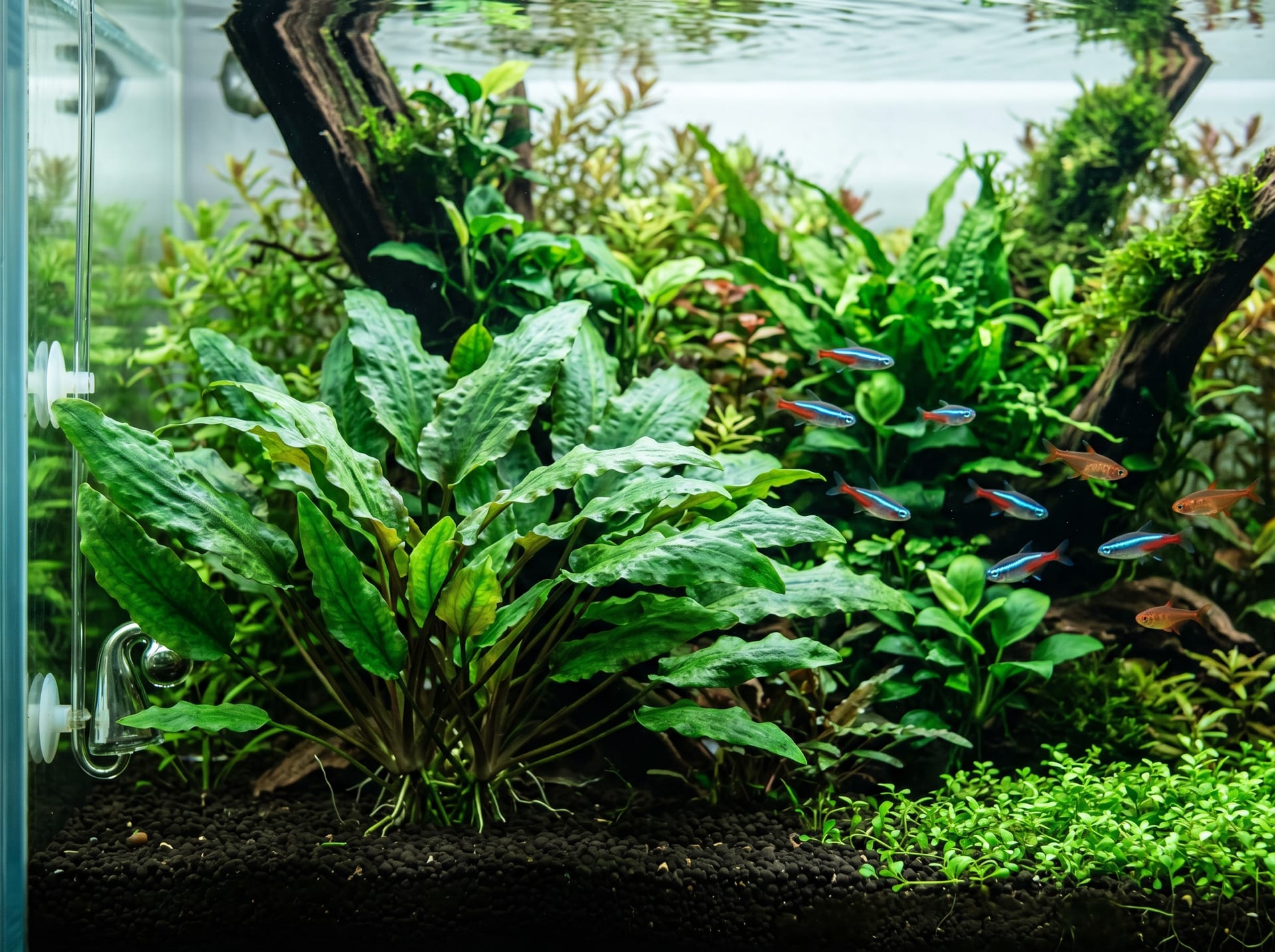
Cryptocoryne
Cryptocoryne
Root-dwelling plant from Southeast Asia. Many varieties with subtle beauty. May melt with environmental changes but recovers.
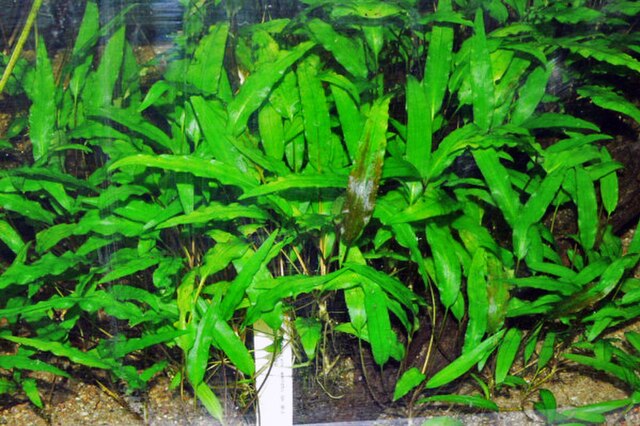 © Haplochromis / CC BY 2.5
Cryptocoryne Wendtii
Cryptocoryne wendtii
A hardy Cryptocoryne from Sri Lanka. Calm brown to green tones ideal for midground placement.
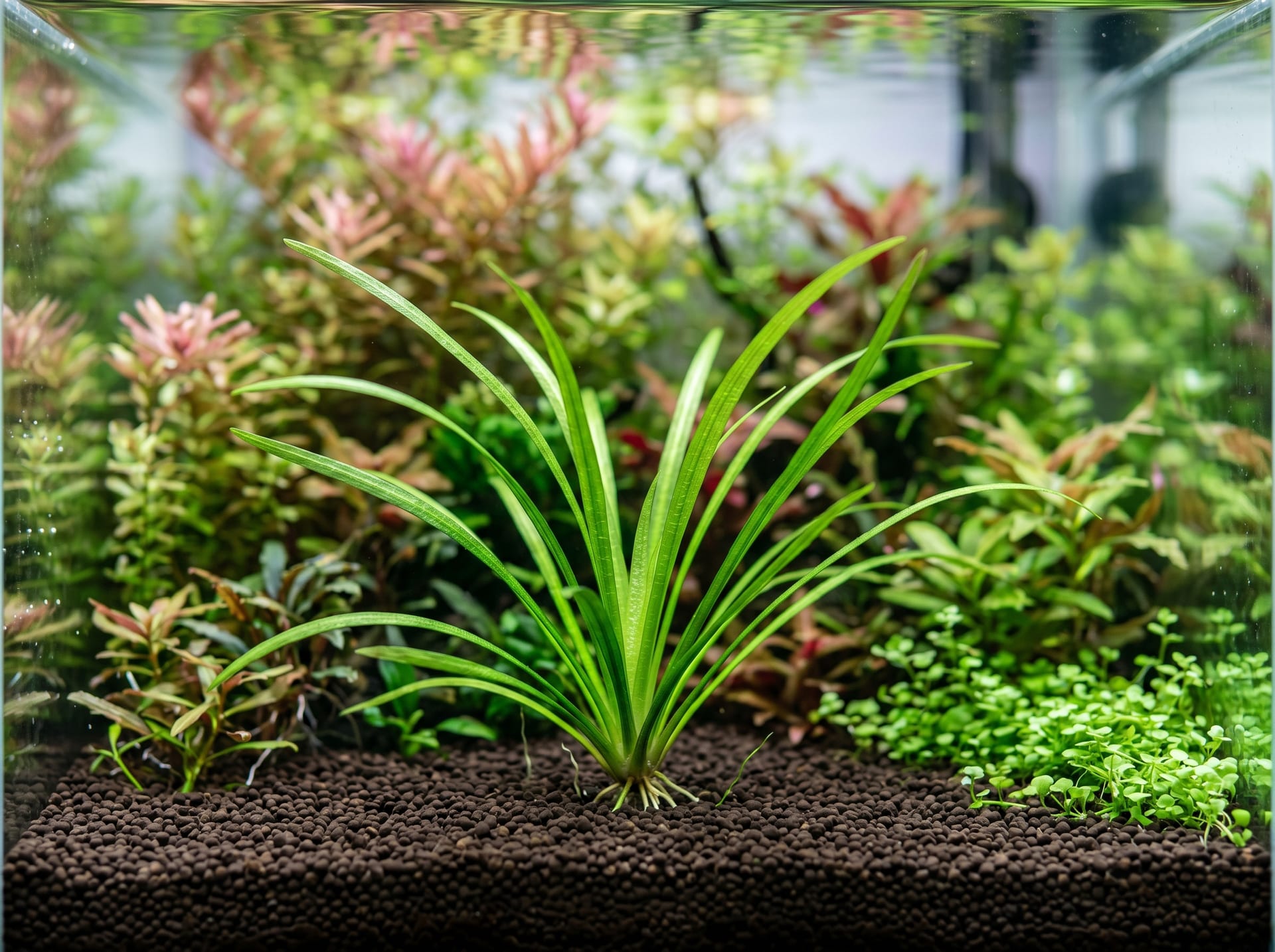
Dwarf Sagittaria
Sagittaria subulata
A foreground-midground plant growing densely like lawn. Very hardy, spreads quickly by runners.
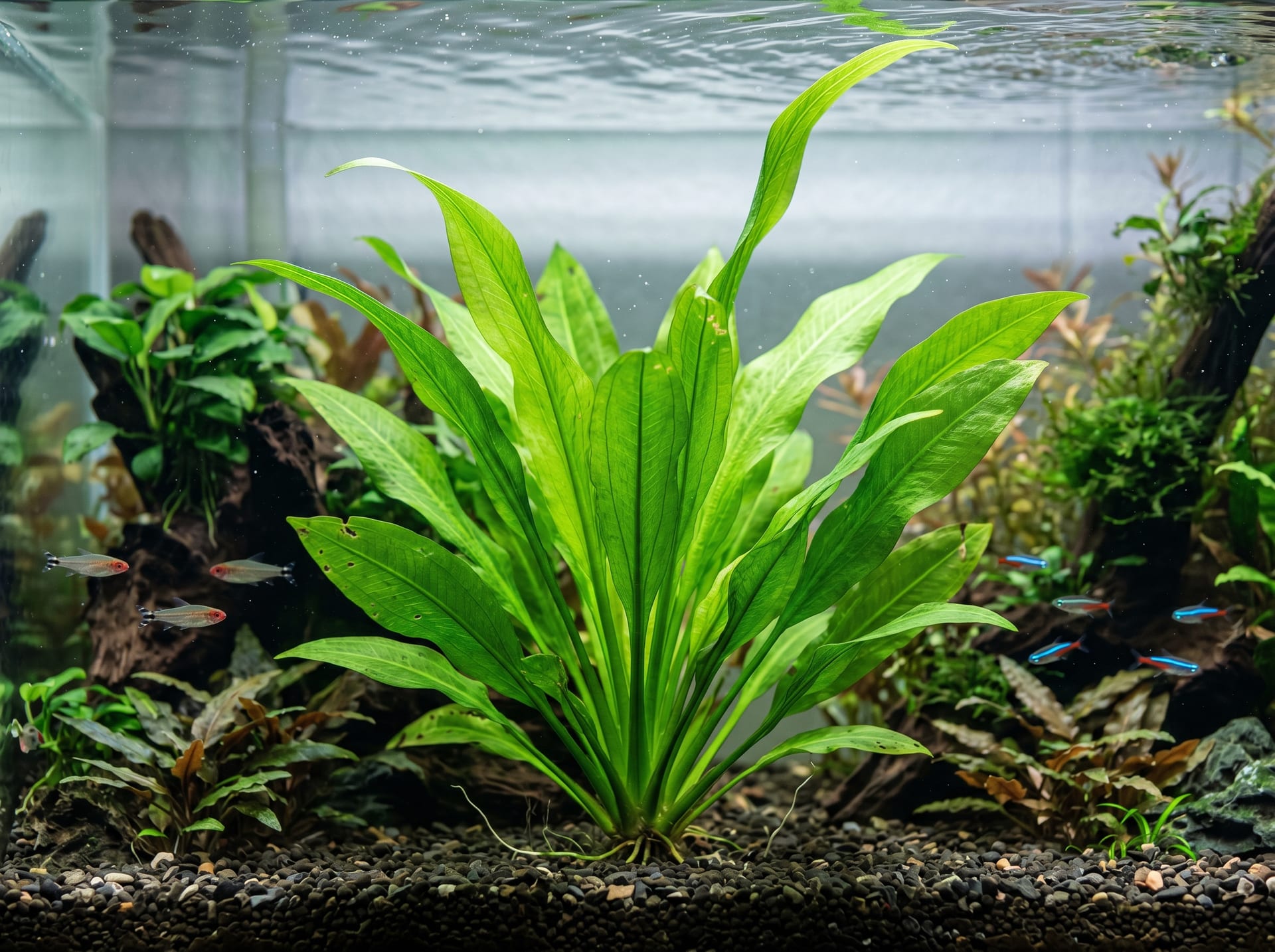
Echinodorus (Amazon Sword)
Echinodorus
Representative large aquatic plant also called Amazon Sword. Ideal for mid to background. Propagates by runners, easy for beginners.
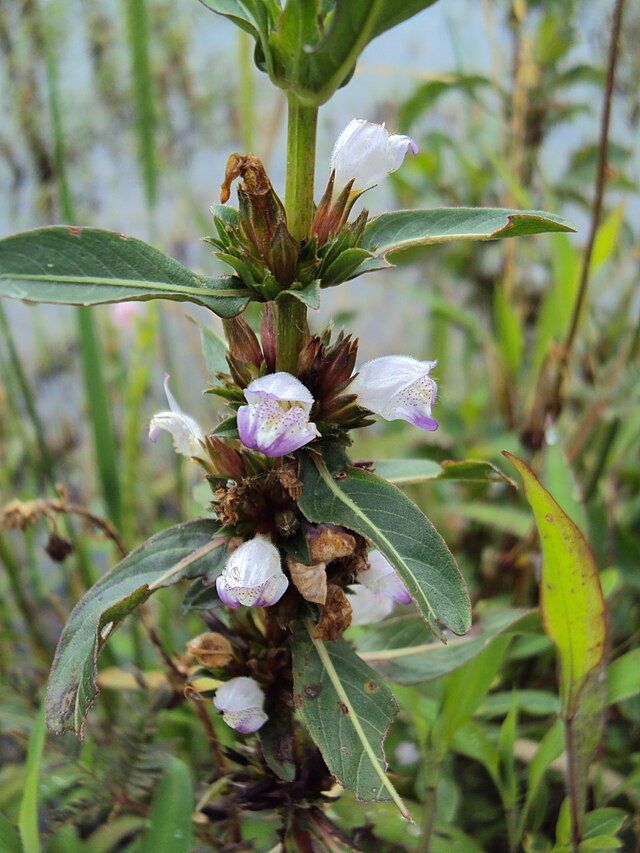 © Vinayaraj / CC BY-SA 4.0
Hygrophila
Hygrophila
Representative fast-growing hardy stem plant. Polysperma is most common. Easily propagated by trimming.
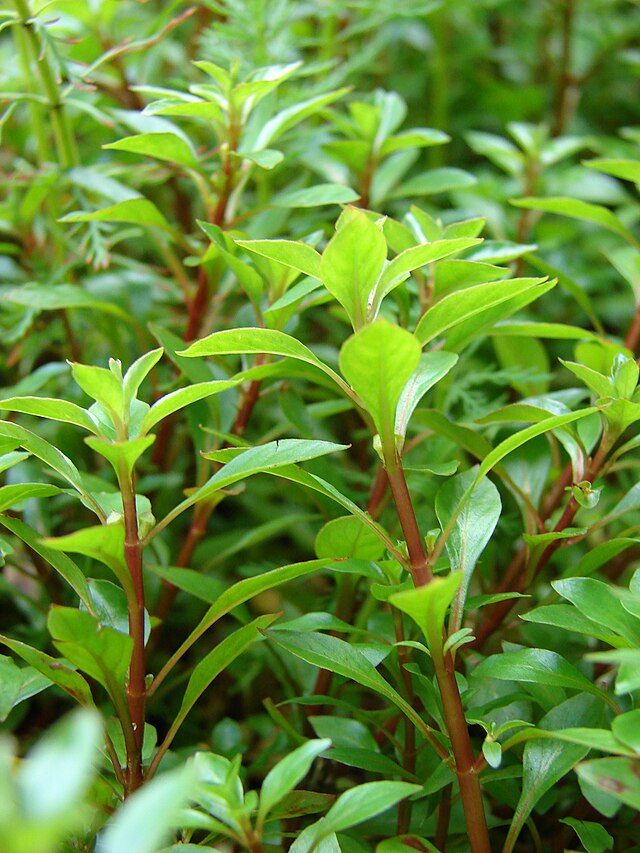 © Forest & Kim Starr / CC BY 3.0
Ludwigia Palustris
Ludwigia palustris
A hardy stem plant that turns red. Easy for beginners and perfect for adding color to aquariums.
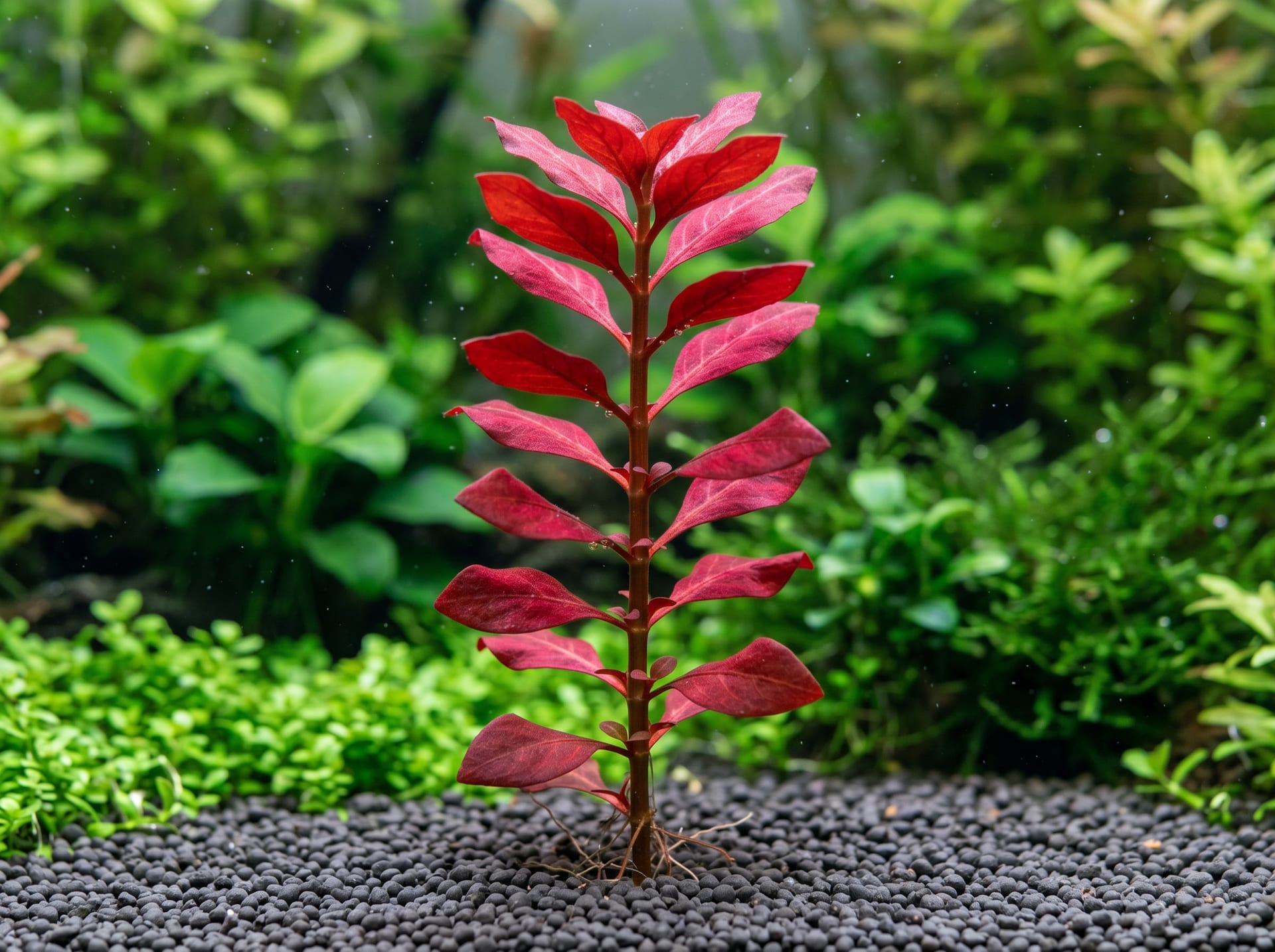
Ludwigia Super Red
Ludwigia palustris 'Super Red'
A beautiful ludwigia entirely dyed red. Maintains some redness even without CO2 injection.
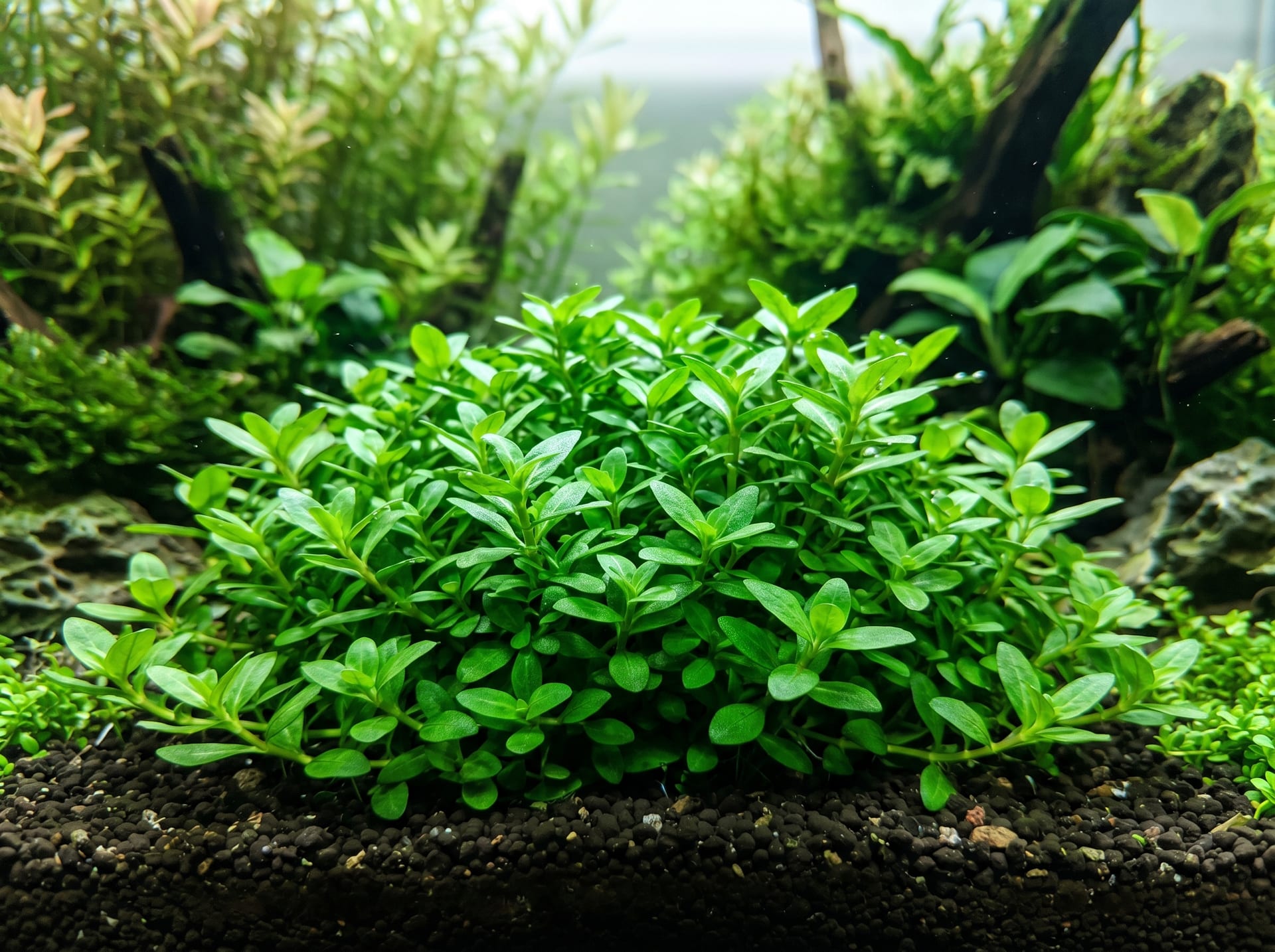
Staurogyne Repens
Staurogyne repens
South American low-growing plant for foreground to midground. Hardy and easy to grow, even without CO2. Forms beautiful green bushes when densely planted. Tolerates trimming well.
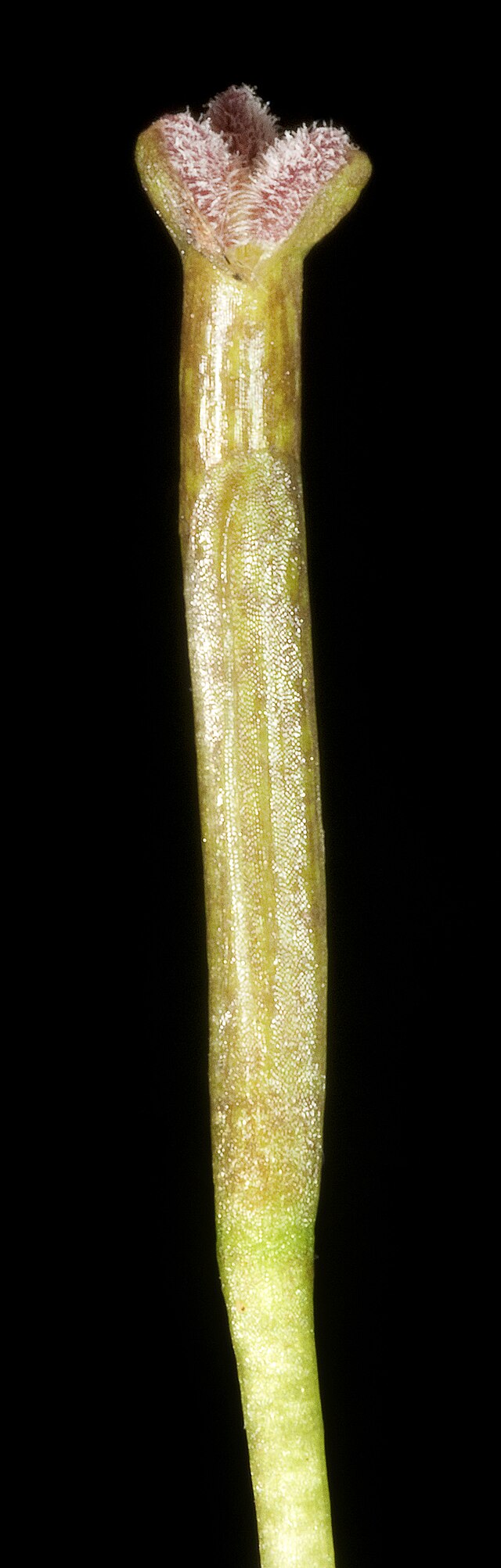 © Kevin Thiele from Perth, Australia / CC BY 2.0
Vallisneria Nana
Vallisneria nana
A small vallisneria with thin leaves swaying coolly. Hardy and easy for beginners to grow.
 © Krzysztof Ziarnek, Kenraiz / CC BY-SA 4.0
Water hyssop
Bacopa monnieri
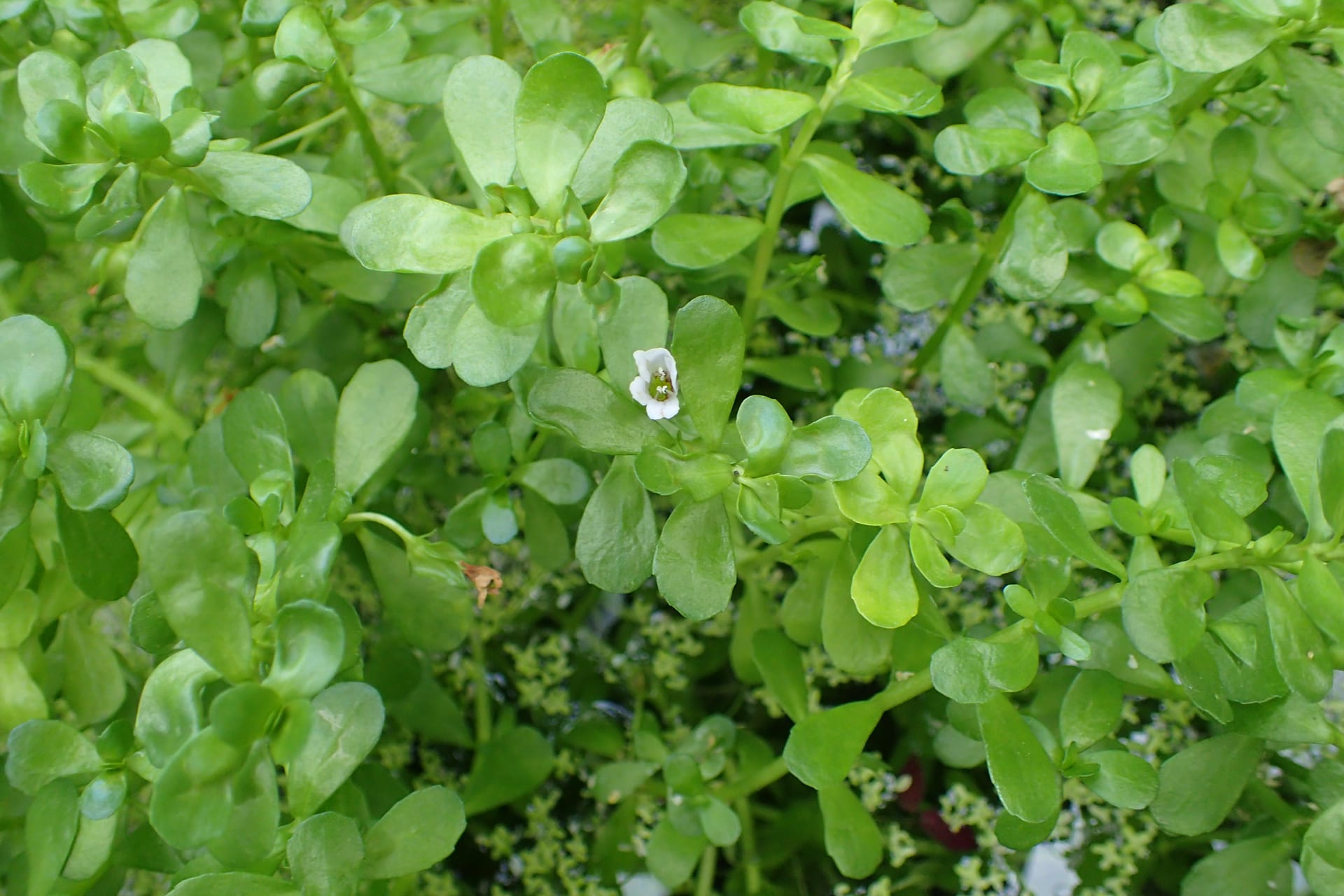
A tough, bright green stem plant (Japanese name Otomeazena) with small, thick leaves that widen toward the tip, in opposite pairs. A staple that tolerates almost any water and grows without CO2; emersed it bears pale pink to white flowers.
Related Content
Aquatic Plant FAQ
- How much do aquatic plants cost?
- Common Rotala and Anubias cost 300-1,000 yen, Bucephalandra 1,000-5,000 yen, and rare wild-collected specimens 5,000-20,000+ yen depending on species.
- Can beginners grow aquatic plants?
- Anubias Nana and Java Moss require no CO2 injection and grow in low light, making them ideal for beginners. Start with hardy shade-loving plants.
- What equipment is needed for aquatic plants?
- A tank, LED light, filter, and aqua soil are the basics. For advanced layouts, CO2 injection and high-performance lighting significantly improve growth and coloration.
- What should I check when buying aquatic plants?
- Ensure leaves are green and healthy, not melting or dying, and free of snails or pests. Tissue-cultured cups are pest-free and reliable.
- Why do aquatic plants die?
- Insufficient light, CO2, or nutrients are the main causes. Each species has different requirements, so matching the environment to your specific plants is essential.