Aquatic Plant Encyclopedia
Encyclopedia of popular aquatic plants with care guides, traits, and aquascaping tips.
Showing 14 of 127 species
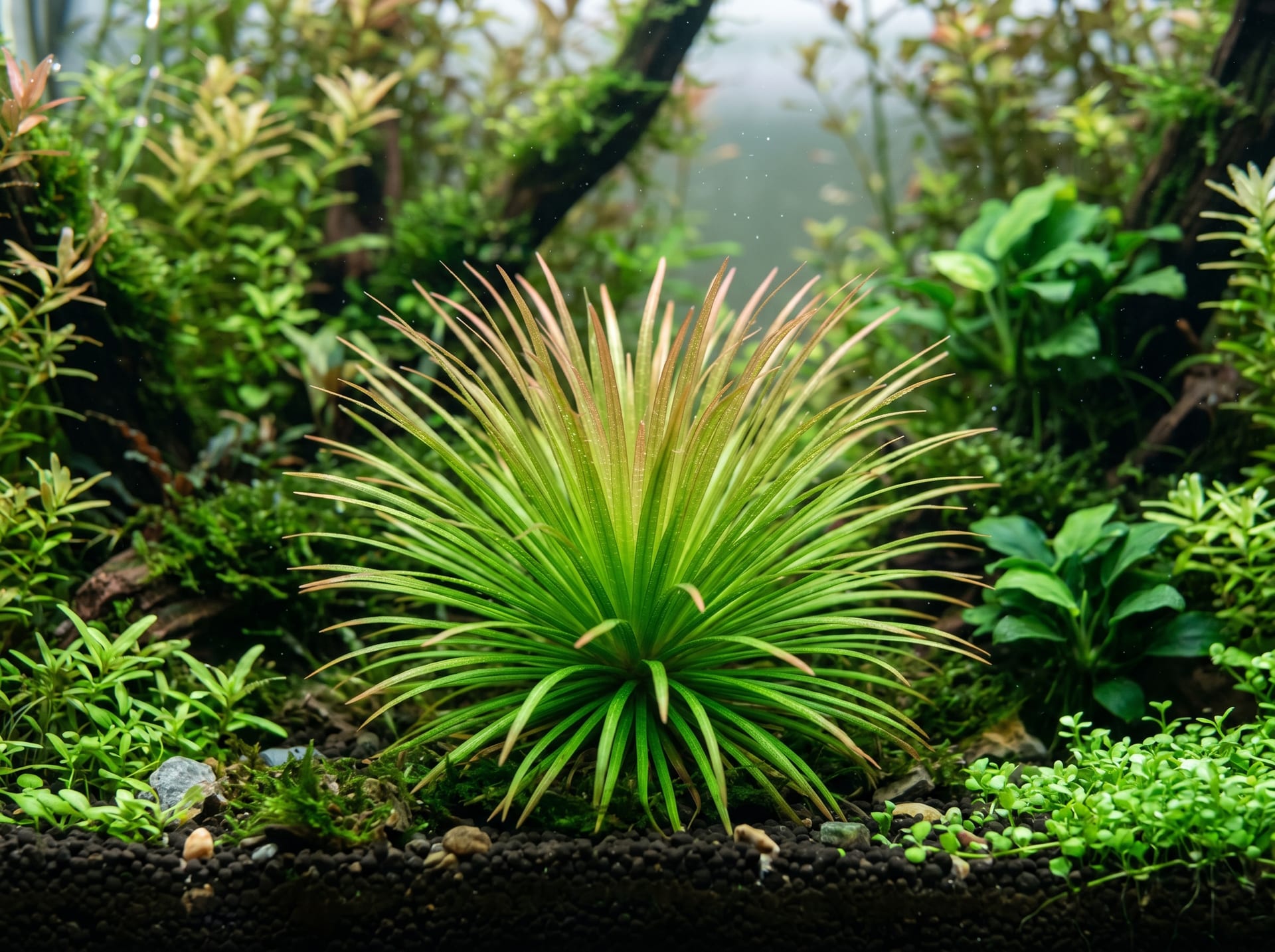
Blyxa japonica
Blyxa japonica
Beautiful rosette plant native to Japan. Thin leaves spread radially, adding movement to midground layouts. Takes on reddish hue with CO2 — very attractive.
 © Krzysztof Ziarnek, Kenraiz / CC BY-SA 4.0
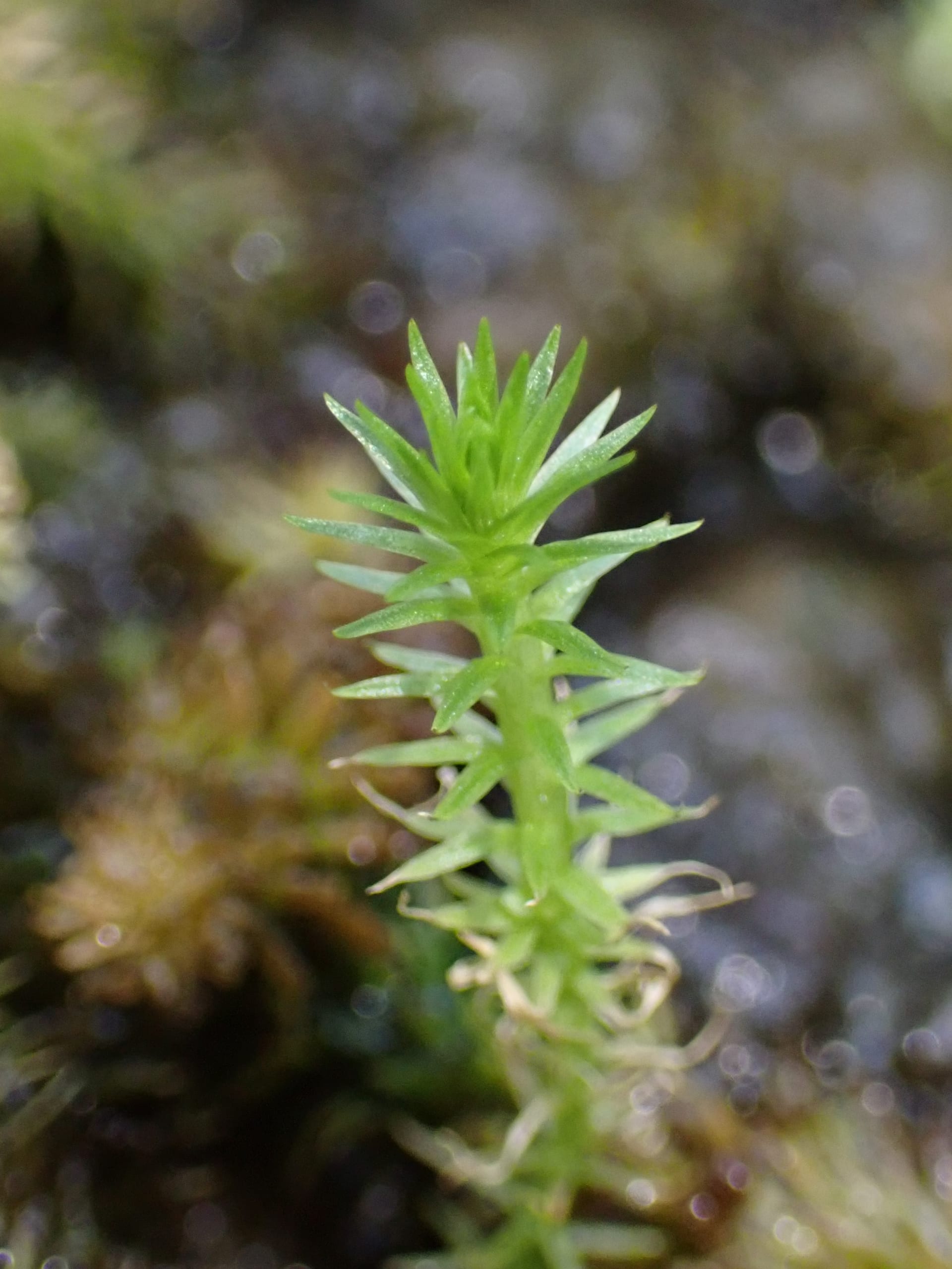
Bog moss
Mayaca fluviatilis
A moss-like stem plant with very narrow, bright green leaves set spirally and densely on soft, pale stems. It ranges from the south-eastern United States to South America, and its tips quickly turn pale when iron runs short.
 © Krzysztof Ziarnek, Kenraiz / CC BY-SA 4.0
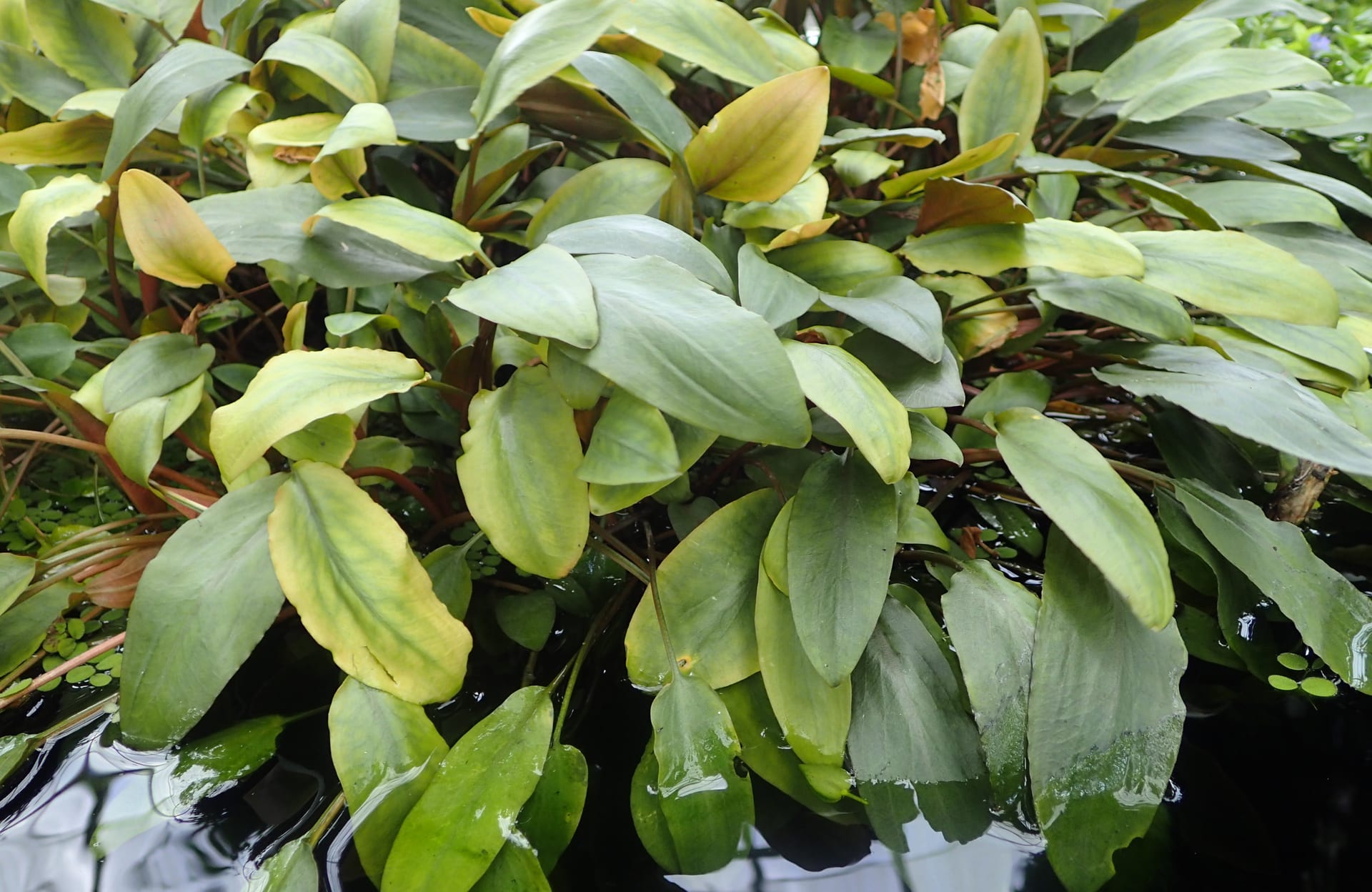
Cryptocoryne beckettii
Cryptocoryne beckettii
A Sri Lankan Cryptocoryne with pointed olive-brown to green leaves and purplish undersides. Grown for over 60 years, it adapts to soft or hard water and forms bushy stands by runners.
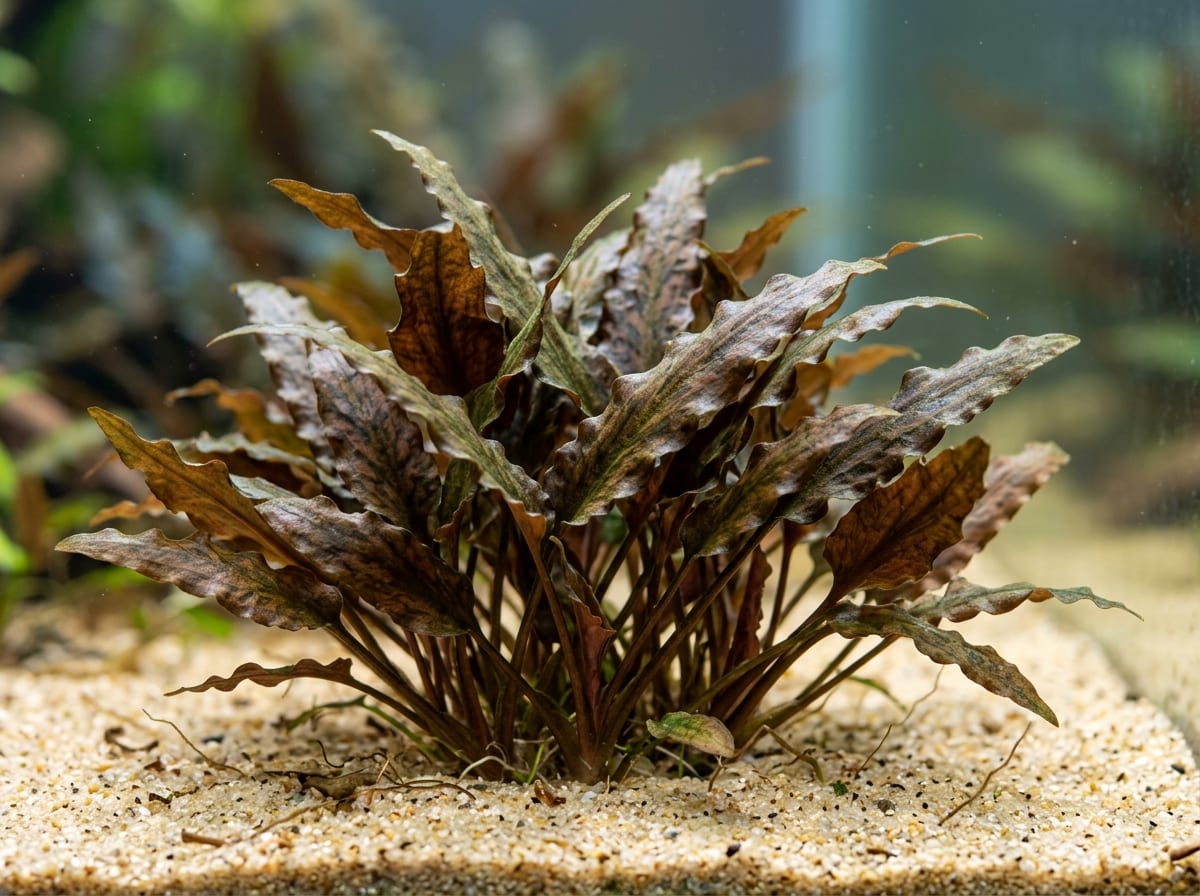
Cryptocoryne undulata
Cryptocoryne undulata
A Sri Lankan Cryptocoryne with brown, slightly wavy and sometimes marbled leaves. It grows without fertiliser in low light, and the more light and nutrients it gets, the lower and denser it becomes. A broad-leaved triploid form is also traded.
Cryptocoryne walkeri 'Lutea'
Cryptocoryne walkeri 'Lutea'
A form of the Sri Lankan Cryptocoryne walkeri, once treated as the species C. lutea. Its 8–12 cm leaves have finely wavy margins on the lower half. Both purple-red and green-brown plants are sold under the name.
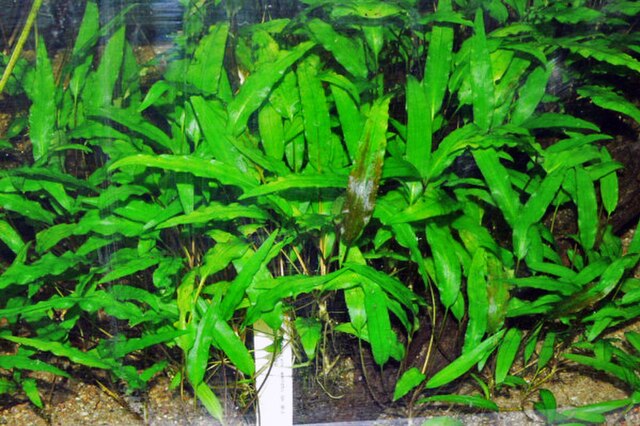 © Haplochromis / CC BY 2.5
Cryptocoryne Wendtii
Cryptocoryne wendtii
A hardy Cryptocoryne from Sri Lanka. Calm brown to green tones ideal for midground placement.
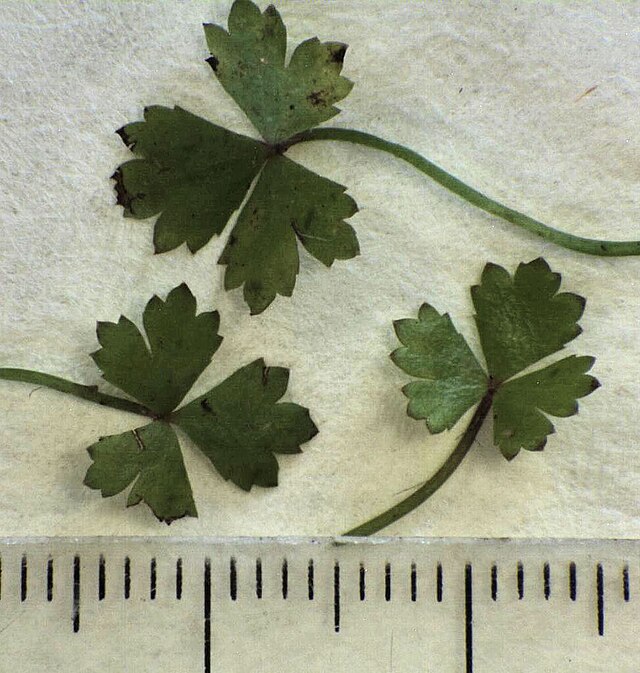 © S.E. Thorpe / Public domain
Hydrocotyle Tripartita
Hydrocotyle tripartita
A cute aquatic plant with clover-like trifoliate leaves. Grows horizontally, ideal for midground.
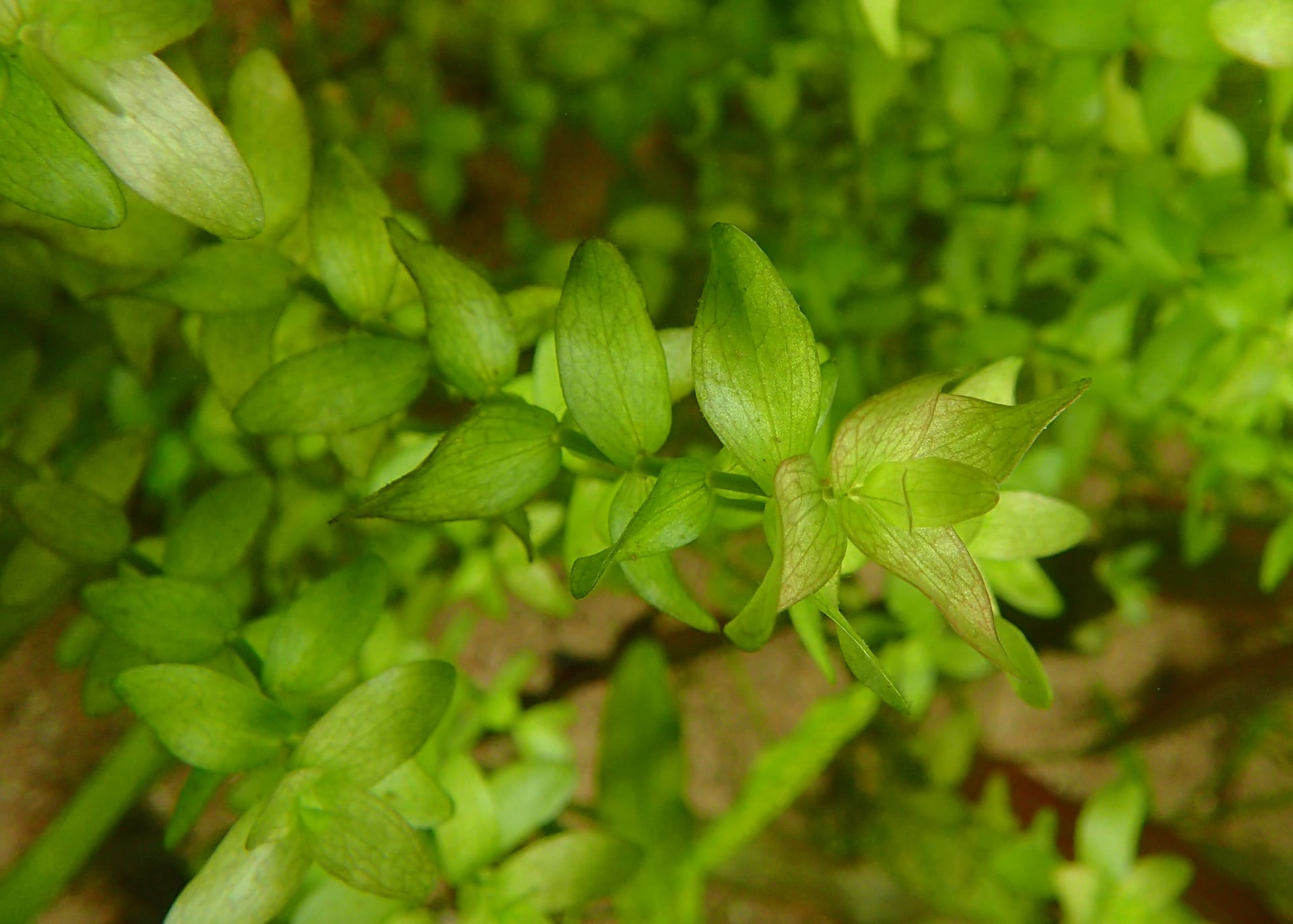 © Krzysztof Ziarnek, Kenraiz / CC BY-SA 4.0
Lemon bacopa
Bacopa caroliniana
A tough, slow-growing stem plant with thick oval leaves in opposite pairs. Crushed leaves smell of lemon, and under strong light the leaves take on a bronze to reddish-brown tint.
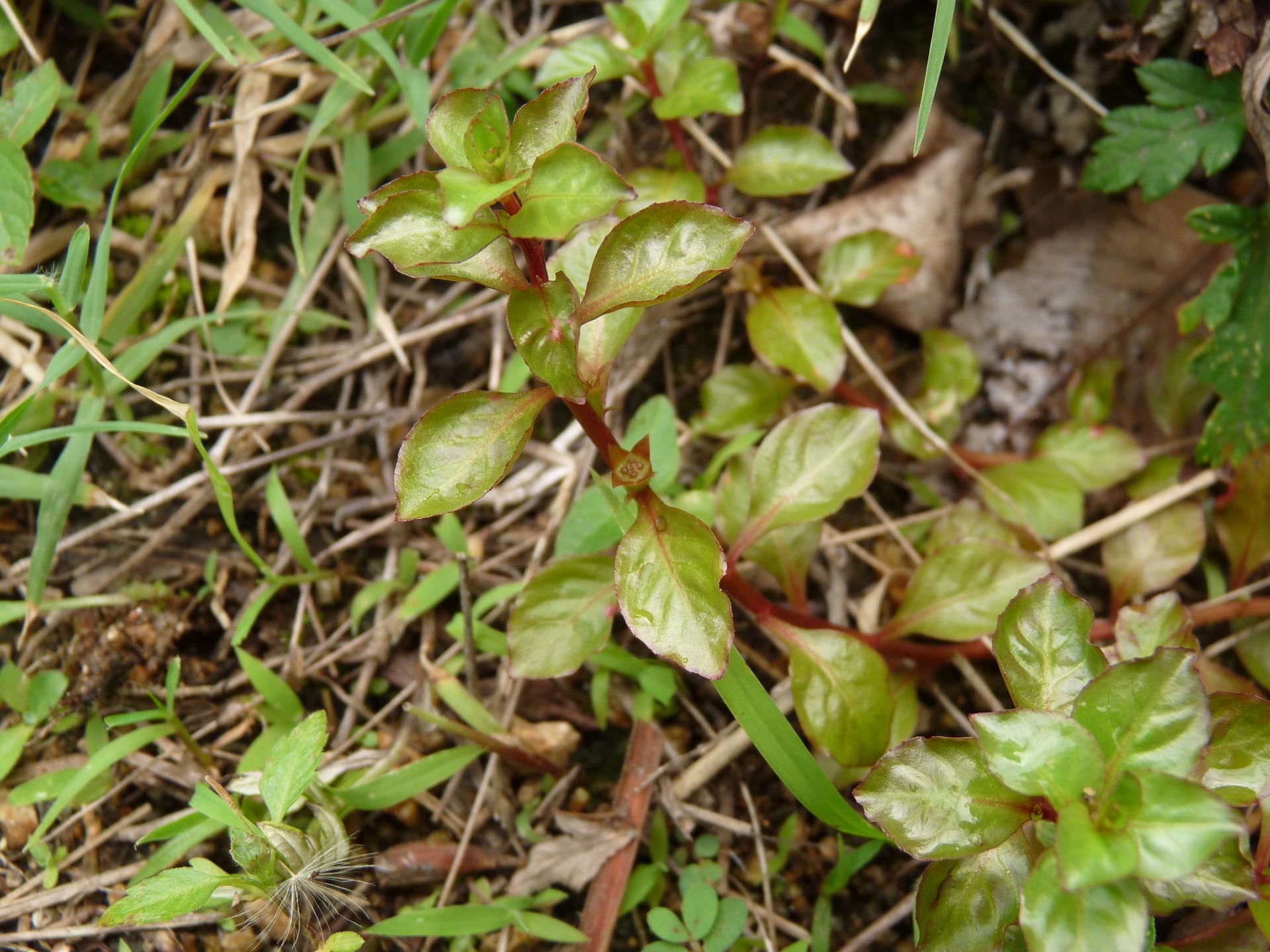 © Show ryu / CC BY-SA 3.0
Ludwigia ovalis
Ludwigia ovalis
A stem plant native to Japan (Japanese name Mizuyukinoshita) whose rounded oval leaves turn pink to orange under water. Its leaves are alternate, one per node, which separates it from the similar Ludwigia repens and L. palustris.
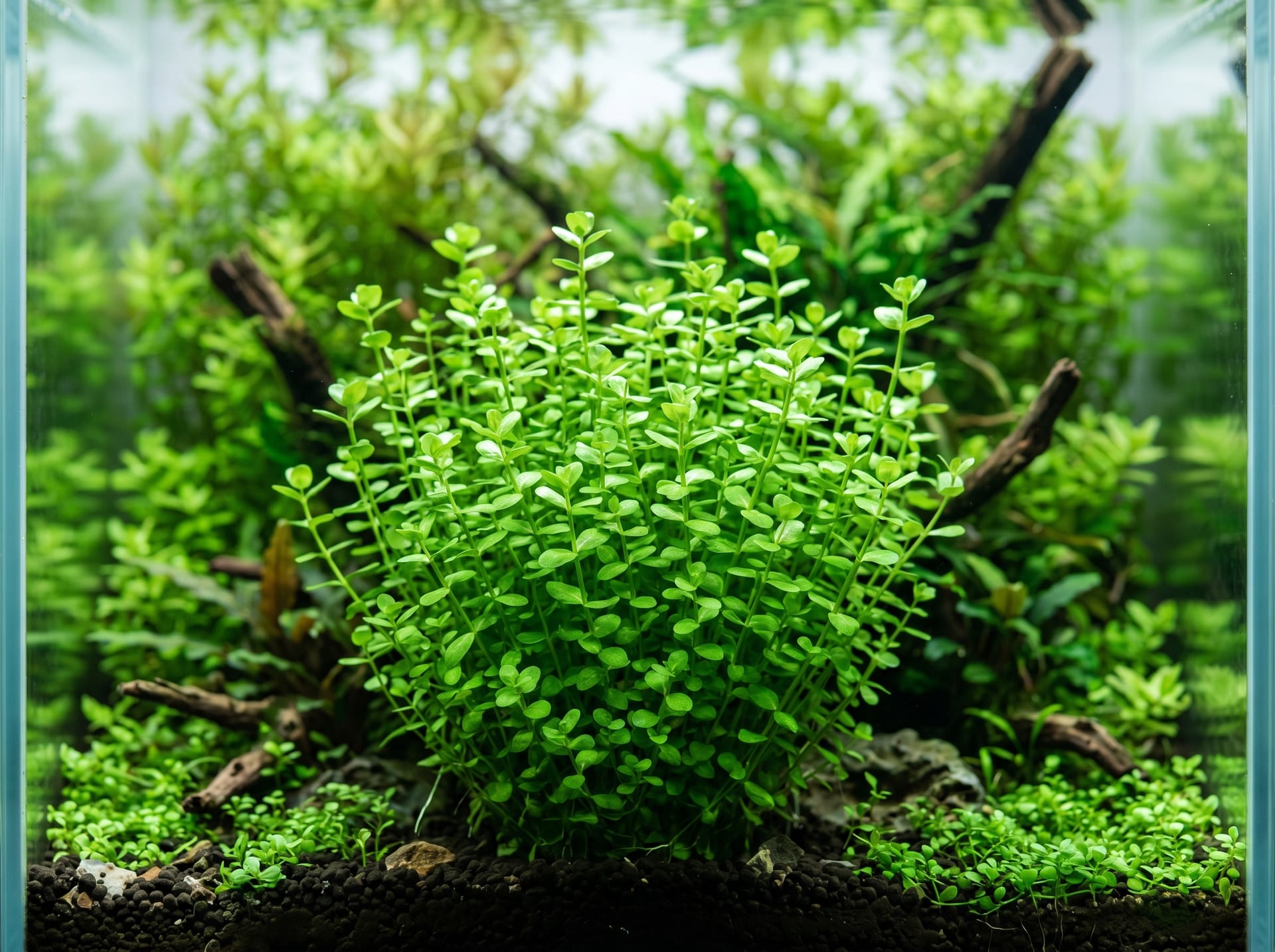
Pearl Grass
Micranthemum umbrosum
A stem plant with small round leaves strung like pearls. Used in mid to background planting. Produces beautiful bubbles in water. CO2 injection encourages lush growth.
Rotala rotundifolia 'H'ra'
Rotala rotundifolia 'H'ra'
A strain of Rotala rotundifolia with rather narrow leaves and overhanging or creeping stems. With strong light, good fertilisation and CO2 it grows almost entirely creeping and turns a warm orange, even forming an orange carpet.
Rotala sp. 'Nanjenshan'
Rotala sp. 'Nanjenshan'
A delicate stem plant with needle-fine leaves, only 0.5–1 mm wide, in whorls of three to six. It derives from plants found at a single site near Nanjenshan, Taiwan, and has not been identified to species. With enough light and iron its tips turn reddish.
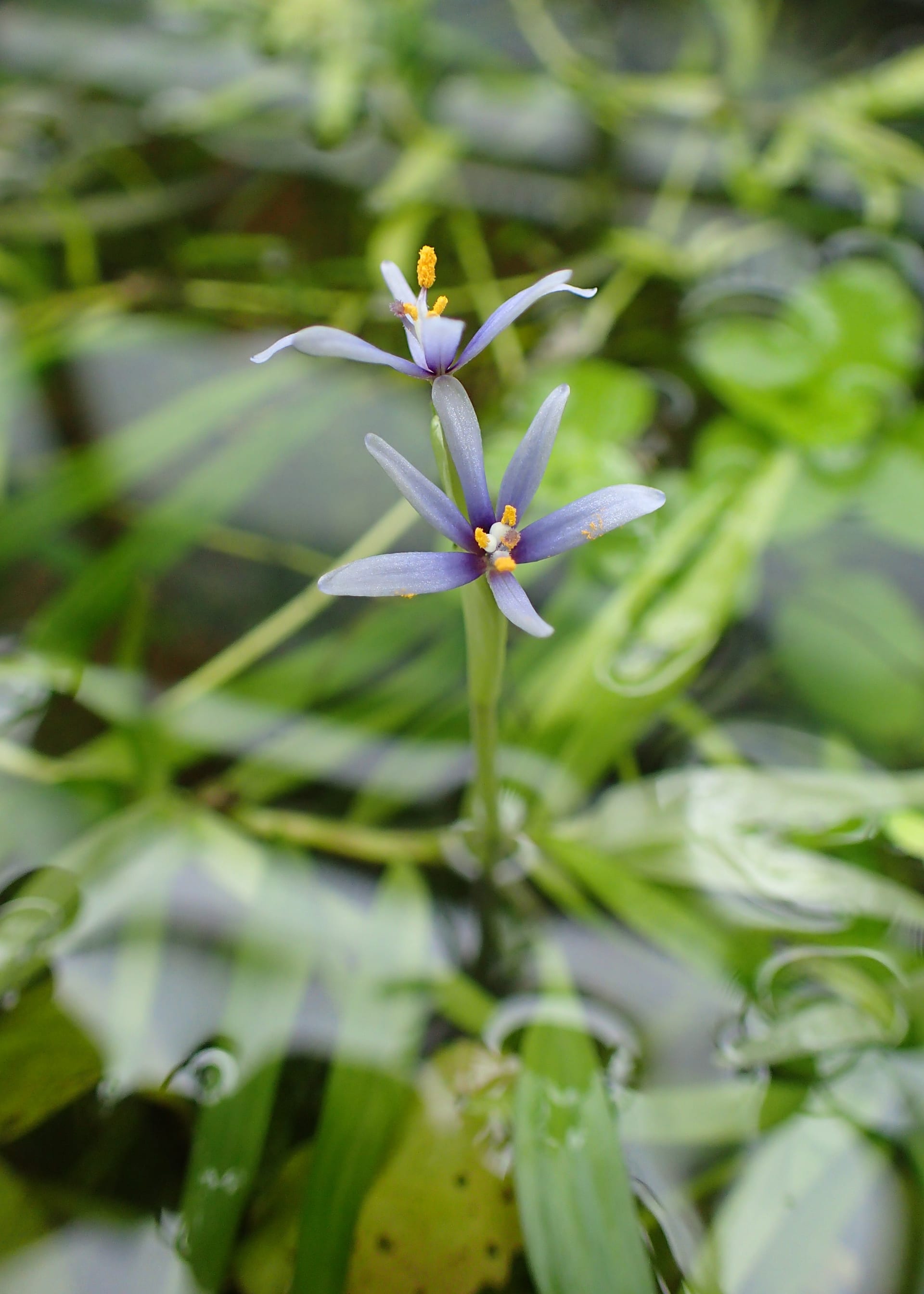 © Krzysztof Ziarnek, Kenraiz / CC BY-SA 4.0
Stargrass
Heteranthera zosterifolia
A Brazilian stem plant with narrow, bright green lanceolate leaves that branches freely into a bush. Easily trimmed to any height, it works from foreground to background, and shoots reaching the surface bear small blue flowers.
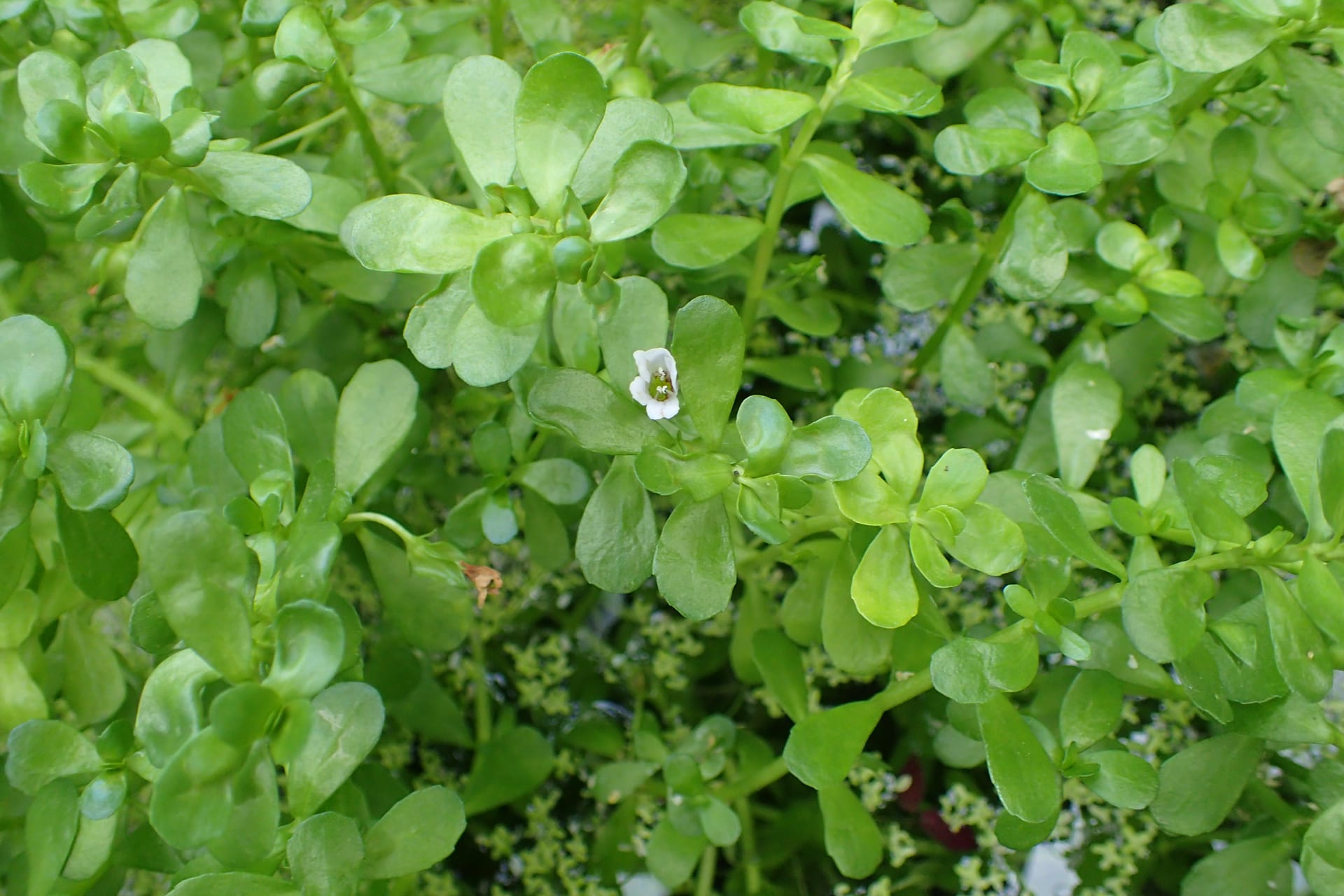 © Krzysztof Ziarnek, Kenraiz / CC BY-SA 4.0
Water hyssop
Bacopa monnieri
A tough, bright green stem plant (Japanese name Otomeazena) with small, thick leaves that widen toward the tip, in opposite pairs. A staple that tolerates almost any water and grows without CO2; emersed it bears pale pink to white flowers.
Related Content
Aquatic Plant FAQ
- How much do aquatic plants cost?
- Common Rotala and Anubias cost 300-1,000 yen, Bucephalandra 1,000-5,000 yen, and rare wild-collected specimens 5,000-20,000+ yen depending on species.
- Can beginners grow aquatic plants?
- Anubias Nana and Java Moss require no CO2 injection and grow in low light, making them ideal for beginners. Start with hardy shade-loving plants.
- What equipment is needed for aquatic plants?
- A tank, LED light, filter, and aqua soil are the basics. For advanced layouts, CO2 injection and high-performance lighting significantly improve growth and coloration.
- What should I check when buying aquatic plants?
- Ensure leaves are green and healthy, not melting or dying, and free of snails or pests. Tissue-cultured cups are pest-free and reliable.
- Why do aquatic plants die?
- Insufficient light, CO2, or nutrients are the main causes. Each species has different requirements, so matching the environment to your specific plants is essential.