Aquatic Plant Encyclopedia
Encyclopedia of popular aquatic plants with care guides, traits, and aquascaping tips.
Showing 40 of 127 species(1–24)
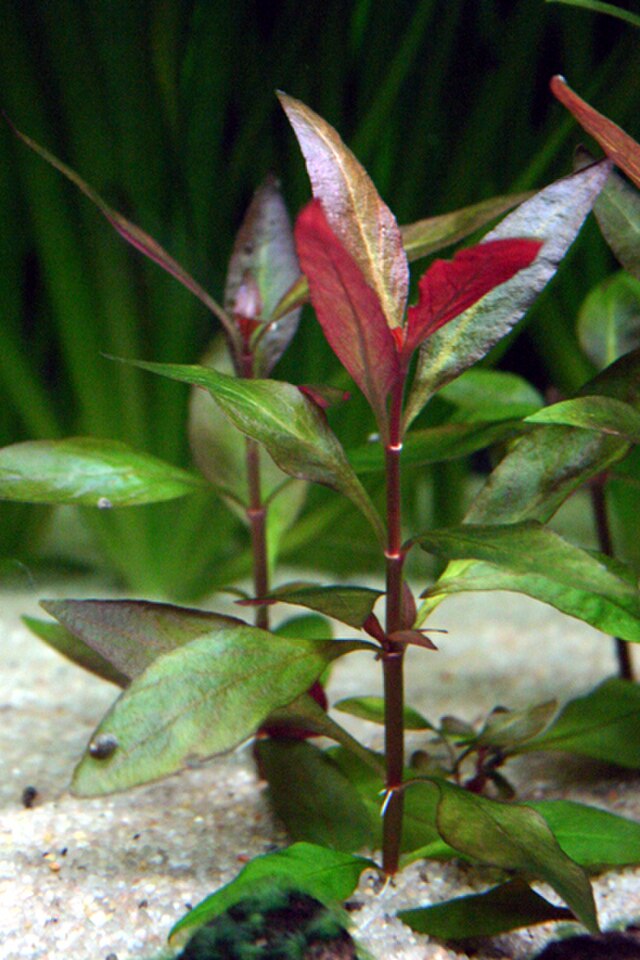 © No machine-readable author provided. Rchampagne assumed (based on copyright claims). / Public domain
Alternanthera Reineckii
Alternanthera reineckii
A stem plant coloring deep red to pink. Creates vivid accent color among green aquatic plants.
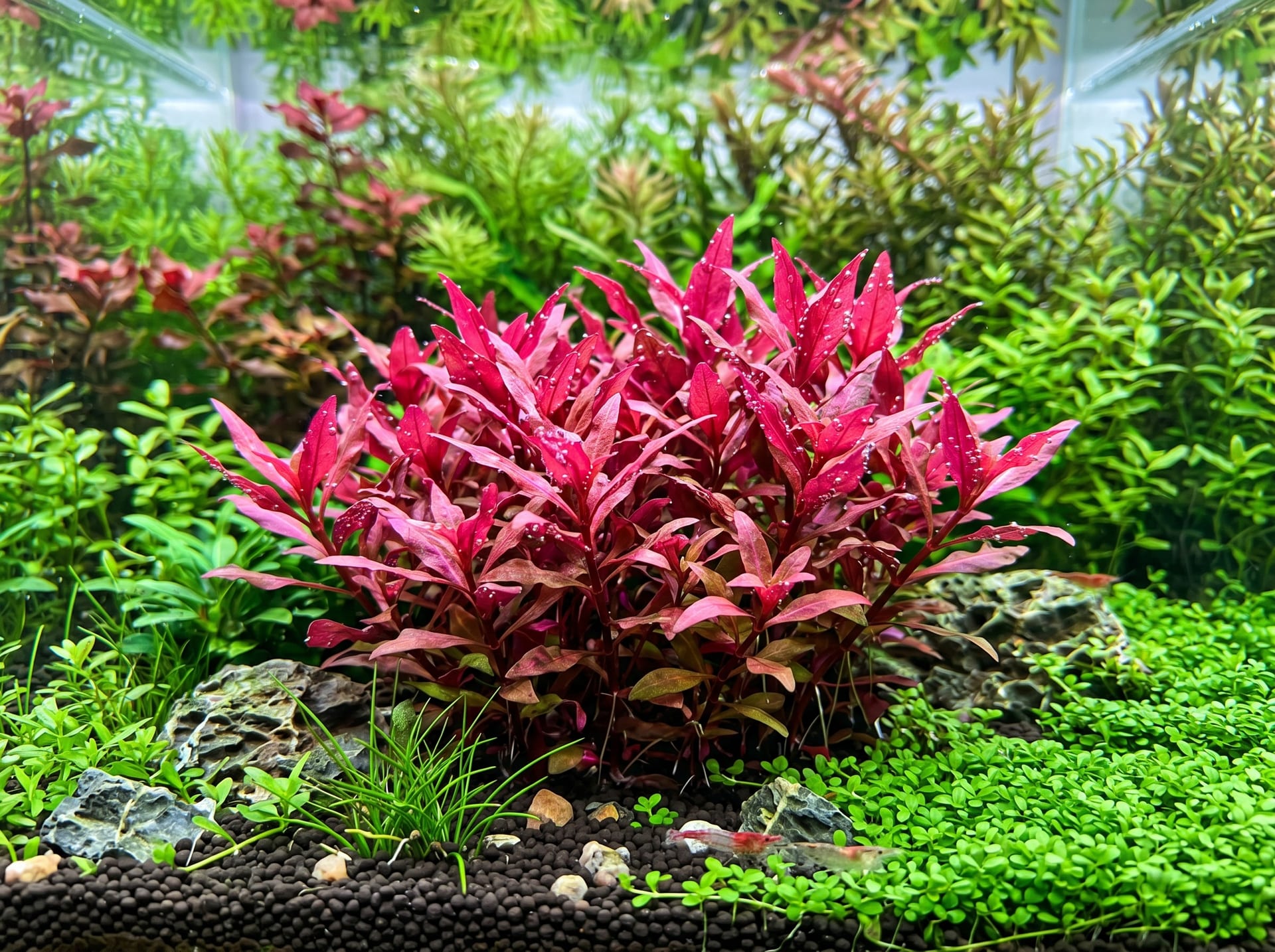
Alternanthera Reineckii Mini
Alternanthera reineckii 'Mini'
A compact red aquatic plant perfect for foreground to midground accent color.
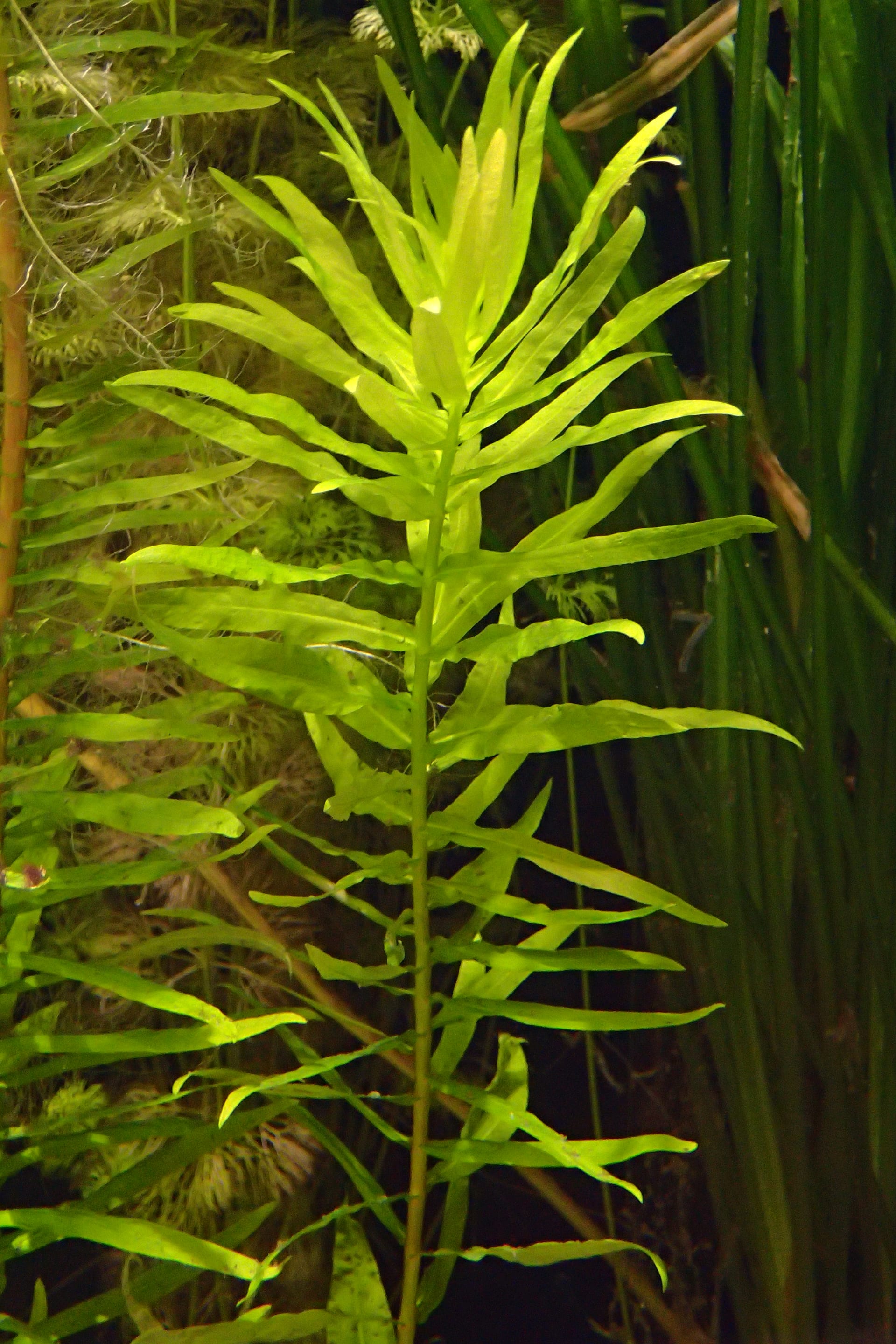 © Krzysztof Ziarnek, Kenraiz / CC BY-SA 4.0
Ammannia gracilis
Ammannia gracilis
A large stem plant with long, narrow opposite leaves that turn a cognac-red in strong light. Reaching 20–50 cm tall and 12–20 cm wide, it makes a bold statement in the mid- or background of tanks of 76 litres or more.
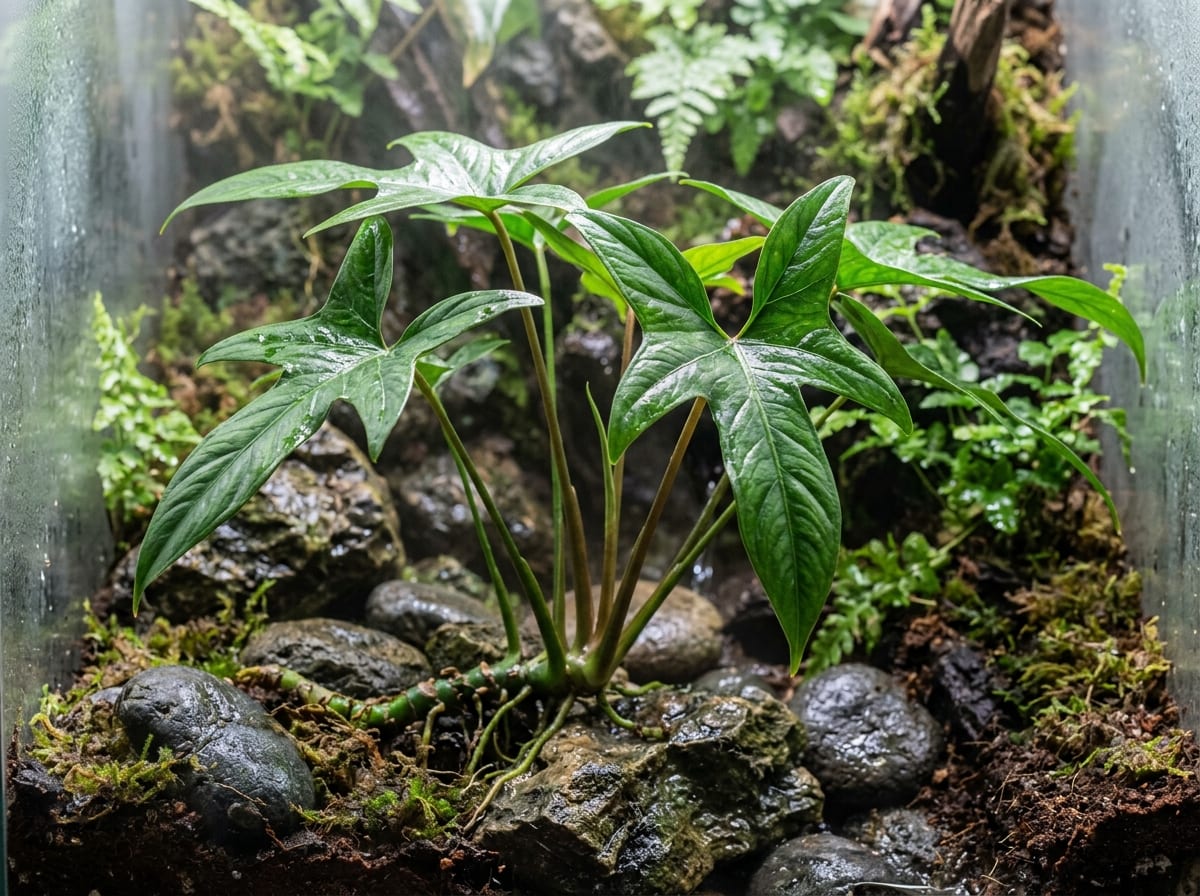
Anubias hastifolia
Anubias hastifolia
A large Anubias with hastate to almost three-lobed leaves. It is considered poorly adapted to permanent submersion and does better grown emersed in a spacious paludarium than in an aquarium.
 © Wigoelbar / CC BY-SA 3.0
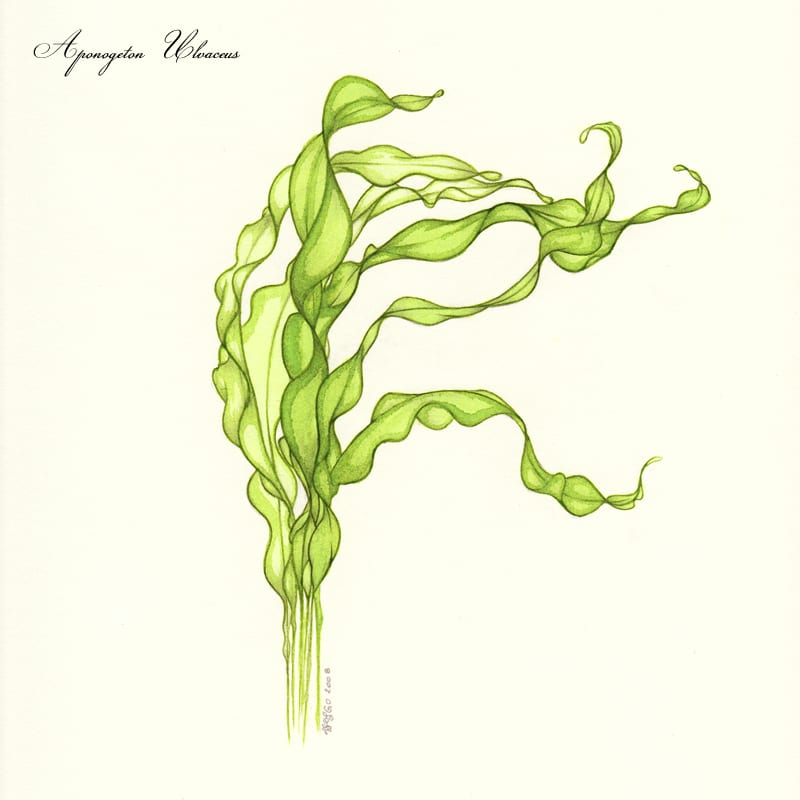
Aponogeton ulvaceus
Aponogeton ulvaceus
A bulb plant from Madagascar that unfurls more than 40 translucent, pale green leaves with strongly waved margins. A single plant spreads about 50 cm wide, so it makes a centrepiece for large tanks. Some forms need a dormant period.
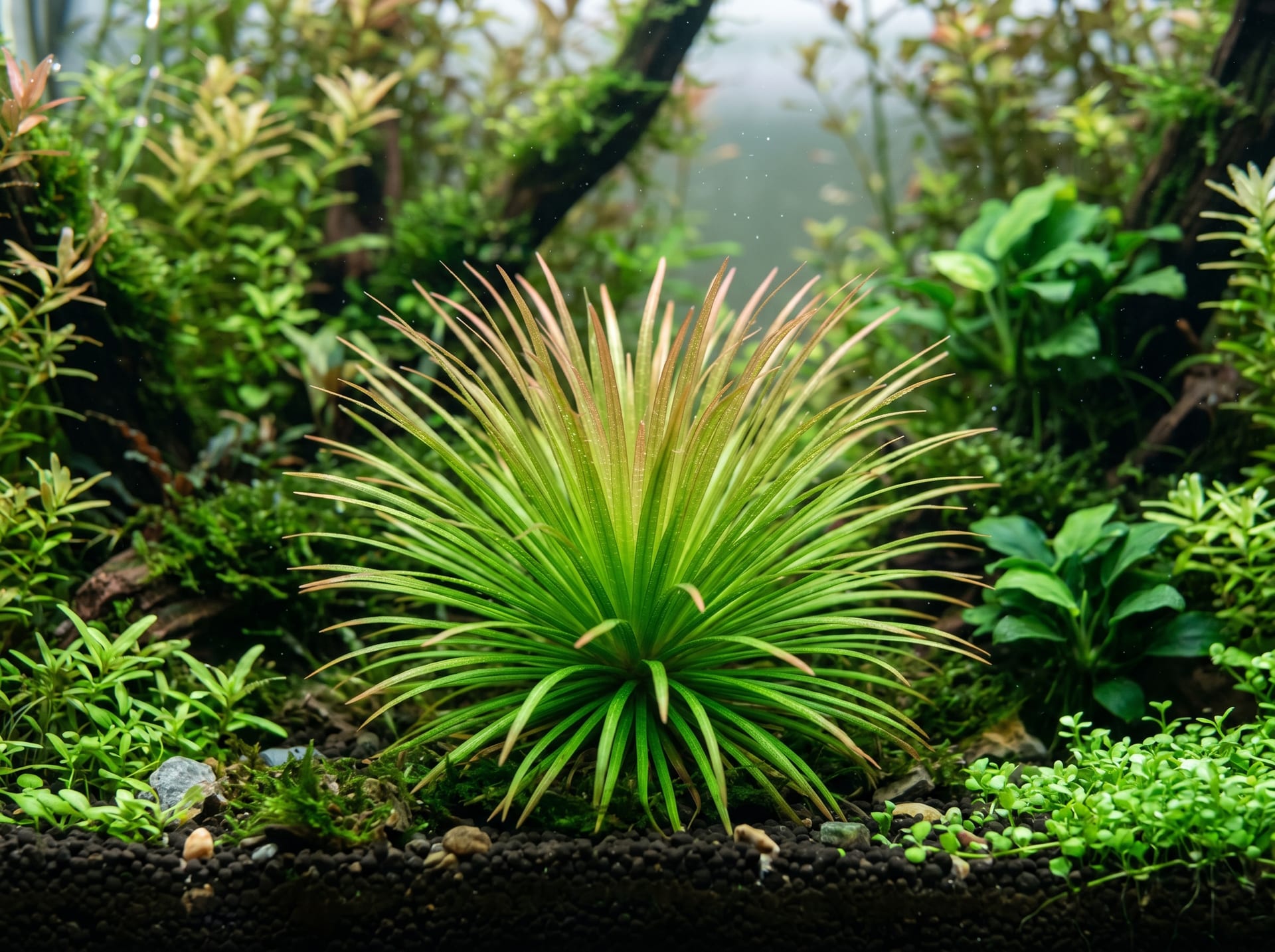
Blyxa japonica
Blyxa japonica
Beautiful rosette plant native to Japan. Thin leaves spread radially, adding movement to midground layouts. Takes on reddish hue with CO2 — very attractive.
 © Krzysztof Ziarnek, Kenraiz / CC BY-SA 4.0
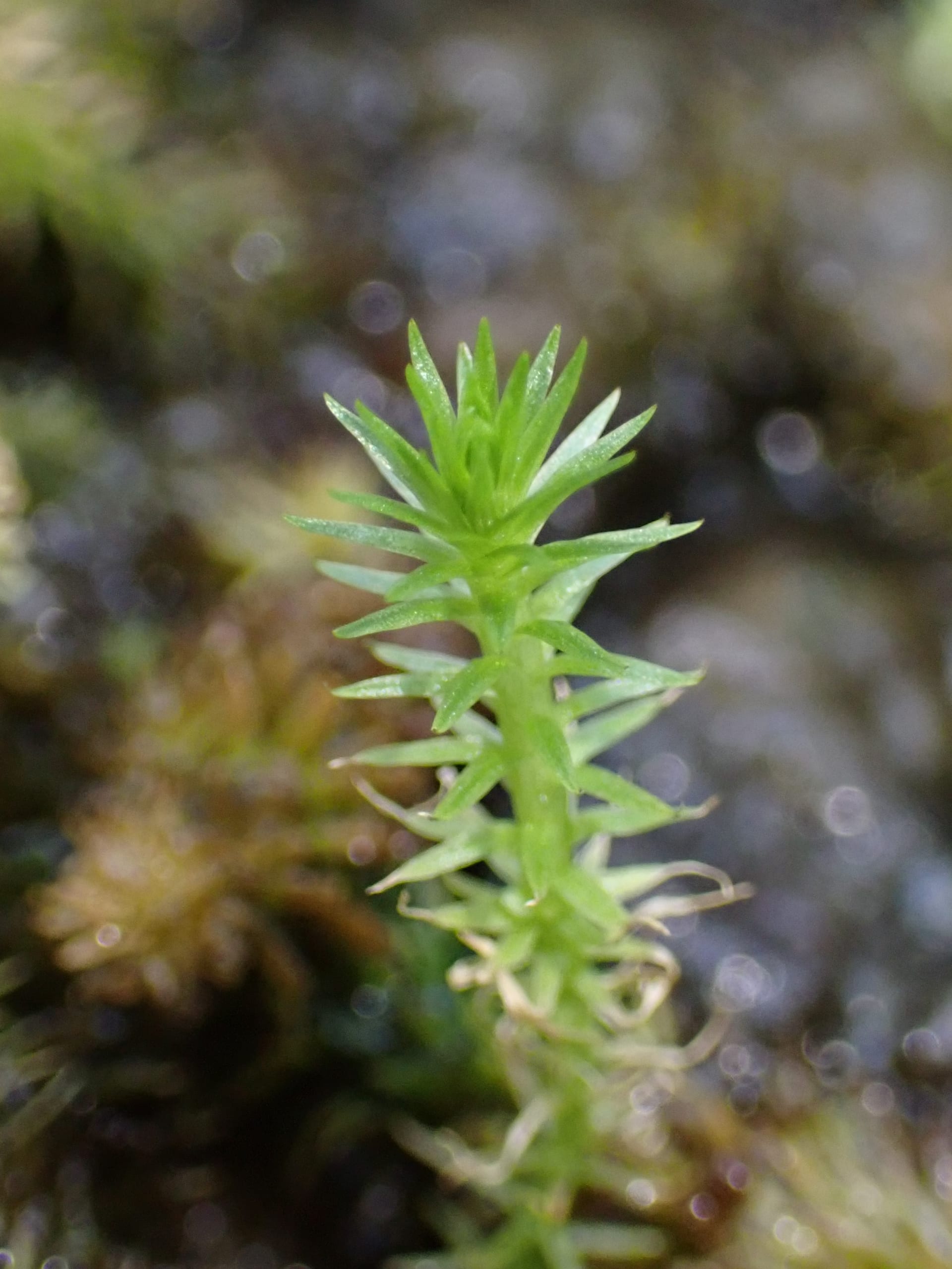
Bog moss
Mayaca fluviatilis
A moss-like stem plant with very narrow, bright green leaves set spirally and densely on soft, pale stems. It ranges from the south-eastern United States to South America, and its tips quickly turn pale when iron runs short.
 © Daderot / Public domain
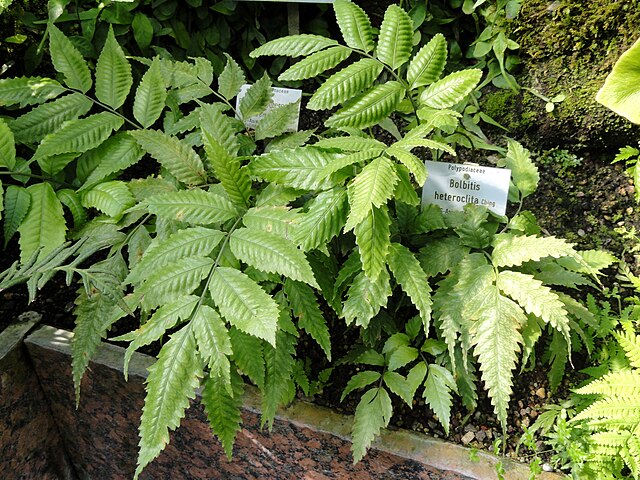
Bolbitis
Bolbitis heudelotii
Fern with beautiful deeply lobed dark green leaves. Epiphytic, attached to driftwood. Creates mature, refined aquascape.
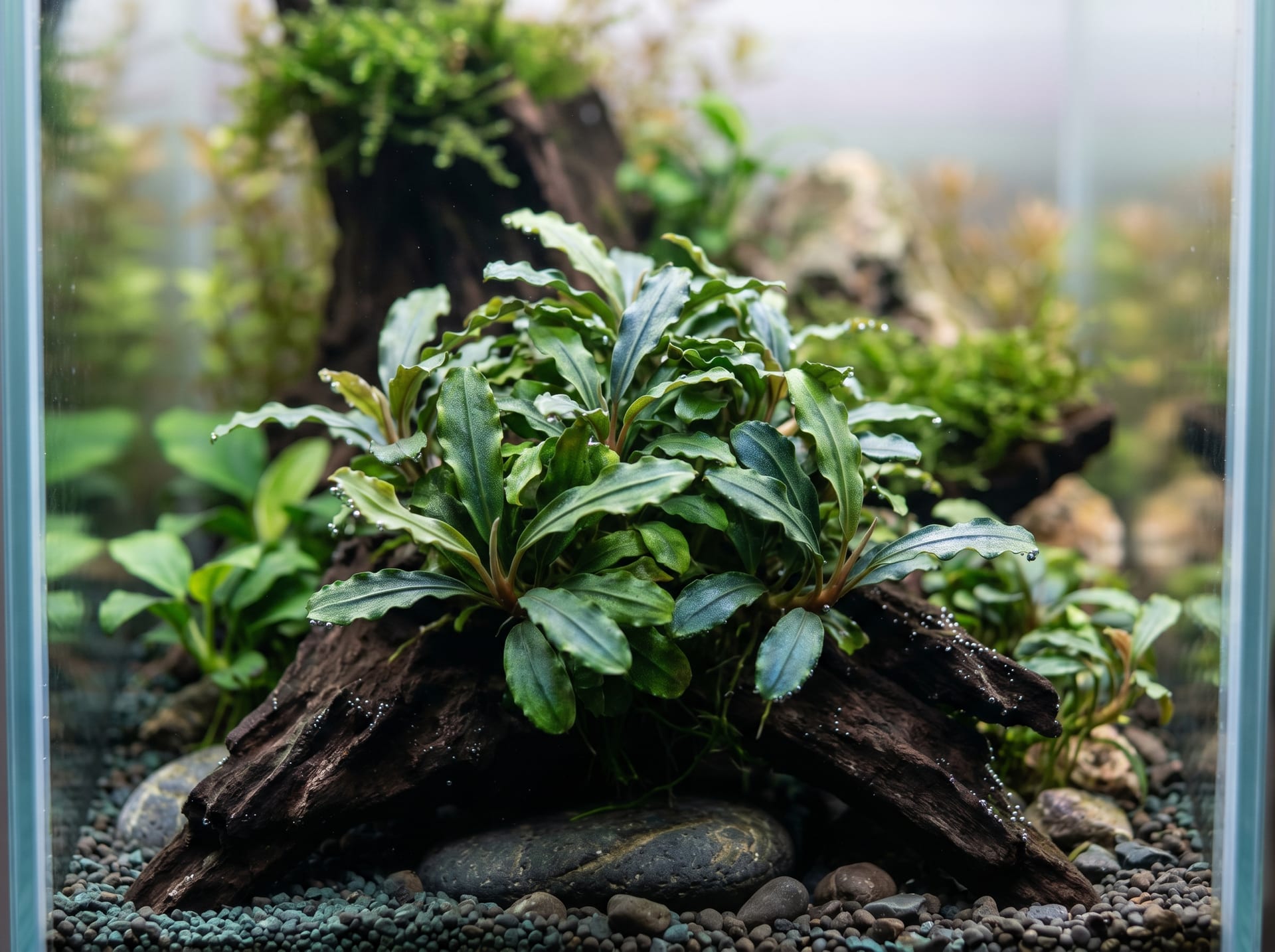
Bucephalandra
Bucephalandra
Epiphytic plant endemic to Borneo. Unique texture and iridescent leaves popular with collectors. Slow but hardy.
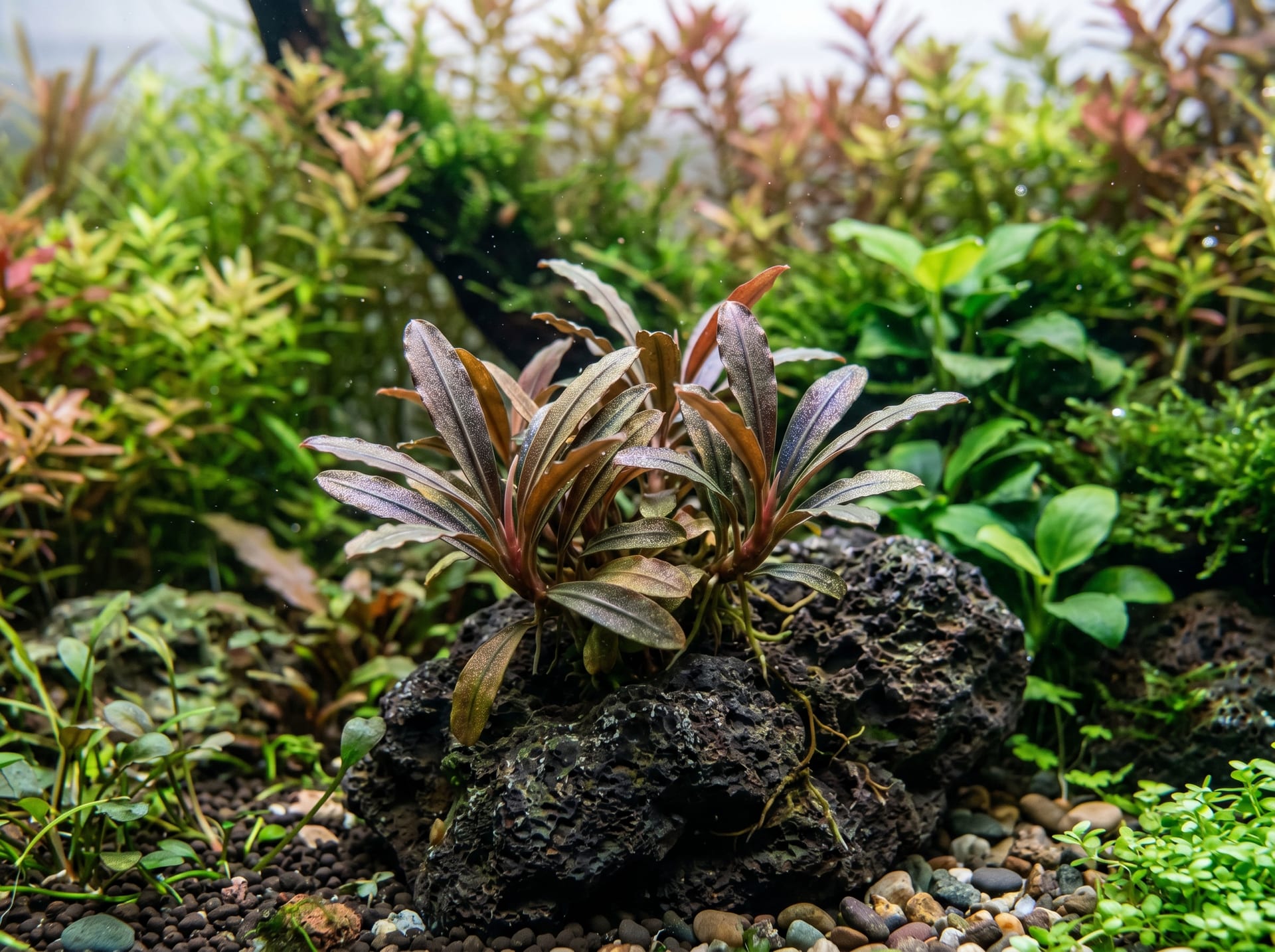
Bucephalandra 'Brownie Ghost'
Bucephalandra sp. 'Brownie Ghost'
A popular Bucephalandra variety with ghostly translucent leaves. Epiphytic, attached to driftwood or rocks. Very slow-growing but the unique iridescence is prized by collectors.
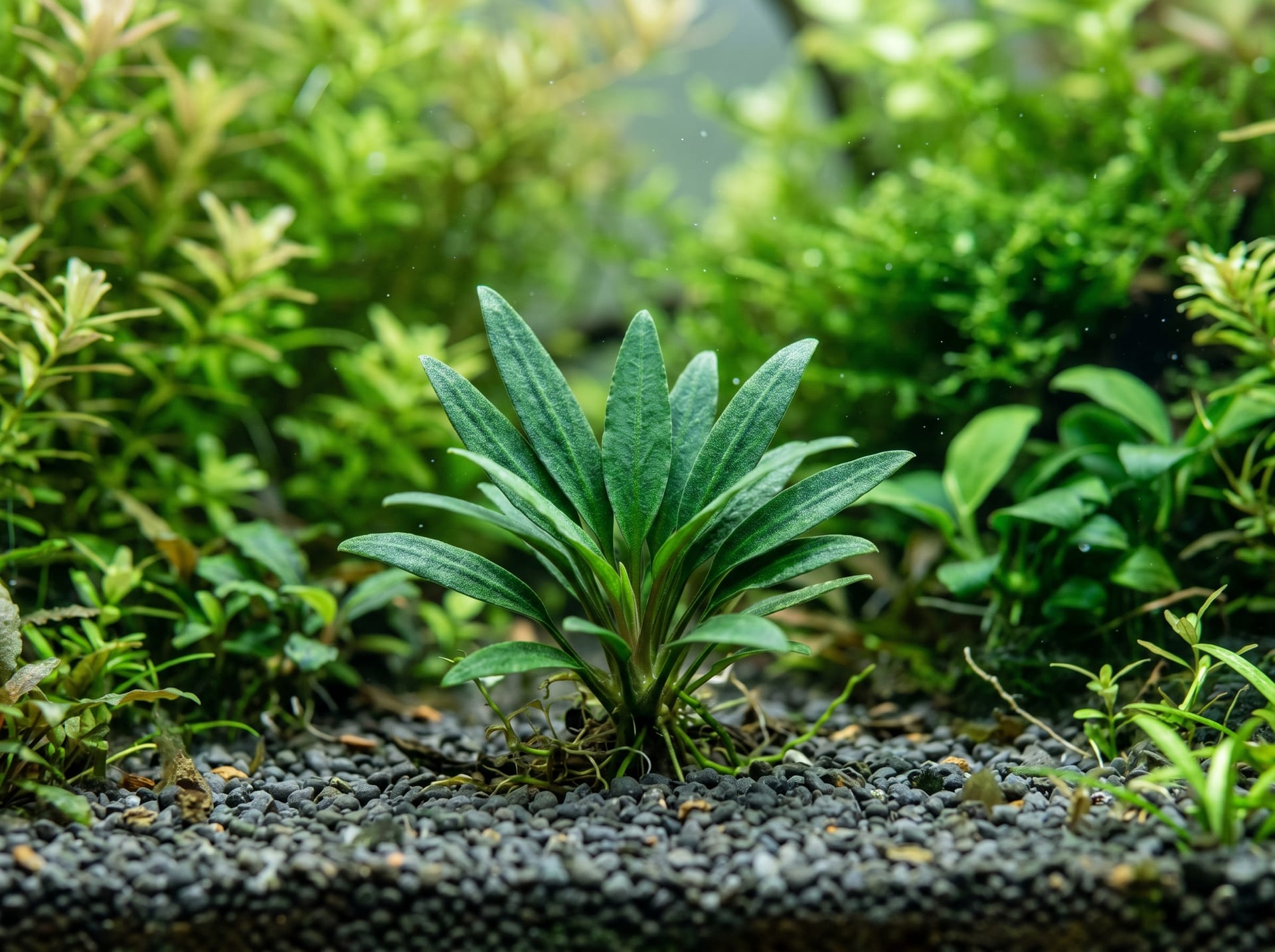
Cryptocoryne parva
Cryptocoryne parva
The smallest Cryptocoryne species. Used as a foreground plant, growing very slowly. Once established it is hardy and easy to maintain. Grows without CO2, but needs more light than other Cryptocoryne species.
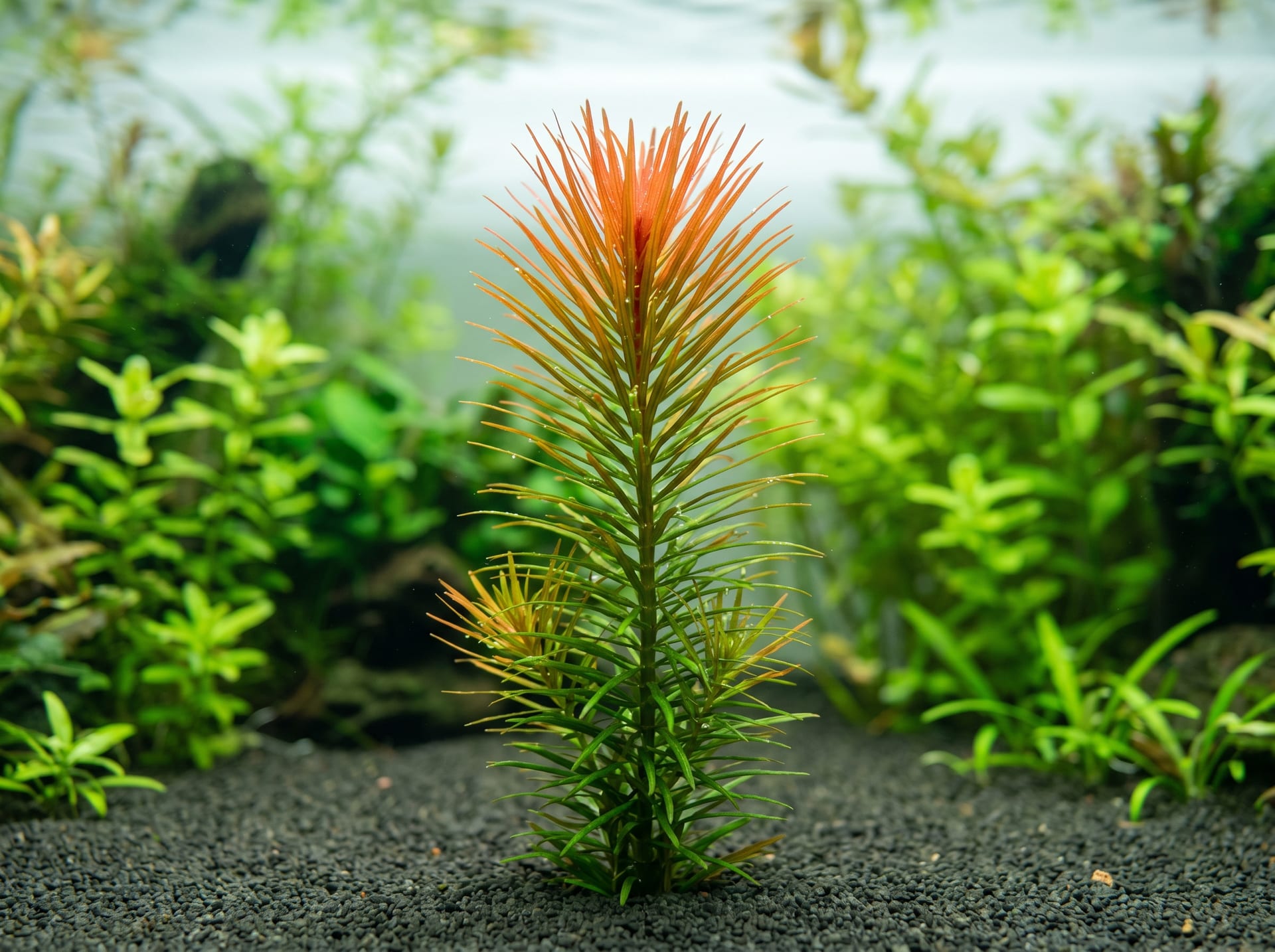
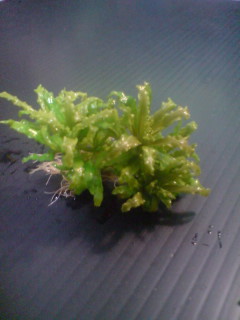
Didiplis diandra
Didiplis diandra
Small North American stem plant. Tiny opposite leaves grow densely, turning red-orange under high light. Somewhat slow growth, ideal for midground. Hardy despite delicate appearance.
 © No machine-readable author provided. S.Tanaka~commonswiki assumed (based on copyright claims). / Public domain
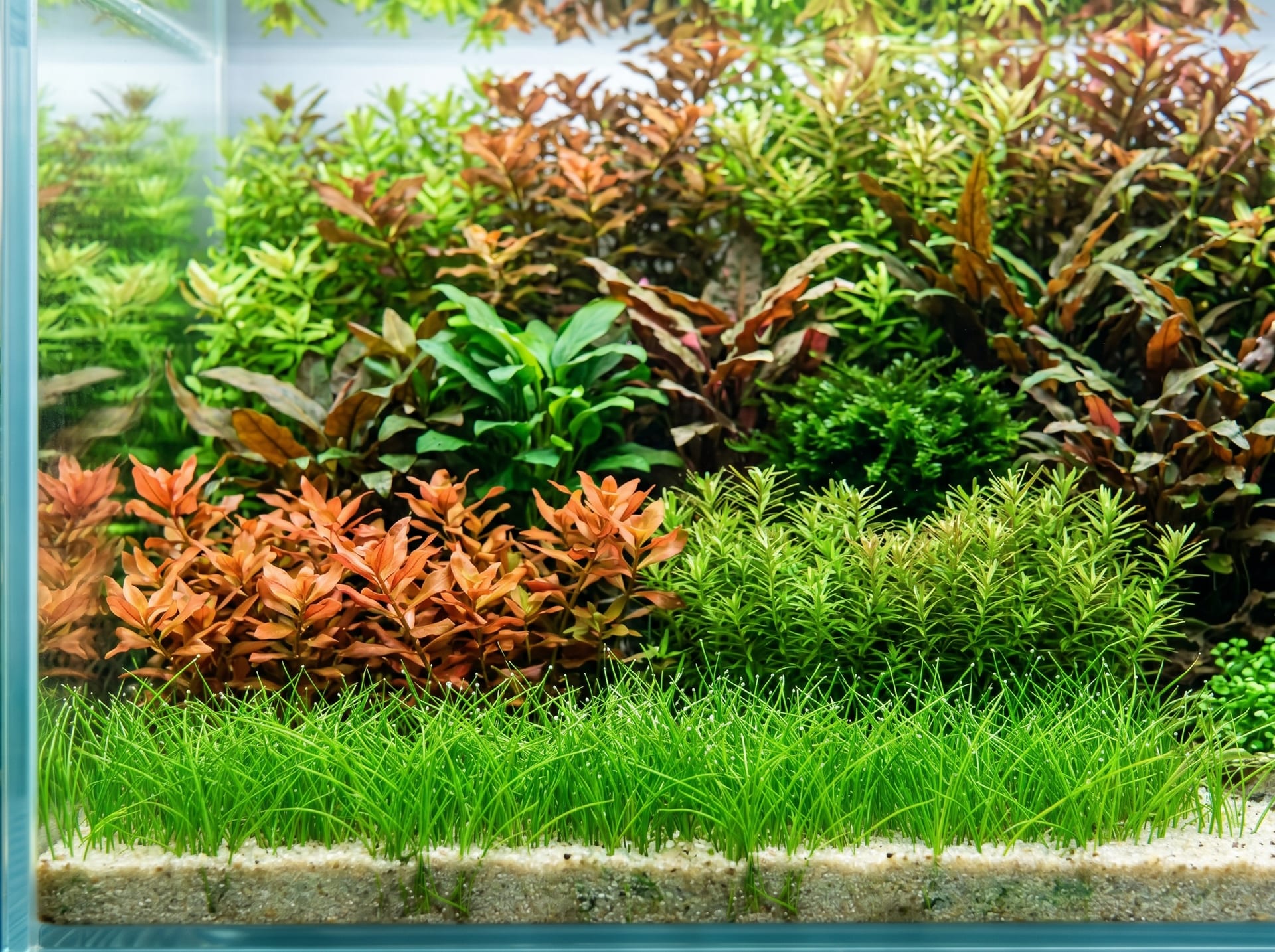
Downoi
Pogostemon helferi
A beautiful foreground-midground plant with star-shaped wavy leaves. A unique aquatic plant distributed from eastern India to Thailand.
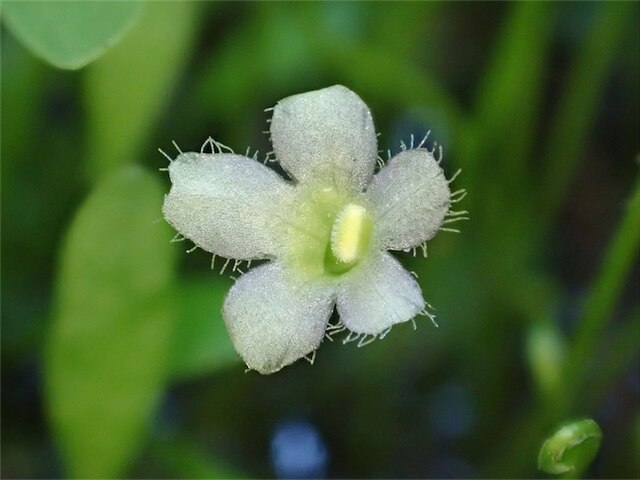
Dwarf Hairgrass
Eleocharis parvula
A foreground plant with fine thread-like leaves spreading as a carpet. Propagates by runners across wide areas. Creates beautiful green carpet with CO2 and adequate light. Grows well in sandy substrates.
 © Murray Fagg / CC BY-SA 3.0
Glossostigma
Glossostigma elatinoides
The most popular foreground plant in aquascaping. Forms a lush green carpet by creeping along the substrate. Requires CO2 and strong light but grows explosively under optimal conditions. A Nature Aquarium staple.
 © Kristian Peters -- Fabelfroh 07:18, 1 July 2007 (UTC) / CC BY-SA 3.0
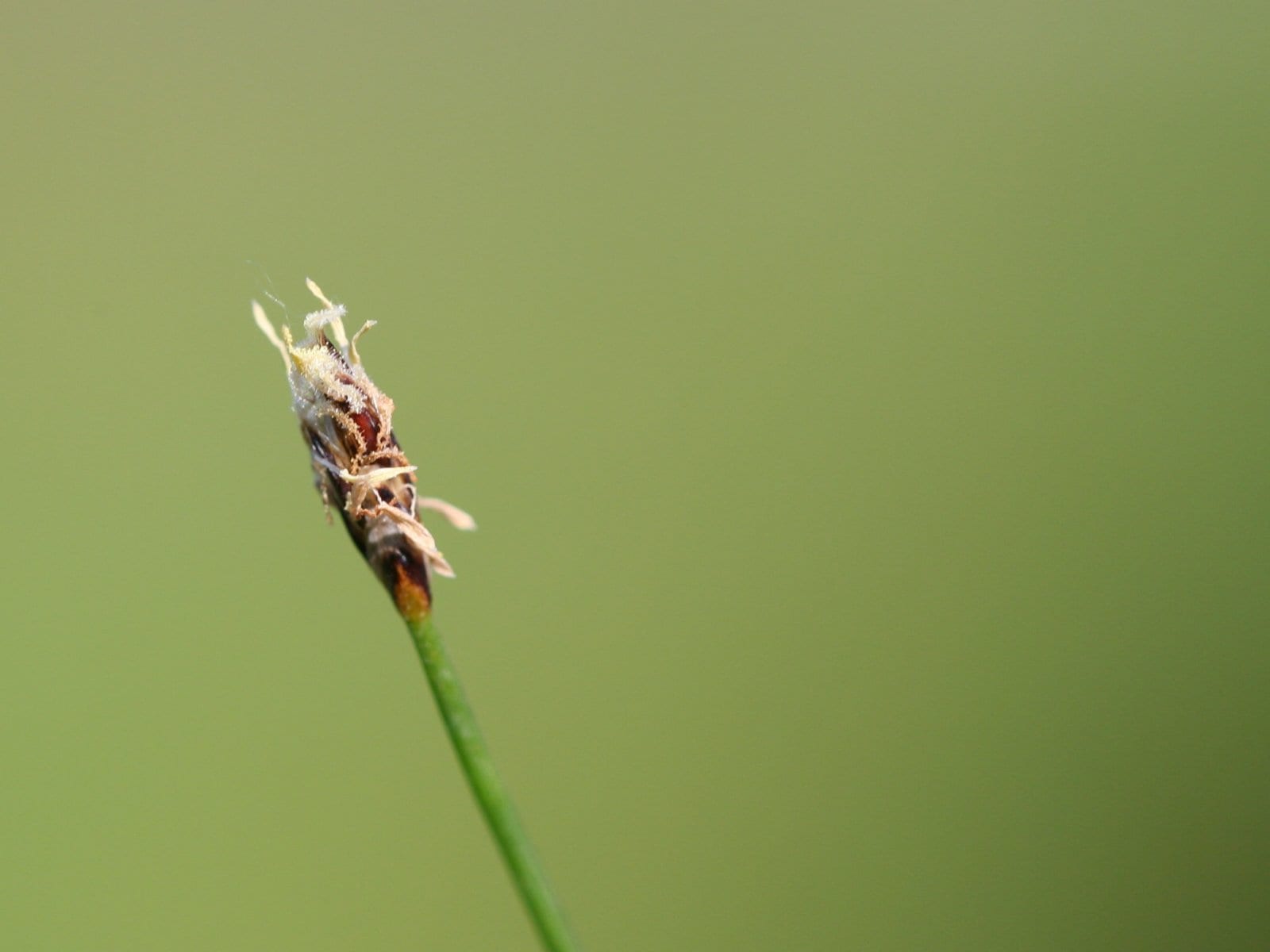
Hairgrass
Eleocharis acicularis
A foreground plant with thin thread-like leaves spreading like a meadow. Spreads by runners creating natural aquascapes.
Hygrophila lancea 'Araguaia'
Hygrophila lancea 'Araguaia'
A small Hygrophila with very narrow, linear red-brown leaves and a conspicuous pale midrib. Under strong light it branches into a low, creeping bush. Named after a Brazilian river, it is actually thought to be an Asian species.
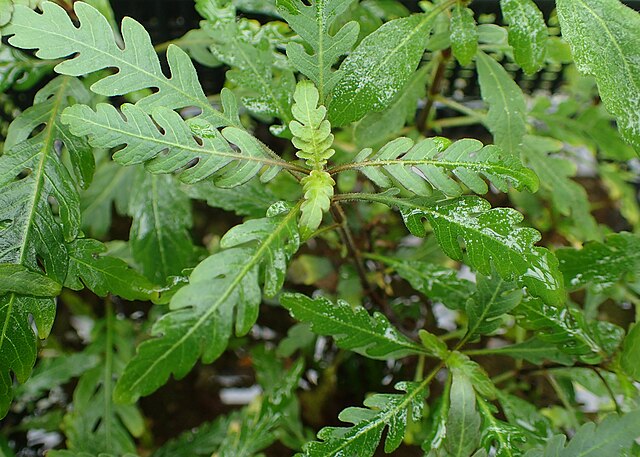
Hygrophila Pinnatifida
Hygrophila pinnatifida
A stem plant with deeply cut unique leaves. Has unusual ability to attach to rocks and driftwood.
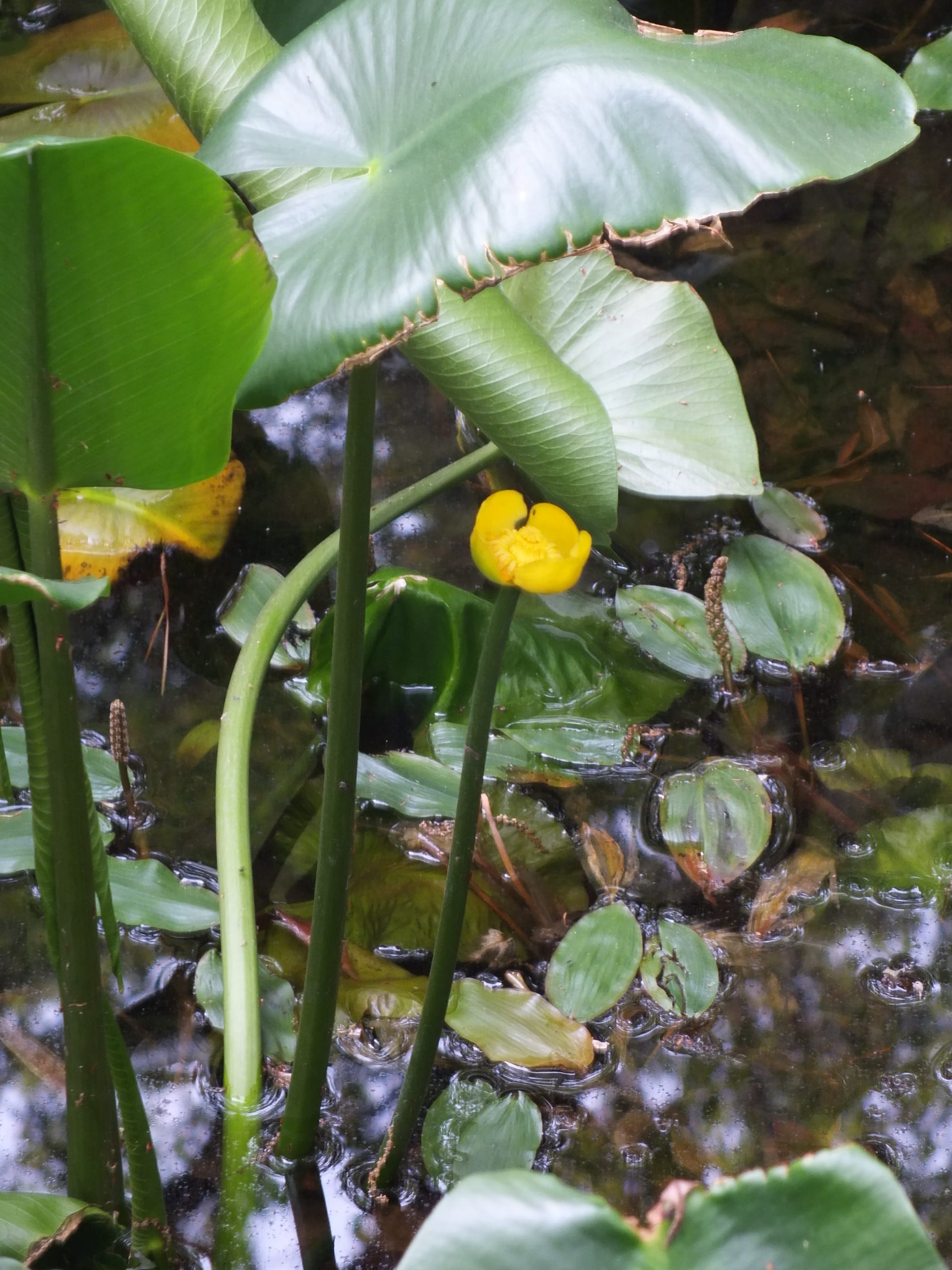 © 松岡明芳 / CC BY-SA 3.0
Japanese pond lily
Nuphar japonica
A Japanese aquatic plant that raises thick, arrow-shaped leaves above the water and bears yellow cup-shaped flowers in summer. Its name ('river bone') comes from the thick white rhizome. It has declined widely and is red-listed in many prefectures.
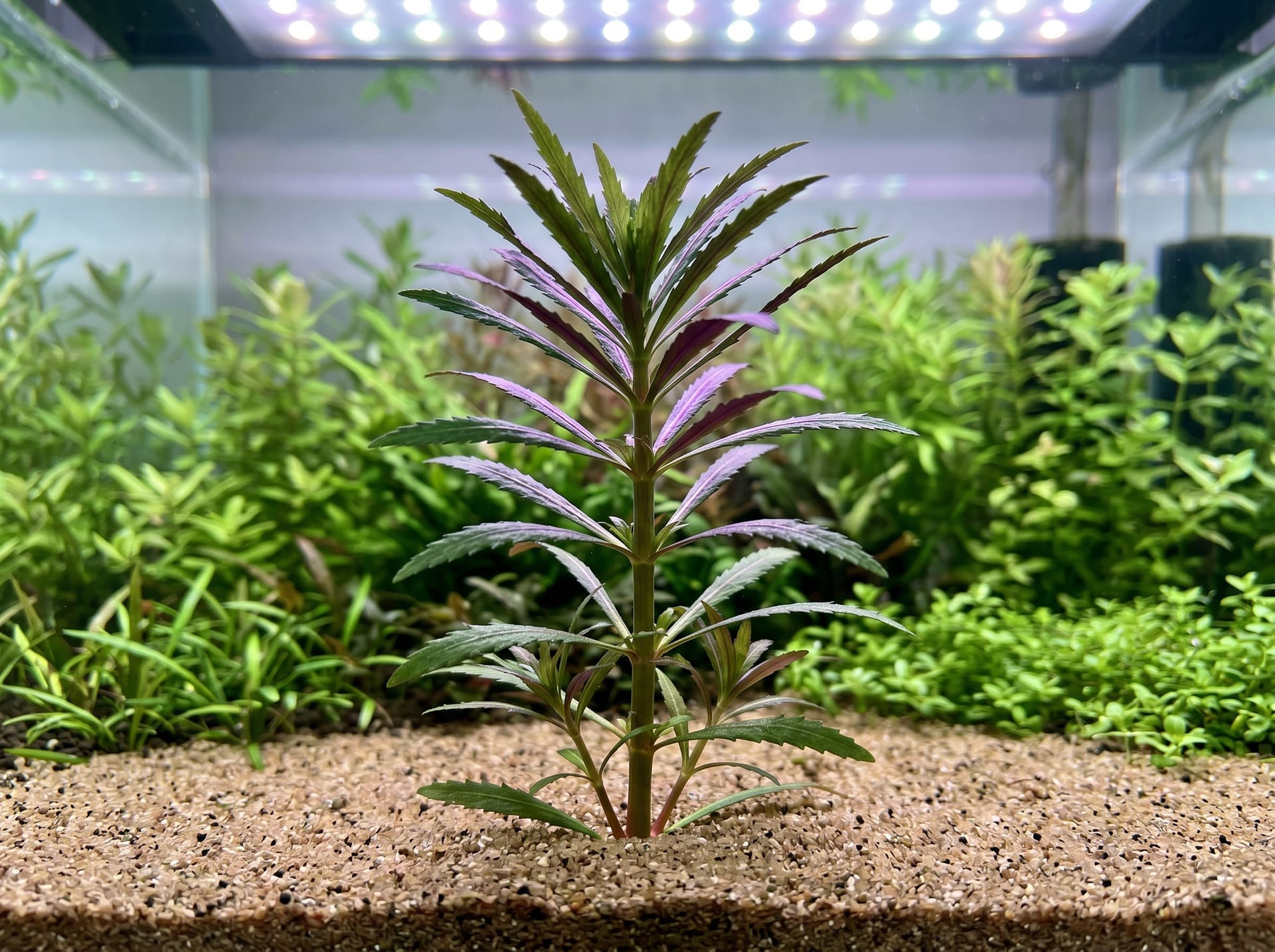
Limnophila Hippuridoides
Limnophila hippuridoides
A beautiful stem plant from Southeast Asia with purple-tinted leaves. CO2 enhances vivid purple coloration.
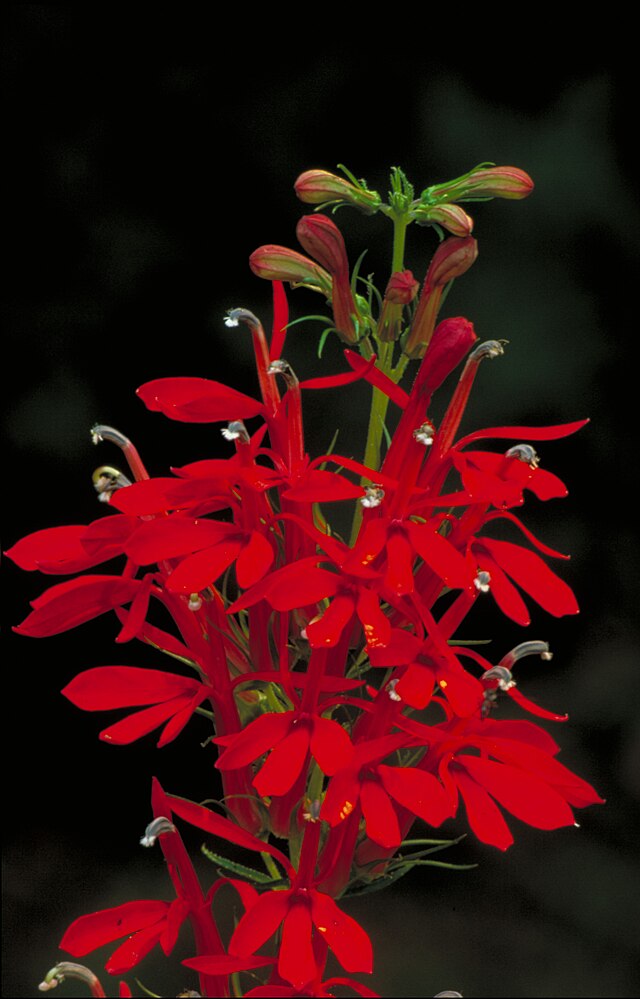 © Barnes, Dr. Thomas G. / Public domain
Lobelia Cardinalis
Lobelia cardinalis
A stem plant with bright green underwater and red flowers above. Interesting difference between submersed and emersed forms.
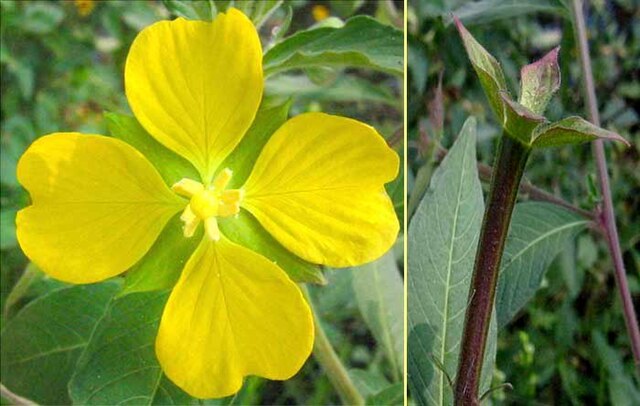 © Jim Conrad / Public domain
Ludwigia
Ludwigia
Entry-level red aquatic plant. Red coloring depends on light and CO2. Repens and Super Red are popular varieties.
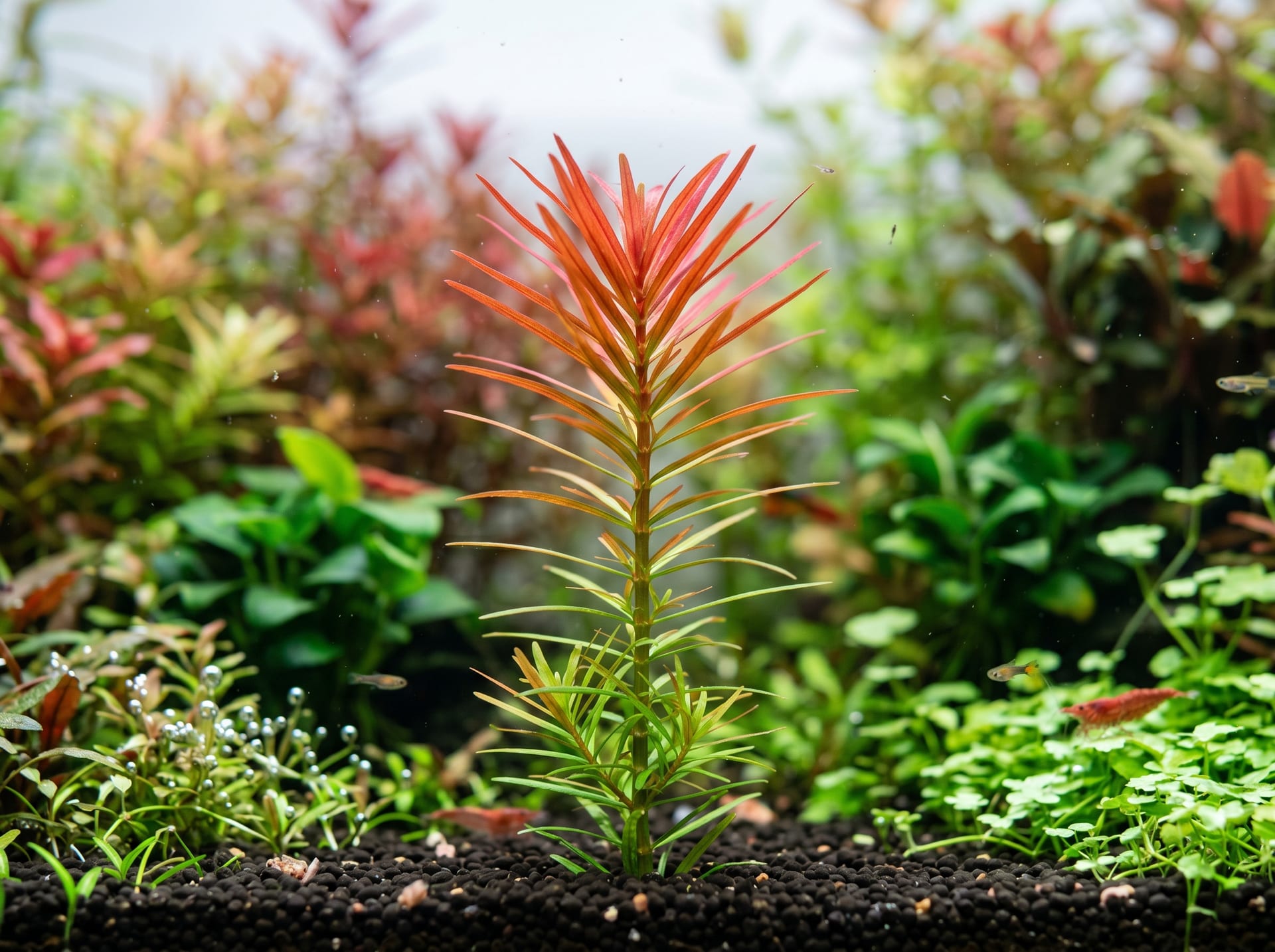
Ludwigia arcuata
Ludwigia arcuata
North American stem plant with distinctive narrow needle-like leaves. Turns vivid orange to red under high light. Delicate appearance but surprisingly hardy.
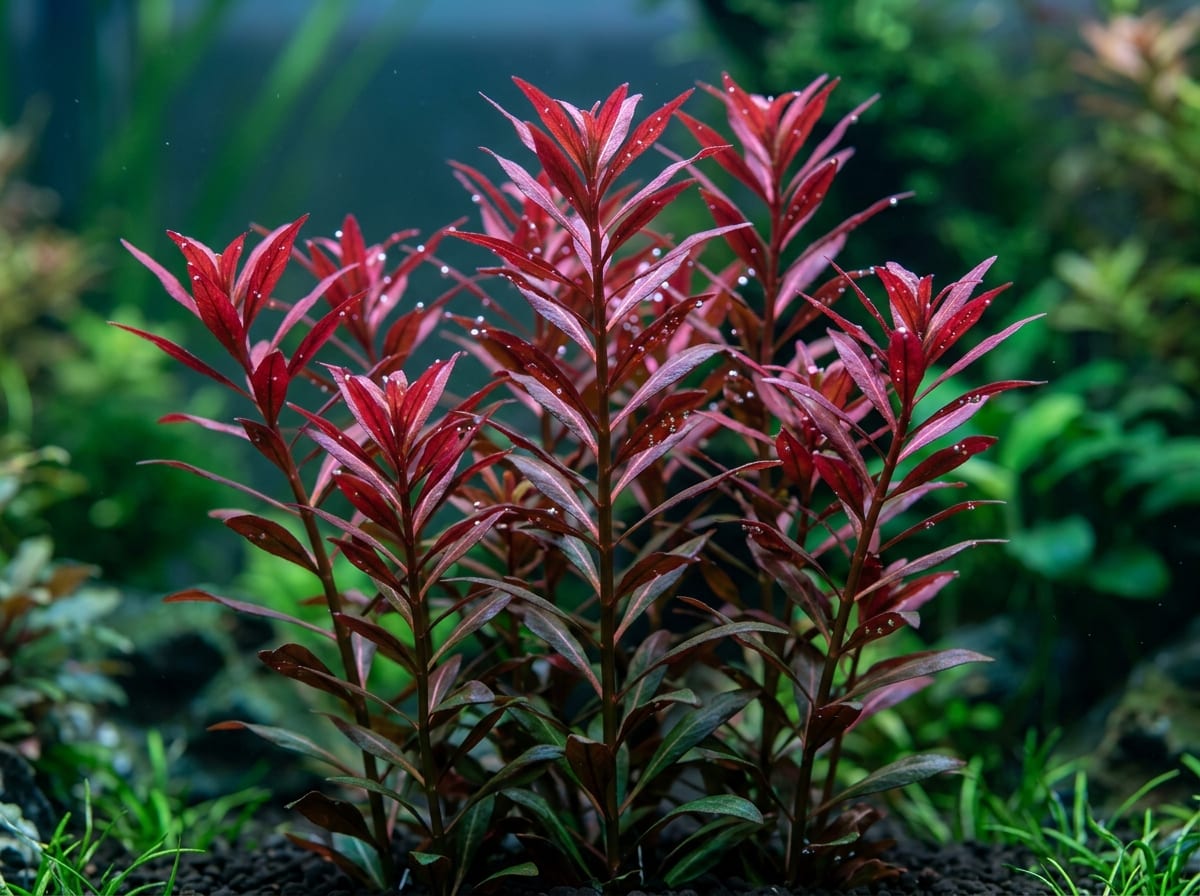
Ludwigia glandulosa
Ludwigia glandulosa
A North American stem plant whose leaves turn vivid wine-red to red-purple under strong light. Submerged stems grow strictly upright with little branching; in insufficient light it turns green and drops its lower leaves.
Related Content
Aquatic Plant FAQ
- How much do aquatic plants cost?
- Common Rotala and Anubias cost 300-1,000 yen, Bucephalandra 1,000-5,000 yen, and rare wild-collected specimens 5,000-20,000+ yen depending on species.
- Can beginners grow aquatic plants?
- Anubias Nana and Java Moss require no CO2 injection and grow in low light, making them ideal for beginners. Start with hardy shade-loving plants.
- What equipment is needed for aquatic plants?
- A tank, LED light, filter, and aqua soil are the basics. For advanced layouts, CO2 injection and high-performance lighting significantly improve growth and coloration.
- What should I check when buying aquatic plants?
- Ensure leaves are green and healthy, not melting or dying, and free of snails or pests. Tissue-cultured cups are pest-free and reliable.
- Why do aquatic plants die?
- Insufficient light, CO2, or nutrients are the main causes. Each species has different requirements, so matching the environment to your specific plants is essential.