Camellia Bonsai Growing Guide — Enjoying Flowering Bonsai
From the appeal of Camellia (Camellia japonica) bonsai to placement, watering, soil and repotting, fertilizing, pruning and flower bud formation, pest control, and tree shaping, this guide explains the practical management points unique to flowering bonsai.
Key Takeaways
From the appeal of Camellia (Camellia japonica) bonsai to placement, watering, soil and repotting, fertilizing, pruning and flower bud formation, pest control, and tree shaping, this guide explains the practical management points unique to flowering bonsai.
Related Species
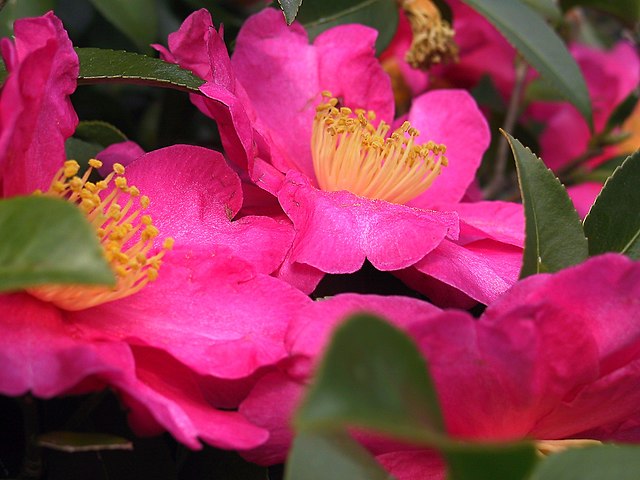
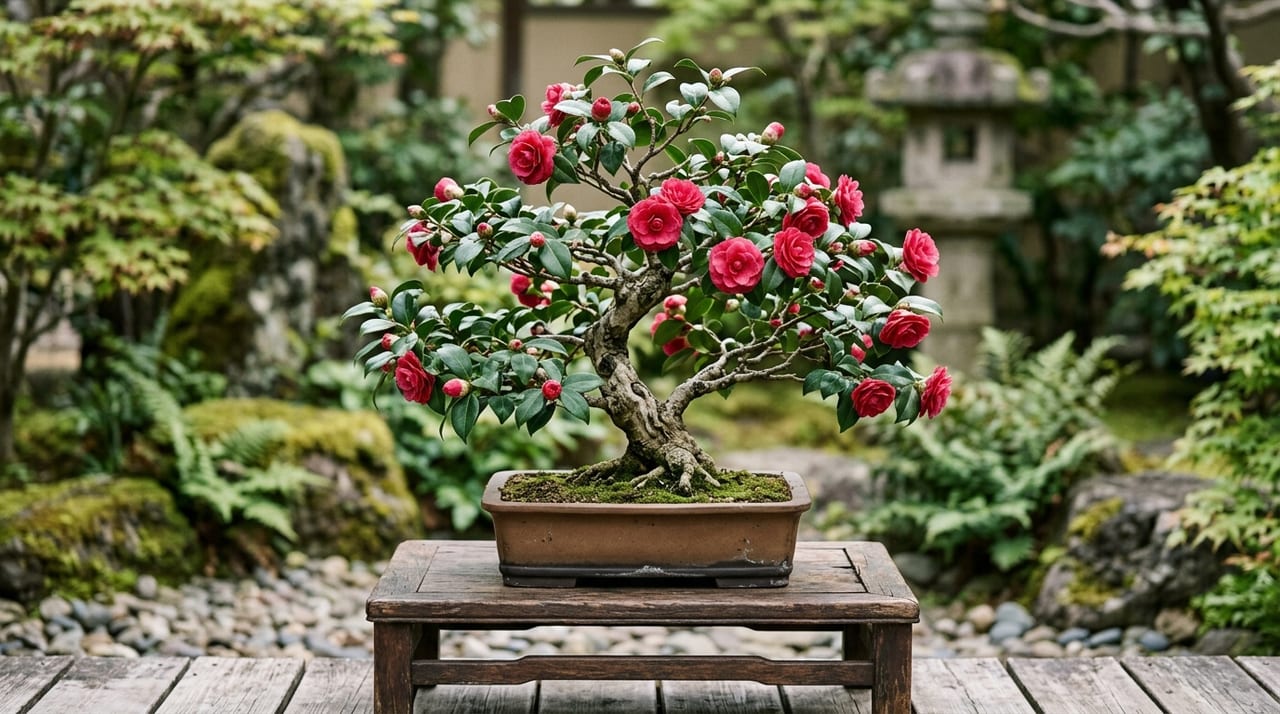
Camellia (Camellia japonica, scientific name) is a prime example of flowering bonsai that allows you to enjoy both glossy dark green foliage and showy flowers that bloom from winter through spring. While pine and cypress bonsai feature the branching structure and trunk character as the main attraction, the true pleasure of Camellia bonsai lies in the waiting itself for the flowers to appear. This article covers the essential basic care and common pitfalls when growing Camellia as a bonsai.
The Appeal of Camellia as a Flowering Bonsai
- Variety in flower form and color: With numerous cultivars available, there is great diversity not only in flower forms—single, semi-double, and double blooms—but also in flower colors ranging from crimson, white, and pink to variegated patterns
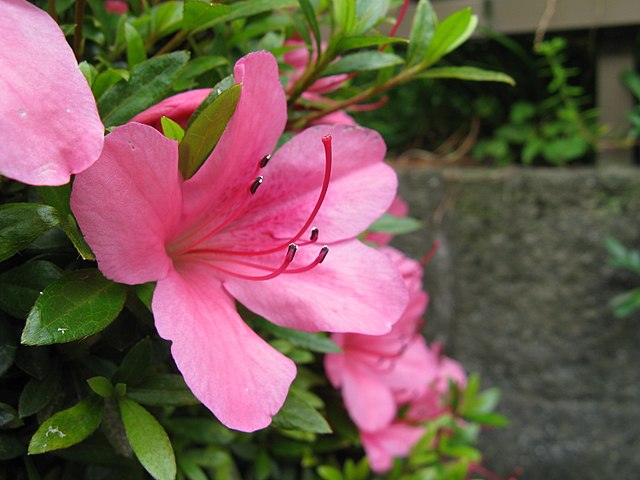
- Impact of individual flowers: In contrast to Satsuki azalea, another flowering bonsai that produces small flowers in abundance in early summer, Camellia blooms are large and commanding, making even a small number of flowers transform the overall impression of the bonsai
- Year-round viewing value as an evergreen: Even when not in flower, the lustrous foliage and form provide visual interest
- Pleasure in witnessing change over time: You can enjoy observing the growth of new shoots after flowering and, if grown from seed, the gradual transformation of the tree form over many years
Placement and Sunlight
Camellia naturally grows in woodland edge and semi-shaded environments, and is prone to leaf scorch if exposed to strong afternoon sun or intense midday rays for extended periods.
- Ideal placement: A location that receives good morning sun and becomes bright shade in the hot afternoon summer months is best
- Risk of insufficient light: Excessive shade will impair flower bud differentiation and reduce flowering, so balancing brightness while avoiding direct sun is critical
- Winter protection: Move plants to sheltered eaves or locations with simple frost protection, as exposure to frost or strong north winds can damage leaves and buds
- Air circulation: Essential for disease and pest prevention
Basic Watering
Camellia has fine roots and is sensitive to both extreme drought and waterlogging.
- Basic watering: Water thoroughly until it drains from the bottom of the pot when the soil surface dries out—consistent but measured watering is key
- Attention from autumn through flowering: From when buds begin to swell in autumn through the flowering period, excessive drying can cause bud drop, so careful watering is essential
- Guarding against overwatering: Constantly wet soil promotes root rot, so ensuring good drainage at the pot base is important
- Seasonal timing adjustments: Water in the cool morning or evening hours during hot summer, and at times when freezing won't occur after watering in winter
Soil and Optimal Repotting Timing
| Item | Details |
|---|---|
| Soil | Prefers slightly acidic soil that balances drainage with water retention. A mixture based on red volcanic clay combined with pumice and leaf mold works well, with particle size adjusted according to pot size and root condition |
| Optimal repotting time | Approximately March to April, immediately after flowering ends |
| Times to avoid | During flowering or when many buds are present (risks dropping flowers and buds) |
| Working tips | Remove old soil gently without being too aggressive; handle fine roots carefully |
| Frequency guidelines | Since this species has slow root growth, repotting need not be done annually; repot every 1–2 years as needed based on root binding, which supports stable growth |
Fertilizing, Pruning, and Tips for Promoting Flower Buds
| Timing | Fertilizing and Pruning Tasks |
|---|---|
| From spring bud break through early summer | Apply slow-release solid fertilizer |
| Post-bloom thank-you feeding (early autumn) | Apply slow-release solid fertilizer |
| Midsummer heat and deep winter | Reduce fertilizing, as it can damage roots |
| Immediately after flowering through before rainy season | Camellia flower buds form on branch tips from summer through autumn, so complete structural pruning during this short window to avoid damaging developing buds |
| Summer onward | Avoid heavy pruning, as it will remove developing flower buds and severely reduce next year's bloom |
The key to a well-flowering Camellia bonsai is to promptly remove leggy growth and congested branches while preserving branches bearing flower buds.
Bud Management, Pest Control, and Tree Shaping
- Bud thinning: From autumn onward, when branch tips bear numerous buds, nutrition becomes dispersed, resulting in smaller flowers and uneven bloom timing. Thinning buds according to branch vigor concentrates nutrients into remaining buds, promoting more impressive flowers.
- Deadheading: Remove spent flowers promptly after blooming to prevent flower rot diseases like gray mold and reduce plant stress.
- Camellia leaf roller moth control: The camellia leaf roller moth is a major pest concern; its larvae cluster on leaf undersides and bear toxic hairs that cause skin irritation if touched. Never handle by hand—apply pesticide promptly if found. Regular inspection of leaf undersides and good air circulation help detect infestations early.
- Tree shaping: Capitalize on Camellia's evergreen nature and strong budbreak by refining form gradually through branch removal and pinching rather than wiring.
The longer you care for Camellia as a flowering bonsai, the more you can enjoy the evolving character of the trunk and branching structure.
GrowerDirect is a grower-direct online marketplace where plants grown by producers are delivered directly to you. When looking for Camellia bonsai and other flowering bonsai saplings or trained specimens, it's a good idea to check each grower's cultivation conditions and flowering performance while selecting.