Differences Between Chinese and Japanese Bonsai—Comparing Literati Trees, Deadwood Trunks, and Penjing
Bonsai is a signature horticultural culture of East Asia, but Japan and China differ significantly in their aesthetic standards and shaping techniques. This article explores the differences between bonsai cultures in both countries from the perspectives of tree form styles, philosophical backgrounds, and key techniques. Japanese bonsai…
Key Takeaways
Bonsai is a signature horticultural culture of East Asia, but Japan and China differ significantly in their aesthetic standards and shaping techniques. This article explores the differences between bonsai cultures in both countries from the perspectives of tree form styles, philosophical backgrounds, and key techniques. Japanese bonsai…
Related Species
Bonsai is a signature horticultural culture of East Asia, but Japan and China differ significantly in their aesthetic standards and shaping techniques. This article explores the differences between bonsai cultures in both countries from the perspectives of tree form styles, philosophical backgrounds, and key techniques.
Fundamental Differences Between Japanese Bonsai and Chinese Bonsai
Characteristics of Japanese Bonsai: The Aesthetics of Miniature Landscapes
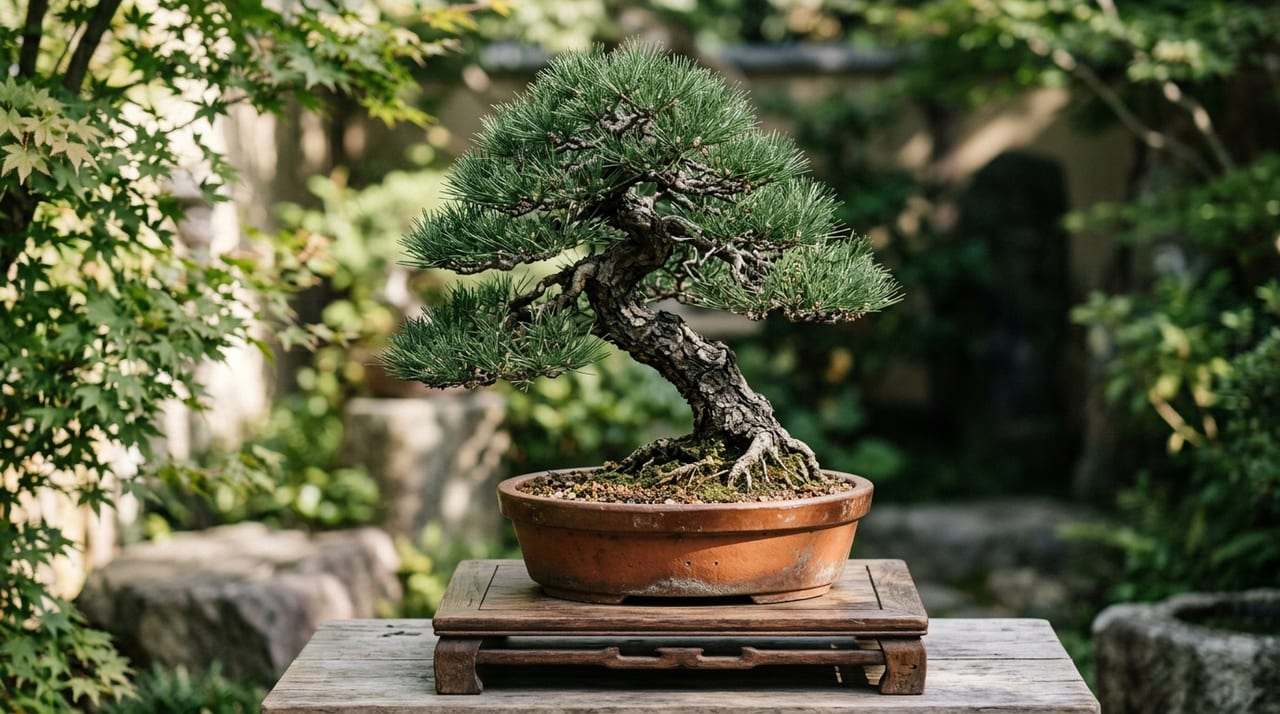
Japanese bonsai aspire to recreate nature in miniature through "miniature landscaping." The goal is to condense the appearance of ancient, mature trees and mountain vistas into a single pot. Selecting species such as black pine and five-needle pine, practitioners pursue the density of the tree canopy, the power of the radial roots, and the thickness and curvilinear beauty of the trunk.
The evaluation criteria for Japanese bonsai center on the following six major elements (the Six Elements of Bonsai):
- Trunk Thickness and Curve: Tapering naturally from the base to the apex (thick at the base, thin at the tip)
- Root Spread: The density and bilateral symmetry of the radial surface roots
- Branch Spread: Three-dimensional branch placement with depth
- Tree Height and Width: Harmonious proportions based on the golden ratio
- Canopy Density: A tight form covered with small leaves
- Seasonal Character: Clear expression of the four seasons
Meanwhile, Chinese bonsai (penjing) allow for greater freedom in shaping. Practitioners bend the trunk dramatically side-to-side, express the character of ancient trees even with young specimens, and compose landscapes by clustering multiple trees.
Characteristics of Chinese Bonsai: Free Expression as "Penjing"
Chinese bonsai culture is called "penjing," and aims to compose a comprehensive "small world" that includes not just trees but also rocks, moss, and water elements. There is a tendency to prioritize the overall landscape expression, poetic sentiment, and Daoist and Zen philosophical thought over the individual perfection of tree form.
Representative styles of Chinese penjing are as follows:
- Tree-centered penjing: Penjing with trees as the primary element (closest to Japanese bonsai)
- Landscape penjing: Three-dimensional renderings of landscape paintings with rock, water, moss, and small artificial elements
- Flowering penjing: Penjing centered on seasonal flowers
- Root-exposed penjing: Compositions emphasizing root display
Chinese penjing prioritize visual impact, creativity, and narrative quality, tending to favor overall harmony and dramatic expression over the perfection of individual specimens.
Comparison of Key Techniques: Literati Trees and Deadwood Trunks
Literati Tree (Bunjingi): The Beauty of Slender Trunks
The literati tree is a style derived from the aesthetics of Chinese literati painting. The main trunk is slender, nearly upright or gently S-curved, with branches positioned only at the top. Using species with beautiful bark such as Itoigawa cypress and black pine, it showcases the linear grace of the trunk to maximum effect.
While literati trees are respected in Japan, Chinese penjing sometimes express them with bolder trunk curves. In species such as Itoigawa cypress, it is not uncommon to see the entire trunk wind sinuously with multiple curves. These bold curves emphasize painterly grace, prioritizing "expressiveness" over the "naturalism" of Japanese bonsai.
Deadwood Trunk (Sharikan): The Beauty of Aged Wood
The deadwood trunk technique involves stripping part of the trunk white and bleaching it with lime sulfur to express the character of ancient wood. In Japanese bonsai, it is used on thick-barked species such as Itoigawa cypress, five-needle pine, and black pine to evoke age and history.
Chinese penjing employ a similar technique (called "deadwood root") to visualize the harshness of nature and the passage of time through the expression of dead wood and roots. However, Chinese deadwood effects more dramatically expose large areas and often emphasize a rock-like texture. This is based on the aesthetic of literati painting, which expresses rock surfaces through the gradation of ink wash.
Differences in Species Selection
Principal Species in Japanese Bonsai
The species most highly valued in Japanese bonsai are as follows:
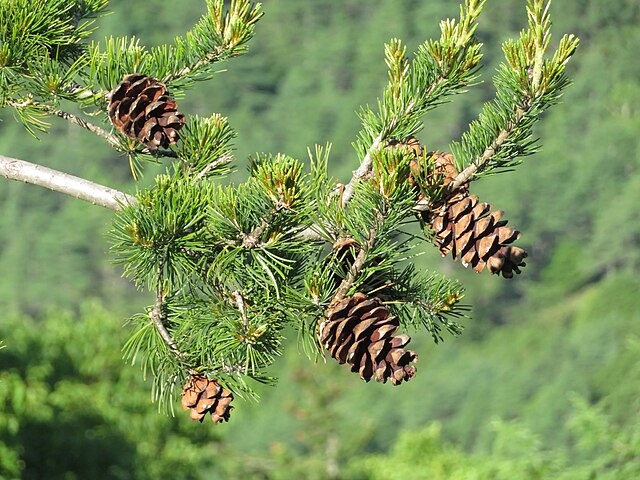
- Five-needle pine: Small leaves, fine bud branching, ideal for bonsai. Form perfection is paramount.
- Itoigawa cypress: A species excellent for trunk line grace and deadwood expression. Considered the pinnacle of Japanese bonsai.
- Black pine: Representative of domestic pine bonsai. Requires mastery of bud-pruning and leaf-thinning techniques.
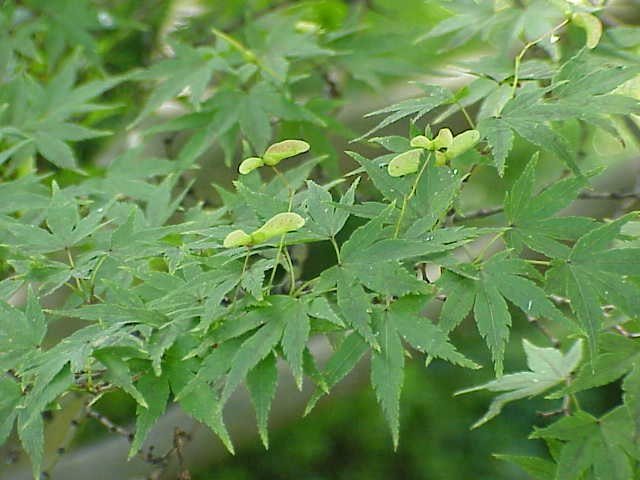
- Japanese maple (Acer palmatum): Autumn foliage expression is important; balancing form perfection with seasonal character is a key challenge.
Most of these species require considerable time to mature and demand advanced care to maintain small leaves.
Principal Species in Chinese Penjing
Chinese penjing employ a wider range of species and allow greater freedom in shaping:
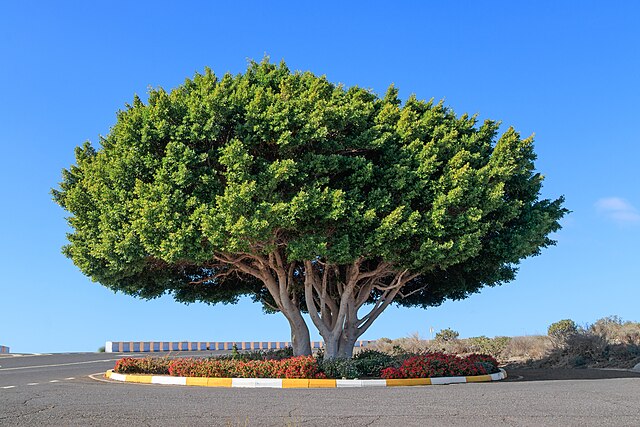
- Fig tree (Ficus retusa, Taiwanese fig): Readily produces aerial roots, excellent for root expression.
- Weeping willow: Expresses fluid lines through drooping branches.
- Crape myrtle (Lagerstroemia): Beautiful flowers, used in flowering penjing.
- Five-needle pine: Equivalent to Japanese five-needle pine, but Chinese penjing allow more dramatic bending.
Chinese penjing tolerate youthful forms, emphasizing creative shaping, overall balance, and narrative quality.
Philosophical Differences in Root Expression
Japanese Bonsai: The Dynamics of Root Spread
In Japanese bonsai, radially spreading, bilateral symmetrical root display is considered ideal. As one of the Six Elements of Bonsai, this expresses the stability of an ancient tree firmly rooted in the earth. Developing root spread requires multiple years of repotting and careful vertical root management.
The quality of root spread determines the overall grade of the entire tree. Even a specimen with an excellent form will be undervalued if its root spread is weak.
Chinese Penjing: Root Exposure and Expressiveness
Chinese penjing more actively employ exposed-root expression (root-over-rock penjing, root-exposed penjing). Roots wrapping around rock, protruding from pot edges, or lifting from soil are used to express strength, the passage of years, and the tree's struggle with nature.
The greater the root exposure, the more dramatic the effect; Chinese root-over-rock penjing typically display more prominently exposed roots than their Japanese counterparts.
Differences in Fertilization and Care
Japanese Bonsai: Nutrition Management and Canopy Density
In Japanese bonsai, canopy density (fullness of small leaves) is paramount. Consequently, the timing, amount, and type of fertilization (organic versus synthetic) are strictly controlled. Organic fertilizers such as oil cake and bone meal are preferred, maintaining a "dense canopy" while adjusting tree vigor.
Excessive nitrogen fertilization enlarges leaves and damages form, requiring experience to manage correctly.
Chinese Penjing: Growth Rate and Shortened Formation Period
Chinese penjing allow trees to grow more rapidly and shaping to be completed sooner. Through more aggressive fertilization and pruning, young specimens can be finished into attractive pieces in a short time. This reflects the fact that penjing are marketed for exhibitions and sale, where market liquidity is emphasized.
Differences in Pot Selection and Display
Japanese Bonsai: Formality and Harmony
When selecting pots for Japanese bonsai, practitioners choose pots appropriate to the grade (the pedigree of the species, tree age, and form perfection). Renowned species and aged trees are paired with antique ceramic pots. Display traditionally features the alcove (tokonoma), expressing overall beauty through combinations with hanging scrolls, accent plants, and display stands.
Chinese Penjing: Decoration and Integrated Expression
In Chinese penjing, the pot plays a more decorative role. Since the entire composition is a single artistic work, the pot is part of the penjing, with careful attention to color, glaze, and form. Additionally, placing a wooden stand under the penjing and then setting it on another stand creates layered aesthetic effects.
Display is also more creative and varied, including wall-mounted and shelf presentations.
Practical Guidance for Learning
For those wishing to study both Japanese bonsai and Chinese penjing, the following approach is effective:
- Begin with Japanese bonsai: Acquire fundamentals of form, root development, and the basics of pruning and wiring. We recommend refining the basics with five-needle pine or black pine.
- Experience an intermediate stage with Itoigawa cypress literati trees: Itoigawa cypress literati forms, while traditional in Japan, teach the linear grace of slender trunks and provide insight into later study of Chinese penjing.
- Move toward Chinese expression with root-over-rock penjing: Using Taiwanese fig and other species, experiment with exposed-root techniques. Even multi-tree grouped plantings allow you to experience Chinese diversity.
- Advanced combinations: Exploring personal styles that blend elements from both cultures is also effective for appreciating the depth of bonsai.
Summary
Japanese bonsai and Chinese penjing both inherit East Asian traditions while pursuing distinct aesthetics. Japanese bonsai emphasize "miniature landscaping," "perfection," and "naturalism," while Chinese penjing prioritize "free expression," "narrative quality," and "drama."
The intricate form of five-needle pine, the linear grace of Itoigawa cypress trunks, and the seasonal expression of black pine exemplify the depth of Japanese bonsai. Conversely, the root expression of Taiwanese fig, bold curves of form, and multi-tree groupings demonstrate the creativity of Chinese penjing.
Understanding both cultures broadens our recognition of the richness and possibilities of bonsai as a horticultural art.