Bunjingi (Literati) Bonsai Styling | Bonsai Technique Expressing the Beauty of Slender Trunks
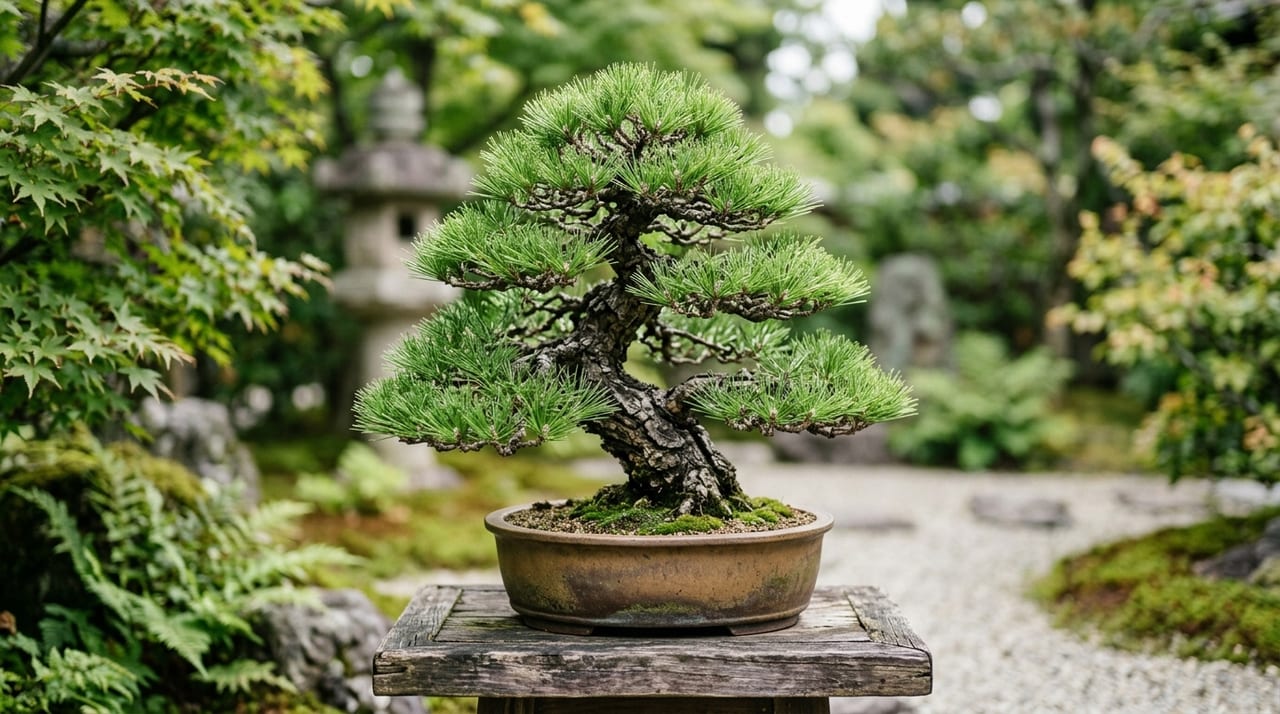
Explains the characteristics of the bunjingi style, which holds a unique presence among bonsai aesthetic forms, and the techniques for creating its shape. Gets to the essence of bunjingi bonsai, which reduces the number of branches and houses graceful beauty in a thin, long trunk.
Key Takeaways
Explains the characteristics of the bunjingi style, which holds a unique presence among bonsai aesthetic forms, and the techniques for creating its shape. Gets to the essence of bunjingi bonsai, which reduces the number of branches and houses graceful beauty in a thin, long trunk.
Related Species
There are many bonsai styles in the world of bonsai. Straight trunk, slanted trunk, patterned wood, cascade, and others each express a concentrated beauty of tree forms found in nature. Among these, "bunjingi (literati bonsai)" is a style with a unique aesthetic sensibility that sets it apart from other styles.
A thin, long trunk, branches reduced to a minimum, the beauty of space that values emptiness—bunjingi bonsai is a style that embodies the aesthetic sensibility of the literati (intellectuals and artists), which is "to speak little and express maximum beauty with minimal elements." In this article, we explain in detail from the essential characteristics of bunjingi bonsai to the actual techniques for creating its shape.
What is Bunjingi Bonsai?
"Literati" refers to intellectuals and cultured people who appreciate calligraphy, painting, and poetry. In Japan during the Edo period, influenced by Chinese culture, a painting style called literati painting (Southern painting) became popular. Literati painting is characterized by "not filling in densely, but expressing inner beauty through whitespace and omission."
Bunjingi bonsai is a style that attempts to express this literati painting aesthetic sensibility through trees. It reduces branches and foliage to the bare minimum and expresses beauty through the supple curves of a thin trunk and the expansion of space.
Morphological Characteristics of Bunjingi Bonsai
The main characteristics that distinguish bunjingi bonsai from other bonsai styles are as follows.
Slender trunk: The height is extremely tall relative to the trunk's thickness (trunk height is 10-15 times or more the trunk diameter). While patterned bonsai prioritize "solid stability," bunjingi bonsai is characterized by graceful elegance achieved through "slenderness and height."
Few branches: The number of branches is reduced to a minimum (approximately 3-5). Because there are few branches, large spaces are created, and the balance between green foliage and whitespace produces unique beauty.
Upper-concentrated foliage: Branches are often concentrated in the upper part of the trunk (upper half to upper third). The lower trunk has no branches and appears clean, making the beauty of the long trunk line stand out.
Free trunk movement: The trunk of bunjingi bonsai is often not straight but has a supple, swaying curve. However, rather than bending it in a complex manner, the ideal is to express "naturally occurring elegant movement."
Harmony with small pots: Bunjingi bonsai are often planted in small oval or round pots. The smallness of the pot contrasts with the slenderness of the trunk, emphasizing the "lightness" of bunjingi bonsai.
Tree Species Suitable for Bunjingi Bonsai
Since bunjingi bonsai presupposes "thin, long trunk lines," tree species with naturally thin trunks or those that look beautiful even with thin trunks are most suitable.
Conifers:
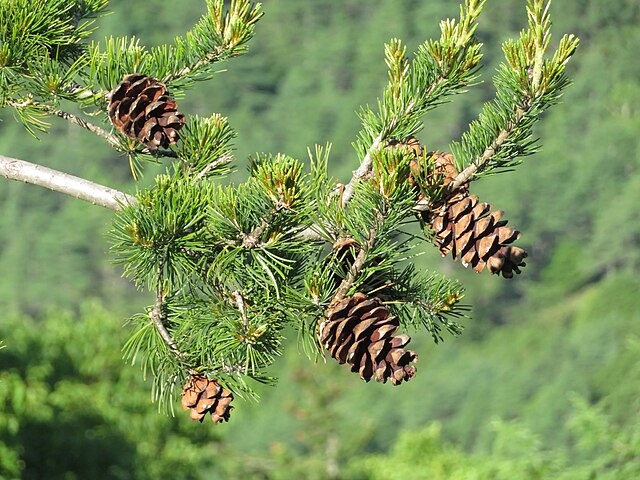
- Japanese white pine (Pinus parviflora): Delicate foliage and graceful branching are ideal for bunjingi bonsai. Even with a thin trunk, it has presence.
- Chinese juniper (Juniperus chinensis): The "beauty of deadwood" created through jin and shari complements the spirit of bunjingi bonsai well.
- Japanese black pine (Pinus thunbergii): The contrast between the rough bark and thin trunk line creates distinctive character.
Broadleaf deciduous trees:
- Japanese maple (Acer palmatum): Delicate branching and autumn colors create the aesthetic mood of bunjingi bonsai.
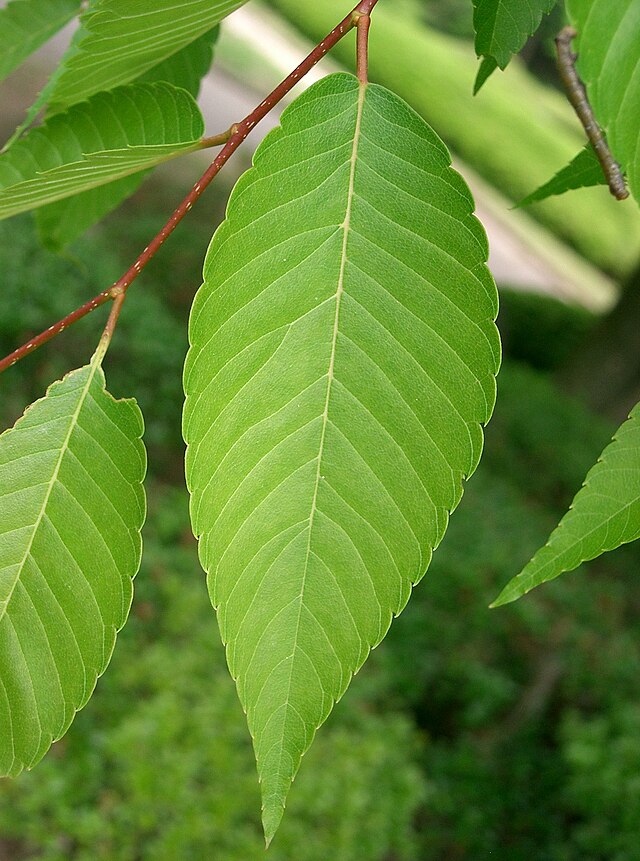
- Japanese elm (Zelkova serrata): Bunjingi bonsai styling, unlike the broom-upright style, highlights the beauty of slender trunks.
- Japanese apricot (Prunus mume): Bunjingi bonsai with gnarled ancient trunks is a classical style beloved since the Edo period.
Creating Bunjingi Form: Basic Principles
Creating a bunjingi form begins with an aesthetic sensibility fundamentally different from that of patterned bonsai or straight-trunk bonsai.
The Philosophy of Subtraction
In patterned bonsai creation, one thinks "what branches to keep," but in bunjingi bonsai creation, the main thought is "what branches to remove (subtraction)." By reducing the number of branches, each remaining branch gains meaning and presence.
Confirming and Emphasizing the Trunk Line
First, carefully observe the trunk's movement. Whether there is a beautiful trunk line (the movement of the trunk from root to apex) suitable for bunjingi bonsai is the starting point for deciding whether to style it as bunjingi.
The ideal trunk line has "moderate sway and flow." A perfectly straight trunk lacks interest, while excessive complex curves create a cluttered impression. Movement that appears as if "wind is blowing from one direction and the tree is swaying supple" is considered beautiful.
Branch Selection and Placement
The criteria for selecting branches in bunjingi bonsai are as follows.
- Place the most prominent branch at the top (apex) of the trunk.
- Reduce branches to basically 3 or fewer (maximum of 5).
- Rather than placing branches randomly on the left, right, front, or back, position them to "dialogue with the trunk line's movement."
- Branches that are too long compromise the slenderness of the trunk line, so they should be pruned short or removed.
The Importance of Whitespace
The most difficult aspect of bunjingi bonsai creation is "creating space." Japanese aesthetics have the concept of "ma" (space/interval), where "empty space" itself forms part of beauty. Dense foliage contradicts the spirit of bunjingi bonsai. By intentionally creating large spaces, the viewer's imagination expands.
Bunjingi Techniques: Wiring and Jin/Shari
Wiring
Wiring is used to refine the trunk line and adjust branch angles.
- Use wire that is not too thick relative to the trunk's thickness, and keep adjustments to minor angle modifications.
- Avoid strong bending as it compromises the "natural movement" of bunjingi bonsai.
- When styling young plants as bunjingi, establish the trunk's direction early through wiring.
Using Jin and Shari
In bunjingi bonsai, especially in conifers, creating jin (deadwood branches) and shari (deadwood on the trunk) can express "the passage of time" and "vitality that has endured wind and snow."
This technique deeply resonates with the spirit of bunjingi bonsai (elegance and wabi), and the white-bleached jin and shari, contrasting with the thin trunk, leave a strong impression on the viewer's heart. Jin and shari can be maintained long-term by protecting them with lime sulfur compound.
Managing Bunjingi: Maintaining Slender Trunks
For bunjingi bonsai, "the beauty of slender trunks" is essential, but improper management can cause the trunk to become too thick.
Use small pots: Large pots promote root growth and thicken the trunk. By managing bunjingi bonsai in slightly smaller pots, you can gently suppress growth.
Moderate fertilization: Excessive nitrogen promotes vigorous growth, resulting in thick branches and trunks. Modest fertilization maintains "slenderness."
Early removal of unnecessary branches: In bunjingi bonsai, removing unwanted buds and branches that emerge from the trunk early maintains even trunk thickness. Allowing thick branches to develop and then removing them later creates a conspicuous thick scar.
Appreciation: 'Reading' Bunjingi Bonsai
In appreciating bunjingi bonsai, the basic approach is to "follow the trunk line's movement."
By "reading" the trajectory of the trunk line that begins at the base and moves toward the apex—how it moves—you can sense the world the creator was trying to express (solitude, serenity, elegance, and so forth).
When appreciating bunjingi bonsai displayed at exhibitions or in alcoves, view the overall silhouette from a slight distance, then carefully follow the trunk line's flow with your eyes. Within a small space dwells a grand poem of nature.
Finding Bunjingi Materials on GrowerDirect
To efficiently find good materials (raw plants) for styling as bunjingi, purchasing directly from bonsai growers is ideal. On GrowerDirect, many specialized bonsai growers list offerings with detailed descriptions of tree form characteristics, species, and age.
Search using keywords such as "suitable for bunjingi" or "slender trunk material," or ask sellers directly to find distinctive materials appropriate for creating bunjingi.