Protecting Dead Branches and Deadwood in Bonsai: Using Lime-Sulfur Compound
A guide to protecting the beauty of shari (deadwood) and jin (dead branch endpoints) in bonsai. Learn how to apply lime-sulfur compound, create natural deadwood effects, and storage tips.
Key Takeaways
A guide to protecting the beauty of shari (deadwood) and jin (dead branch endpoints) in bonsai. Learn how to apply lime-sulfur compound, create natural deadwood effects, and storage tips.
Related Species
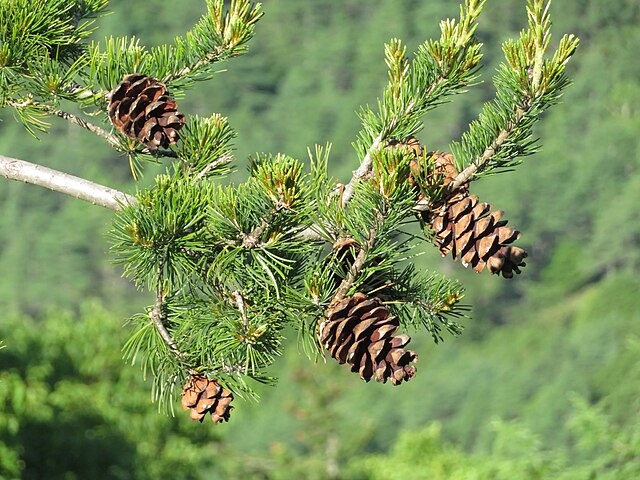
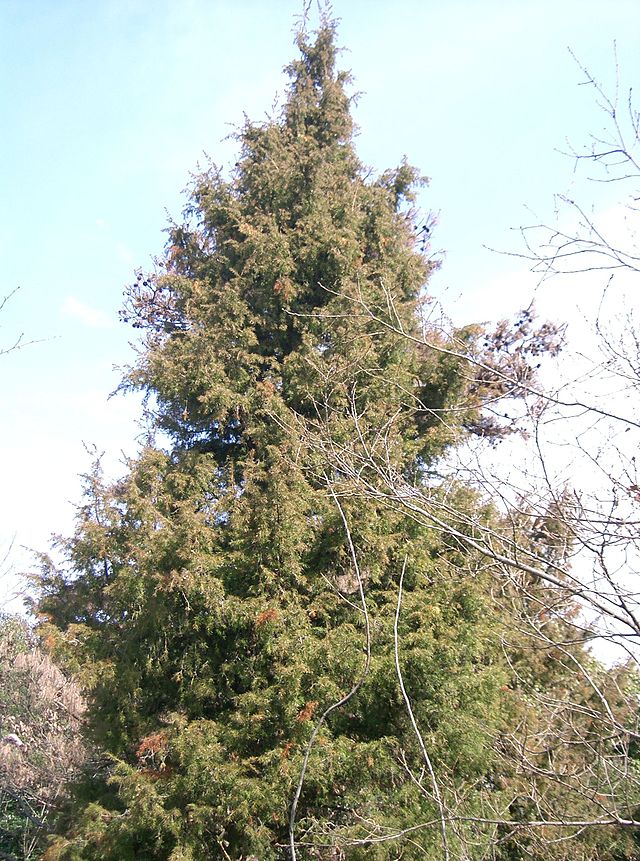
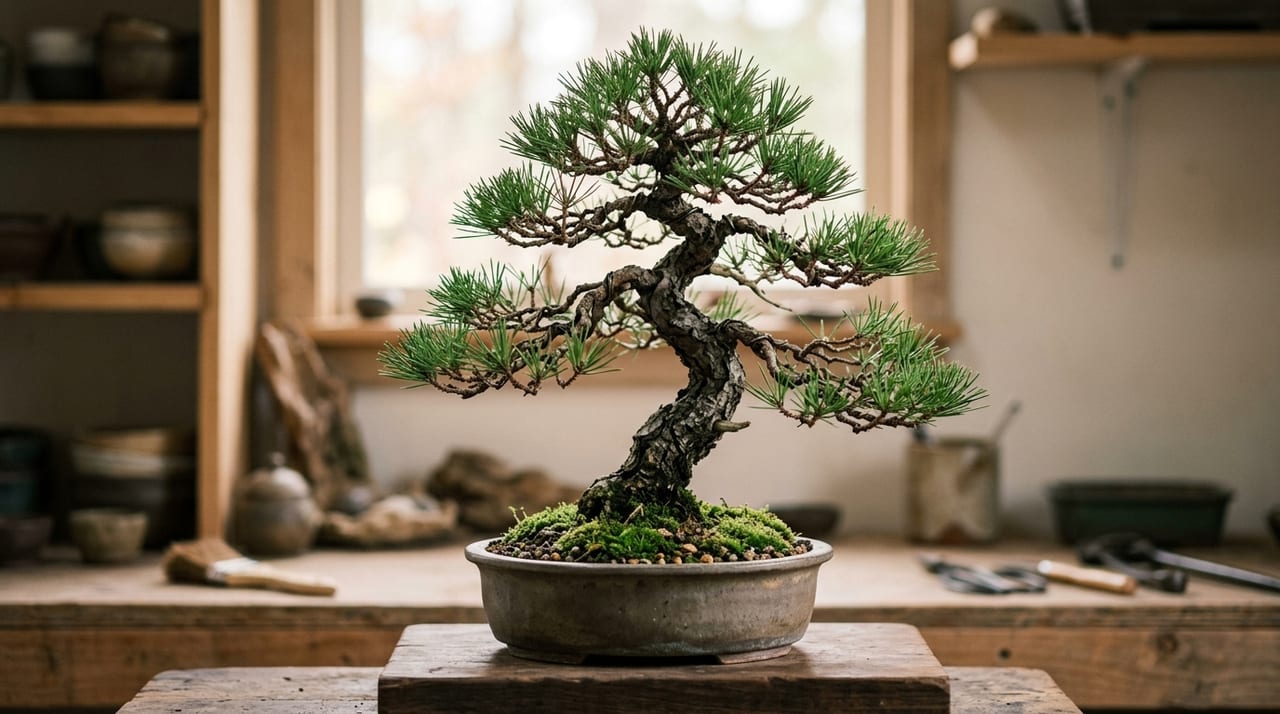
In bonsai, shari (deadwood: the portion of a trunk where bark has peeled away, exposing white wood grain) and jin (the bleached endpoints of dead branches) are important aesthetic features that represent the form of ancient trees that have endured wind, snow, and lightning in nature. These dead portions, contrasted against the living parts, express "life and death" and "the passage of time," giving bonsai profound character. However, without proper protection, decay advances and these precious shari and jin can be lost.
Fundamentals of Shari and Jin
In nature, conifers such as pines and hinoki cypress survive in harsh environments, where the bark of certain branches and trunks dies and the wood grain becomes exposed. Over many years, this portion weathers and bleaches, forming the silver-white shari and jin that shine brilliantly. Naturally formed shari and jin may be hundreds of years old, and their dignity is beyond description.
In bonsai, in addition to naturally formed shari and jin, there are also techniques to create them artificially. Using carving tools or jin pliers to strip away bark and expose the wood grain creates an expression reminiscent of an ancient natural tree. This is work that demands high technical skill and artistic sensibility, making it one of the most profound fields in bonsai art.
Shari and jin show to best effect on conifers, and ease of maintenance varies by species.
| Species | Compatibility with Shari and Jin |
|---|---|
| Conifers such as hinoki cypress (Chamaecyparis obtusa), juniper (Juniperus), and five-needle pine | High resin content in the wood grain makes the dead portions resistant to decay |
| Broadleaf trees | Softer wood and prone to decay; shari tends to be difficult to maintain |
The Role and Effects of Lime-Sulfur Compound
Lime-sulfur compound is the most widely used product for protecting shari and jin in bonsai. Originally developed as a fungicide and insecticide for fruit trees, it has long been used in the bonsai world as a preservative and bleach for dead wood grain.
Applying lime-sulfur compound produces the following effects:
- Film formation: A lime coating forms on the wood surface, preventing water infiltration
- Antimicrobial action: The sulfur component exhibits antimicrobial effects, suppressing the spread of decay fungi
- Bleaching effect: Shari and jin achieve a beautiful white finish
Color change after application is also characteristic of lime-sulfur compound. Immediately after application, it is yellow to orange, but as it dries, it changes to white or grayish-white. Multiple coats result in a whiter finish, achieving a color tone close to naturally bleached ancient wood.
How to Apply Lime-Sulfur Compound—Practical Steps
Lime-sulfur compound is applied according to the following procedure:
- Select the right time: Choose a dry, clear day in winter (December to February). Since the tree is dormant, any incidental contact with the compound on living parts has minimal impact, and harmful insects and pathogens are at their lowest levels
- Clean off debris: Carefully remove old compound residue, attached moss, and dirt with a brush. A brass brush or old toothbrush works well; cleaning the shari surface improves the adhesion of the new compound
- Apply the compound: Apply the compound undiluted or diluted with water to about twice the volume, using a brush to coat only the shari and jin portions, taking great care to avoid contact with living bark and leaves. Contact with living parts can cause burning and death; masking the boundary areas with tape is a safe approach
- Apply multiple coats: Once the first coat dries (usually 1-2 hours), apply a second coat. Two to three coats form a sufficient protective film. Do not expose to rain until completely dry
Creating Shari and Jin Artificially
When creating natural-looking shari and jin artificially, first carefully plan "where" and "to what extent" to create them. Sketch your vision of the finished form or reference photographs of similar natural wood. In nature, shari typically forms on the windward side or the side with strong sunlight, so keeping this principle in mind will result in a natural appearance.
Work is best performed in early spring before budbreak (February to March). First, make a knife cut in the portion where you wish to create shari, then strip the bark using jin pliers or pincers. Hinoki cypress bark is relatively easy to remove, but stripping a large area at once can weaken the tree; it is safer to expand gradually over several years.
Jin is created by breaking or cutting an unwanted branch, then peeling away the bark to expose the wood grain. There is a technique to breaking as well; an irregular form that looks naturally broken is preferred. Cutting straight with scissors appears artificial, so breaking with pincers in a tearing motion gives a more natural appearance.
Newly created shari and jin still contain moisture in the wood grain. Allow several months for drying before applying lime-sulfur compound. Insufficient drying will result in poor adhesion of the compound.
Long-term Maintenance and Annual Care of Shari and Jin
The effects of lime-sulfur compound are not permanent, as it gradually deteriorates from rain and ultraviolet light. Perform the following maintenance:
- Annual recoating: Recoat in winter to maintain protective effect and beautiful white color. Outdoor bonsai show particularly rapid deterioration, so annual recoating is essential
- Rainy season precautions: The rainy season is when shari and jin are most prone to decay; water can infiltrate through thinning areas of the protective film and decay can begin inside the wood. During rainy periods, adjust the orientation of the bonsai so water does not accumulate on the shari portion
- Moss removal: Moss growing on the shari surface retains moisture and promotes decay, so remove it regularly with a brush. However, moss naturally growing at the base of the shari (the boundary with living parts) can add character, so complete removal is not necessary
Discover Beautiful Shari Bonsai at GrowerDirect
At GrowerDirect, you can purchase hinoki cypress and five-needle pine with spectacular shari and jin directly from specialist growers. The expression of deadwood is a major factor that influences the value of bonsai, and it is where the grower's skill and years of cultivation are concentrated. If you are drawn to the beauty of shari, explore GrowerDirect to find your masterpiece.