Wisteria Bonsai: Cultivating Wisteria | Basics of Trellis Training and Pruning for Climbing Flowering Trees
An explanation of how to train wisteria, a climbing flowering tree, as bonsai. This guide covers the unique aspects of wisteria bonsai, from trellis construction and guiding the vine, to the timing of pruning to encourage blooming and watering and fertilizer management.
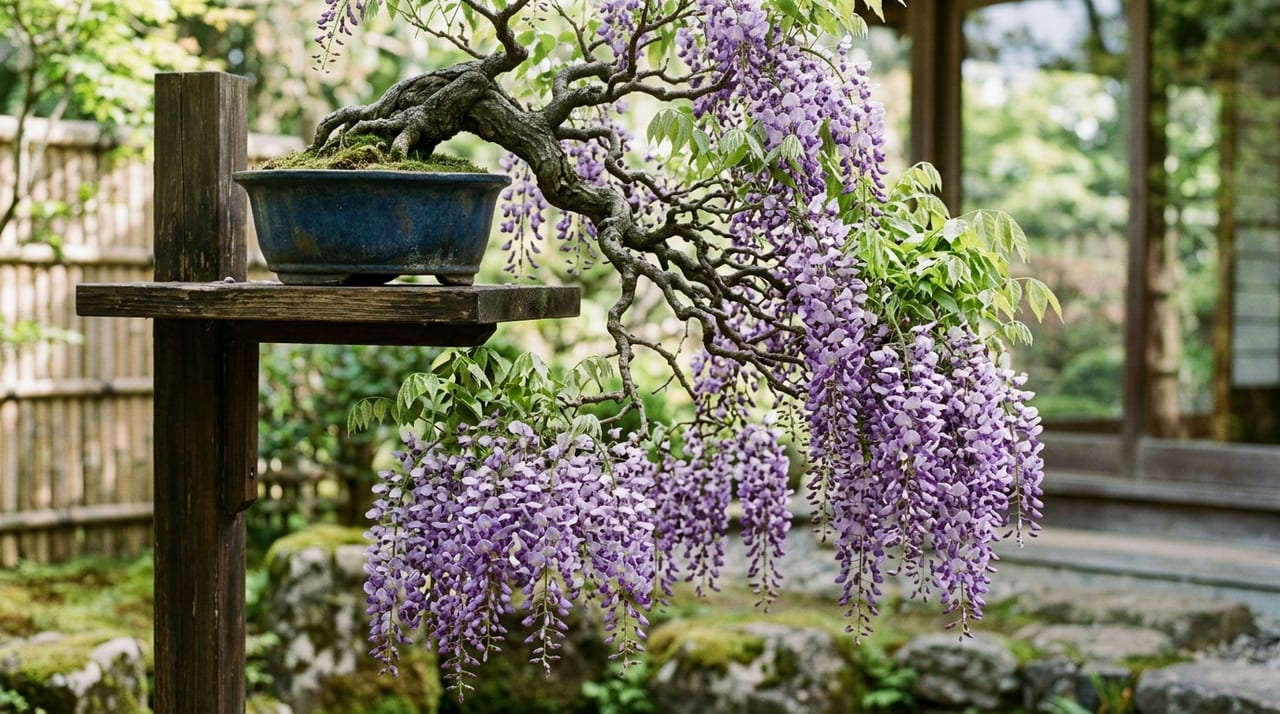
Key Takeaways
An explanation of how to train wisteria, a climbing flowering tree, as bonsai. This guide covers the unique aspects of wisteria bonsai, from trellis construction and guiding the vine, to the timing of pruning to encourage blooming and watering and fertilizer management.
Related Species
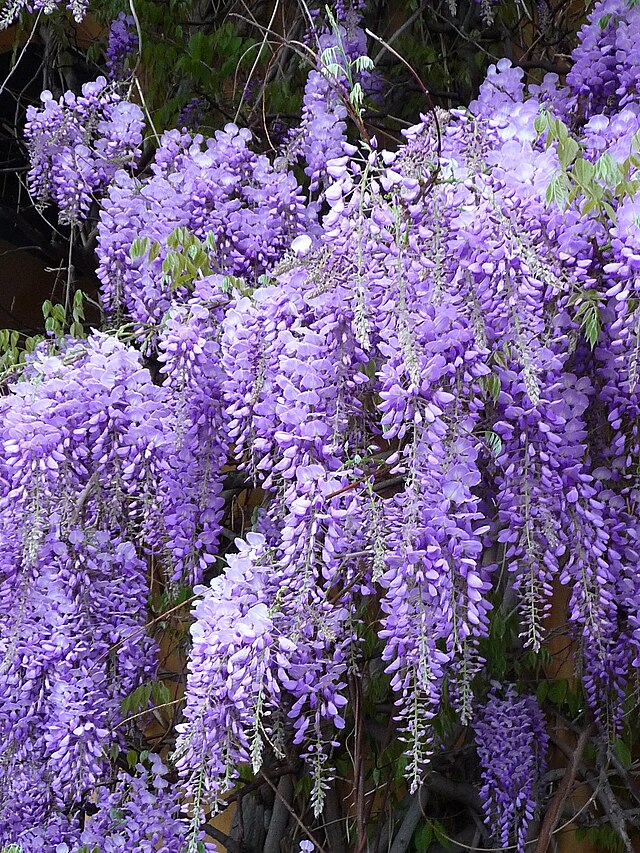
Wisteria is a deciduous climbing vine of the legume family, renowned for its beautiful drooping clusters of purple or white flowers. While it is familiar as a wisteria trellis in gardens and parks, it has long been appreciated in the bonsai world as "a flowering vine tree." Unlike trunk-style bonsai such as pine and hinoki cypress, the appeal of wisteria bonsai lies in the fact that it requires its own unique training method that leverages the special nature of its climbing growth.
Characteristics of Wisteria Bonsai
Because wisteria is a climber, it cannot create an upright form on its own. When training it as bonsai, the trunk is gradually lignified over several years, and a support or small trellis is set up to guide the branches as you build the plant's distinctive form. To display the drooping flower clusters beautifully, it is common to install a trellis one level above the pot and train the plant so the flowers hang down from there.
Location and Year-Round Care
Wisteria is a sun-loving plant, and the basic approach is year-round care in an outdoor location with plenty of sunlight and good air circulation. To develop robust flower buds, exposure to adequate light is essential. While strong summer sun and dryness require some caution, excessive shade will reduce flowering, so it is generally best to place the plant in a bright outdoor location year-round. It is fairly cold-hardy and can overwinter outdoors in most regions without special protection.
Watering and Fertilizer
Wisteria prefers moisture and should be watered generously when the soil surface becomes dry. From flowering through summer, it is particularly sensitive to drought, and water stress can cause buds to drop or leaves to wilt, so careful attention is needed. Fertilizer is a critical management factor that affects flowering. Applying fertilizer containing phosphorus and potassium during the growing season helps promote flower bud formation for the following year. Excessive nitrogen fertilizer can cause vines and leaves to become overly lush at the expense of flowering, so be mindful of your fertilizer choices.
Pruning to Encourage Blooming
The most critical aspect of wisteria bonsai care is timing the pruning to preserve flower buds. Wisteria naturally forms next year's flower buds near the base of new vines that grow each year, so cutting back overgrown vines to an appropriate length from after flowering through summer will help develop robust flower buds.
Basic Pruning Timing
- After flowering (around May): Remove extended flower spikes and shape the plant
- Summer (around June–July): Cut back overgrown vines, leaving several nodes, to promote flower bud formation
- Autumn onward: Avoid heavy pruning and preserve the developed flower buds
Cutting too heavily after summer can remove next spring's flower buds, so timing your pruning correctly is the most crucial factor in enjoying wisteria bonsai blooms.
Repotting and Guiding the Vine in Practice
Wisteria grows quickly and is prone to root binding. Repotting should be done every 2 to 3 years, during the dormant period from after leaf drop to before new growth. Use well-draining, moisture-retentive soil, remove old soil, clean up damaged roots, and repot carefully. The vine should be guided while still young and flexible, before it becomes woody. Guide the vine gradually along the trellis or support, gently building the desired form over time. Forcing sharp bends can break the vine, so the key to success is patient, gradual guiding.
Pest and Disease Management
Wisteria can be affected by aphids, spider mites, powdery mildew, and other pests and diseases. Aphids particularly favor new growth and buds, so careful observation during the budbreak stage and prompt treatment when spotted is important. Poor air circulation increases disease risk, so regularly thinning congested vines and maintaining good airflow throughout the plant helps prevent problems.
Approach to Shaping the Plant
There are several approaches to training wisteria bonsai, including the "trellis style" in which flower clusters hang from a trellis, as well as styles where a thick trunk is developed to create a cascading form. For young plants, the priority should be building a strong, thick trunk; there is no rush to achieve flowers until the plant is well-developed. Forcing early blooms puts too much stress on the plant, so wisteria bonsai cultivation requires a long-term perspective, watching both the form and the plant's vigor over several years. Flower cluster color varies by cultivar—ranging from purple, light purple, to white—and fragrance intensity also differs, so there is also the pleasure of selecting cultivars based on your preferred flower color and scent.
Physiological Disorders Beyond Pests and Diseases
Wisteria is sensitive to environmental change just before flowering (sudden relocation, strong winds, extreme dryness), and buds can drop just before blooming if the plant experiences stress while in bud stage. As flowering approaches, fix the location and avoid extreme drought stress by increasing observation frequency—this promotes consistent blooming. Additionally, managing the plant in roughly the same location and at the same trellis height each year allows it to acclimate to its environment, making it easier for the plant to flower reliably in subsequent years.
Summary
Wisteria bonsai offers a distinctive way to enjoy the graceful beauty of drooping flower clusters, quite different from the appreciation of pine and plum bonsai. By mastering two key techniques—vine guidance unique to climbing plants and precise pruning timing to protect flower buds—you can develop a plant that reliably produces beautiful flower clusters year after year.