How to Enjoy and Care for Mini Bonsai | The World of Small Pots
This guide explains the appeal of mini bonsai (small specimen bonsai), suitable tree species, and management methods including watering, fertilizing, and repotting specific to small pots.
Key Takeaways
This guide explains the appeal of mini bonsai (small specimen bonsai), suitable tree species, and management methods including watering, fertilizing, and repotting specific to small pots.
Related Species
What is Mini Bonsai? Its Appeal and Characteristics
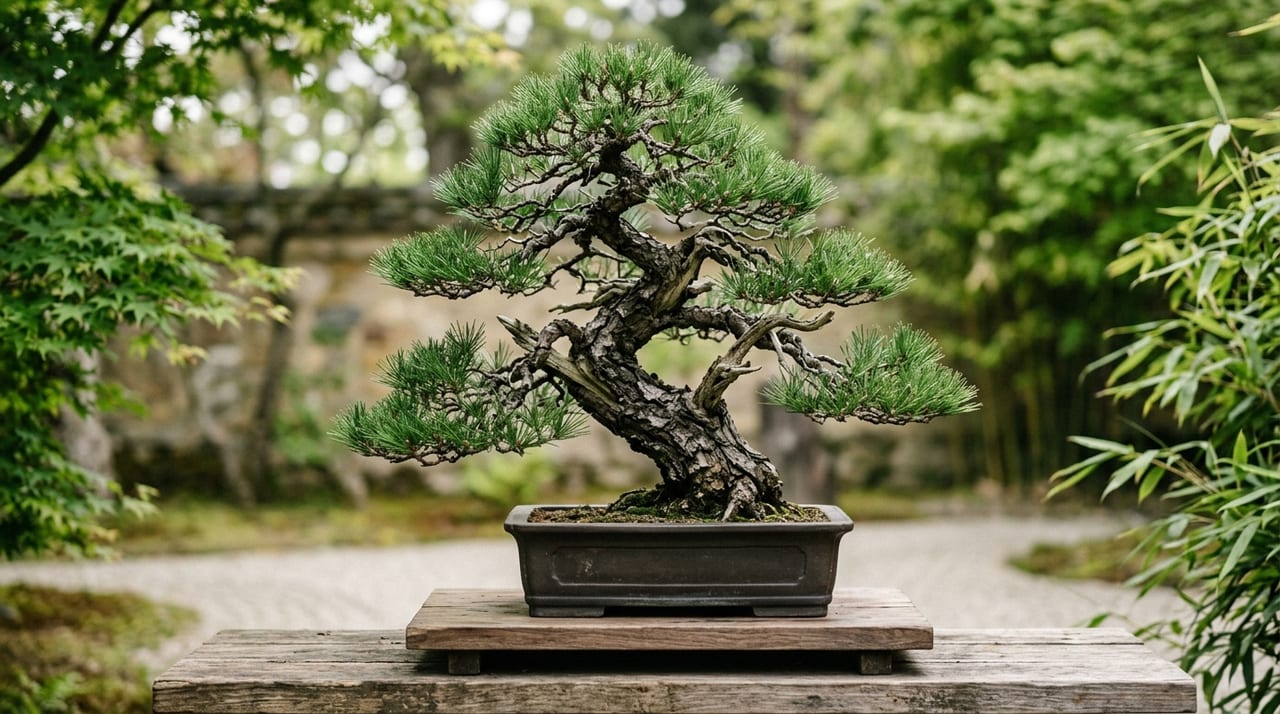
When thinking of bonsai, many imagine large trees cultivated over decades. However, in recent years, palm-sized "mini bonsai" has been gaining attention. Mini bonsai styled in small pots with a height of approximately 10–20 cm has the greatest appeal of being easy to grow on apartment balconies or indoor tabletops.
In the world of mini bonsai, the scenery of mountains and fields and the appearance of aged trees are condensed and expressed within a small pot. While the basic aesthetics are the same as with general bonsai, mini bonsai takes up no space and requires lower initial investment in tools like pots and scissors, making it ideal for beginners starting out with bonsai. Not only in Japan but also abroad, popularity among collectors and gardening enthusiasts is growing as "BONSAI," and opportunities to purchase directly from growers are increasing.
Selecting Tree Species Recommended for Beginners
When starting mini bonsai, the most important decision is selecting the tree species. Choose based not only on beauty but also ease of care. Those who wish to know a wider range of options may also refer to 10 Recommended Tree Species for Bonsai Beginners and 6 Beginner-Friendly Bonsai Species.
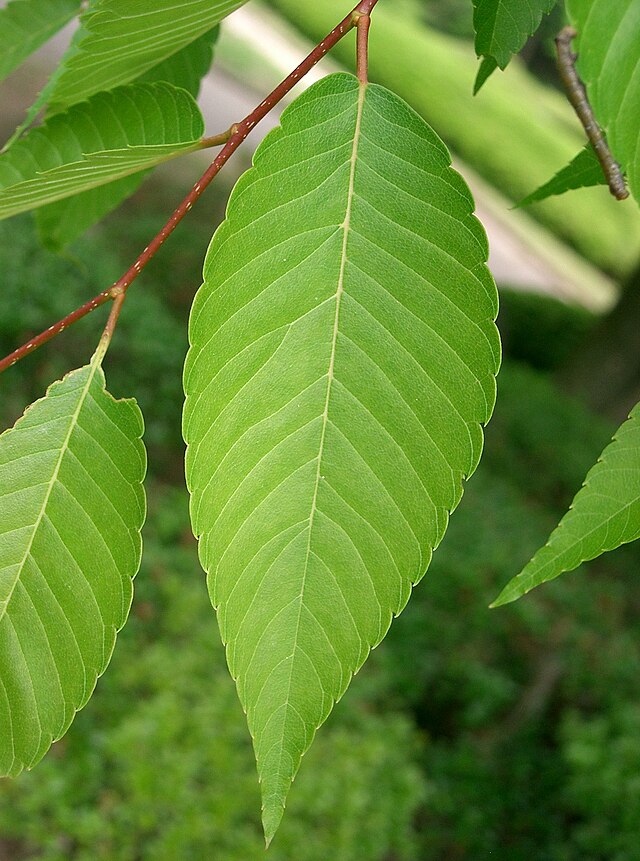
- Japanese zelkova is especially popular among deciduous trees, with fine branching creating delicate beauty. It responds well to budding and pruning, making it easy to shape, suitable for beginners. Autumn foliage is also a highlight.
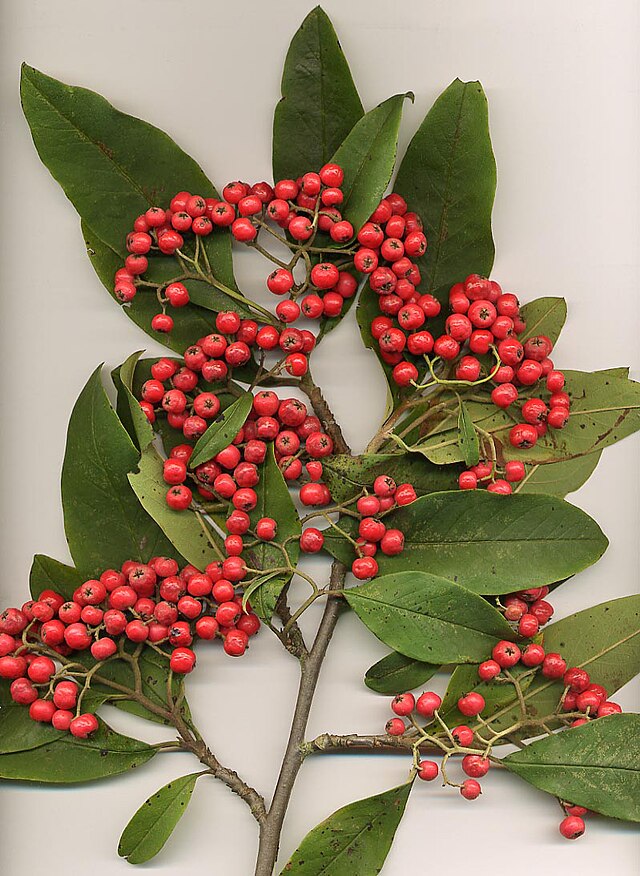
- Cotoneaster is an evergreen or semi-deciduous shrub with attractive small red berries. It is hardy, easy to manage, and a species less prone to failure as a first mini bonsai.
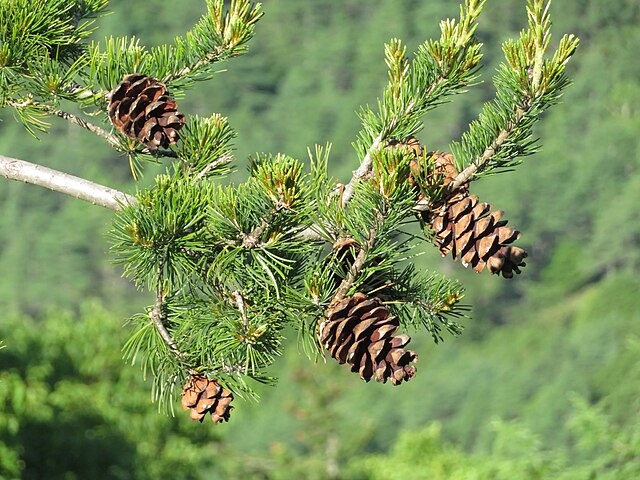
- Japanese white pine is the representative of conifer bonsai, with dense foliage creating a substantial impression. Its slow growth makes it suitable for mini bonsai, with the characteristic that once the shape is established, it is easy to maintain.
- Stewartia is a deciduous tree that bears white flowers in summer, with beautiful smooth bark and delicate branching. Care must be taken regarding water stress, but it is well-suited for learning the basics of management.
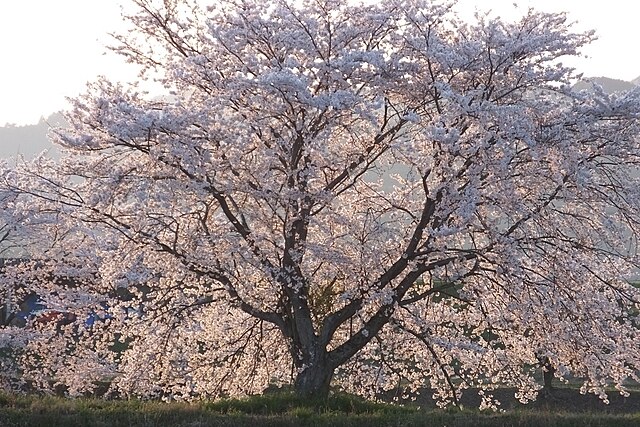
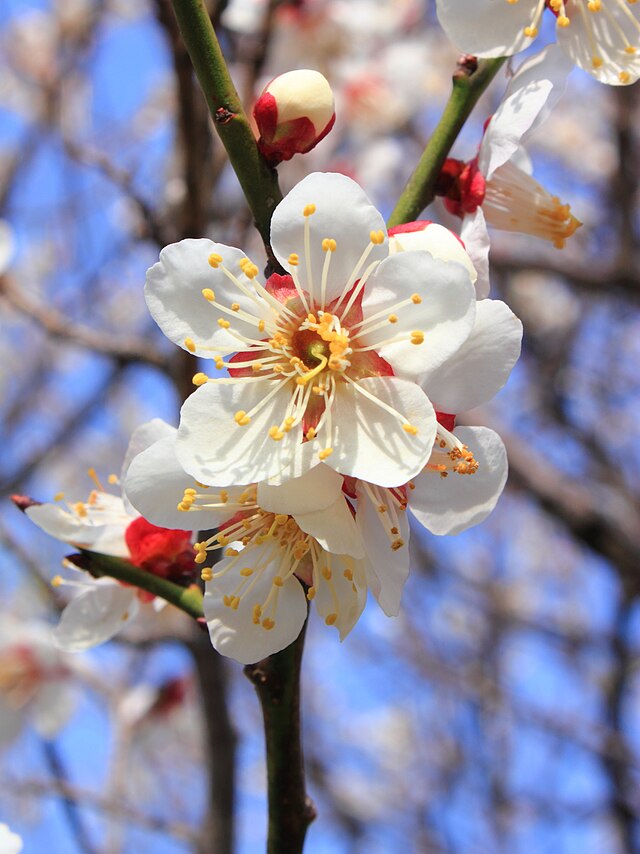
- For those who want to enjoy flowering bonsai, plum and cherry are also possible to style as mini bonsai. Early spring flowering brings special joy. Those who wish to learn more deeply about flowering mechanisms may also refer to How to Grow Plum Bonsai.
Basics of Soil, Pots, and Tools
Selecting appropriate soil is essential for styling mini bonsai. While commercially available "bonsai soil" is acceptable, better results can be achieved by balancing drainage and water retention when mixing. The standard ratio is Akadama (small grain) 6 : Leaf mold 2 : Kiryu sand 2, adjusted according to tree species. Conifer species benefit from more sandy mixtures, while deciduous species do better with compositions that increase water retention. More detailed soil recipes are summarized in Bonsai Soil Mixing and Repotting Guide.
For mini bonsai, pots typically have a diameter of approximately 5–15 cm. Unglazed clay pots have high breathability and help maintain root health, but dry quickly, increasing watering frequency. Glazed pots retain moisture well and look attractive, so they are often used for display. For beginners, it is recommended to start with simple unglazed clay pots to learn the relationship between tree and pot.
Tools needed are minimal; the following basic items allow you to perform essential work.
- Bonsai scissors (bud clippers)
- Tweezers
- Metal brush (for soil cleaning)
- Copper wire or wire (for shaping trees)
There is no need to acquire expensive tools; even just one quality pair of bud clippers can handle most maintenance tasks.
Daily Care: Watering, Placement, and Fertilizer
The most important and challenging aspect of mini bonsai care is watering. As the saying goes, "bonsai mastery takes three years of watering," and proper watering technique is refined through experience. The basic principle is "water thoroughly when the soil surface becomes dry." Because mini bonsai pots are small, they dry quickly, and in summer may need watering twice a day. However, overwatering and root rot are also a concern, so water thoroughly until it drains from the pot bottom, and always empty the collection tray. Seasonal watering tips organized by species are detailed in Complete Bonsai Watering Guide, so reading that alongside this will deepen your understanding.
Placement should be outdoors in a sunny, well-ventilated location. Sunlight is necessary not only for photosynthesis but also tightens growth and prevents pests and disease. In summer, if direct sunlight is too intense, use shade cloth; in winter, move to shelter or a simple greenhouse to protect from frost. Indoor management tends to lack sufficient light, and dry air from air conditioning also harms foliage, so outdoor cultivation is generally recommended. The ideal approach is an "in-and-out method" of bringing the bonsai indoors only for viewing. For cold regions like Tohoku, the setup methods for a protective frame detailed in Bonsai Overwintering: Tohoku and Sendai Climate Guide are also helpful.
Fertilizer is applied during the growing season (April to October). Top-dressing with commercially available "bonsai pellet fertilizer" placed at the pot edge once or twice a month is a simple and practical method. Excessive fertilizer causes excessive elongation (branches growing beyond what is needed), so it is important to apply small amounts while observing the plant's response.
Pruning and Wiring: The Joy of Developing Tree Shape
One of the greatest pleasures of mini bonsai is the process of shaping the tree with your own hands.
- Pruning removes unnecessary branches and balances the overall tree shape. Generally, upright vigorous branches, inward-facing branches, and crossing branches should be removed early. For deciduous trees, winter (November–February) after leaves have fallen is the best time to prune, as the tree shape is most visible and work is easiest. Conifers are pruned before new spring growth.
- Bud pinching is a detailed task performed during the growing season (April–June), where overgrown new growth is removed with tweezers or fingertips. Continuing this causes branches to divide finely, creating the delicate tree shape characteristic of mini bonsai.
- Wiring is the technique of wrapping wire around branches to correct their shape. Wire is applied from spring through autumn during the growing season and removed once the branch has set in the desired shape (typically 3–6 months). Copper wire is easy to bend with high holding power but somewhat difficult to handle; aluminum wire is softer and more beginner-friendly. When wiring, protect the branch by selecting wire gauge appropriate to the branch thickness, wrap at a 45-degree angle with no slack—these are the basics.
Displaying Mini Bonsai and Expanding Your Enjoyment
The mini bonsai you cultivate should not only be maintained but also cherished for the joy of displaying it. In the world of bonsai, the overall impression changes greatly depending on the combination of pot and stand, and how decorative stones and moss are used. How to select and apply moss is detailed in Bonsai Moss Cultivation Guide.
Adding small stones or white sand around the soil surface increases cleanliness, and when moss is planted, it approaches a natural mountain and field landscape. Simply placing the bonsai on a wooden or bamboo stand and displaying it by a window or entryway brings seasonal charm and atmosphere to a space.
The pleasure of collecting multiple species and rotating them by season is also expanding. The great appeal of mini bonsai is that you can enjoy each season's character both indoors and outdoors—spring with flowering plum and cherry bonsai, summer with deciduous species with beautiful green foliage, autumn with red-leafing zelkova and Japanese maple, and winter with conifers showcasing bare branch beauty. Those who wish to showcase autumn foliage may also refer to Japanese Maple Bonsai Autumn Leaf Management Guide.
Participating in local bonsai enthusiast groups and exhibitions also has value as venues for skill development and information exchange. In recent years, opportunities to connect with enthusiasts worldwide through social media and learn management methods and styling techniques have increased. Please take a step into the infinite world within a small pot.