10 Recommended Bonsai Species for Beginners | A Beginner's Guide: Choosing by Ease of Care and Appeal
A guide for beginners looking to start bonsai, introducing 10 carefully selected, easy-to-grow and attractive species. We explain in detail the characteristics, difficulty level of care, seasonal highlights, and price range for each species, helping you choose the right first tree for you.
Key Takeaways
A guide for beginners looking to start bonsai, introducing 10 carefully selected, easy-to-grow and attractive species. We explain in detail the characteristics, difficulty level of care, seasonal highlights, and price range for each species, helping you choose the right first tree for you.
Related Species
Why Choosing the Right Species is Important for Bonsai Beginners
The most common mistake beginner bonsai enthusiasts make is selecting species that are difficult to manage. Choosing a tree simply because of its appearance, without the skills to care for it properly, often results in the tree dying and losing interest in bonsai altogether.
Bonsai is a hobby with many care requirements: placement, watering, fertilizing, and pruning. It is wise to start with hardy species that are easy to manage for the first 1-2 years, mastering the fundamentals before moving on to species that match your preferences.
There are three key points to keep in mind when selecting a species.
- Indoor or outdoor management
- Drought tolerance (difficulty of watering)
- Growth rate
Fast-growing species are forgiving of pruning mistakes and are considered beginner-friendly. Conversely, very slow-growing species suffer damage measured in years if mistakes occur.
10 Recommended Species for Beginners
Price ranges are as follows:
| Tree Species | Price Range |
|---|---|
| Ficus retusa (Gajumaru) | ¥2,000–5,000 |
| Juniperus chinensis var. sargentii (Shinpaku) | ¥3,000–20,000 |
| Malus halliana (Hime Apple) | ¥3,000–10,000 |
| Pinus parviflora (Five-Needle Pine) | ¥3,000–tens of thousands (antique trees are expensive) |
| Gardenia jasminoides (Cape Jasmine) | ¥2,000–8,000 |
| Acer palmatum (Japanese Maple) | ¥3,000–20,000 |
| Prunus mume (Japanese Apricot) | ¥5,000–30,000 |
| Zelkova serrata (Japanese Zelkova) | ¥3,000–20,000 |
| Camellia japonica (Camellia) | ¥3,000–15,000 |
| Podocarpus macrophyllus (Yew Podocarpus) | ¥2,000–10,000 |
1. Ficus retusa (Gajumaru)
An ideal beginner species combining evergreen foliage, indoor-manageable requirements, and hardiness. As aerial roots (roots hanging from above) develop, they create a distinctive appearance. Its tolerance for dryness and resilience even with occasional watering lapses make it perfect for beginners. It thrives near bright windows, making it ideal for apartment dwellers. Price range: ¥2,000–5,000.
2. Juniperus chinensis var. sargentii (Shinpaku)
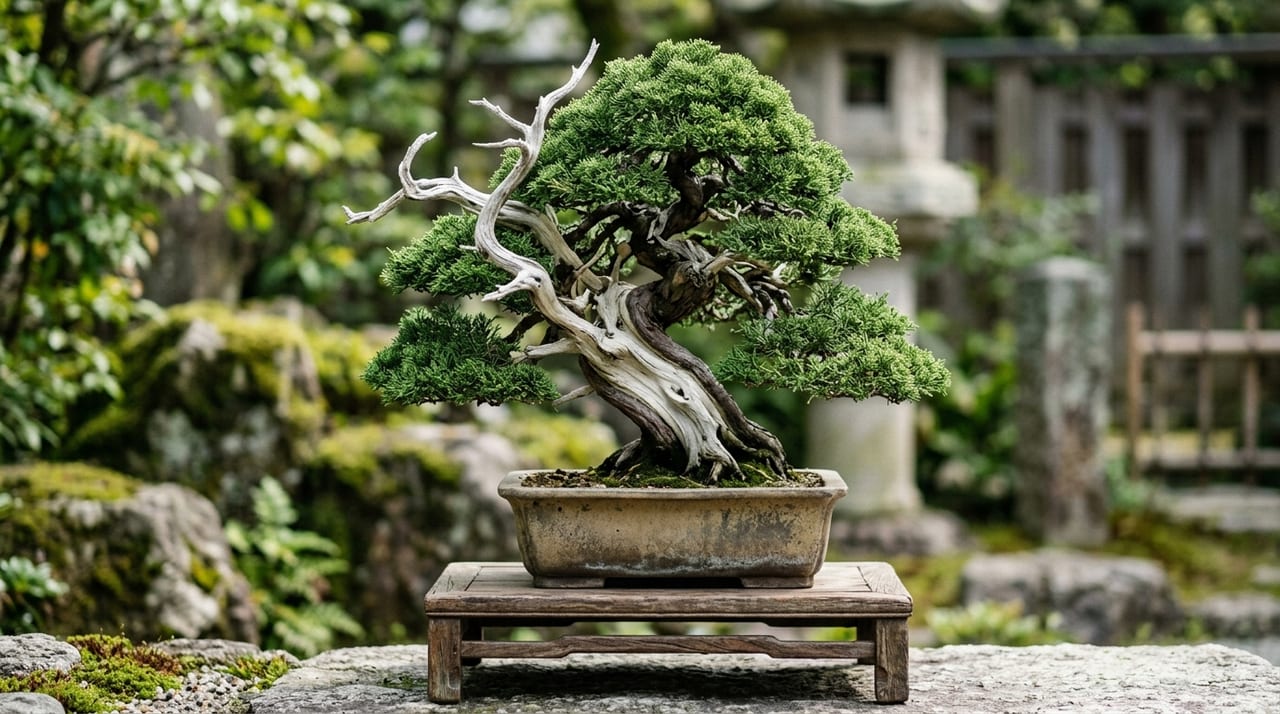
A classic species in Japanese bonsai, prized for its beautiful green color and year-round appeal. It pairs well with the "shari-jin" technique, where dead wood is polished white for artistic effect, allowing you to enjoy authentic bonsai expression. While it requires outdoor placement, it is hardy and easy to grow due to its high tolerance for pruning. Price range: ¥3,000–20,000.
3. Malus halliana (Hime Apple)
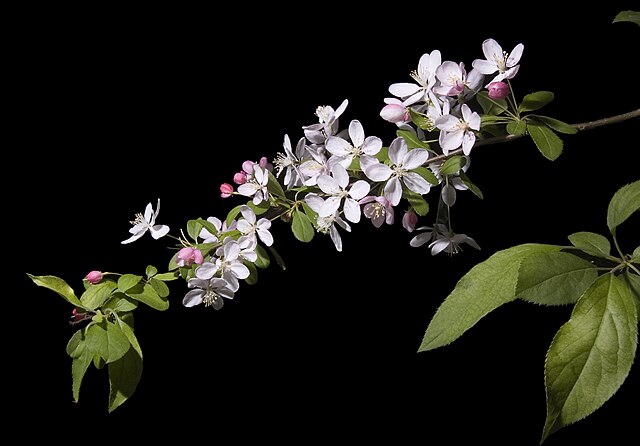
A flowering and fruiting bonsai that produces white flowers in spring and small red apples about 1–2 cm in diameter in autumn; nurseries also sell it under the name "Hime Ringo" (Hime Apple). A single tree offers the seasonal changes of all four seasons. Pest and disease management requires attention, but overall care is relatively simple. Requires outdoor placement. Price range: ¥3,000–10,000. For more details on fruit-bearing techniques and comparisons with related varieties, see Fruit-Bearing Bonsai Care Guide.
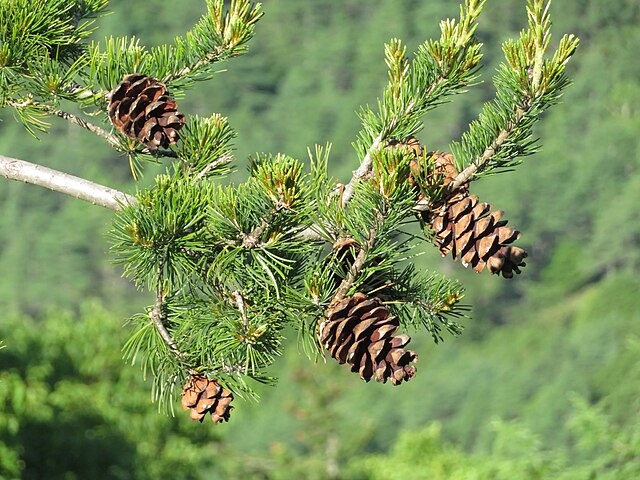
4. Pinus parviflora (Five-Needle Pine)
A classic example of Japanese pine, with beautiful bundles of five needles. Its slow growth rate makes it easy to establish a management rhythm, and you can gradually master pine-specific bonsai techniques such as "candle pruning" and "bud thinning." When placed in a sunny outdoor location, it becomes an easy-to-manage long-term tree. Price range: ¥3,000–tens of thousands (antique trees are expensive). For detailed instructions on candle pruning and bud thinning, see Pine Bonsai Candle Pruning (Midori Trimming) Complete Manual.
5. Gardenia jasminoides (Cape Jasmine)
An evergreen tree that produces sweetly scented white flowers in early summer. Its fragrance is a unique appeal not found in other species. It tolerates partial shade, making placement flexible, and has high tolerance for pruning, recovering even from over-cutting. Price range: ¥2,000–8,000.
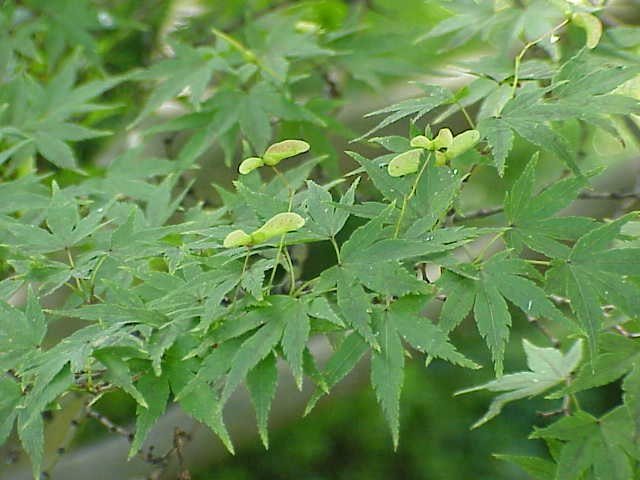
6. Acer palmatum (Japanese Maple)
A deciduous tree offering seasonal changes—spring's tender new leaves and autumn foliage—with a distinctly Japanese charm. It is vulnerable to summer drought, sometimes requiring watering twice daily during the hot season. It is intermediate-level, best approached after mastering the basics of bonsai care, but yields exceptional satisfaction. Many enthusiasts enjoy autumn color with related Japanese maple varieties (Iroha Momiji), and techniques for achieving vivid coloration are detailed in How to Enhance Japanese Maple Bonsai Autumn Color. Price range: ¥3,000–20,000.
7. Prunus mume (Japanese Apricot)
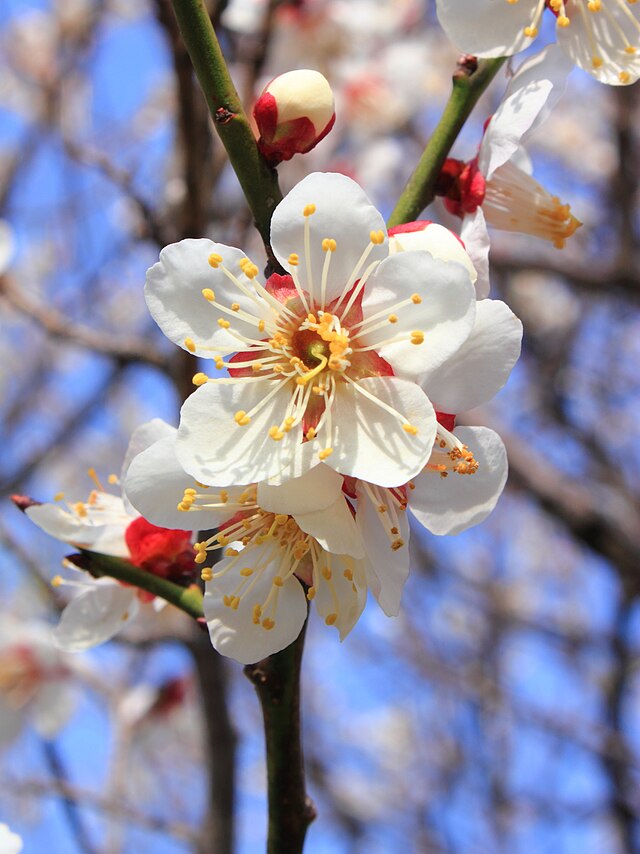
An iconic flowering bonsai prized for its beautiful early spring blooms. It teaches the essence of bonsai care—such as timing pruning after flowering and summer management to develop flower buds. With proper care, you can enjoy flowers every year. A detailed year-round care schedule is provided in Japanese Apricot (Ume) Bonsai Care Guide. Price range: ¥5,000–30,000.
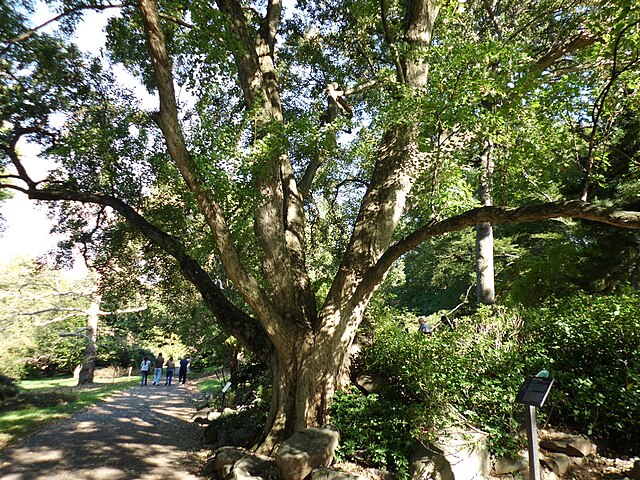
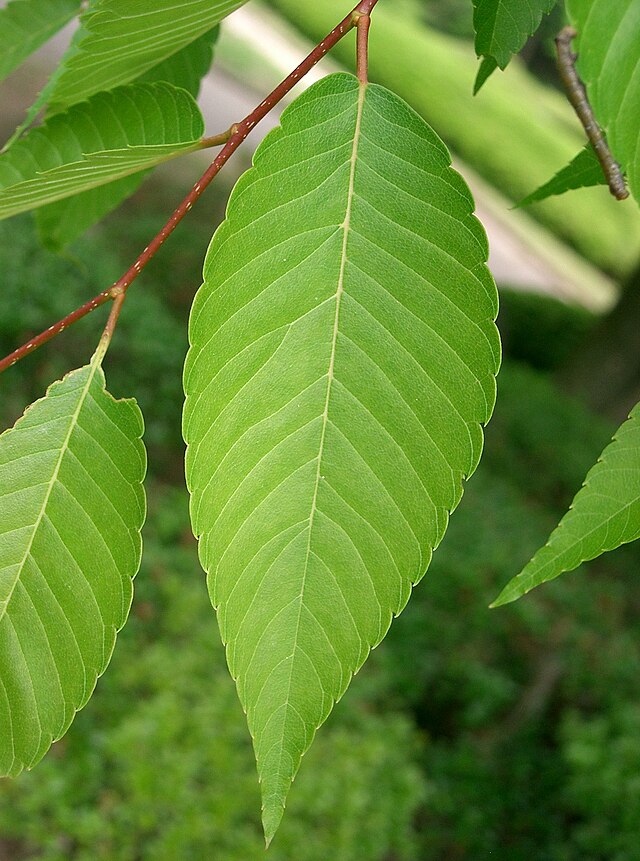
8. Zelkova serrata (Japanese Zelkova)
A deciduous tree notable for its distinctive broom-like form. It features small, densely packed leaves, and maintains an attractive shape even after winter's leaf drop. Its relatively fast growth makes it forgiving of pruning mistakes, ideal for beginners. Since it prefers moisture, care must be taken to prevent summer drought. Price range: ¥3,000–20,000.
9. Camellia japonica (Camellia)
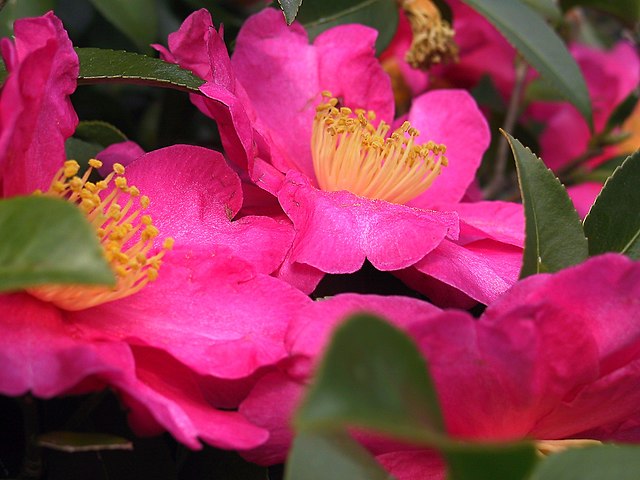
An evergreen flowering bonsai that blooms from winter into spring. With an enormous variety of cultivars, there is pleasure in choosing your preferred flower color and form. It is prone to sunscald in direct summer sun, so consider moving it to partial shade after the rainy season ends. Tips for enjoying flowering bonsai and cultivar selection are featured in Camellia (Tsubaki) Bonsai Care Guide. Price range: ¥3,000–15,000.
10. Podocarpus macrophyllus (Yew Podocarpus)
An evergreen with beautiful elongated foliage. It is relatively hardy and easy for beginners to manage, with the advantage of allowing free-form pruning to create the desired shape. With moderate growth, it suits those who wish to gradually refine the tree's form. Requires outdoor placement. Price range: ¥2,000–10,000.
Choosing Your First Tree: By Location and Purpose
When choosing your first tree, it is important to determine your management location first.
If you wish to manage indoors only, Ficus retusa (Gajumaru) is the least risky and most recommended choice. It can be managed indoors year-round near a bright window and tolerates occasional watering mistakes.
If you have outdoor space, it is good to start with traditional Japanese bonsai such as Shinpaku, Japanese Zelkova, or Five-Needle Pine. Outdoor species are more responsive to seasonal changes and offer a more authentic bonsai experience.
If you wish to enjoy seasonal changes, select species with clear focal points such as Hime Apple (flowers and fruit), Japanese Apricot (flowers), or maples and Zelkova (autumn foliage). Doing so makes it easier to feel that your effort has paid off. For more detailed selection perspectives, also refer to Bonsai Buying Guide.
Three Essential Basic Care Principles for Beginners
After selecting your species, it is important to understand basic care properly.
Watering: Most bonsai failures stem from watering issues. The rule "water thoroughly when soil becomes dry" is basic, but frequency varies by season, species, and pot size. In summer, watering twice daily may be necessary. Develop the habit of checking the soil with your finger daily. More advanced watering techniques are explained in The Art of Bonsai Watering.
Sunlight: Trees managed outdoors generally prefer well-lit locations. Insufficient light is a primary cause of tree weakness. However, intense afternoon sun in summer can cause leaf scorch, so consider moving trees to partial shade.
Fertilizing: Apply liquid or solid fertilizer regularly during the growing season (spring through autumn). For beginners, using "bonsai-specific solid fertilizer" according to package instructions is the simplest and most fail-safe method. Be cautious of over-fertilizing, as excess fertilizer can damage roots.
Enjoying Bonsai for Years to Come
Bonsai is a hobby where you shape the tree as you grow it. Rather than seeking perfection from the start, it is important to enjoy the process of creating your own unique tree over several years.
Participating in local bonsai clubs and hobby classes is highly beneficial. You can acquire management skills while receiving direct advice from experts. When selecting trees through grower-direct sales, asking the seller about growing conditions and pruning history will yield much practical knowledge.
Even if you lose your first tree, continuing with your next one is the fastest path to improvement. Many masters also learned through repeated failures. Start growing a tree today that, ten years from now, you will look back on and marvel at its growth.