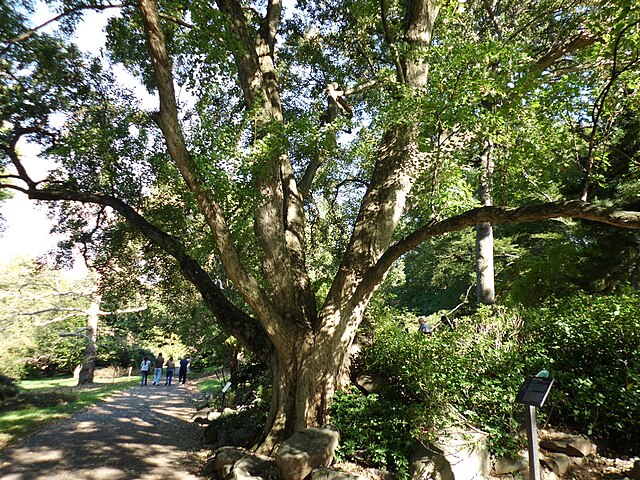
Source: Wikimedia Commons
Trident Maple
BeginnerAcer buergerianum
Popular deciduous bonsai with distinctive three-lobed leaves. Appealing root spread, bark texture, and autumn color. Often styled as root-over-rock. Fast growth suits beginners.
Overview
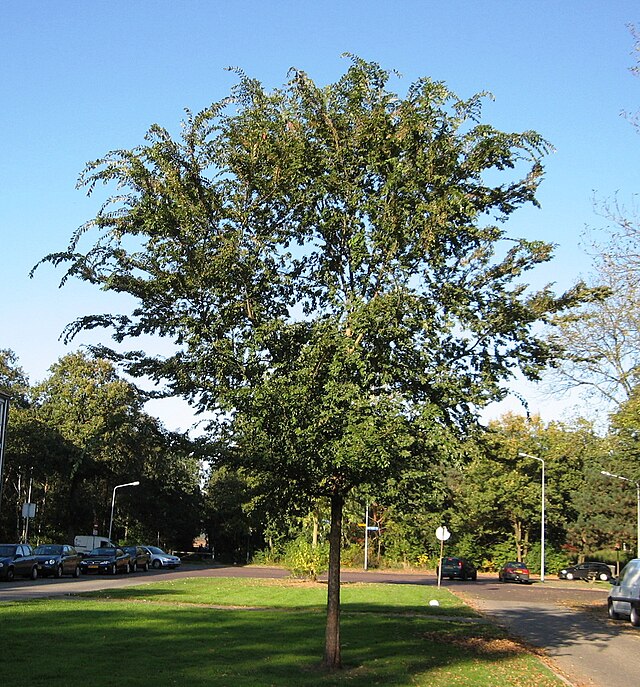
Acer buergerianum is a species of maple native to eastern China, Taiwan and Japan. The specific epithet is a patronym honoring Dutch plant hunter J. Buerger (1804-1858).
Source: Wikipedia (CC BY-SA 4.0)
Lifespan of the Trident Maple
The Trident Maple lives Centuries.
Size of the Trident Maple
The Trident Maple grows to 10-60cm (bonsai size).
Temperature & humidity for the Trident Maple
The Trident Maple tolerates temperatures of ≥-20℃.
Basic Info
Origin
Eastern China, Taiwan, and Japan
Lifespan
Centuries
Size
10-60cm (bonsai size)
Temperature
≥-20℃
Growing Tips
Placement
Outdoor sun. Temperature variation needed for autumn color
Watering
Loves water. Twice daily in summer. Wilts if dried out
Styling
Vigorous and prune-tolerant. Defoliate for smaller leaves
Notes
Thick roots can lift the tree. Repot every 1-2 years
Trident Maple FAQ
QWhat is the growing difficulty level for Trident Maple?
Beginner. A variety suitable for beginners. No special equipment or experience is required—you can grow it without problems by setting up a basic cultivation environment.
QWhat temperatures can Trident Maple tolerate?
Trident Maple tolerates temperatures of ≥-20℃. This is the tolerated range, not the ideal growing temperature. Keep conditions well inside it and avoid sudden temperature changes.
QWhat is the lifespan of Trident Maple?
The average lifespan of Trident Maple is Centuries. With proper cultivation environment and nutrient management, you can keep it healthy for a long time.
QHow large does Trident Maple get?
The mature size of Trident Maple is 10-60cm (bonsai size). This may vary slightly depending on cultivation environment and individual differences.
QWhat is the typical price for Trident Maple?
The price of Trident Maple varies significantly by variety, characteristics, size, and lineage. Please check GrowerDirect's price guide for the latest market information.
Last updated: October 2, 2026
Growing Specifications
- USDA Zone
- 5–8
References & Sources
Edited & verified by: GrowerDirect Editorial Team
The classifications, regulations, and growing data on this page are created and verified based on the primary information database below.
Taxonomy & Authority
Regulations & Conservation Status
Sources: CITES Checklist of CITES Species
Regulations may change. Always verify the latest information with the relevant authorities.
Related Species
Find listings for this species
Related Articles
Momiji and Kaede Bonsai Autumn Foliage Management Guide | Cultivation Methods to Achieve Beautiful Autumn Coloring
Explains management methods for enjoying beautiful autumn foliage with momiji and kaede bonsai, which are popular among bonsai enthusiasts. This guide introduces techniques for preventing summer leaf scorch, adjusting autumn watering, cutting fertilizer, utilizing temperature differences, and creating small leaves through leaf pruning.
Complete Bonsai Tree Selection & Development Roadmap for Beginners | Phase-by-Phase Management Strategy from Year 1 to Year 5
Bonsai success for beginners depends on choosing the right tree species. This guide details the process of selecting beginner-friendly species like five-needle pine and shimpaku juniper, and developing them into refined bonsai through phased management over five years. We provide a five-year roadmap that advances through tree form foundation building, adjustment, and completion.
Bonsai Aged Wood Techniques | Creating Branch Aging Expression and Tree Age Aesthetics
Explains techniques for creating bonsai that appear aged from young stock. Introduces practical methods for expressing tree age aesthetics, from bark texture and branch structure to root development expression and changes over time.
🩺 Common diseases
Can't find the plant you're looking for?
Post your wishes for free and growers with matching plants will contact you with introductions.