Momiji and Kaede Bonsai Autumn Foliage Management Guide | Cultivation Methods to Achieve Beautiful Autumn Coloring
Explains management methods for enjoying beautiful autumn foliage with momiji and kaede bonsai, which are popular among bonsai enthusiasts. This guide introduces techniques for preventing summer leaf scorch, adjusting autumn watering, cutting fertilizer, utilizing temperature differences, and creating small leaves through leaf pruning.
Key Takeaways
Explains management methods for enjoying beautiful autumn foliage with momiji and kaede bonsai, which are popular among bonsai enthusiasts. This guide introduces techniques for preventing summer leaf scorch, adjusting autumn watering, cutting fertilizer, utilizing temperature differences, and creating small leaves through leaf pruning.
Related Species
Enjoying Autumn Foliage with Bonsai—The Exquisite Colors of Momiji and Kaede
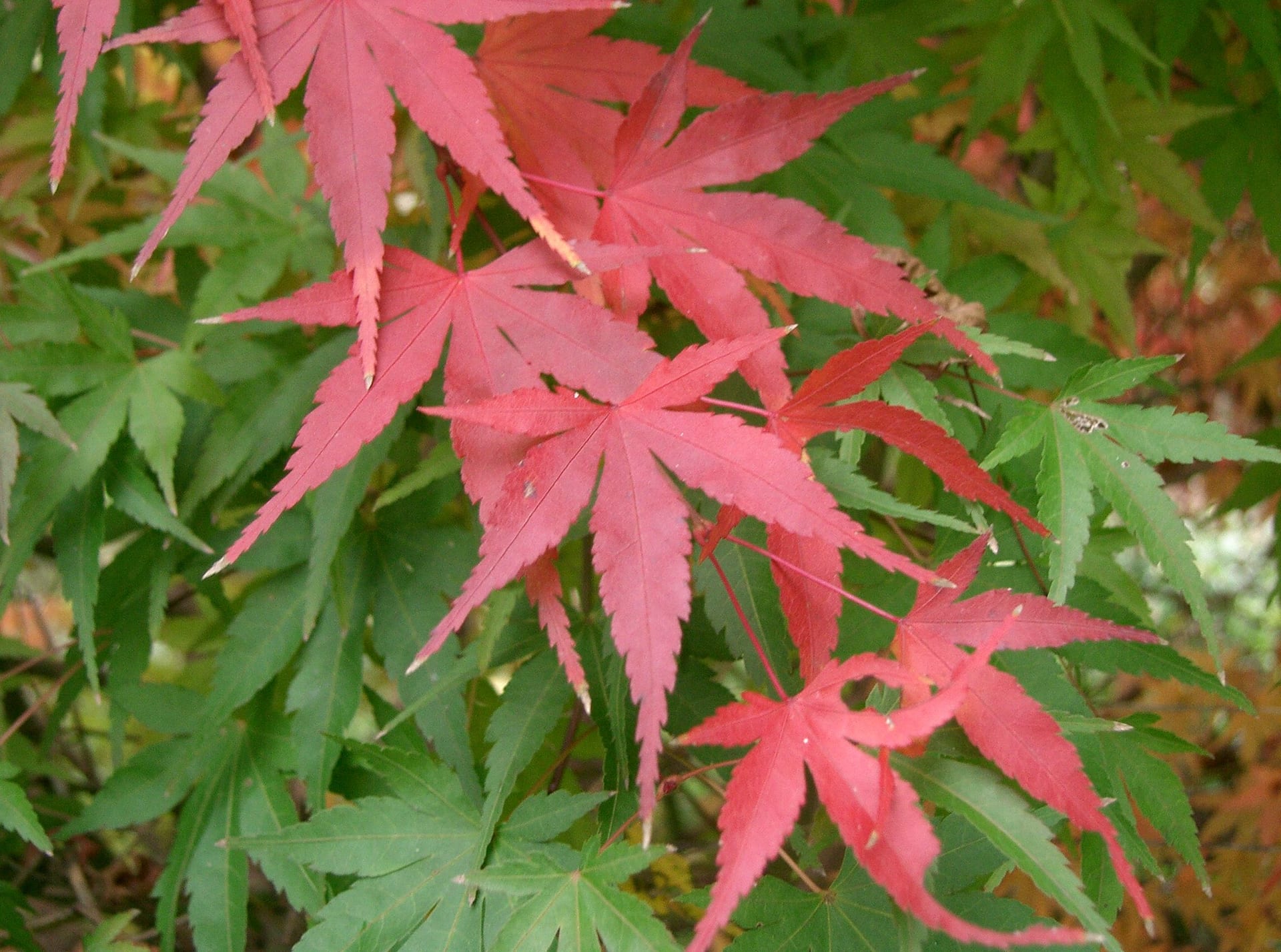
In Japanese bonsai culture, autumn foliage is a premier attraction rivaling spring flowers. Deciduous tree bonsai such as momiji, kaede, zelkova, and Japanese apricot transform into stunning reds, oranges, and golden hues in autumn, condensing Japan's autumn landscape into a small pot.
However, the belief that "foliage will naturally color as temperatures drop" is a misconception. Vibrant coloring is the result of careful management accumulated from spring. This article systematically explains cultivation methods to achieve beautiful autumn foliage, focusing on momiji and kaede bonsai.
The Mechanism of Autumn Foliage and Three Key Elements That Determine Color
Leaves turn red because low temperatures break down chlorophyll (leaf green), while simultaneously generating anthocyanin (red pigment). Since anthocyanin is produced using sugars accumulated through photosynthesis as raw material, "how well you accumulate sugars during summer" directly influences the vividness of foliage.
The three color-determining elements are as follows.
① Daytime-to-Nighttime Temperature Difference (Most Critical) When days with a temperature difference of 10℃ or more between daytime and nighttime continue, chlorophyll decomposition accelerates and anthocyanin generation is activated. From late September through early October, keeping the plant outdoors where mornings and evenings are cool is essential. Bringing the plant indoors too early eliminates the temperature difference, resulting in dull coloring.
② Autumn Direct Sunlight Sufficient photosynthesis accumulates sugars and brings out vivid reds and oranges. On clear autumn days, ideal placement is in full sunlight throughout the day. However, western sun can cause leaf scorch, so adjust strong afternoon western sun with a shade cloth (20-30% shading).
③ Appropriately Dry Soil Management Managing the soil slightly on the dry side increases sugar concentration within cells and promotes anthocyanin generation. However, excessive dryness causes premature leaf drop, so maintain a habit of watering in the morning once the soil surface dries out.
Tree-Specific Autumn Foliage Characteristics and Management Tips
Momiji (Japanese Mountain Maple, Acer palmatum)
The quintessence of Japan's autumn. Features deep crimson to vibrant orange foliage and is the most popular deciduous bonsai.
- Summer Management: From June through August, expose to direct sunlight to fully develop branches. If leaves become too large, perform "leaf pruning" (removing all or half of the leaves) in early July. This encourages second-flush growth with smaller, more beautiful autumn leaves.
- Fertilization: From September onward, switch to fertilizer with higher potassium (K) and lower nitrogen (N). Potassium strengthens cell membranes, increases cold tolerance, and promotes coloring. Use solid fertilizers labeled "for flowers and fruit" or "autumn fertilizer."
- Watering: From mid-September onward, manage on the dry side, but ensure soil doesn't remain dry for more than 2-3 days.
Kaede (Chinese Maple, Acer pseudoplatanus / Mountain Maple)
Leaves are larger than momiji, with orange-to-golden autumn colors. Foliage typically appears slightly later than momiji and drops later. Management is similar to momiji, but exercise particular caution with watering timing as kaede has slightly lower drought tolerance.
Zelkova and Beech
Deciduous bonsai featuring golden-to-brown autumn foliage. Red pigments (anthocyanins) are generated less readily; yellow coloring from carotenoids predominates. Reducing fertilizer after autumn extends leaf longevity, allowing enjoyment of foliage into late autumn.
Ume (Japanese Apricot)
Autumn is the period when flower buds mature. Leaves change to yellow-orange but drop earlier than typical autumn foliage. After enjoying the colors, perform pruning and shaping immediately, as next spring's flower abundance is determined by winter pruning.
Practical Watering and Fertilization from September to November
Adjusting Watering Frequency
From mid-September when temperatures drop below 20℃, gradually reduce watering frequency. Guidelines are as follows.
| Period | Temperature Range | Watering Frequency |
|---|---|---|
| Early September | 28-32℃ | Once or twice daily (continue summer care) |
| Late September | 20-25℃ | Once daily (morning only) |
| October | 15-20℃ | Every 1-2 days |
| November onward | Below 10℃ | Every 2-4 days |
Always water in the morning to prevent root chilling in the evening. Water thoroughly until it drains from the pot's base, and avoid letting water collect in the saucer.
Fertilization Schedule
- Late August through September: Apply liquid or solid fertilizer heavy in phosphorus and potassium twice monthly, keeping nitrogen to a minimum.
- October: Discontinue solid fertilizer. Reduce liquid fertilizer to approximately once monthly.
- November onward: No fertilization needed. Since roots continue to be active, applying fertilizer can damage them.
Placement Strategies to Bring Out Autumn Foliage
The most effective method is "positioning the plant where daytime-to-nighttime temperature differences are maximized."
- Daytime: South-facing shelving with excellent sunlight (ideally 40-60 cm above ground)
- Nighttime: Leave outdoors to be exposed to natural cool air. Move to eaves or semi-sheltered areas if temperatures drop below 5℃
- Rain Protection: During periods of heavy autumn rain, move to eaves to prevent root rot and diseases (anthracnose and powdery mildew)
In urban areas, daytime-to-nighttime temperature differences tend to be minimal. In such cases, selecting a spot like near a balcony railing where exterior air reaches at night will improve coloring.
Post-Foliage Leaf Drop Management—Winter Work That Determines Next Year's Beauty
From late November through December, after leaf drop is complete, this is a critical period that determines next year's shape and tree health.
Pruning and Shaping
After leaf drop, the tree's form is fully visible, making it the optimal pruning time. Prioritize removing the following branches.
- Reverse branches: Branches growing downward (disrupting form)
- Inward-facing branches: Branches growing toward the trunk interior (reducing air circulation)
- Parallel and crossing branches: Branches at the same height that run parallel or cross (retain one)
- Vigorous shoots: Branches that grow excessively long (disrupting balance)
After pruning, always apply a dressing agent (Topsin, Calsmate, etc.) to cut surfaces to prevent bacterial invasion.
Winter Watering and Cold Protection
Roots do not completely cease activity, so regular watering remains necessary in winter. Water lightly once the soil surface dries (approximately 1-2 times weekly). In harsh climates where minimum temperatures drop below freezing, insulate pots with foam boxes or non-woven fabric to prevent root freezing.
Preparing for Repotting
The ideal time to repot deciduous trees is just before spring budbreak (late February through early March). Use the winter months to prepare new soil, pots, akadama, and pumice. Signs that roots are becoming cramped include "soil dries immediately after watering" and "roots abundantly emerging from the pot base."
Summary—Beautiful Foliage Is the Crystallization of 365 Days of Care
Vibrant autumn coloring in momiji and kaede bonsai does not happen overnight. The result is the accumulation of care spanning from spring budbreak through summer's rigorous growth phase, followed by autumn fertilizer adjustments and temperature difference optimization.
What beginners often overlook is "insufficient summer sunlight" and "excess nitrogen in autumn." Simply focusing on these two points will substantially improve next year's foliage quality. The essence of bonsai lies in continuing meticulous care for that single fleeting moment—autumn's exquisite beauty condensed within a small pot.